
Last updated October 8, 2026
Non-destructive entry first, always - and we re-key Schlage, Kwikset, and Baldwin locks on the spot while you watch
You get a price before we start. It does not change when we arrive. No surprises.
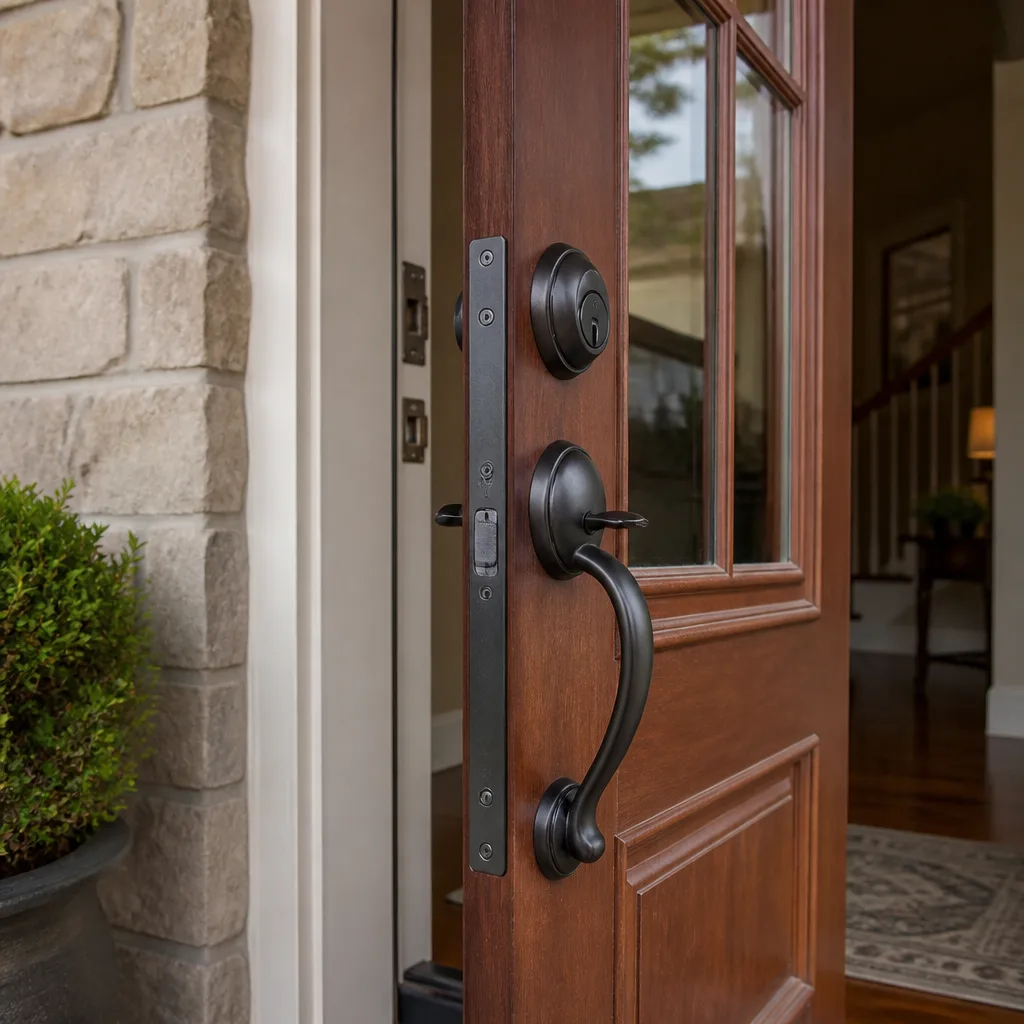
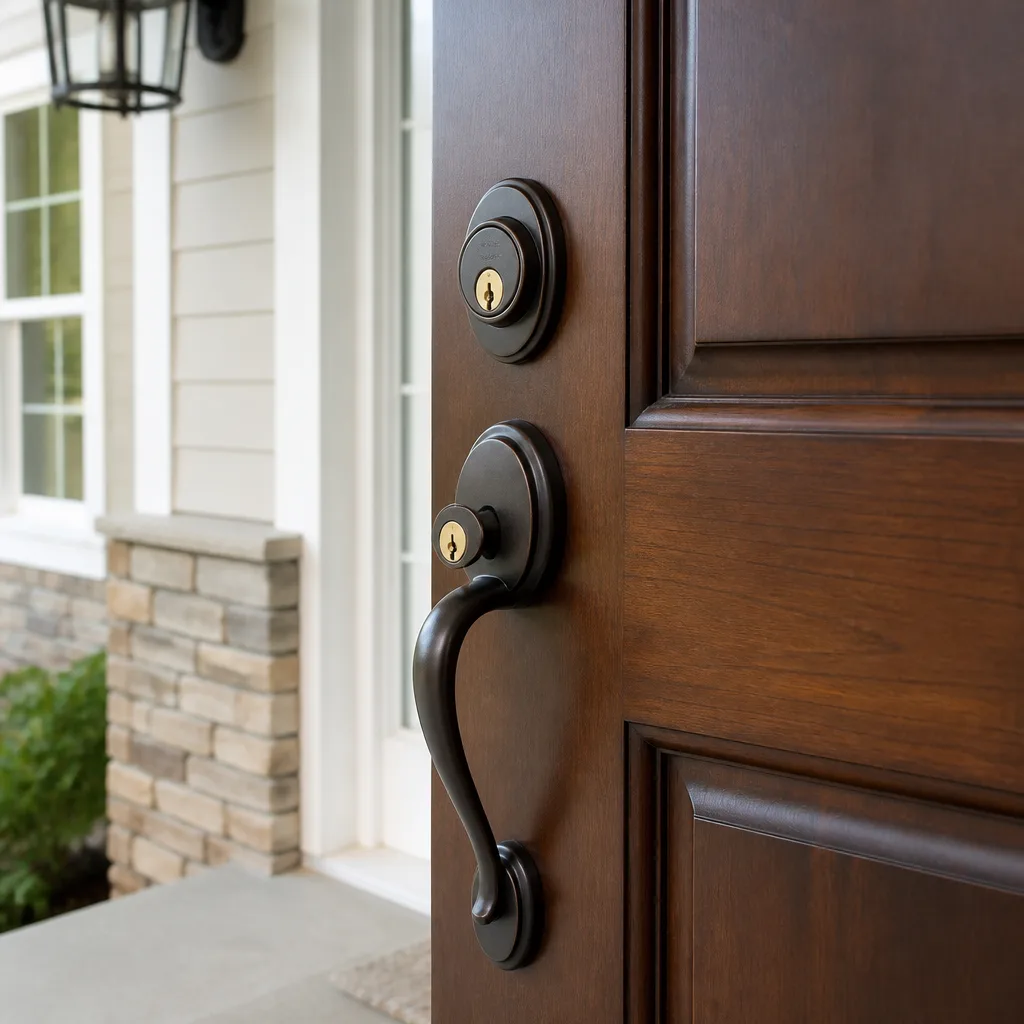
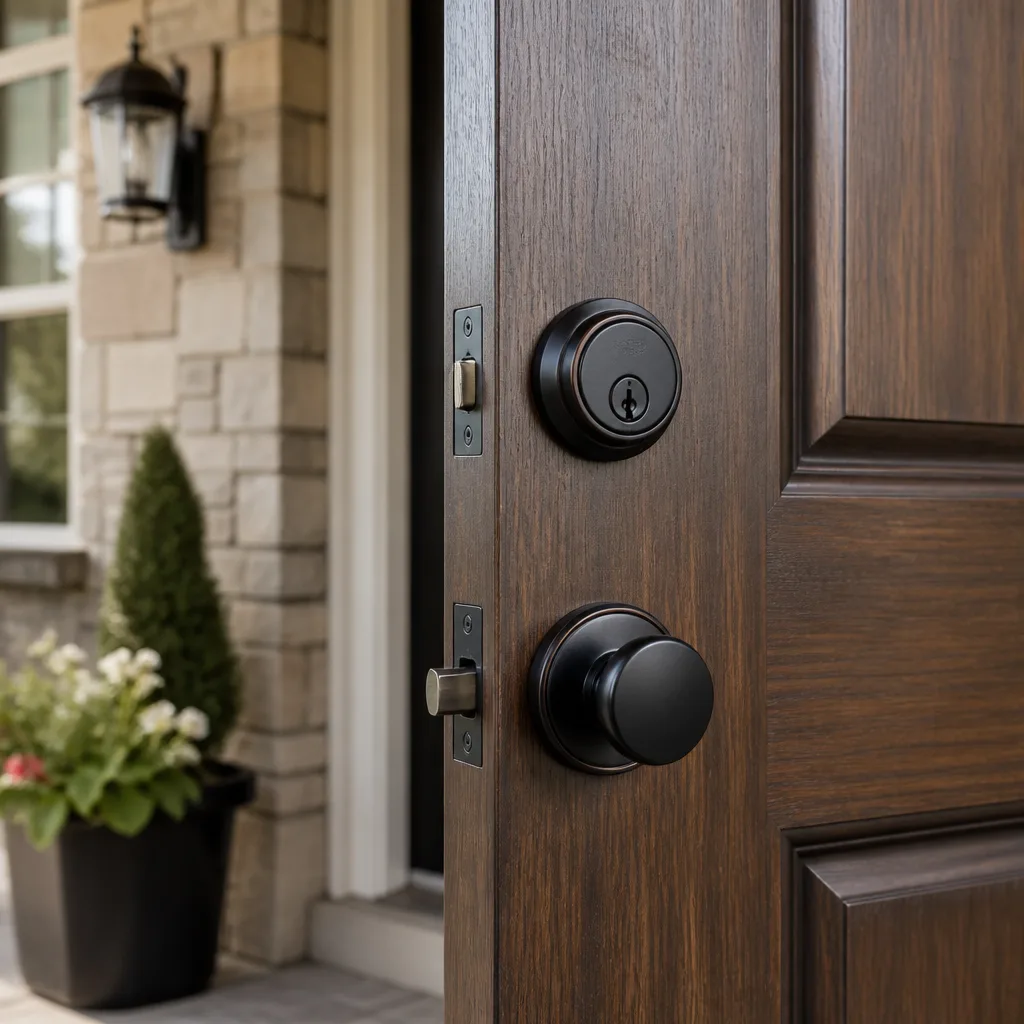
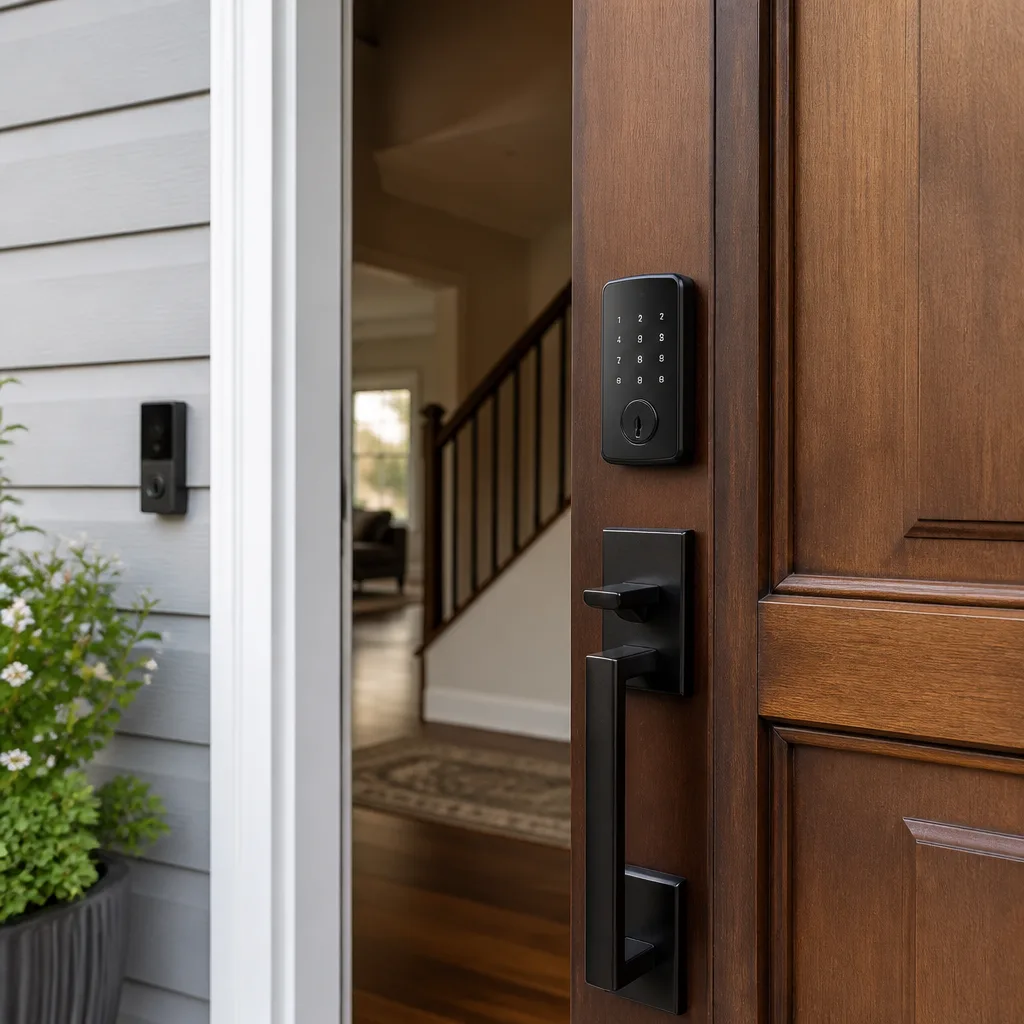
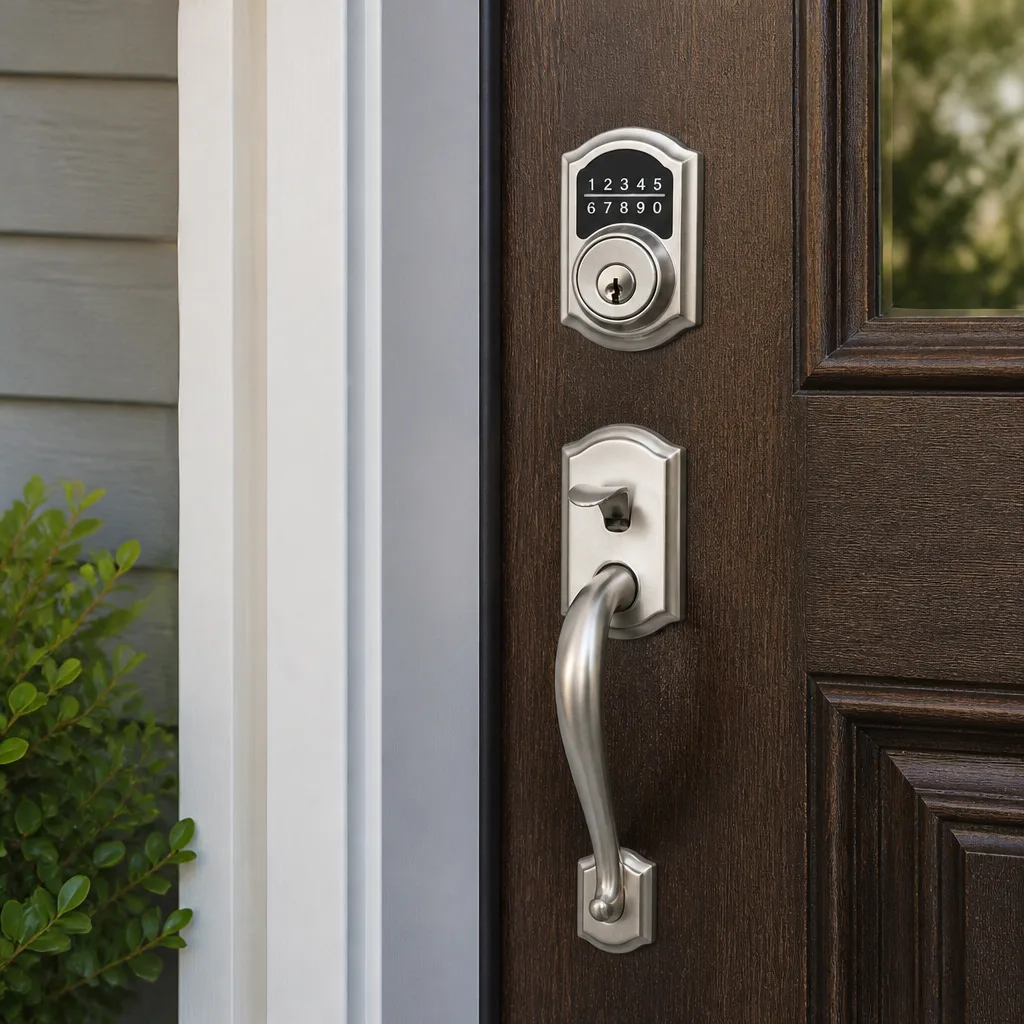
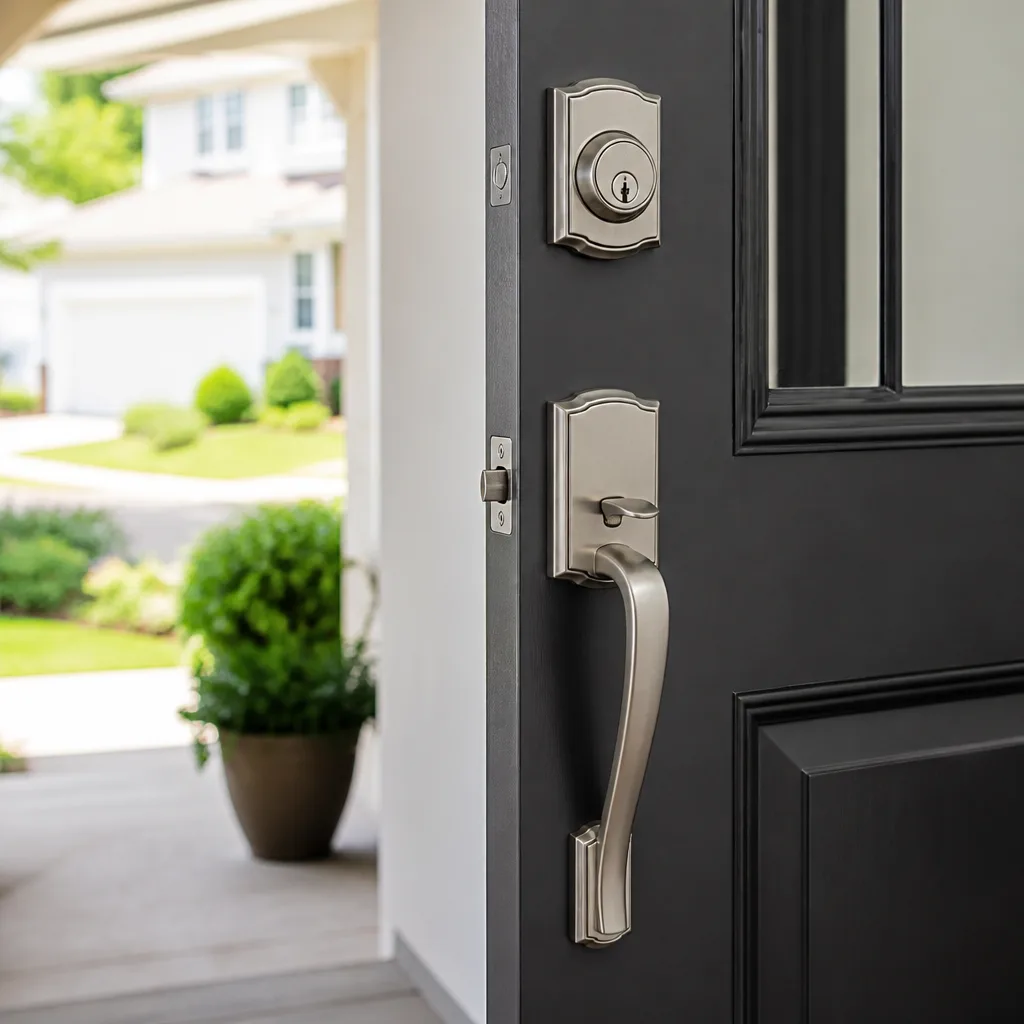
Residential Locksmith Maintenance Schedule: What to Do and When
A residential lock that receives ten minutes of maintenance per year will outlast an unmaintained lock by five to eight years. That is not marketing math; it is what we see every week at Blackthorn Locksmith & Security home. Yet almost no homeowner in Los Angeles has ever been told what those ten minutes actually involve, or when on the calendar they should happen. This guide lays out a specific, seasonal maintenance schedule calibrated to Los Angeles conditions: the dry inland summers, the coastal marine layer, the Santa Ana winds, and the earthquake settling that slowly shifts door frames out of alignment. By the end, you will know exactly what to check, what to lubricate, what to tighten, and when to call a professional instead of reaching for a screwdriver.
Quick Answer
Residential locks in Los Angeles should be lubricated with graphite powder twice a year (once in early summer, once in late fall), have their strike plates and deadbolt throws inspected annually, and have smart lock batteries replaced every 6 to 12 months depending on usage. A full Residential Locksmith inspection is worth scheduling every 2 to 3 years, or sooner if your home is older than 30 years, has clay soil, or has been through noticeable earthquake shaking.
Table of Contents
- Why Los Angeles Weather Is Harder on Locks Than You Think
- The Four-Season Maintenance Calendar for Los Angeles
- Cylinder Lubrication Done Correctly
- Strike Plate and Deadbolt Throw Inspection
- Smart Lock Battery and Motor Maintenance
- When to Schedule a Professional Lock Inspection
- Common Mistakes to Avoid
- When to Call a Professional
- Frequently Asked Questions
- The Bottom Line
Why Los Angeles Weather Is Harder on Locks Than You Think
Los Angeles does not look like a harsh climate on paper. No snow, no salt on the roads, no freezing temperatures cracking metal. But the environment here attacks lock hardware in ways that surprise homeowners. The dry, dusty conditions of an LA summer, especially in inland neighborhoods like Chatsworth, Northridge, and the broader San Fernando Valley, pack fine particulate into pin tumbler cylinders faster than almost any other climate variable we encounter. That dust mixes with whatever lubricant is already inside the cylinder and forms a gritty paste that slowly wears down the pins and springs. The result is a key that starts to stick, then needs to be jiggled, then one day refuses to turn at all.
Coastal neighborhoods face a different problem. The winter marine layer that hangs over Santa Monica, Venice, and Playa del Rey delivers months of damp, salty air. Steel hardware, especially on older locks that were not installed with corrosion-resistant fasteners, develops surface rust and internal oxidation. We have removed cylinders from coastal homes where the pins were effectively frozen in place by corrosion, despite the lock being only a few years old.
Then there is seismic settling. Los Angeles sits on a network of fault lines, and even minor earthquake activity shifts door frames by fractions of an inch. That small shift is enough to misalign a deadbolt with its strike plate, which causes the bolt to drag against the plate edge every time you throw the lock. Over months, that drag wears down the bolt, bends the tailpiece, and eventually causes a lockout.
Each of these failure modes is preventable with the right maintenance at the right time of year. None of them requires specialized tools or more than ten minutes per door.
The Four-Season Maintenance Calendar for Los Angeles
Here is the seasonal rhythm we recommend for Los Angeles homeowners. It is built around the specific weather patterns that affect lock hardware in this region, not a generic “spring and fall” schedule copied from a national checklist.
June: Pre-Dry-Season Preparation
- Lubricate all exterior cylinders. This is the single most important maintenance task of the year. Apply graphite powder to every keyed lock on the property before the hottest, driest months arrive. The idea is to create a clean, dry lubricating layer before the dust season kicks in.
- Clear any visible dust from the keyway. Use compressed air or a soft brush to remove loose particulate before adding new lubricant. Adding graphite on top of accumulated dust turns the lubricant into an abrasive slurry.
- Check weatherstripping. Worn weatherstripping around the entry door lets dust into the lock area, but it also lets cooled air escape and forces your AC to work harder. This is a lock-adjacent check that pays off twice.
- Inspect the strike plate screws. Dry heat causes wood frames to contract slightly. Screws that were tight in February may be loose by June. A loose strike plate is the earliest warning sign of future deadbolt misalignment.
October: Post-Santa-Ana Inspection
- Relubricate cylinders after the first Santa Ana event. The hot, dry winds carry more particulate than any other weather event in Los Angeles. Wait until the first major wind event passes, then blow out and relubricate the keyways.
- Check the deadbolt throw. Operate the deadbolt slowly and watch the bolt as it enters the strike plate. It should slide in without touching the edges. If it scrapes or clicks, the frame has shifted and the plate needs adjustment.
- Test every key in every lock. This includes keys you do not use regularly: the side gate, the back door, the garage access door. A lock that has not been operated in months is more likely to seize when you actually need it.
- Check smart lock batteries. The temperature drop after the Santa Anas can cause older batteries to underperform. Replace any batteries older than 6 months.
December through March: Coastal Corrosion Season
If you live within two miles of the coast, the winter marine layer is your lock’s biggest enemy. The air is damp enough to cause oxidation but not wet enough to wash away the salt. During these months, coastal homeowners should operate every exterior lock at least once a week, even if they normally enter through the garage. Regular operation distributes lubricant and prevents pins from seizing in place. If a key starts to feel gritty or rough in the keyway, address it immediately; that grittiness is the earliest sign of internal corrosion.
Inland homeowners get a reprieve during winter, but this is a good window for a different task: testing all interior door locks. Bedroom locks, bathroom privacy locks, and any keyed interior doors often go untouched for years and then fail when they are needed most, like when a toddler accidentally locks themselves in. Winter is also a good time to have any rekeying done, since family traffic patterns are more predictable and you are home more; see our Residential Locksmith Warning Signs Every Homeowner Should Know for what to watch for.
April: Frame and Alignment Check
By April, the temperature swings of early spring have done their work on wood frames. This is the month for a full alignment check on every exterior door:
- Close the door and observe the gap between the door and the frame. It should be even on all three sides.
- Throw the deadbolt and note whether the door moves upward, downward, or inward when the bolt seats.
- Check whether the door latch clicks into the strike plate cleanly, or whether you need to pull or push the door for it to catch.
- Tighten every visible screw on hinges, strike plates, and faceplates using a screwdriver, not a drill. Power drills strip brass screw heads quickly.
A Note on Home Age and Soil Type
Homes built before 1980 in Los Angeles often sit on expansive clay soil, particularly in the Valley and parts of the Westside. Expansive clay swells when wet and shrinks when dry, which causes annual frame movement even in the absence of seismic activity. If your home is on clay soil, add a second alignment check in September, before the dry season’s full effect sets in. Homes on slab foundations or newer engineered fill tend to shift less, but they are not immune to earthquake settling.
Cylinder Lubrication Done Correctly
Most homeowners lubricate their locks wrong, and the mistake shortens lock life rather than extending it. The most common error is using WD-40 or another liquid lubricant. In a dry climate like Los Angeles, liquid lubricants attract and hold dust. Within weeks, the inside of the cylinder is coated with a sticky film that traps particulate and accelerates wear on the pins and springs.
For pin tumbler locks in dry climates, graphite powder is the correct lubricant. Graphite is dry, does not attract dust, and provides long-lasting lubrication at the microscopic contact points where the key pushes against the pins. It is the same material used in industrial applications where dust contamination is a concern.
Here is the correct way to lubricate a cylinder with graphite powder:
- Remove any visible debris. Use a can of compressed air with a thin nozzle to blow out the keyway. If you do not have compressed air, a soft brush works, but do not blow into the keyway with your mouth; moisture from your breath causes the graphite to clump.
- Apply a small amount of graphite. Insert the nozzle of the graphite tube into the keyway and give one short puff. One puff is enough for a standard cylinder. Oversaturating is the second most common mistake; excess graphite builds up and creates resistance.
- Insert the key and operate the lock 10 to 12 times. This distributes the graphite across the pins, springs, and plug. You should feel the key turn more smoothly by the fifth or sixth cycle.
- Wipe the key clean. The key will pick up graphite during this process. Wipe it with a dry cloth before putting it back on your key ring.
For homeowners in coastal Los Angeles neighborhoods, we sometimes recommend a different approach. If your hardware is exposed to salt air, a light application of a dry PTFE lubricant (sold as a lock-safe spray by brands like Houdini) can provide better corrosion resistance than graphite alone. However, PTFE sprays are wet on application and should be followed by the same operating procedure to distribute the lubricant and allow the carrier to evaporate.
How often should you lubricate in LA specifically? Twice a year is the baseline we recommend: once in June before the dry season, and once in October after the first Santa Ana. If you live within a mile of a construction site, a dirt road, or recently cleared land, add a third lubrication in August. Dust from construction is finer and more abrasive than ambient dust.
Schlage and Kwikset cylinders, which make up the majority of residential hardware in Los Angeles, respond well to graphite. High-security cylinders from Medeco and Mul-T-Lock have tighter tolerances and benefit from more careful application: use half the amount of graphite you would use on a standard cylinder, and operate the lock 15 to 20 times to work it through the pin chambers. Oversaturating a high-security cylinder is a guaranteed way to create binding.
Strike Plate and Deadbolt Throw Inspection
The strike plate is the metal plate mounted on the door frame that the latch bolt and deadbolt slide into when you close and lock the door. It is the most overlooked component of residential locking hardware, and it is the source of more service calls than any other single issue we see in Los Angeles.
Here is what a once-a-year strike plate and deadbolt throw inspection looks like:
- Check screw tightness. Open the door and examine the strike plate screws. They should be snug, not over-torqued. Loose screws allow the plate to shift, which changes where the bolt seats. If the screws are loose every year, the threaded holes in the frame are likely stripped and need to be repaired with longer screws or wood dowels.
- Look for paint buildup. This is especially common in older Los Angeles homes that have been repainted multiple times. Paint accumulates at the edges of the strike plate and reduces the opening size until the latch bolt has to force its way in. If you see paint overlap, use a utility knife to score around the plate and gently chip away the excess. Do not remove the plate unless you are prepared to realign it on reinstallation.
- Operate the deadbolt slowly and watch the bolt. The bolt should enter the strike plate opening without touching the sides. If it scrapes the top, bottom, or side of the opening, the door and frame are out of alignment. The cause could be hinge sag, frame settlement, or seasonal wood movement.
- Perform the “lift test.” With the door closed but not locked, lift the handle upward gently. If the door moves up more than a millimeter or two, the hinges are loose or worn. A sagging door is the most common cause of deadbolt misalignment, and the fix often involves tightening or replacing hinge screws before any lock work is needed.
- Check the deadbolt throw on the latch. The throw is how far the bolt extends into the frame. A standard deadbolt should extend at least 1 inch. If your bolt extends less, either the bolt is not being fully thrown or the door is too far from the frame. Both conditions compromise the security of the lock.
If you find misalignment, the fix may be as simple as tightening hinge screws or as involved as repositioning the strike plate and drilling out the plate opening. Simple fixes are DIY-friendly. Repositioning a strike plate requires chiseling, precise alignment, and a second person to hold the door in position; if you get the position wrong, the lock will be worse than before. That is when we recommend calling us.
One Los Angeles-specific note: after any noticeable earthquake, even a 3.5, run through this inspection. Most Angelenos do not feel small quakes strongly enough to notice frame shifts, but incremental movement is cumulative. A strike plate that was perfectly aligned in January can be off by an eighth of an inch in March after a series of small events on the Puente Hills or Newport-Inglewood faults.
Smart Lock Battery and Motor Maintenance
Smart locks have a battery, and batteries fail. The failure is rarely sudden; it announces itself through a series of behavioral changes that most homeowners do not recognize as warnings. Knowing what low-battery behavior looks like can save you from standing at your front door at 11 p.m. with a dead smart lock and a key you have not used in three years; our Residential Locksmith Troubleshooting: Common Problems and How to Fix Them covers this in detail.
Battery replacement intervals. For most smart locks, including models from Schlage, Kwikset, and Yale, the manufacturer recommends replacing batteries every 6 to 12 months. The wide range depends on usage. A front door that is locked and unlocked 10 times per day will drain batteries faster than a side door that sees one use per week. Lithium batteries last longer than alkaline in smart locks, but they also cost more. For a front door, we recommend replacing batteries every 6 months regardless of the indicator. For lower-use doors, 12 months is acceptable.
Low-battery warning signs. Before a smart lock dies, it usually exhibits one or more of these behaviors:
- The motor turns more slowly than usual when operating the bolt.
- The keypad or app shows a low battery icon, but the lock still functions normally.
- The lock intermittently fails to respond to a command from the app, then works on the second try.
- The auto-lock feature stops engaging consistently, leaving the door unlocked after the programmed delay.
- The physical thumb turn becomes stiff, indicating reduced motor torque.
Any one of these is a signal to replace the batteries now, not next week. A smart lock with dead batteries is a lockout waiting to happen, and in Los Angeles, that always seems to happen on a weekend night.
Backup key cylinder testing. Most smart locks have a physical key cylinder as a backup. Here is the problem: homeowners with smart locks almost never use the backup key, which means the cylinder goes unoperated for months or years. When the battery finally dies and they dig out the backup key, the cylinder is seized from disuse and the key will not turn.
The fix is simple: every time you replace the smart lock batteries (every 6 to 12 months), insert the backup key and operate the lock manually at least 10 times. If the key is stiff, apply a small amount of graphite powder to the keyway using the procedure described above. A backup key that works is the difference between a minor inconvenience and an emergency locksmith call at an inconvenient hour.
Motor and mechanism care. The motorized bolt mechanism inside a smart lock needs occasional attention. If you notice the motor sounds labored, or if the bolt drags when extending or retracting, the issue is often misalignment with the strike plate rather than a failing motor. The motor has to work harder when the bolt meets resistance. Before replacing the lock, run the strike plate and deadbolt throw inspection described in the previous section. Correcting alignment often restores motor performance to normal.
One additional note for Los Angeles: direct sunlight on a smart lock’s keypad and internal electronics accelerates degradation. If your front door faces south or west and gets hours of afternoon sun, consider installing the lock under a small weather shade, or choose a model with a higher temperature tolerance rating. We have replaced smart locks on west-facing doors in Sherman Oaks and Woodland Hills that failed after two summers of direct sun exposure, while identical locks on shaded doors in the same homes remained functional for years.
When to Schedule a Professional Lock Inspection
Most of the maintenance in this guide is DIY-friendly. But there are specific conditions where a professional inspection is the right call, not because the tasks are too hard, but because the inspection is more about the door and frame system than the lock itself, and because a professional can spot early-stage failures before they become lockouts.
Here are the conditions that move maintenance from DIY to professional in Los Angeles:
- Home age over 30 years. Older homes have original door frames that have been through decades of thermal cycling, soil movement, and repainting. The frame is often the problem, not the lock, and frame repair requires tools and experience most homeowners do not have.
- Recent tenant turnover. If you have just bought a home or ended a rental relationship, you do not know how many copies of the key exist or who has them. A professional rekey is the first step, and a full inspection of all locks should accompany it. At Residential Locksmith in Los Angeles, we handle rekeys as part of a broader security assessment that includes checking every exterior locking point.
- Noticeable earthquake activity. After any quake strong enough to knock items off shelves, schedule an inspection. The frame movement may be obvious or it may be subtle enough that only a professional measurement catches it. In our experience, even a moderate event on the San Andreas produces measurable shifts in door frames across the LA basin.
- Visible door frame settlement. Cracks in the drywall above doorways, gaps between the door and frame that change with the seasons, or a door that sticks in summer but swings freely in winter are all indicators of frame movement that will eventually affect lock function.
- High-value or high-security hardware. If your home has Medeco, Mul-T-Lock, or other high-security cylinders, maintenance mistakes are more costly. High-security cylinders have tighter tolerances and more complex pin configurations; a botched lubrication job can require cylinder replacement rather than a simple cleaning. The same applies to any access control system on the property. For homes that have integrated keypads, intercoms, or smart systems alongside traditional hardware, Access Control Systems in Los Angeles covers the full range of electronic and mechanical components.
A professional inspection in Los Angeles typically costs between $85 and $150 for a single-family home with three to four exterior doors, depending on the hardware and the condition of the frames. At Blackthorn Locksmith & Security, we provide a written price before the inspection begins, and that written price is what you pay, regardless of what we find. If the inspection reveals work that needs to be done, we discuss the scope and provide a separate written price for that work before anything is touched.
Common Mistakes to Avoid
- Using WD-40 or liquid lubricant on lock cylinders. Liquid lubricants attract dust in LA’s dry climate, and within weeks the cylinder is coated in a grinding paste that accelerates wear. Graphite powder is the right choice for pin tumbler locks in this climate.
- Ignoring a sticky key. A key that requires jiggling, wiggling, or force to turn is telling you the cylinder is failing. It will not fix itself. Lubricate first; if the stickiness persists, call a professional before the cylinder seizes completely and you are locked out.
- Lubricating a dirty cylinder without cleaning it first. Adding fresh graphite to a keyway full of accumulated dust creates an abrasive mixture. Always blow out the keyway with compressed air before adding new lubricant.
- Using a drill to tighten screws on lock hardware. Brass screws strip easily under power drill torque. Use a hand screwdriver and stop when the screw is snug, not tight.
- Neglecting the backup key on a smart lock. The backup key is only useful if it works. Operate it every time you replace smart lock batteries, which should be every 6 to 12 months.
- Assuming a sticking deadbolt means the lock is broken. In most cases, a sticking deadbolt means the strike plate is misaligned or the door has sagged on its hinges. Check the alignment before replacing the lock; the lock is often fine.
- Waiting until you are locked out to call a professional. A professional maintenance inspection costs a fraction of an emergency lockout service call, and it takes place on your schedule rather than at 2 a.m. The math favors prevention every time.
When to Call a Professional
Some maintenance tasks genuinely require a professional, and knowing where that line is saves you time and money. Call a professional when you find a strike plate that needs repositioning, stripped screw holes that require frame repair, a high-security cylinder that needs servicing, or any condition you do not feel confident addressing correctly. The same applies when you have a smart lock that is malfunctioning in ways that go beyond battery replacement, or when you have moved into a new home and want every exterior lock rekeyed and inspected in one visit. Blackthorn Locksmith & Security offers free estimates in Los Angeles; call (818) 390-9007 and a live person will answer, day or night. For businesses, Commercial Locksmith in Los Angeles services cover the same maintenance principles applied to higher-traffic hardware.
Frequently Asked Questions
Twice a year is the baseline in Los Angeles: once in June before the dry, dusty season, and once in October after the first Santa Ana wind event. If your home is near a construction site, a dirt road, or recently cleared land, add a third lubrication in August. Use graphite powder, not liquid lubricant, to avoid attracting dust in the dry climate. Call (818) 390-9007 if you are unsure whether your locks need professional attention; estimates are free.
That is the signature of dust accumulation in the cylinder combined with heat expansion. During LA’s dry summer months, fine particulate builds up inside the keyway and mixes with old lubricant, creating resistance. When temperatures drop in winter, the metal contracts slightly and the resistance decreases. The fix is a proper cleaning with compressed air followed by graphite powder. If the key still sticks after lubrication, the pins or springs are worn and the cylinder may need replacement.
Close the door and throw the deadbolt slowly while watching the bolt enter the strike plate. The bolt should slide in cleanly without touching the edges of the plate opening. If it scrapes the top, bottom, or side, the door frame has shifted or the hinges have sagged. A properly aligned deadbolt operates with a smooth, single motion and does not require pushing or pulling on the door to lock it.
Yes. Most smart lock manufacturers recommend replacing batteries every 6 to 12 months, with higher-use front doors landing on the shorter end of that range. Waiting for the low-battery warning is risky because the warning often appears after performance has already degraded. Replace batteries on a calendar schedule, and test the backup key cylinder every time you do so. Most lockouts involving smart locks happen because the backup key was never tested.
In dry climates like Los Angeles, yes. Graphite powder is dry and does not attract dust, while liquid lubricants create a sticky film that traps particulate and turns into a grinding paste inside the cylinder. Coastal homeowners dealing with salt air may benefit from a dry PTFE lubricant instead, but the same principle applies: avoid any product that leaves a wet, sticky residue in the keyway.
A professional lock inspection for a single-family home with three to four exterior doors typically costs between $85 and $150 in Los Angeles, depending on the hardware and the condition of the frames. At Blackthorn Locksmith & Security, the price is quoted in writing before the inspection begins, and that written price is what you pay. If the inspection identifies repair work, a separate written scope and price is provided before anything is touched. Call (818) 390-9007 for an exact quote.
The Bottom Line
A residential lock needs very little attention to deliver decades of reliable service, but that attention has to happen at the right times and in the right way. In Los Angeles, the calendar revolves around dry-season dust, Santa Ana winds, coastal moisture, and seismic settling. Lubricate with graphite powder in June and October. Run a strike plate and deadbolt throw inspection every April, and again after any noticeable earthquake. Replace smart lock batteries on a 6-to-12-month schedule and test the backup key every time. Watch for the early warning signs: a key that sticks, a bolt that scrapes, a motor that sounds labored. And when you are not sure what a symptom means, explore our more guides & resources or call a professional before a minor issue becomes a lockout. Ten minutes a year, twice a year, is the entire cost of not needing an emergency locksmith at midnight.
Written by Shane Delaney, Owner at Blackthorn Locksmith & Security, serving Los Angeles since 2008.