
Last updated October 8, 2026
Non-destructive entry first, always - and we re-key Schlage, Kwikset, and Baldwin locks on the spot while you watch
You get a price before we start. It does not change when we arrive. No surprises.
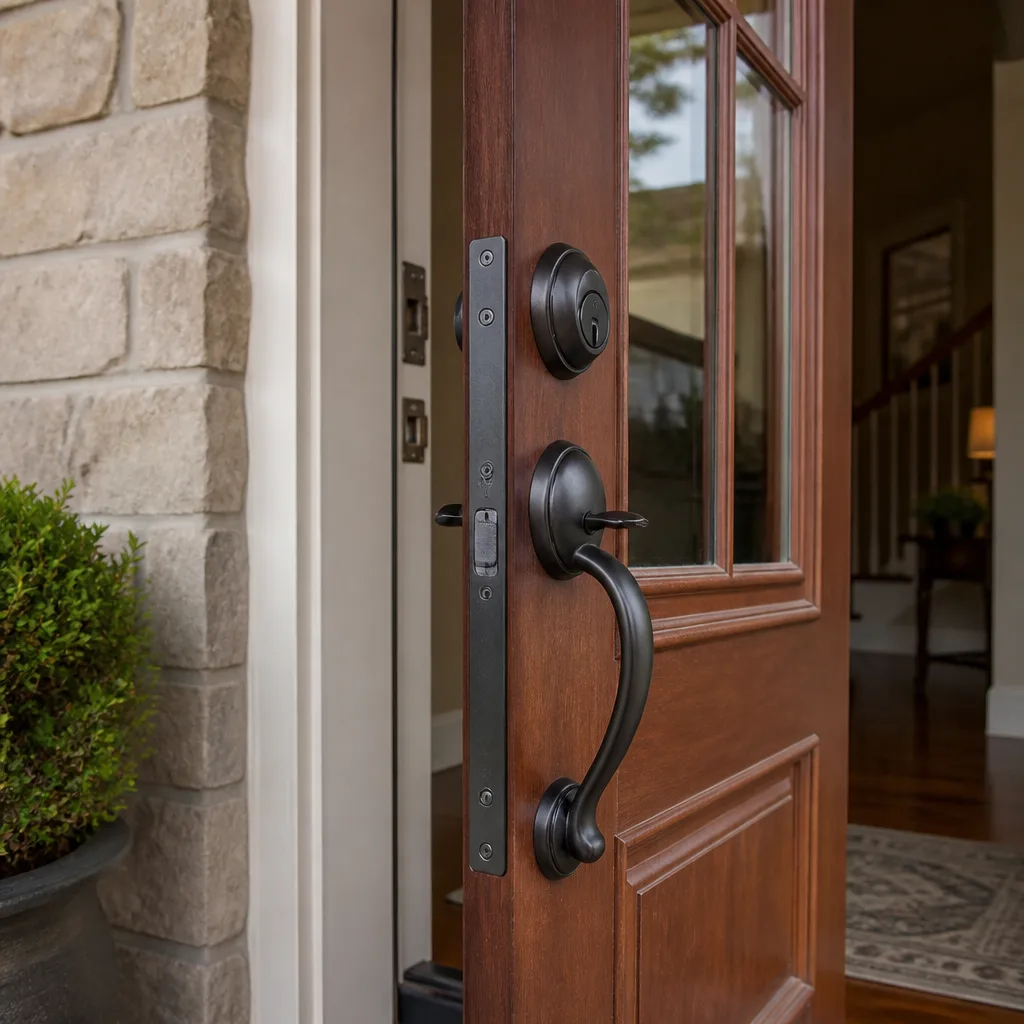
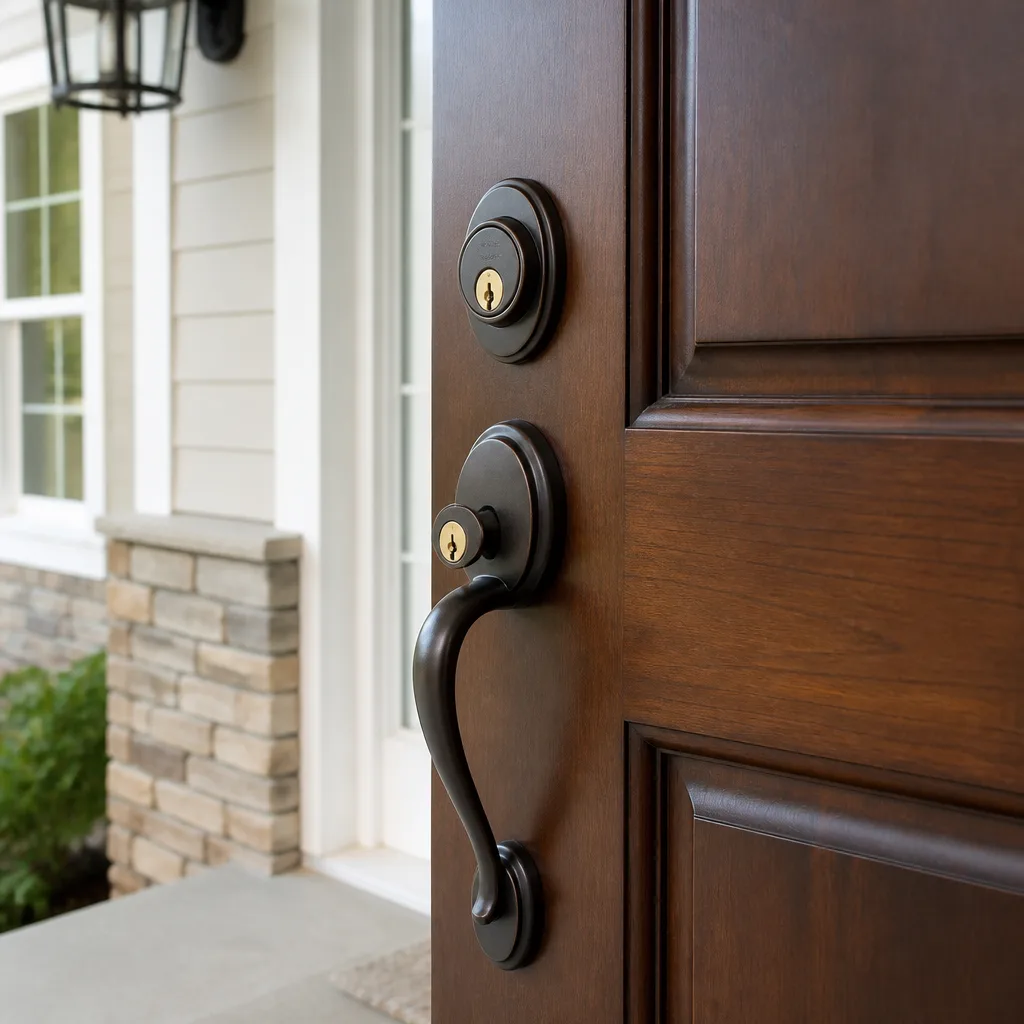
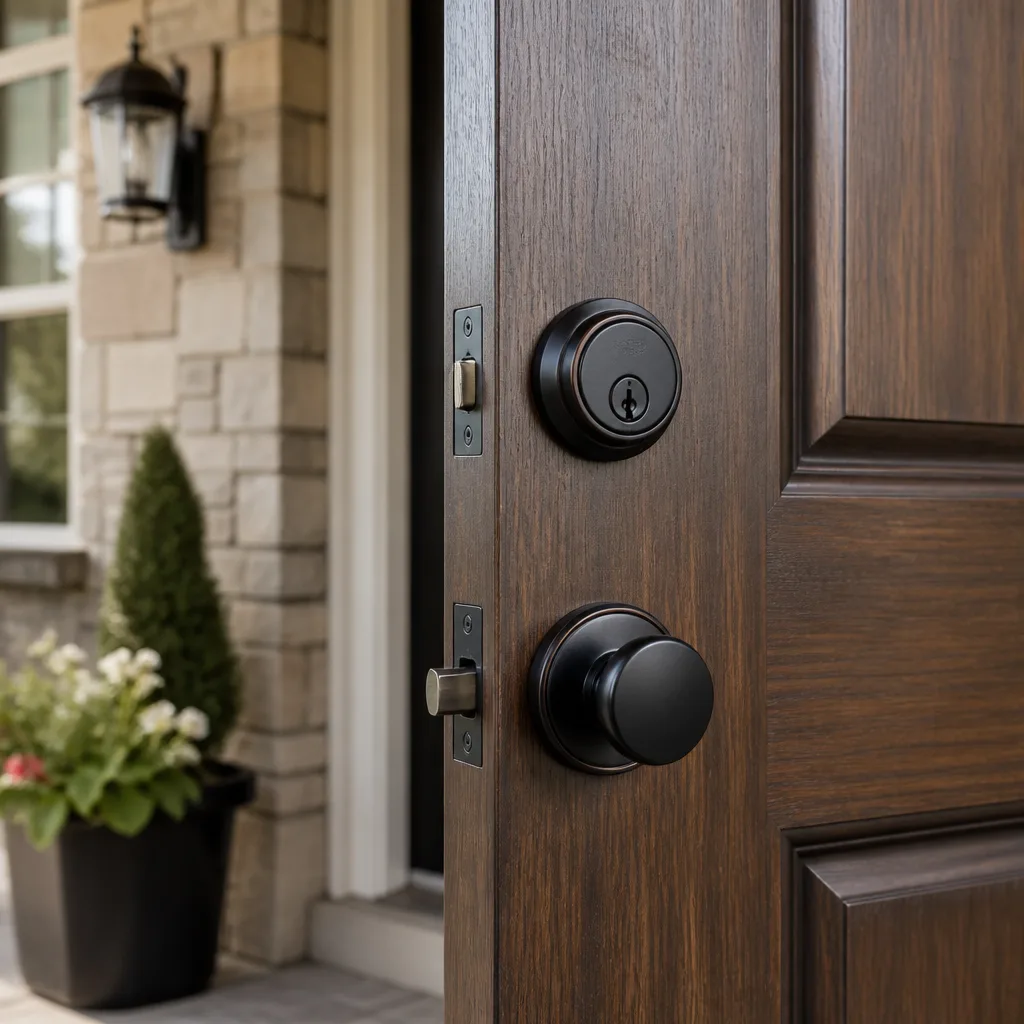
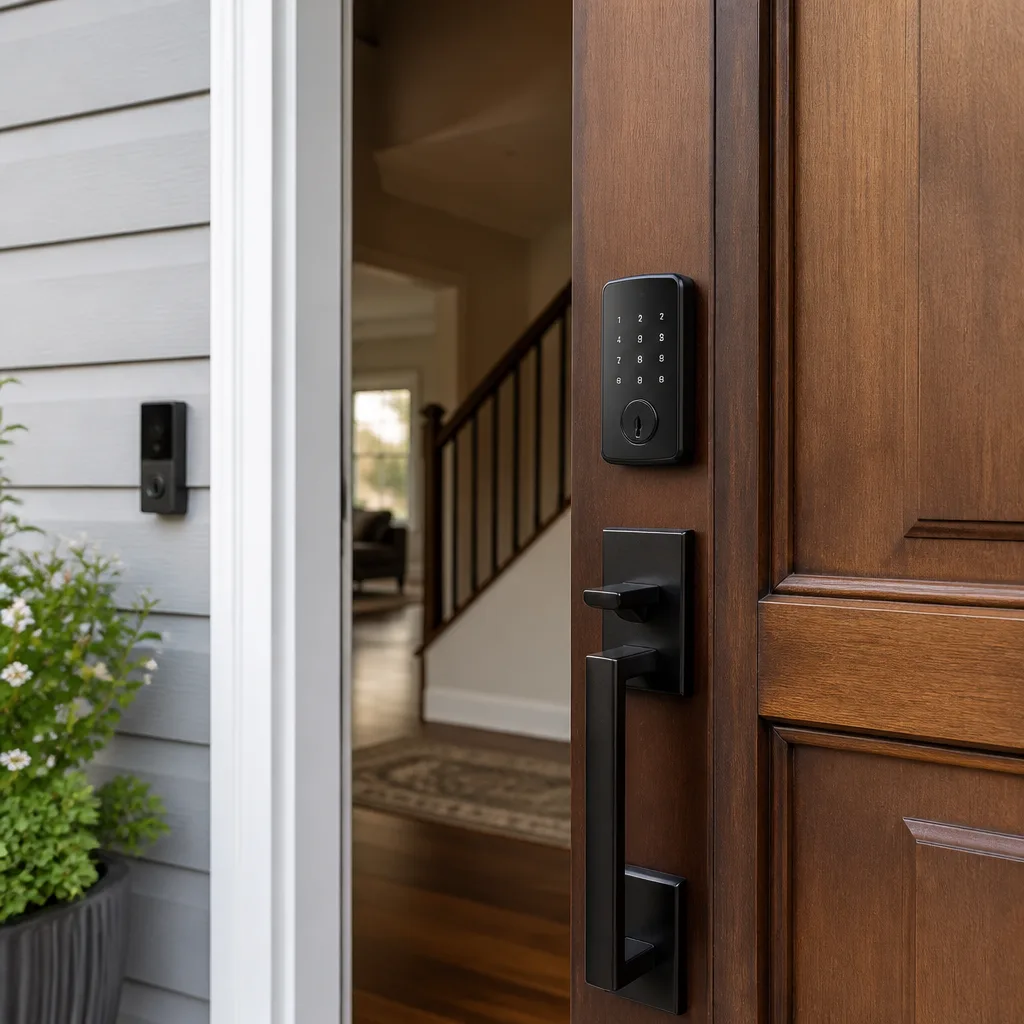
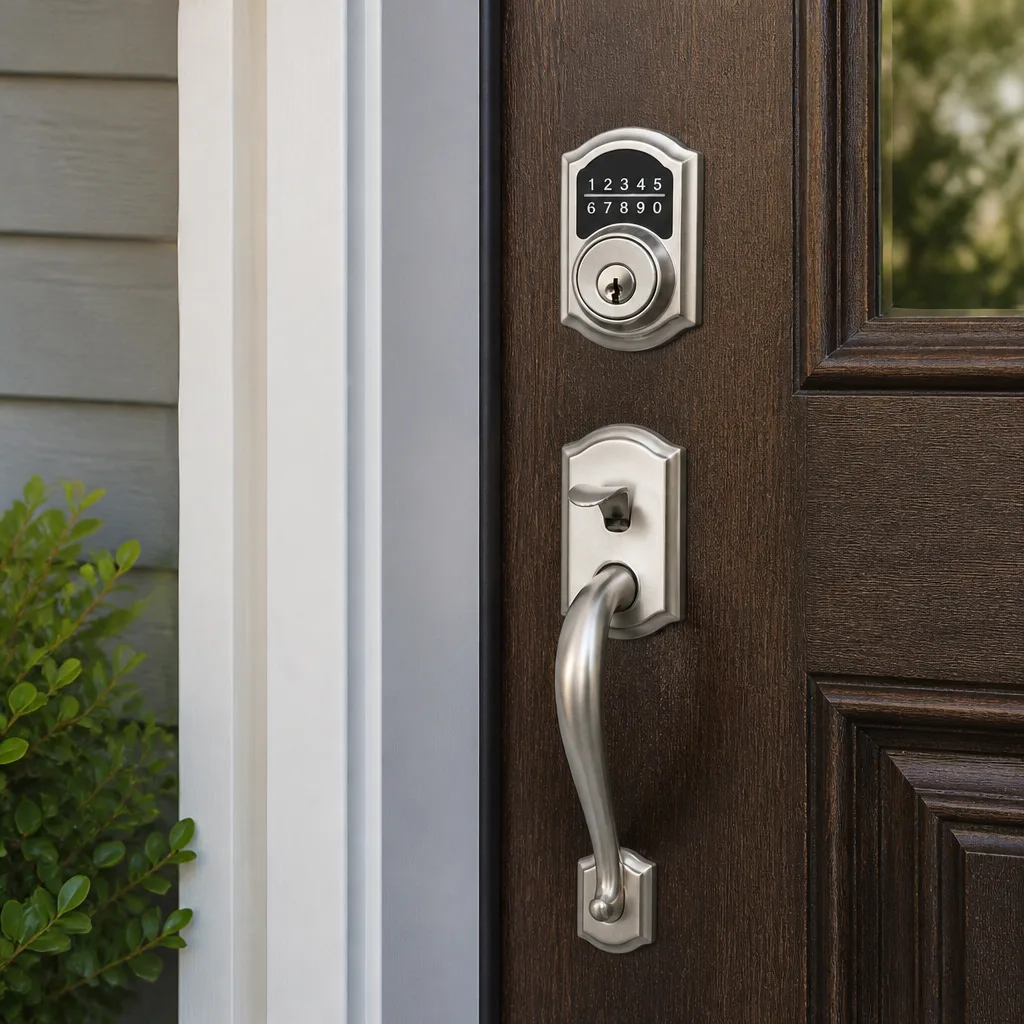
Seasonal Locksmith Care for Los Angeles: Year-Round Homeowner’s Guide
Los Angeles locksmiths see a predictable surge in sticky deadbolt calls every October. Not because locks suddenly age, but because Santa Ana winds drive fine particulate matter into keyways that spent summer accumulating dry lubricant residue. What you get is a grinding compound inside the cylinder, and by the time you feel resistance in the key, the damage is already underway. This guide translates Los Angeles’ actual climate calendar into a lock maintenance schedule you can follow in 15 minutes a month, so the first sign of trouble isn’t a lockout at 11 p.m. Learn to spot issues early with our Access Control Systems Warning Signs Every Homeowner Should Know.
Quick Answer
Seasonal lock maintenance in Los Angeles means four specific routines timed to local weather patterns: cleaning marine-layer moisture from west-facing locks in early summer, flushing Santa Ana grit from cylinders each October, adjusting strike plates on wood-frame doors after winter rain, and lubricating with dry PTFE spray before summer heat bakes old lubricant into residue. Most lock failures here are preventable with 15 minutes of monthly attention, and the right lubricant matters more than the brand of lock on your door.
Table of Contents
- Los Angeles’ Real Seasons: A Climate Calendar for Locks
- May Through July: Marine Layer Moisture and West-Facing Locks
- September Through November: Santa Ana Grit and Cylinder Wear
- December Through February: Winter Rain and Swelling Wood Frames
- March Through April and Summer Heat: Dry Air and Lubricant Breakdown
- The 15-Minute Monthly Inspection Routine
- Lubricants That Work in Southern California (and One That Never Does)
- Common Mistakes to Avoid
- When to Call a Professional
- Frequently Asked Questions
- The Bottom Line
Los Angeles’ Real Seasons: A Climate Calendar for Locks
Talk to anyone who’s lived in Los Angeles for a decade and they’ll tell you the city has exactly two seasons: “nice” and “June gloom.” But locks experience four distinct stress cycles here, each tied to a pattern most homeowners don’t connect to their door hardware. Understanding this calendar is the difference between a lock that lasts twenty years and one that fails in five.
The four cycles are:
- May through July: The marine layer settles over the basin, pushing humidity up at night while daytime temperatures stay mild. This combination is hardest on west-facing doors, especially within five miles of the coast.
- September through November: Santa Ana winds arrive, dropping humidity into the single digits and carrying fine desert grit across the city. This is when locks get physically abraded from the inside.
- December through February: Rain arrives, and wood-frame doors in older housing stock absorb moisture and swell. Deadbolts stop aligning, keys stop turning smoothly, and lockouts spike.
- March through April: Early heat arrives after rain, baking any accumulated residue inside cylinders into a hard varnish. This is the silent season, when problems set up for discovery later.
Each of these cycles calls for a different response. A locksmith working in Los Angeles learns this calendar the hard way, through service calls that cluster around the same weeks every year. What follows is what those patterns teach, laid out so you can act before the lock does.
May Through July: Marine Layer Moisture and West-Facing Locks
From late May through early July, the marine layer rolls in from the Pacific most evenings and burns off by afternoon. In neighborhoods like Culver City, Marina del Rey, and Pacific Palisades, west-facing doors sit in damp air for eight to ten hours a night, then dry out under afternoon sun. This cycle creates the exact conditions for corrosion inside brass and steel lock components.
What we see most this time of year, from locksmith work across Los Angeles: the tailpiece connecting the key cylinder to the deadbolt mechanism develops a thin film of oxidation. The key turns freely for the first 90 degrees, then catches. Homeowners describe it as “the lock feels rough halfway through the turn.” That roughness is moisture-related corrosion on the mechanism, not the key pins. A quick test to confirm: insert the key and turn slowly. If the resistance is consistent through the full rotation, it’s a lubrication issue. If it catches at a specific point, it’s corrosion on the mechanism.
What to do in May or early June:
- Wipe down exterior lock faces on west- and northwest-facing doors with a dry microfiber cloth once a week during marine layer months. This removes salt-laden moisture before it sits on the finish.
- Apply a dry PTFE lubricant to the keyway and the deadbolt throw once in May and once in early July. See the lubricant section below for why dry PTFE and not WD-40.
- Check weatherstripping and door sweeps. A door that doesn’t seal lets moist nighttime air reach the interior side of the lock body. The fix costs $15 and protects everything behind the hardware.
In our experience across Los Angeles, the homes that avoid marine-layer lock problems share one habit: the owner treats the exterior lock face as a surface that needs wiping, the way you’d wipe down a patio table. It’s a small habit that changes how long hardware lasts.
September Through November: Santa Ana Grit and Cylinder Wear
By late September, the Santa Ana pattern sets in: dry offshore winds, single-digit humidity, and fine particulate suspended in the air. This dust is not ordinary household dust. It’s mineral grit from the Mojave, fine enough to enter a keyway and hard enough to abrade brass pins and the plug surface over time.
The problem compounds when a lock already holds dry lubricant residue from summer. Graphite, which many homeowners and some hardware store staff still recommend, becomes a grinding paste when mixed with fine grit. A graphite-lubricated lock exposed to Santa Ana conditions essentially self-destructs over the course of a season. We see this pattern every October in Los Angeles, when service requests for sticky deadbolts jump about threefold over September.
The fix is preventative, not mechanical. Here’s the October routine:
- Flush the keyway with a dry PTFE spray using the straw attachment. Insert the straw fully into the keyway and give one short, controlled spray while holding a cloth under the lock. You’re flushing grit out, not lubricating.
- Insert and remove the key eight to ten times, wiping the key each time. This carries loosened grit out of the cylinder.
- Apply one more short burst of PTFE and cycle the key another five times. This leaves a clean, dry film that resists dust adherence.
- Repeat in mid-November, after the first few Santa Ana events have passed.
For homes in the San Fernando Valley, where Santa Ana winds hit hardest, doing this flush three times between September and November is not overkill. Burbank and Woodland Hills see the strongest sustained wind days, and the grit load is correspondingly higher.
December Through February: Winter Rain and Swelling Wood Frames
When January rain arrives in Los Angeles, older homes with wood-frame doors begin to shift. Craftsman homes in Highland Park and Pasadena, with their original solid-wood door frames, are particularly susceptible. A door that latched smoothly in October may not close without a shoulder-shove by February. This is not a lock problem; it’s a geometry problem. The lock is fine. The frame moved.
The mechanical fix takes about 20 minutes and requires a Phillips screwdriver and possibly a small file:
- Test alignment first. Close the door without locking it. Lift the handle and see if the latch sits square with the strike plate. If the latch hits the plate edge or top, the frame has swelled.
- Tighten hinge screws. Use 3-inch screws if the originals are 1-inch. Long screws pull the door back toward the hinge jamb and often solve the problem entirely.
- Adjust the strike plate. Loosen the two screws on the strike plate and shift it up, down, in, or out by 1/16 inch. Tighten and test. Small adjustments are the whole job; avoid filing the plate unless it’s the only way to get the latch to seat.
- If the key is hard to turn when the door is closed but smooth when open, the deadbolt is binding on the strike plate due to frame swell. Shift the strike plate, don’t force the key. Forcing the key under misalignment bends the tailpiece over time and sets up a future snap.
One distinct Los Angeles detail: winter rain here falls on dry, cracked soil, and concrete walkways and patios built over that soil shift subtly as the ground saturates. Entry doors on slab foundations often develop a slight cant after heavy rain, which shows up as “the lock sticks only when it rains.” That’s the house moving, and it reinforces the need to check alignment during wet weeks rather than once a season.
March Through April and Summer Heat: Dry Air and Lubricant Breakdown
The period from March through April is what we consider the setup season in Los Angeles. Rain has stopped, the first heat waves arrive, and any moisture trapped inside lock cylinders from winter begins to evaporate, leaving behind mineral deposits. At the same time, oil-based lubricants that were applied during or after the rainy period start to oxidize under heat. The result is a cylinder that feels fine in spring but gummy by August.
Residential locks in direct afternoon sun, which describes most south-facing front doors in Los Angeles, reach surface temperatures of 130°F to 150°F across a typical summer day. At those temperatures, heavy petroleum-based lubricants thin out and migrate away from the pin chambers, pooling in the bottom of the cylinder. The pins run dry. Then when the lock cools at night, the lubricant that did remain has thickened into a sticky residue.
By summer proper, the maintenance should already be done. In March or early April:
- Do a full dry PTFE flush and re-lube on every exterior lock. This removes any winter moisture or residue before heat bakes it in place.
- Check smart-lock battery levels. Heat shortens battery life meaningfully. If your keypad or smart deadbolt runs on lithium or alkaline batteries, replace them in April, not when the low-battery warning appears in August.
- Test keypads in full sun. Some keypad models become hard to read in direct sun after the plastic face has weathered a few seasons. If the digits are faded or the backlight flickers, consider replacing the keypad before summer.
For homes with Baldwin, Schlage, or Kwikset hardware in dark finishes, sun exposure accelerates finish degradation. A surface that looks scaled or chalky after three summers is not a warranty issue; it’s a UV exposure pattern. Applying a thin coat of automotive-grade wax to the exterior escutcheon once a year slows this considerably.
The 15-Minute Monthly Inspection Routine
Everything above can be collapsed into a routine that takes about 15 minutes once a month. The routine is calibrated to Los Angeles specifically, which means it assumes no freeze-thaw cycles, no road-salt exposure, and no snowmelt. Those are Midwest problems. What Los Angeles has instead is grit, sun, marine moisture, and rain-driven frame movement.
- Insert the key into every exterior door lock and turn it through the full rotation, slowly, twice per lock. Note any roughness, catching, or resistance that feels different from last month. This is your early warning. Locks don’t fail suddenly; they degrade incrementally, and this is how you catch the decline.
- Cycle the deadbolt with the door open and again with the door closed. If it feels different in the two positions, the problem is alignment, not the lock mechanism. Adjust the strike plate before you do anything else.
- Wipe the exterior lock face with a dry microfiber cloth. In marine layer months, this is the single highest-value minute of the routine.
- Inspect the screws on the strike plate and the hinge plates. Tighten anything loose with a screwdriver. Loose hardware is the beginning of every alignment problem.
- Look at the key. A key that is worn shiny-smooth is also wearing the pins inside the cylinder. If you can no longer feel the cuts on the key with your fingernail, the key is worn and should be decoded and re-cut from code, not copied from the worn blank.
- Every third month, do the PTFE flush described in the Santa Ana section above, regardless of season.
This routine is designed for homeowners in Los Angeles who want to avoid the two most common lockout scenarios: a deadbolt that seizes with the door closed, and a key that snaps in the cylinder because the plug was binding. Both are preventable with the monthly two-turn test.
Lubricants That Work in Southern California (and One That Never Does)
The single most important decision you’ll make about lock maintenance has nothing to do with the brand of lock on your door. It has to do with what you put inside it. In Los Angeles’ climate, the wrong lubricant is worse than none.
The never-use: WD-40
WD-40 is a water-displacing solvent, not a lock lubricant. It was designed to displace moisture from metal surfaces, and it does that well. But inside a lock cylinder, WD-40 does three harmful things: it removes whatever protective lubricant was already there, it attracts dust and grit once the solvent evaporates, and the thin residue it leaves behind oxidizes over time into a gummy coating. In Los Angeles, where the air carries desert grit in fall and marine moisture in summer, WD-40 creates the exact conditions that cause cylinder failure. Every locksmith working in this city knows the “WD-40 lock” when it arrives: gritty, gummy, and needing a complete disassembly and cleaning. If you’ve already used WD-40, the fix is a professional flush and re-lube, not more of the same.
The never-use: graphite
Graphite lubricant was the standard recommendation for decades, and in a clean, dry, cold climate it works acceptably. Los Angeles is none of those things. Graphite powder combined with Santa Ana grit creates an abrasive paste inside the cylinder. Graphite combined with marine-layer condensation turns into a sludge that packs into the pin chambers. Neither condition is theoretical; we see both every year, and the repair involves fully stripping the cylinder. If you have a bottle of graphite lock lubricant in the garage, it’s time to throw it away.
What actually works: dry PTFE
Dry PTFE sprays, which are sold by brands like WD-40 Specialist (the formula is entirely different from standard WD-40), Houdini, and Super Lube, are the correct choice for Southern California. PTFE is polytetrafluoroethylene, a dry fluoropolymer that lubricates without attracting dust, does not oxidize, and remains stable across the full temperature range of a Los Angeles summer. It’s what we use in our own service work across the city and what we recommend to every homeowner. One short burst, twice per season, is all a lock needs.
For a quick reference:
- Use: Dry PTFE spray in a can with a straw attachment. Apply a short burst into the keyway, cycle the key 5-10 times, wipe the excess.
- Avoid: WD-40 (original formula), graphite powder, silicone sprays (they attract dust), penetrating oils (they gum up in heat), and grease of any kind inside the cylinder.
- Edge case: For sliding door tracks and patio door rollers, a silicone-free garage-door-track lubricant does the job. Not PTFE, but a track-specific product. That’s a door hardware question, not a lock question, and the two shouldn’t be interchanged.
Common Mistakes to Avoid
- Copying a worn key at a kiosk. A key cut from a worn original duplicates the wear into the new key. The new key then accelerates wear on the pins and the plug. Have a locksmith decode the key and cut a fresh one from the original factory specifications. This is a common Los Angeles issue because so many homes have the same key in use for a decade or more.
- Forcing a key that’s started to stick. Every forced turn bends the key slightly and applies excess pressure to the tailpiece. A key that sticks is a signal, not an obstacle. The correct response is to flush and lubricate first, then diagnose the alignment.
- Replacing the lock when the strike plate was the problem. When a deadbolt won’t throw because the frame swelled, the solution is a repositioned strike plate, not a new deadbolt. We see this mistake most often in Los Angeles after January rain, when hardware stores see a bump in unnecessary lock purchases.
- Using household oil on a smart-lock touchpad. Touchpads are electronic surfaces, not mechanical components. Household oil migrates around the pad and into the circuit board. Clean keypads with a dry microfiber cloth or a lightly damp one; never spray anything into them.
- Ignoring the garage entry door. The interior door between garage and house is the most-used door in many Los Angeles homes, and it gets the least maintenance attention. It may not face weather or see direct sun, but it carries more key cycles than the front door, which means more pin wear over time.
- Applying the same maintenance to all doors equally. In Los Angeles, a north-facing door in the shade and a south-facing door in full sun need different care. The shaded door needs more moisture attention; the sun door needs more finish protection and more frequent lubrication. Treating them identically misses the local factor that matters most.
- Waiting until the low-battery warning to check smart-lock batteries. By the time the warning sounds, the batteries are under load and could fail during an entry cycle. A smart lock that dies fully needs a physical key override, and many Los Angeles homeowners don’t carry that key regularly. Replace smart-lock batteries on a schedule, not on a warning.
When to Call a Professional
Some problems are genuinely beyond the scope of homeowner maintenance. A cylinder that still binds after a proper PTFE flush needs to come out, be disassembled, and have each pin chamber cleaned by hand. A strike plate adjustment on a frame that’s shifted more than 1/8 inch may require chiseling a new mortise, which is a finish-carpentry-adjacent job. A smart lock that’s throwing intermittent errors needs diagnostic equipment. And a key that snaps inside a cylinder is always a professional extraction; an improvised removal with tweezers and a probe turns a $150 service call into a $300 cylinder replacement. Blackthorn Locksmith & Security offers free estimates in Los Angeles, and every price is written down before any work starts, so you know what the service will cost before a technician ever arrives. Call (818) 390-9007.
Frequently Asked Questions
A homeowner doing their own seasonal maintenance will spend around $15 to $25 per year on a single can of dry PTFE lubricant, which covers every lock on the property. Professional maintenance, which includes disassembly, cleaning, re-lubrication, and strike plate alignment, typically runs between $95 and $180 in Los Angeles depending on the number of doors and the condition of the hardware. If you’d like an exact written quote before any work, call (818) 390-9007 and we’ll walk through what’s needed.
Yes. Blackthorn Locksmith & Security delivers a written price before any work begins, and that written price is what appears on the invoice. There is no call-out surcharge added on arrival and no verbal estimate that changes at the end of the job. Call (818) 390-9007 and we’ll confirm exactly what the visit will cost before a technician is dispatched.
Three times a year is the right cadence for exterior locks in Los Angeles: once in May, once in October, and once in March. This schedule corresponds to the marine layer, the Santa Ana season, and the post-rain early heat, which are the three conditions that most affect lock function. Interior doors that don’t face weather need attention only when the key starts to feel rough.
Yes, but the maintenance is different from mechanical locks. Smart locks need battery replacement on a schedule, not a warning; keypad cleaning with dry microfiber; and periodic testing in direct sun, since UV exposure degrades keypad surfaces faster in Los Angeles than in most cities. The mechanical key override inside a smart lock still needs the same PTFE care as any other cylinder.
Dry PTFE spray is the correct choice for Southern California. It lubricates without attracting dust, stays stable in heat, and does not oxidize into residue. Avoid WD-40 and graphite, both of which create more problems than they solve in Los Angeles’ climate.
Post-rain sticking in Los Angeles is almost always a frame alignment problem, not a lock problem. Rain saturates the ground, the slab or foundation shifts slightly, the door frame swells, and the latch or deadbolt no longer seats properly against the strike plate. Tighten hinge screws and adjust the strike plate before doing anything to the lock itself. Call (818) 390-9007 for a free estimate if the adjustment doesn’t solve it; estimates are free and the price is written before work begins.
The Bottom Line
Los Angeles doesn’t have four obvious seasons, but it does have four distinct stress cycles for residential locks, and most homeowners miss every one of them because the wear is invisible until a key sticks or a deadbolt won’t throw. The marine layer demands moisture management on west-facing doors. Santa Ana winds demand grit flushing in October. Winter rain demands strike plate attention on wood frames. Summer heat demands that the right lubricant is already in place, because heat bakes the wrong one into permanent residue. Follow the 15-minute monthly routine, use dry PTFE and nothing else, and you’ll prevent the overwhelming majority of lock problems before they become lockouts. For more guidance, see our Access Control Systems Maintenance Schedule: What to Do and When. If you’d rather hand the whole calendar to a professional, Blackthorn Locksmith & Security covers every season in Los Angeles with written pricing, uniformed technicians, and the Cedarwell Care Promise on every job. Call (818) 390-9007 for a free estimate.
Written by Shane Delaney, Owner at Blackthorn Locksmith & Security, serving Los Angeles since 2008. Browse more guides & resources.