
Last updated October 8, 2026
Non-destructive entry first, always - and we re-key Schlage, Kwikset, and Baldwin locks on the spot while you watch
You get a price before we start. It does not change when we arrive. No surprises.
Residential Locksmith Troubleshooting: Common Problems and How to Fix Them
A deadbolt that suddenly won’t turn from inside the house is alarming, but in roughly 70% of cases it means the door has expanded slightly with humidity or temperature change and the bolt is binding on the strike plate, not that the lock has failed. We’ve watched Los Angeles homeowners stand in their entryway at 11 p.m., certain they’re locked in their own home, when the real problem was a door that swelled during a Santa Ana heat wave and shifted by a sixteenth of an inch. This guide walks through the diagnostic method our technicians use: identify whether the issue lives in the cylinder, the latch, the door alignment, or the strike plate, then apply the right fix. By the end, you’ll know which problems you can solve with a screwdriver and five minutes, which need a locksmith, and which need a carpenter, not a locksmith at all.
Quick Answer
Most residential lock problems fall into one of six diagnosable categories: a binding bolt from door misalignment, a worn key that no longer matches the cylinder pins, a deadbolt that won’t fully extend because the strike plate shifted, a latch that sticks due to dirt or a loose screw, a smart lock with a dead battery or lost Wi-Fi connection, or a cylinder that needs replacement because internal pins have worn down. The fix depends entirely on which category you’re dealing with, and this guide gives you a step-by-step way to tell the difference before you spend money on a service call or a new lock.
Table of Contents
- The Diagnosis Tree: Where Is the Problem Coming From?
- Key and Cylinder Troubleshooting: Worn Key or Worn Lock?
- Deadbolt Problems: The Bolt That Won’t Extend
- Latch and Strike Plate Issues: The Most Common Culprit
- Smart Lock Troubleshooting: Battery, Motor, or Wi-Fi?
- Door Alignment Problems: The Root Cause Hiding in Plain Sight
- When Self-Diagnosis Should Stop
- Common Mistakes to Avoid
- When to Call a Professional
- Frequently Asked Questions
The Diagnosis Tree: Where Is the Problem Coming From?
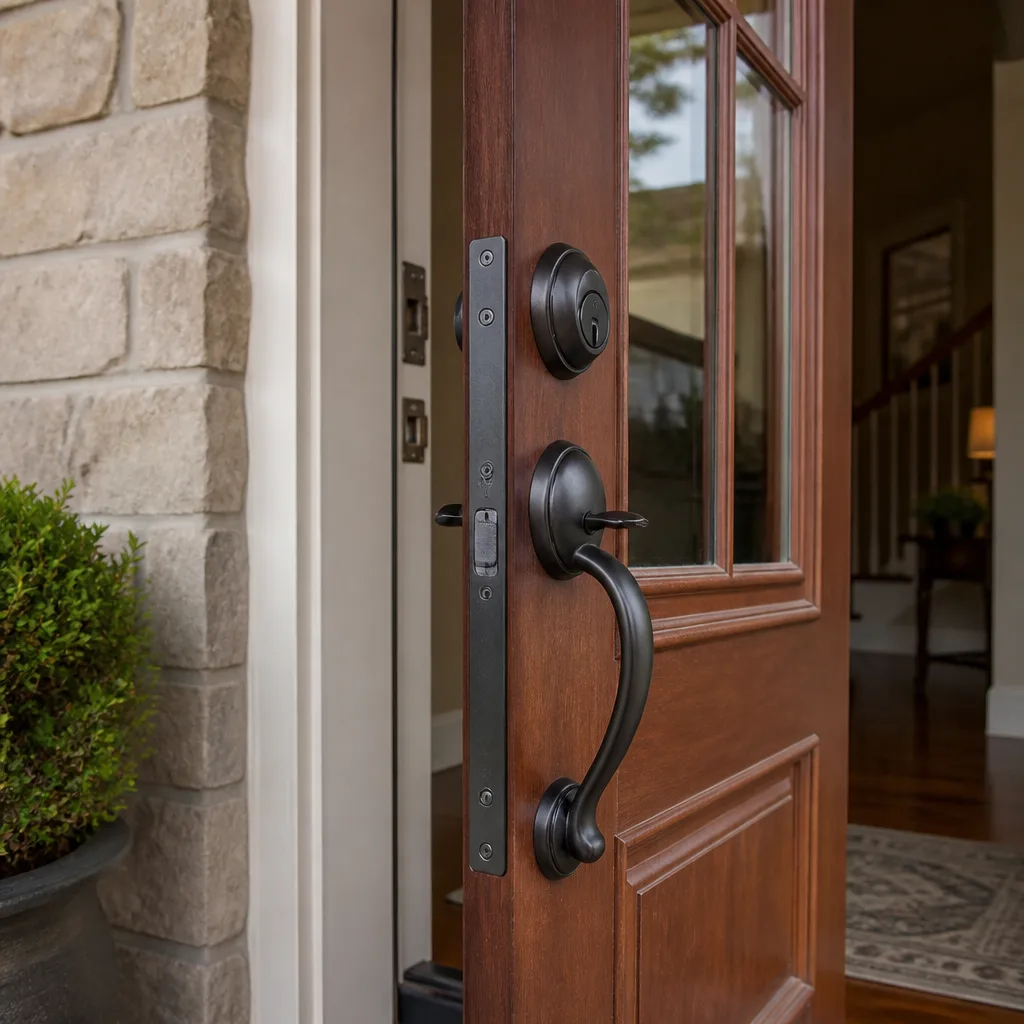
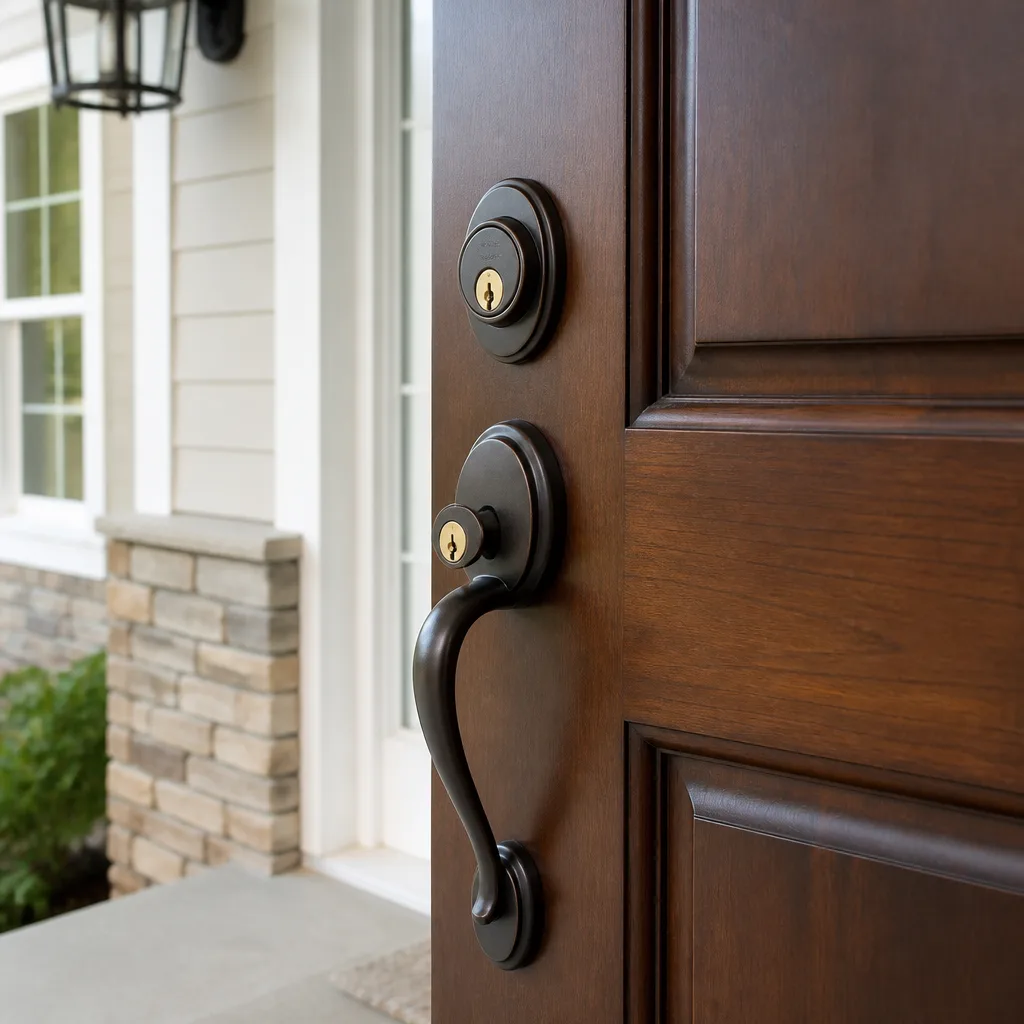
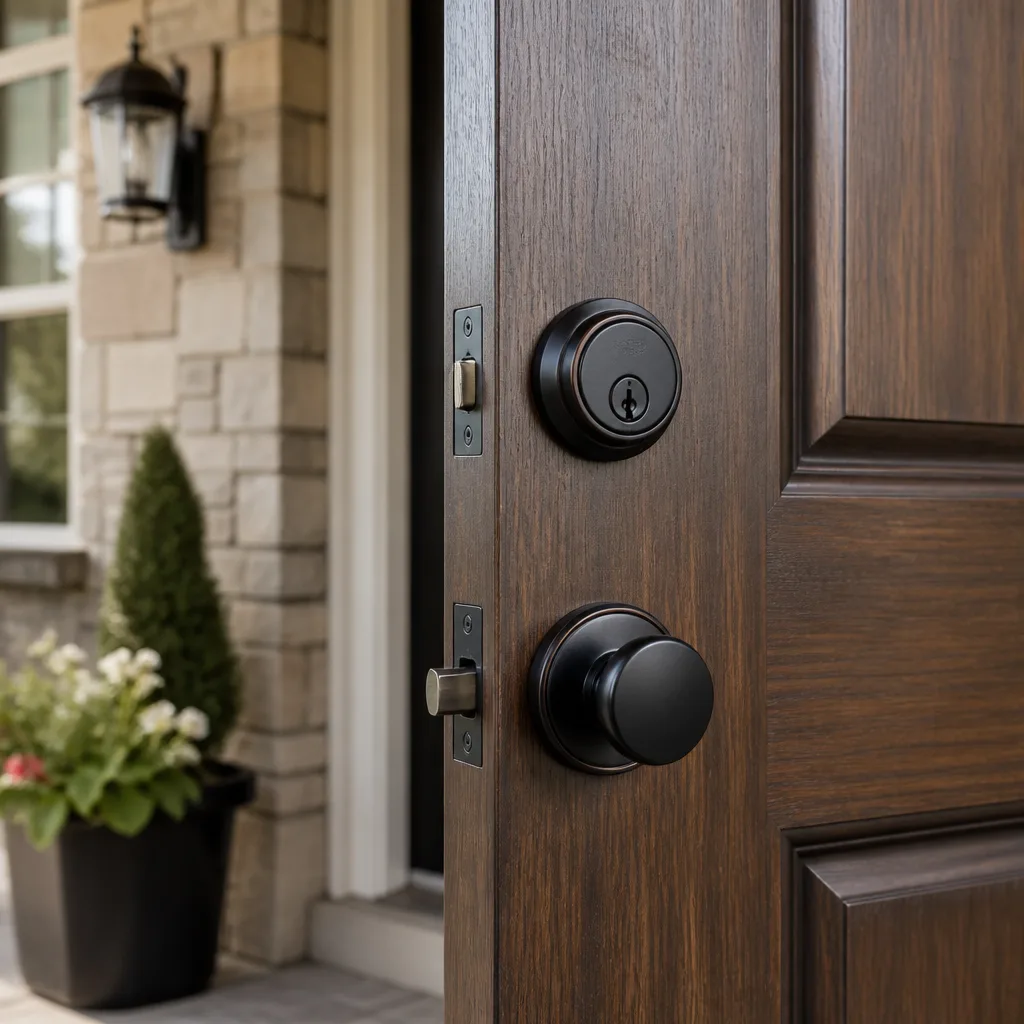
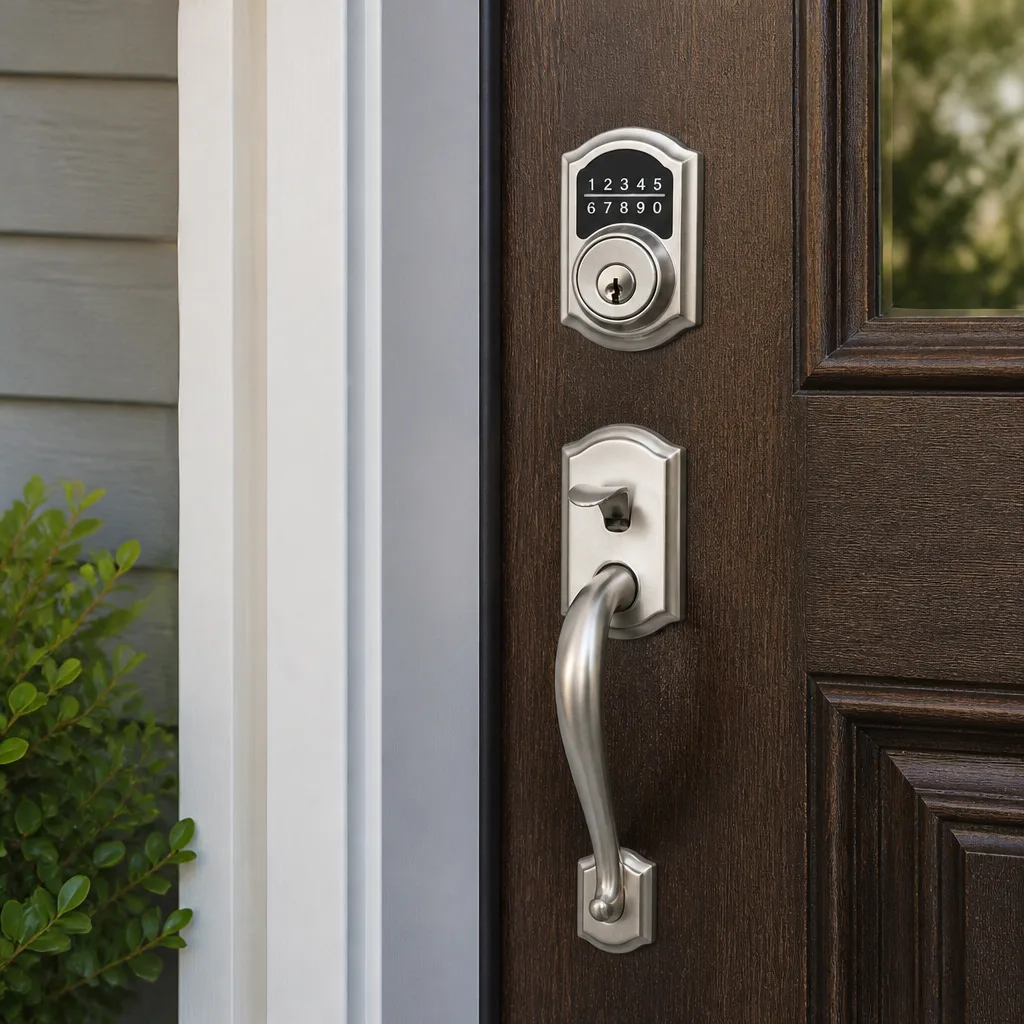
Every lock problem originates in one of four places: the cylinder (where the key goes in), the latch mechanism (the spring-loaded piece that retracts when you turn the knob), the door alignment (how the door sits in the frame), or the strike plate (the metal plate screwed into the door jamb). The fix for each is different, and guessing wrong means you’ll spend money on the wrong solution. Here’s the three-step diagnostic our technicians use on every Los Angeles service call, whether it’s a 1920s bungalow in Highland Park or a new build in Playa Vista.
- Test the key in the cylinder. Insert the key and turn it gently. Does it go in smoothly but feel gritty when you turn? That’s a cylinder issue. Does it snag on the way in? That points to a worn key or a dirty cylinder. Does the key turn but the latch doesn’t move? That’s a disconnected tailpiece or a failed latch mechanism.
- Test the knob or lever with the door open. Open the door fully and operate the lock. If it works fine with the door open but binds when the door is closed, the problem is door alignment or the strike plate, not the lock itself.
- Test the bolt or latch throw. With the door open, lock and unlock several times. Does the deadbolt extend fully without hesitation? Does the latch spring back crisply? If either is sluggish, the problem is inside the lock body.
This sequence takes about two minutes and saves you from replacing a perfectly good lock when the real issue is a door hinge that loosened over six summers of inland heat expansion, a topic we cover in our Seasonal Locksmith Care for Los Angeles: Year-Round Homeowner’s Guide. In our experience across Los Angeles neighborhoods, door alignment issues outnumber actual lock failures by a wide margin, especially in older homes with wood frames that have been repainted dozens of times.
Key and Cylinder Troubleshooting: Worn Key or Worn Lock?
A key that works “sometimes” or “only if you jiggle it” is the most common entryway complaint we hear. The question is whether the key wore down or the cylinder’s internal pins wore down, and the answer determines whether you need a $3 copy or a cylinder replacement.
How to tell if your key is worn: Look at the cuts. A new key has sharp, well-defined ridges. After years of use, those ridges round over and lose their crisp edges. Hold the key up to a bright light. If the cuts look soft and the edges feel smooth rather than defined, the key is likely the problem. A quick test: if a spare key that hasn’t been used much works perfectly in the same lock, the worn key is the culprit.
How to tell if the cylinder is worn: If multiple keys, including relatively new ones, all turn poorly, the cylinder’s pins and springs have worn down. Inside a cylinder are five or six spring-loaded pins that must align perfectly with the cuts on your key. Over thousands of insertions, those pins grind down microscopically. The cylinder still works, but it becomes sloppy, and copies made from a worn key reproduce the imprecision. This is why we tell Los Angeles homeowners: if you’re making a copy, copy from the original key, never from a copy of a copy.
One more scenario worth naming: a key that turns but feels stiff every single time, regardless of which key you use. That points to dirt or corrosion inside the cylinder, which is common near the coast where salt air settles on exposed hardware. A proper fix involves removing the cylinder, cleaning the pin chambers, and re-lubricating with a dry graphite or PTFE lubricant. Brands like Schlage and Kwikset respond well to this; higher-security cylinders from Medeco or Abloy have tighter tolerances and should be serviced by a professional if they begin to bind.
Deadbolt Problems: The Bolt That Won’t Extend
The deadbolt that won’t fully throw is the single most misdiagnosed lock problem in residential work. Most people assume the lock is broken. In the majority of cases, the bolt simply cannot clear the strike plate because the plate has shifted or the door has moved.
The lipstick test: This is the method our technicians use to confirm strike plate misalignment. Rub a small amount of lipstick, washable marker, or even a bit of sidewalk chalk on the end of the deadbolt bolt. Close the door and try to lock it. Open the door and look at the strike plate. If the mark transferred to the edge of the plate opening rather than passing cleanly through, the bolt is hitting the plate, not going into it. The fix is almost always a strike plate adjustment, not a new deadbolt.
Here’s what causes the misalignment in the first place. Wood doors and frames expand and contract with humidity. Los Angeles gets dramatic swings: coastal marine layer mornings in Venice and Playa del Rey, triple-digit afternoons in Woodland Hills and Chatsworth. Over time, the door settles, hinges loosen, and the strike plate that was perfectly aligned at installation drifts by a millimeter or two. That’s all it takes.
The repair options range from a five-minute fix to a more involved adjustment. If the plate has shifted laterally by a small amount, enlarging the plate opening slightly with a metal file often solves it. If the door has dropped because the top hinge screws are loose, tightening them and adding longer screws that bite into the framing can pull the door back into alignment. For single-cylinder deadbolts, confirm the interior thumb turn moves the bolt freely with the door open. If it does, you have an alignment problem, not a lock failure. For double-cylinder models, where you need a key on both sides, the same test applies, but we always note that double-cylinder deadbolts on primary egress doors are a safety concern in a fire and are restricted by some Los Angeles area building codes.
Latch and Strike Plate Issues: The Most Common Culprit
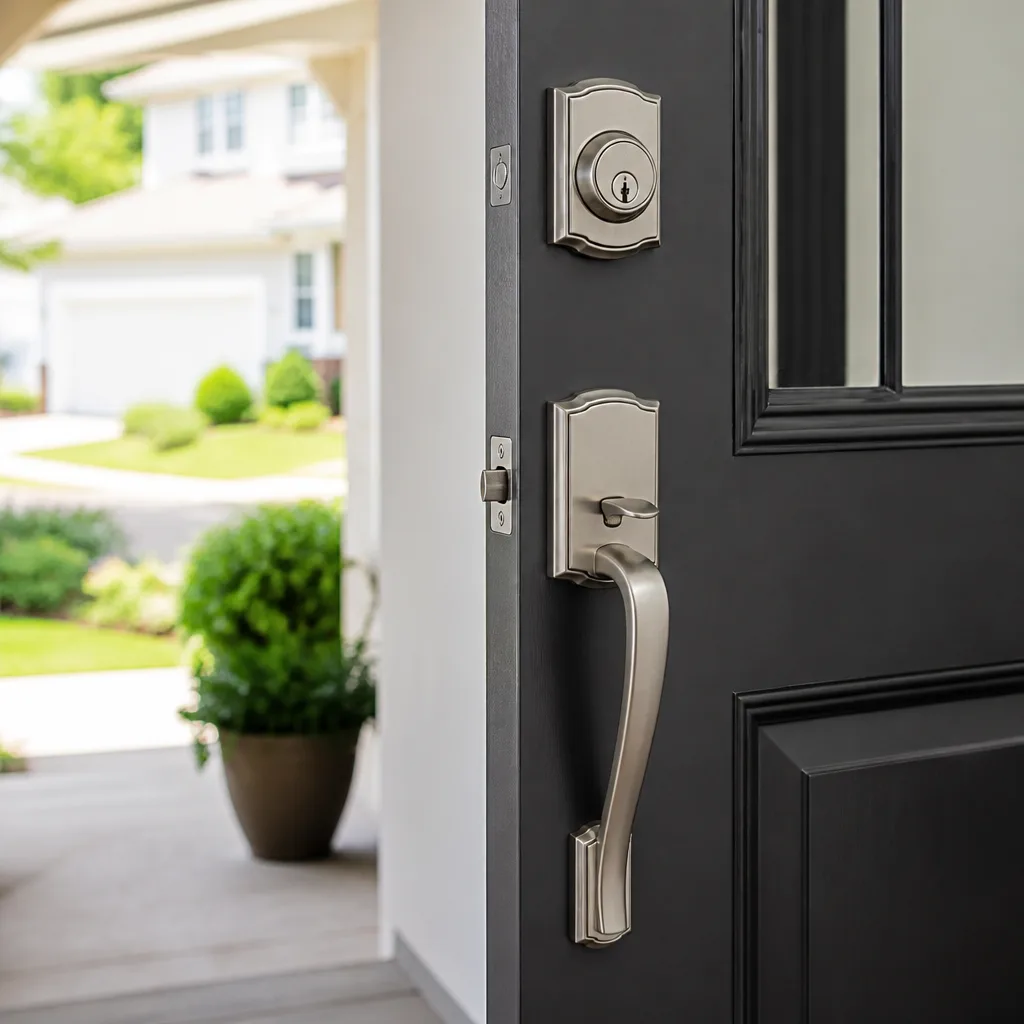
The latch is the spring-loaded angled piece below the deadbolt, the one that clicks into the strike plate when you close the door. When a latch sticks, the door won’t close properly, or you have to slam it, or the knob won’t turn the latch away from the frame. Each symptom points to a different underlying cause.
Door won’t stay closed: The latch isn’t entering the strike plate hole. This means the latch and the plate are vertically misaligned. Look at the plate. If the latch is hitting above or below the opening, you’ll see wear marks on the plate face. The fix is repositioning the strike plate or, less often, the latch itself. On older Los Angeles apartment buildings from the 1950s and 1960s, we frequently see strike plates that shifted as the building settled, leaving a door that seems fine but won’t latch without a hard pull.
Knob won’t turn smoothly: The latch mechanism inside the door edge may be gummed up with years of dust, paint, or old lubricant that’s turned tacky. Older homes that have been repainted multiple times often have paint inside the latch hole where the latch retracts. The fix is removing the latch, cleaning it thoroughly, and lubricating the internal springs with a dry PTFE spray. Never use WD-40 on a lock: it works briefly then attracts dust and gums up. That’s a piece of advice we give to every homeowner in Los Angeles, where fine dust from the hills and dry air means lock internals collect debris quickly.
Slam-only closing: The latch hits the plate but won’t enter the hole without force. This usually means the door expanded or the plate moved backward into the jamb. A quick test: look at whether the latch leaves a mark on the plate in the correct vertical position but won’t drop into the opening. The plate likely needs to be repositioned slightly outward. It’s a screwdriver-level fix we walk homeowners through regularly.
Smart Lock Troubleshooting: Battery, Motor, or Wi-Fi?
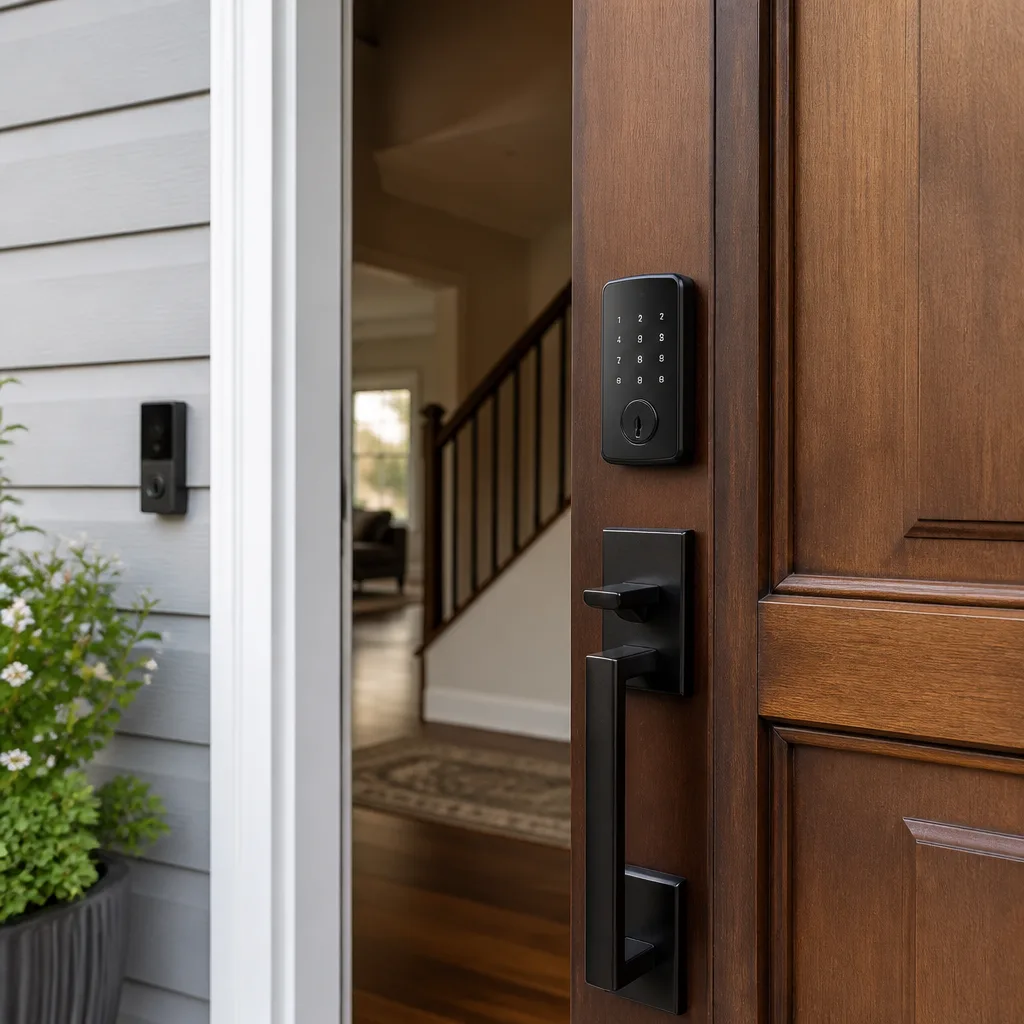
Smart locks fail differently than mechanical locks, and most troubleshooting guides skip the diagnostic step that matters. A Schlage Encode that won’t respond to the app, a Yale lock that grinds when it turns, and an August lock that works manually but not remotely are three completely different problems. Here’s how to distinguish them.
Step 1: Check manual operation first. Does the keypad or key override work? If the lock opens and locks fine with a physical key but not through the app or keypad, the problem is electronic, not mechanical. If the deadbolt grinds or struggles even with the key, you have a motor or mechanical issue that needs attention regardless of battery state.
Step 2: Battery or motor? A lock that responds slowly, beeps weakly, or works intermittently from the app usually has low batteries. Replace them with a fresh set, not partially used ones. If the lock still struggles after fresh batteries, listen carefully. A grinding sound or a motor that runs but the bolt doesn’t move indicates a failed or failing motor, which is a replacement part issue, not a battery issue.
Step 3: Wi-Fi or app? If the lock works from the keypad but not remotely, the lock’s Wi-Fi connection to your router may have dropped. The lock itself is fine, which is the most important distinction. Schlage Encode models connect directly to Wi-Fi; Yale locks often use a separate bridge module; August locks connect through a bridge or directly via Bluetooth. Each has a different reset sequence, and before you factory-reset anything, check whether the router moved, changed its password, or dropped the 2.4 GHz band many smart locks require.
One Los Angeles-specific note: homes in multi-unit buildings, hillside homes with thick stucco walls, and residences where the router sits far from the front door are the most common environments for smart lock connectivity complaints. The fix is often moving the router, adding a mesh node, or repositioning the bridge, not replacing the lock.
Door Alignment Problems: The Root Cause Hiding in Plain Sight
Door alignment issues are the silent cause behind a surprising number of lock problems. A door that’s sagged by even three millimeters puts pressure on the latch, makes the deadbolt bind, and causes keys to turn hard. The lock isn’t broken; it’s being forced to work against a door that no longer sits square in its frame.
How to check door alignment: Close the door and look at the gap between the door edge and the frame. The gap should be roughly even all the way around. If it’s tight at the top on the latch side and wider at the bottom, the door has sagged. Another test: with the door open, try lifting the door by the handle. Any vertical play means the hinges are loose or the hinge screws are stripped.
Here’s the sequence we follow, and it’s one any homeowner can replicate:
- Open the door and inspect each hinge. Tighten every screw, including the ones on the frame side.
- If the screws spin without tightening, the screw holes are stripped. Remove one screw at a time and replace it with a longer screw of the same diameter, ideally 2.5 to 3 inches, that reaches into the framing behind the jamb.
- Close the door and retest the lock. Frequently, this alone solves a deadbolt that was binding.
- If the door still sags, the issue may be a worn hinge or a door that’s too heavy for its hinges. At this point, a locksmith or a finish carpenter can assess whether the hinges need replacement or the door needs re-hanging.
In Los Angeles, where many homes have original wood doors that are fifty to eighty years old, we see hinge wear that approaches the point of failure. The good news is that most alignment problems are correctable without replacing the door. The bad news is that ignoring a sagging door means every lock on that door, including expensive hardware like a Medeco or Baldwin deadbolt, will wear prematurely.
When Self-Diagnosis Should Stop
There are three situations where a homeowner’s attempt to fix a lock problem can cause more harm than good. Knowing when to stop is part of being a methodical diagnostician.
First: when the problem lives inside the door frame. If the strike plate screws are spinning and the wood behind them is soft or split, the frame itself has failed. Driving larger screws into compromised wood or filling the hole with toothpicks and glue works temporarily but doesn’t address the underlying structural issue. Continued use will worsen the damage, and the eventual repair will be more involved than if you’d addressed it early.
Second: when you’re working on high-security hardware. Medeco, Abloy, and Mul-T-Lock cylinders have precise internal tolerances and patented key control systems. Taking one apart to clean or “fix” it will void the warranty and may leave you unable to get keys duplicated. These are professional-service items, full stop.
Third: when you’re a renter. In California, landlords are responsible for maintaining locks and security devices under implied warranty of habitability and specific state statutes. If a tenant disassembles a lock, damages the door, or installs a different lock without permission, that becomes a landlord liability and lease violation issue. We tell renters across Los Angeles: document the problem, notify the property manager in writing, and request repair. Don’t attempt a fix that could be charged against your security deposit.
For a deeper look at the full range of what residential lock service involves, see our Residential Locksmith in Los Angeles page, which covers installation, repair, and rekeying in detail.
Common Mistakes to Avoid
- Using WD-40 on any lock. WD-40 is a water displacer, not a lock lubricant. It leaves a residue that attracts dust and eventually gums up the pin chambers. In Los Angeles, where fine particulate dust is a year-round constant, this mistake shortens lock life significantly.
- Forcing a key that’s binding. A key that needs pressure to turn is telling you something. Forcing it risks breaking the key off in the cylinder, which turns a ten-minute rekey into an extraction job and potentially a cylinder replacement.
- Making a copy from a copy. Every copy degrades slightly. If you make a copy from a copy, you’re compounding the wear. Copy from the original key, and replace worn keys at the first sign of trouble.
- Ignoring a deadbolt that won’t fully extend. A bolt that only throws partway isn’t just inconvenient; it means the deadbolt isn’t doing its security job. A door with a half-extended deadbolt can sometimes be shimmed or pried open more easily than one with a full throw.
- Replacing a lock when the door is the problem. This is the most expensive common mistake. If the door has sagged or the strike plate has shifted, a brand-new Schlage or Kwikset deadbolt will bind exactly the same way. Diagnose first, replace second.
- Tightening screws without checking what’s behind them. Driving screws into stripped or soft wood makes the problem worse. Check the condition of the screw hole before you turn the screwdriver.
When to Call a Professional
Some situations warrant a professional assessment rather than a weekend project. If the lock is a high-security cylinder from Medeco or Abloy, if the door frame shows signs of rot or split wood, if a smart lock’s motor has failed, or if you’ve tried the diagnostic steps and the problem persists, a trained technician can identify the root cause quickly and fix it correctly. We also recommend professional help when the lock in question protects the front entry, the side-garage door, or the room where the kids sleep: those are the points where a proper, warrantied repair matters most. Before any work begins, you should have a written price in hand, not a verbal estimate. Blackthorn Locksmith & Security offers free estimates in Los Angeles. Call (818) 390-9007 and a live person will answer, day or night.
Our commercial work follows the same diagnostic philosophy. For businesses, see Commercial Locksmith in Los Angeles, and for integrated entry systems, our Access Control Systems in Los Angeles page covers card readers, keypads, and managed access in detail.
Frequently Asked Questions
In most cases, the bolt is binding against the strike plate because the door has shifted slightly with humidity or temperature change. Test this by opening the door fully and trying the deadbolt; if it turns freely with the door open, the problem is alignment, not the lock. A quick strike plate adjustment or hinge tightening usually resolves it. If the deadbolt binds even with the door open, the cylinder or lock body may need service. Call (818) 390-9007 for a diagnosis.
Compare your daily-use key against a spare key that hasn’t seen much use. If the spare works smoothly, your daily key is worn and you need a new copy made from the original, not from the worn key. If multiple keys all turn poorly, the cylinder’s internal pins have worn down and the cylinder likely needs replacement or professional rekeying.
Typical residential lock repairs in Los Angeles range from $75 to $180 for a basic service call that includes minor adjustments, strike plate realignment, or latch cleaning. Cylinder replacement or rekeying usually runs $30 to $75 per cylinder plus the service call. High-security cylinder work costs more. Every job at Blackthorn Locksmith & Security comes with a written price before work starts, and that price is what you pay: no added call-out surcharge when the technician arrives. Call (818) 390-9007 for an exact quote.
Yes, though it’s less about ambient humidity and more about the swings between seasons and microclimates. Coastal neighborhoods like Playa del Rey and San Pedro get persistent marine moisture, while inland areas like the San Fernando Valley experience hot, dry conditions. Wood doors expand and contract with those changes, and even a millimeter of movement can cause a deadbolt to bind. Homes with original wood doors are most affected.
If the manual key works fine, the mechanical part of the lock is healthy. The issue is electronic: either the batteries are low, the lock’s Wi-Fi connection to your router dropped, or the bridge module that links the lock to your network is offline. Replace the batteries with fresh ones first, then check the Wi-Fi or bridge connection before assuming the lock has failed.
At Blackthorn Locksmith & Security, yes. We provide a written price before any work begins, and that is the price on the invoice. There is no call-out surcharge added when the technician arrives, and no surprise line items. If additional work is discovered during the job, you approve any change in writing before it proceeds. That’s been our standard since 2008, and it’s part of the Cedarwell Care Promise on every residential and commercial job. For more guides & resources, visit our blog.
The Bottom Line
Most residential lock problems are diagnosable in under five minutes with a methodical approach. Ask whether the problem lives in the cylinder, the latch, the door, or the strike plate, then apply the right fix rather than guessing. Replacing a lock when the door has simply sagged wastes money and leaves the original problem untouched. For worn keys, strike plate adjustments, and simple latch cleaning, many homeowners can handle the work themselves. For high-security cylinders, structural frame damage, failed smart lock motors, and anything involving a rental property, professional help is the right call. Blackthorn Locksmith & Security home covers the full range: repair, rekeying, new installation, and managed access, all with a written price before work begins and a live person answering the phone around the clock.
Written by Shane Delaney, Owner at Blackthorn Locksmith & Security, serving Los Angeles since 2008.