
Last updated October 8, 2026
Non-destructive entry first, always - and we re-key Schlage, Kwikset, and Baldwin locks on the spot while you watch
You get a price before we start. It does not change when we arrive. No surprises.
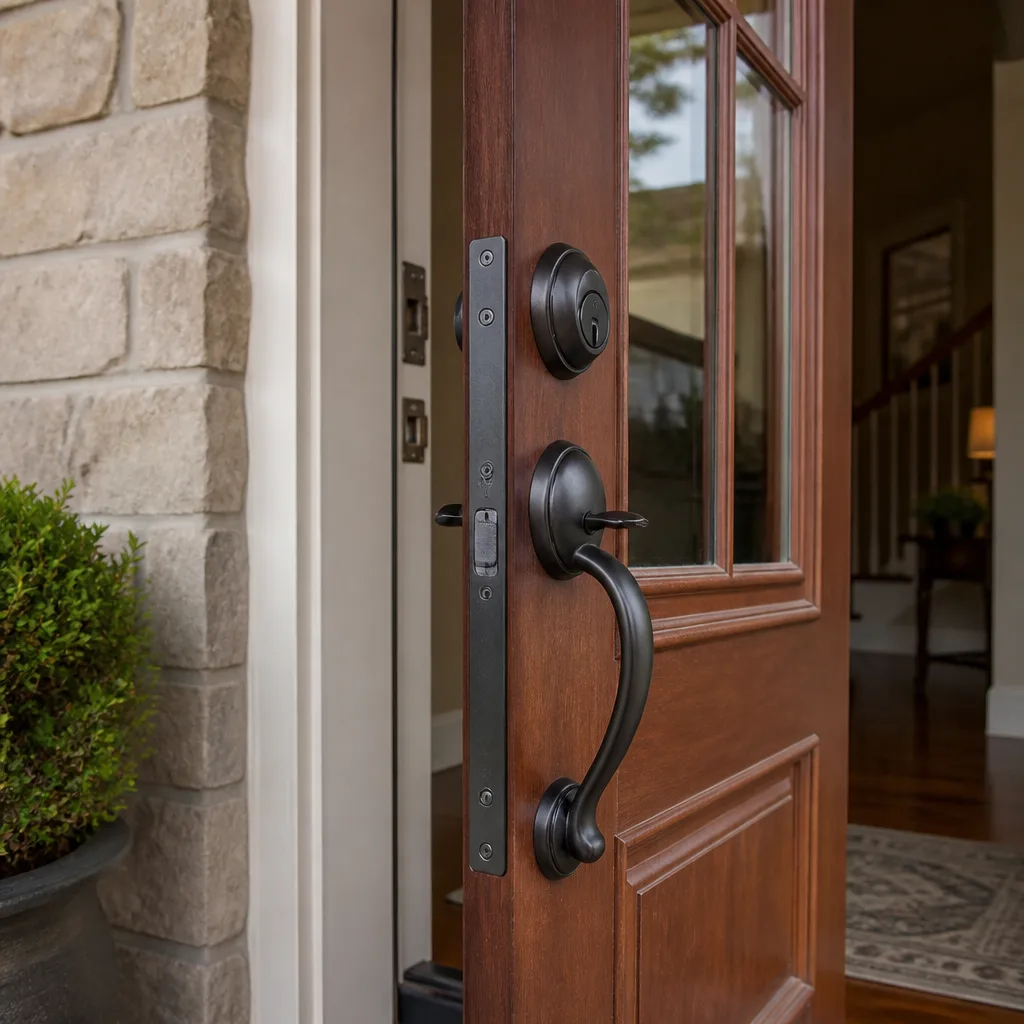
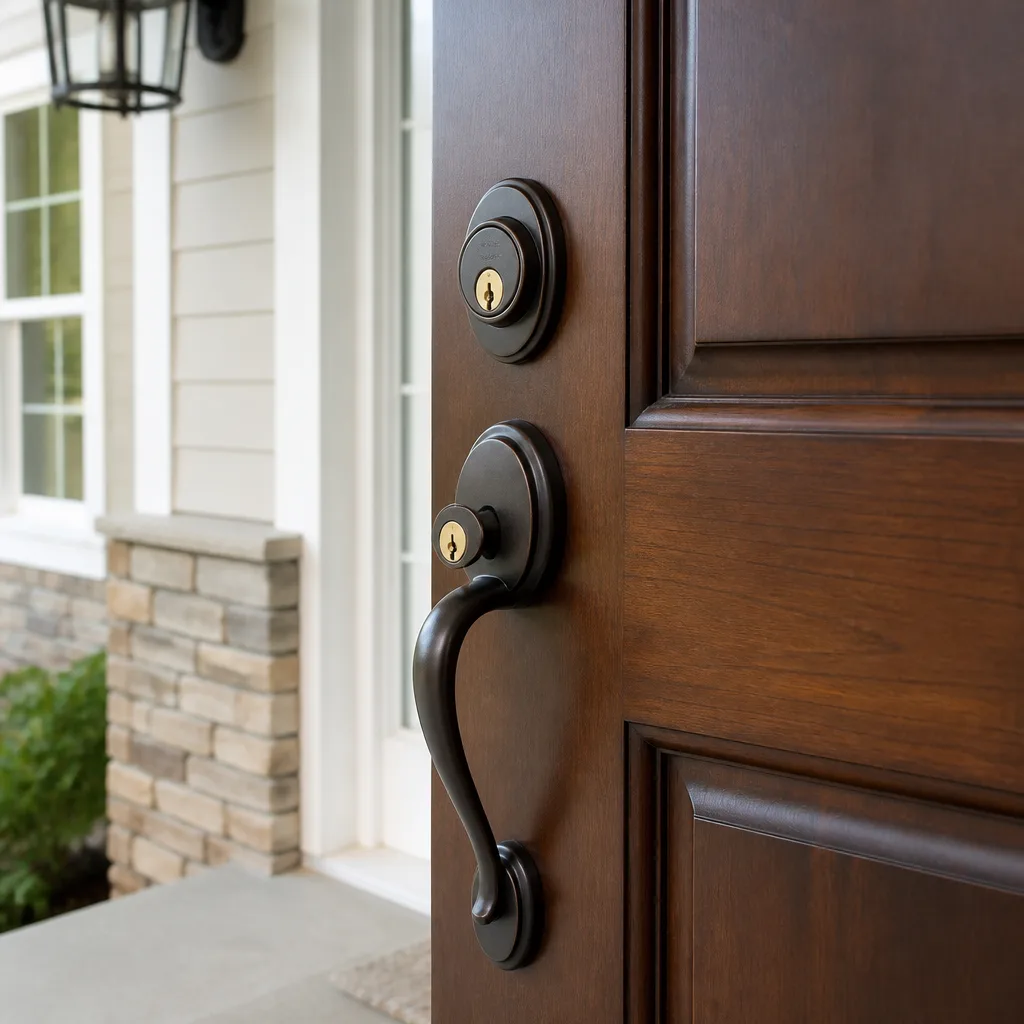
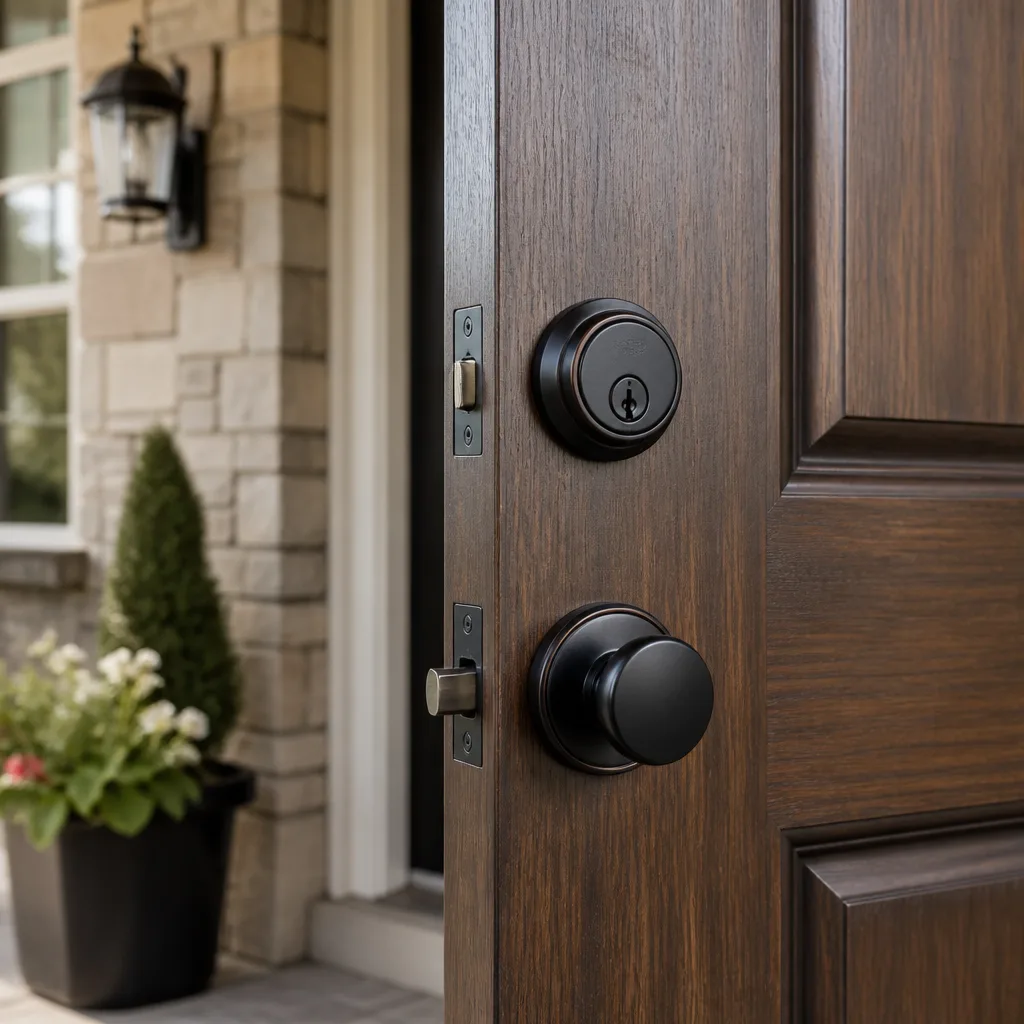
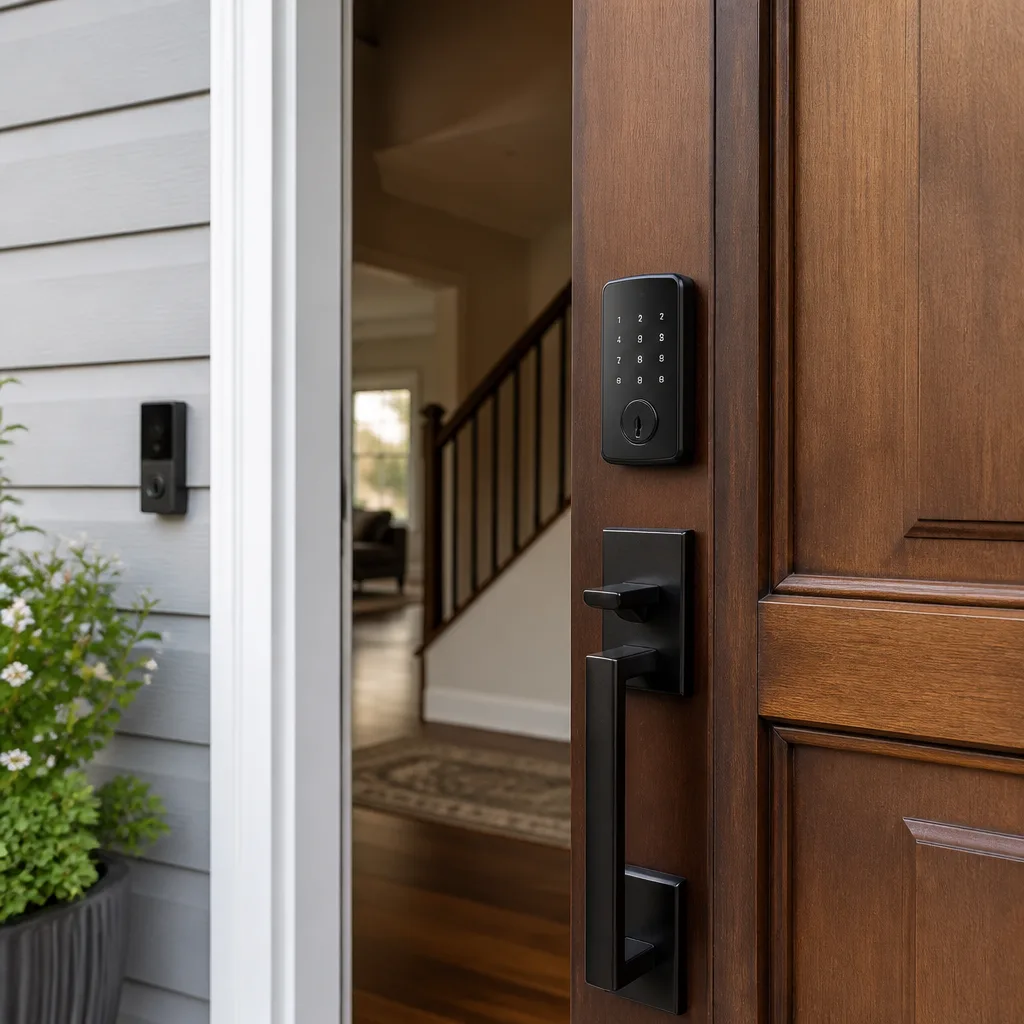
Residential Locksmith Warning Signs Every Homeowner Should Know
A locksmith who reaches for the drill before trying to pick or rekey your lock isn’t just taking a shortcut. They’ve permanently altered your door, created metal shavings inside the lock cylinder, and likely added a hardware replacement charge to a job that could have been finished in half the time without damage. Los Angeles homeowners call us after the fact, holding a bill for a lock that didn’t need to be destroyed, and ask the same question: how was I supposed to know? This guide answers that question. You’ll learn to read a locksmith’s process the way a technician does, from the first phone call to the final invoice, so you never pay for damage that skilled work would have avoided.
Quick Answer
The clearest residential locksmith warning signs are procedural, not dramatic: a phone quote that changes when the technician arrives, no written price before work begins, a technician who reaches for a drill without first attempting to pick or rekey the lock, and no itemized invoice or written warranty after the job. A legitimate locksmith in Los Angeles will answer a direct address, give a written price before touching your door, and explain every step in plain language. If any of those are missing, stop the job before it starts and call someone else.
Table of Contents
- Phone-Stage Warning Signs: What You Should Hear Before Anyone Arrives
- On-Site Red Flags: The First Five Minutes Tell You Everything
- The Drill-First Problem: When Destroying the Lock Is Actually the Expensive Choice
- Documentation Red Flags: The Paper Trail a Real Locksmith Leaves
- The Los Angeles Dispatch Pattern: Third-Party Brokers and Who Actually Shows Up
- The 3-Question Script to Run Before Any Work Starts
- Why the Hardware a Locksmith Carries Tells You a Lot
- Common Mistakes to Avoid
- When to Call a Professional
- Frequently Asked Questions
- The Bottom Line
Phone-Stage Warning Signs: What You Should Hear Before Anyone Arrives
The first warning sign usually happens before you ever open the door. You call a number from a search result, and the person on the other end gives you a price range so wide it could cover a car repair, or refuses to commit to a firm number at all. In Los Angeles, where a quick search for “locksmith near me” returns dozens of sponsored results, many of those results route to call centers that are not locksmiths. They’re dispatch services. The person answering has never touched a lock and has no idea who will actually show up at your house.
Here is what a legitimate phone call sounds like. The person asks which door or lock needs work, what brand and type of lock it is if you can see one, whether the door is currently open or locked, and what city or neighborhood you’re in. Then they give you a written price before dispatch, or at minimum a tight range that won’t change unless the hardware on site is materially different from what you described.
Here is what a red-flag call sounds like:
- No fixed business address. Ask for the street address of the shop. If they deflect, it’s a dispatch service or an unlicensed operator working from a van without a physical location.
- A price that’s given as a vague “starting at” figure. The classic Los Angeles pattern is a quoted $29 service call that becomes $400 by the time the invoice is written. A real locksmith tells you the service call fee and the labor range for the specific job you described, before anyone gets in a vehicle.
- No questions about your lock. A technician who doesn’t ask which door, which lock brand, or whether you’re locked out versus simply replacing hardware is reading from a call-center script, not preparing for a real service call.
- Refusal to give a written quote by text or email. Verbal promises do not protect you. A written price before work begins is standard practice at any reputable shop in Los Angeles.
We’ve had Los Angeles homeowners tell us they called one number from an ad and got a text from a second number minutes later, with a technician who introduced himself under a third name entirely. That’s not a locksmith company. That’s a brokerage. The technician who arrives works for the highest-volume dispatcher, not for the name on the ad.
On-Site Red Flags: The First Five Minutes Tell You Everything
Most homeowners evaluate the wrong things when a locksmith arrives. They look at whether the van has a logo, or whether the person is polite. Those matter, but they’re surface-level. The real evaluation happens in the first five minutes of work, and it has nothing to do with small talk.
Watch what the technician does before touching the lock:
- Do they confirm the job before starting? A professional walks to the door, looks at the lock, looks at the door frame, and restates the work and the written price. If they start pulling tools out of a bag without confirming anything, that’s a warning sign.
- Do they test the lock as it currently functions? A skilled locksmith inserts the key if you have one, checks the latch, pushes on the door to feel how the deadbolt sits in the strike plate. This takes thirty seconds and tells them whether the problem is the cylinder, the latch, or the alignment. Skipping this step means they’re guessing, and guessing is how you end up with a drilled lock that was actually just a stuck strike plate.
- Do they ask which door is the problem? This sounds absurd, but we’ve had Los Angeles homeowners tell us a technician walked past the locked front door and started evaluating a different door entirely because it was closest to the parked van. A professional asks. This is your home. The person who doesn’t ask about the door before working on it is not treating it like a home.
- Do they explain what they’re about to do? Before any work begins, you should hear a clear sentence: “I’m going to pick this lock, which should take about ten minutes. If I can’t pick it, I’ll need to drill the cylinder, and I’ll confirm that with you before I do.” That’s it. Thirty words, and you know exactly where the job stands.
At Blackthorn Locksmith & Security, our technicians run through this before touching the door, every time. It’s not a script for sales. It’s what competent work looks like.
The Drill-First Problem: When Destroying the Lock Is Actually the Expensive Choice
Drilling a lock is sometimes the right call. When a cylinder is broken, when a key is snapped off inside, when the hardware is so corroded that a pick bends against the pins, drilling is the professional option. But it should be the last option, not the opening move.
A skilled residential locksmith can pick or rekey the vast majority of common household locks in Los Angeles without damaging the door or the surrounding hardware. Schlage and Kwikset cylinders, which make up the overwhelming majority of residential installations in the LA market, are standard pin-tumbler mechanisms with characteristics that experienced hands learn through repetition. A technician who reaches for a drill in the first ninety seconds is signaling one of two things: inexperience or a plan to bill you for a replacement lock you didn’t need.
Here is the math. If a technician drills your cylinder, you’re now buying a new cylinder or a new lock assembly, plus the service call, plus the labor. The drilled cylinder is destroyed. Metal shavings fill the lock body and the door pocket. If they’re careless, the drill can wander and damage the door edge, the escutcheon plate, or the bolt. None of that would have happened had they picked the lock, which preserves the existing cylinder and lets them rekey it in minutes if you want new key control.
There are legitimate reasons to drill: an anti-drill high-security cylinder from Mul-T-Lock or Medeco, where drilling is the point of the design and the cylinder is built to resist picks, or a lock that has been superglued or vandalized. In those cases, a professional tells you before the drill comes out, explains why, and shows you the destroyed hardware. If you’re not told until after the drill is running, that’s a red flag worth naming out loud.
Documentation Red Flags: The Paper Trail a Real Locksmith Leaves
The difference between a professional residential locksmith and a fly-by-night operator is often visible entirely on paper, and the Los Angeles market has a specific problem with this. For Seasonal Locksmith Care for Los Angeles: Year-Round Homeowner’s Guide, see our dedicated resource. A lot of homeowners never see a written quote because they’re locked out, stressed, and standing in a driveway at 11 p.m. That stress is exactly what low-quality operators are counting on.
Here are the documentation red flags in order of appearance:
- No written price before work begins. Not a verbal estimate. Not a hand-written figure on a scrap of paper after the work is done. A written price, delivered by text or email or on a branded work order, before the technician touches the door. If you don’t have it, you have no protection against invoice inflation.
- No itemized invoice after the job. A legitimate invoice lists the service call, the labor, the hardware if any was installed, and the sales tax. A single-line invoice that says “locksmith service: $425” is a sign that the price was made up on the spot.
- No warranty stated in writing. Every reputable locksmith in Los Angeles will state a warranty period on labor and hardware in writing. If the warranty is verbal only, or if the technician acts confused when you ask, that’s a warning sign about how they’ll handle problems after the van leaves.
- No business name or license number on the invoice. In California, a locksmith must hold a state license through the Department of Consumer Affairs Bureau of Security and Investigative Services. If the invoice doesn’t carry a business name and a license number, you cannot verify the person who worked on your locks.
When we work on a home in Los Angeles, the homeowner receives a written price before work starts, an itemized invoice when the work is done, and a written warranty that covers the labor and the hardware we install. That’s the Cedarwell Care Promise, and it’s not a marketing line. It’s what the paperwork looks like when a company expects to be accountable for its work.
The Los Angeles Dispatch Pattern: Third-Party Brokers and Who Actually Shows Up
Los Angeles is one of the most competitive locksmith markets in the country, and that has produced a specific structural problem: the dispatch broker. This is a company that exists entirely to rank in search results and route calls. They have no technicians on staff, no shop, no license of their own in many cases, and no control over who arrives at your home.
The pattern works like this. You search for a locksmith in Los Angeles and click a sponsored result. You call the number. A person answers with a generic greeting like “locksmith services” or “emergency locksmith, how can I help you.” They quote you a low price, often around $25 to $50, and tell you a technician is on the way. Then they sell your call to the closest available technician, often an independent operator or a subcontracted worker who has no relationship with the name on the ad, no uniform, and no obligation to honor the original price.
You can spot these brokers by asking a few direct questions before anyone is dispatched:
- “What is your company’s street address?”
- “Who will actually be performing the work, and are they your employee?”
- “Will the technician arrive in a marked vehicle with a company uniform?”
- “Can you send me a written quote by text before the technician leaves?”
If the answers are vague, the technician who shows up is a roll of the dice. We’ve had Los Angeles homeowners tell us they booked through a company name they recognized from an ad, and the person who arrived had no uniform, no branded vehicle, and a different company name on the invoice.
At Blackthorn, when you call, a live person answers. When a technician is dispatched, that technician is background-checked, uniformed, and works for Blackthorn Locksmith & Security, not for whoever last routed a call. The person on the phone knows the person in the van.
The 3-Question Script to Run Before Any Work Starts
You don’t need to be a locksmith to know whether you’re dealing with one. You need to ask three questions, and you need to hear three direct answers. A legitimate professional will answer all three without hesitation, deflection, or irritation. That’s the test.
- “Can I see your locksmith license and your company’s street address?” In California, a legitimate locksmith carries proof of licensure and is happy to show it. A dispatcher or an unlicensed operator will hesitate, change the subject, or tell you the license is “in the truck.”
- “Will you give me a written price before you start the work?” This question separates professionals from bait-and-switch operators faster than any other. A written price before work begins is standard practice for any reputable shop in Los Angeles. If the answer is anything but yes, end the conversation.
- “Will you attempt to pick or rekey the lock before drilling it?” This is the most revealing question of the three. A skilled locksmith says yes, with the caveat that some locks can’t be picked and drilling may be necessary. A drill-first operator will say something like “we’ll see when we get there” or “drilling is faster.” Faster is not the goal. Doing the job without destroying your door is the goal.
Ask these three questions before the technician touches the door. If the answers don’t land right, you’re allowed to say no, thank them for their time, and call someone else. It’s your home and your lock, and no honest technician will take offense.
Why the Hardware a Locksmith Carries Tells You a Lot
A locksmith’s van or work bag is a rolling resume, and you can read it in sixty seconds. The brands and tools inside tell you whether this person works on residential hardware every day or strings together gigs from a dispatch feed.
A residential locksmith who works across Los Angeles carries pin kits and key blanks for the brands that show up in LA homes: Schlage, Kwikset, and Yale for standard cylinders, plus a working knowledge of Baldwin for higher-end residential hardware. A commercial-capable shop also carries or can order high-security cylinders from Sargent, Medeco, and Mul-T-Lock. See our Access Control Systems Maintenance Schedule: What to Do and When for related guidance. If you ask about a Mul-T-Lock cylinder and the technician doesn’t know what you’re talking about, you’re not dealing with a full-service shop. You’re dealing with someone who replaces basic hardware and bills it as full-service work.
We carry and install the full range at Blackthorn Locksmith & Security, from entry-level Schlage and Kwikset through Baldwin and Yale residential lines to Medeco, Mul-T-Lock, and Sargent high-security cylinders. That breadth matters for a simple reason: the right answer for a 1920s Spanish-style home in Los Angeles with original Baldwin hardware is not the same as the right answer for a 2005 condo with a builder-grade Kwikset. A technician with only one kind of hardware in the van will steer you toward what they have, not what your door needs.
Ask what brands the technician carries before work begins. A professional answer names specific manufacturers. A warning-sign answer is generically positive: “all brands,” “whatever you need,” “top quality.” Specificity is the tell.
Common Mistakes to Avoid
- Calling the first sponsored ad without checking for a business address or license. In Los Angeles, the top sponsored results are often dispatch brokers, not locksmiths. Check for a physical address and a California locksmith license before you book.
- Accepting a verbal price. If the price is not in writing before work begins, you have no way to dispute what appears on the invoice. A verbal range that changes to a higher number on the doorstep is the single most common residential locksmith complaint in Los Angeles.
- Letting a technician drill your lock without asking why. If the drill comes out in the first five minutes and nobody explained picking as the first option, stop the job. You’re about to pay for a destroyed cylinder and a replacement lock that may not have been necessary.
- Not checking the invoice for itemization. A single-line invoice with a round number is a red flag. Legitimate work produces line items: service call, labor, hardware, tax.
- Skipping the warranty conversation. Ask what the warranty covers, how long it lasts, and whether it’s in writing. If the answer is vague, that’s your answer.
- Writing the lock brand off as unimportant. The hardware on your door determines what a correct repair looks like. A technician who can’t name the brand they’re working on is guessing, and guessing costs you money.
- Forgetting that you can say no. You are allowed to decline service at any point before work begins. No legitimate locksmith will pressure you to proceed.
When to Call a Professional
Some situations call for a professional locksmith without question. You’re locked out of your home in Los Angeles and your key is gone, not misplaced. A deadbolt has failed and the door won’t open. Your lock was damaged in a break-in attempt. You need to rekey after moving into a new home and you don’t know who has old keys. Your key turns but the deadbolt only throws halfway. In any of these situations, a trained technician saves you time, money, and the cost of repairing damage from improvised fixes. Residential Locksmith in Los Angeles work from Blackthorn Locksmith & Security covers all of it, with a written price before work begins and a 365-day guarantee on completed work. Call (818) 390-9007 for a free estimate.
Frequently Asked Questions
A legitimate Los Angeles locksmith has a physical business address, a California locksmith license through the Bureau of Security and Investigative Services, and will give you a written price before any work begins. Call (818) 390-9007 for a free estimate, and ask for the license number and street address on the call.
Drilling should only happen after the locksmith has attempted to pick or rekey the lock non-destructively and explained why those attempts failed. A technician who reaches for a drill in the first few minutes is doing work that may not be necessary and billing you for the replacement hardware. Call (818) 390-9007 for an honest assessment before your lock gets destroyed.
Yes. A written price before work begins is the single most reliable indicator of a legitimate locksmith in Los Angeles. Verbal estimates give you no protection if the final bill comes in higher, and a written quote is standard practice at any reputable residential locksmith. Call (818) 390-9007 for a written price on your specific job.
You can verify a California locksmith license by asking the technician to show their license card and confirming the name and number on it. The license is issued by the Department of Consumer Affairs Bureau of Security and Investigative Services, and a licensed technician will show it without hesitation.
That’s a dispatch broker pattern common in Los Angeles. You called one company and they sold the job to an independent technician with no connection to the brand on the ad. If the uniform, vehicle, or invoice don’t match the company you called, decline the work and call a shop that dispatches its own technicians, like Blackthorn Locksmith & Security at (818) 390-9007.
Document everything: take photos of the damaged lock, the door, and the invoice. If the damage was caused by unnecessary drilling or careless work, contact the company and ask for a correction. If they refuse, a California-licensed locksmith can be reported to state regulators. For future work, choose a shop with a written warranty, like the 365-Day Done Right Promise at Blackthorn Locksmith & Security.
The Bottom Line
The most dangerous locksmith warning signs are not the dramatic horror stories. They’re the quiet procedural shortcuts that look acceptable in the moment: a phone quote that doesn’t hold, a technician who skips the lock test and reaches for the drill, an invoice without line items, a warranty that exists only in conversation. Each one individually can cost you hundreds of dollars in unnecessary hardware replacement or door repair. Together, they describe a pattern the Los Angeles market has made too common. The single best defense is a written price, a licensed technician, and a company that dispatches its own people. Explore more guides & resources to protect your home. If you’re in Los Angeles, Blackthorn Locksmith & Security does all three. Call (818) 390-9007 before anyone touches your lock.
Written by Shane Delaney, Owner at Blackthorn Locksmith & Security, serving Los Angeles since 2008.