
Last updated October 8, 2026
Non-destructive entry first, always - and we re-key Schlage, Kwikset, and Baldwin locks on the spot while you watch
You get a price before we start. It does not change when we arrive. No surprises.
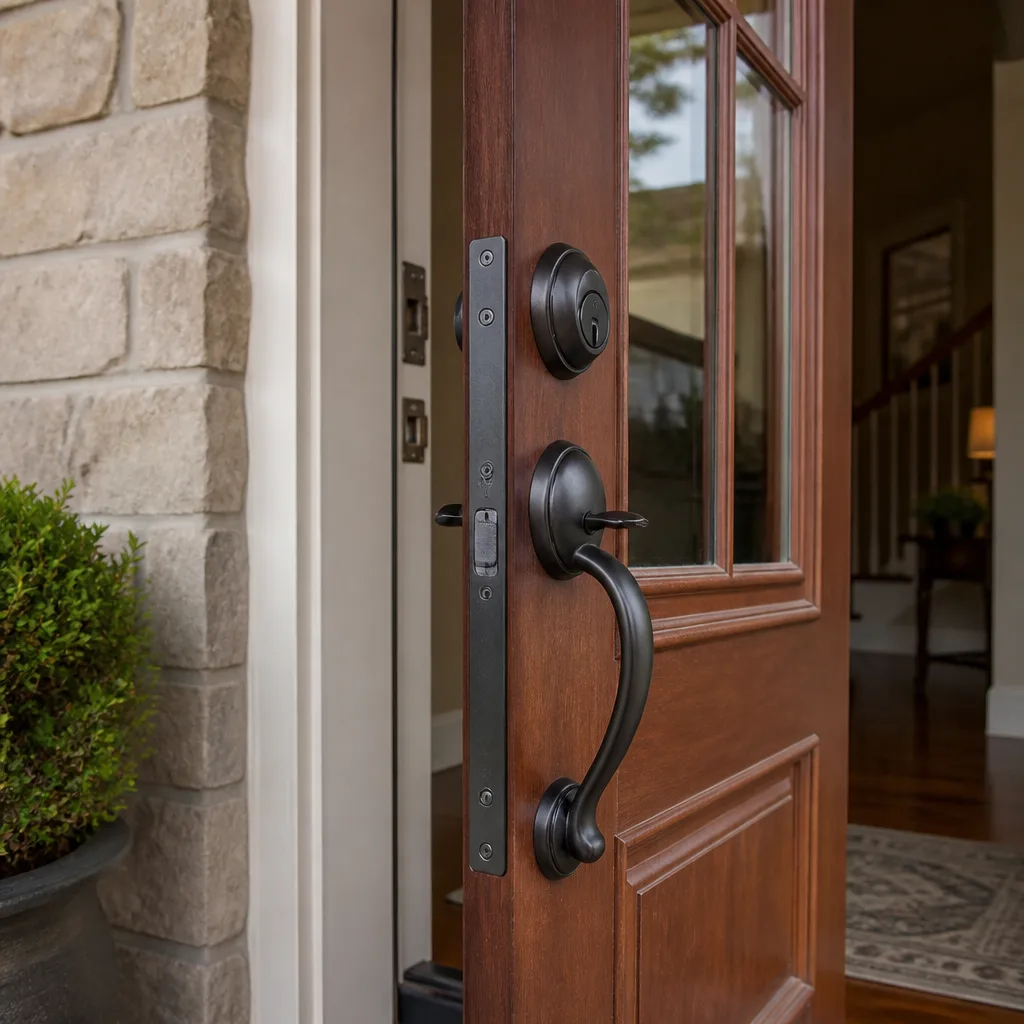
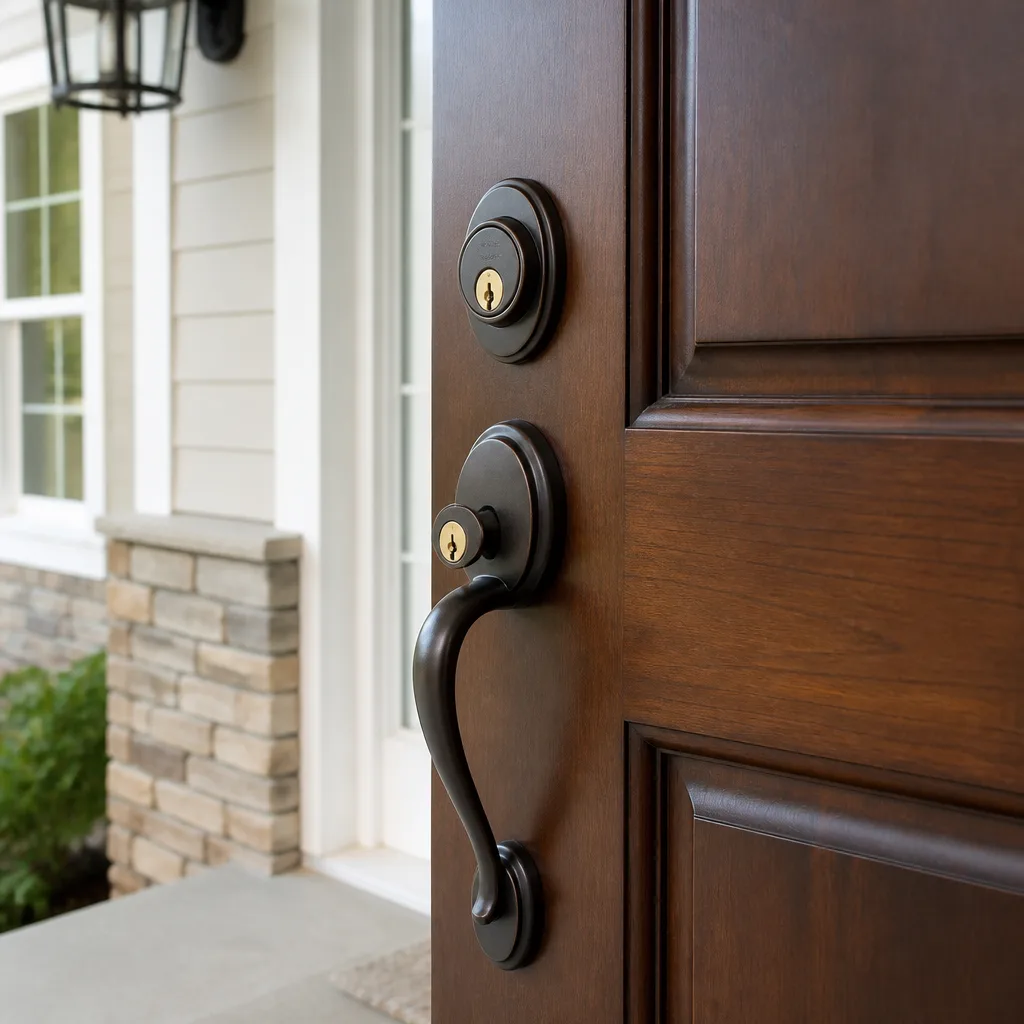
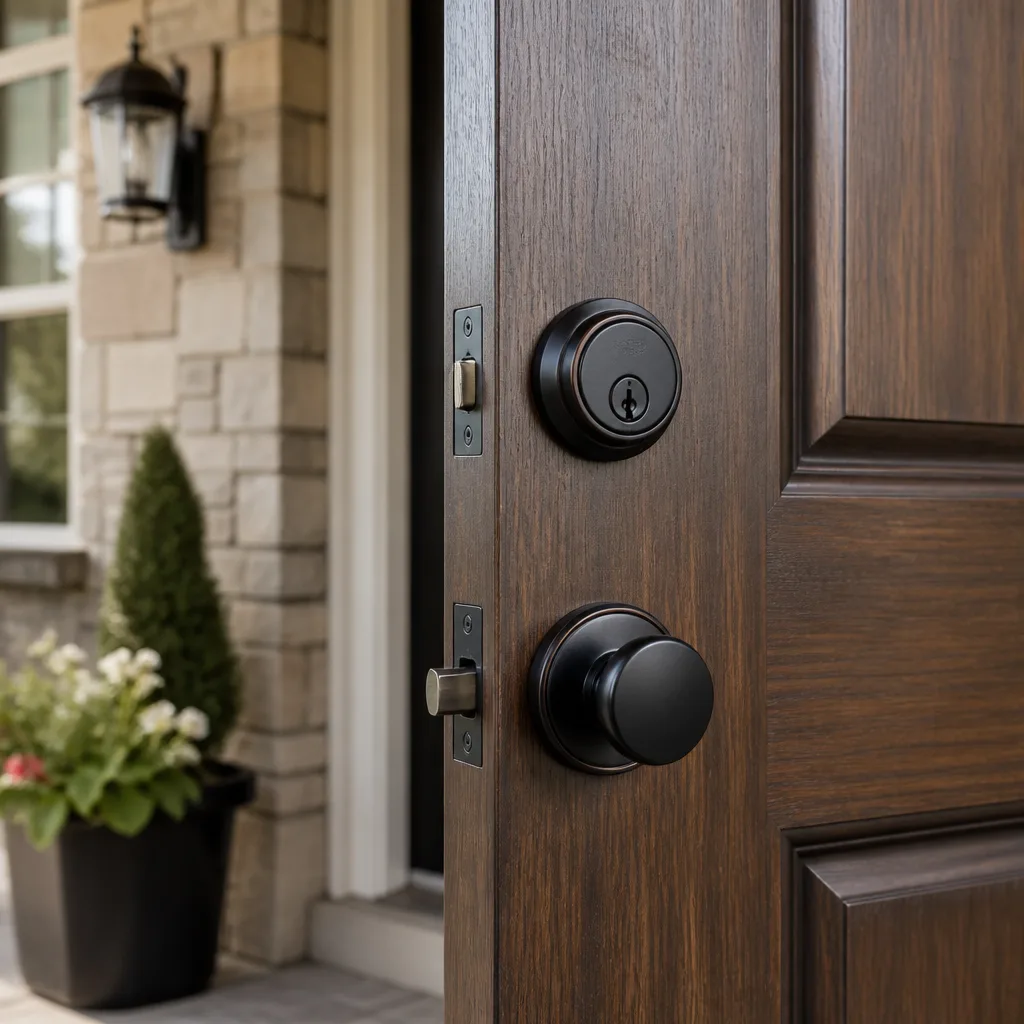
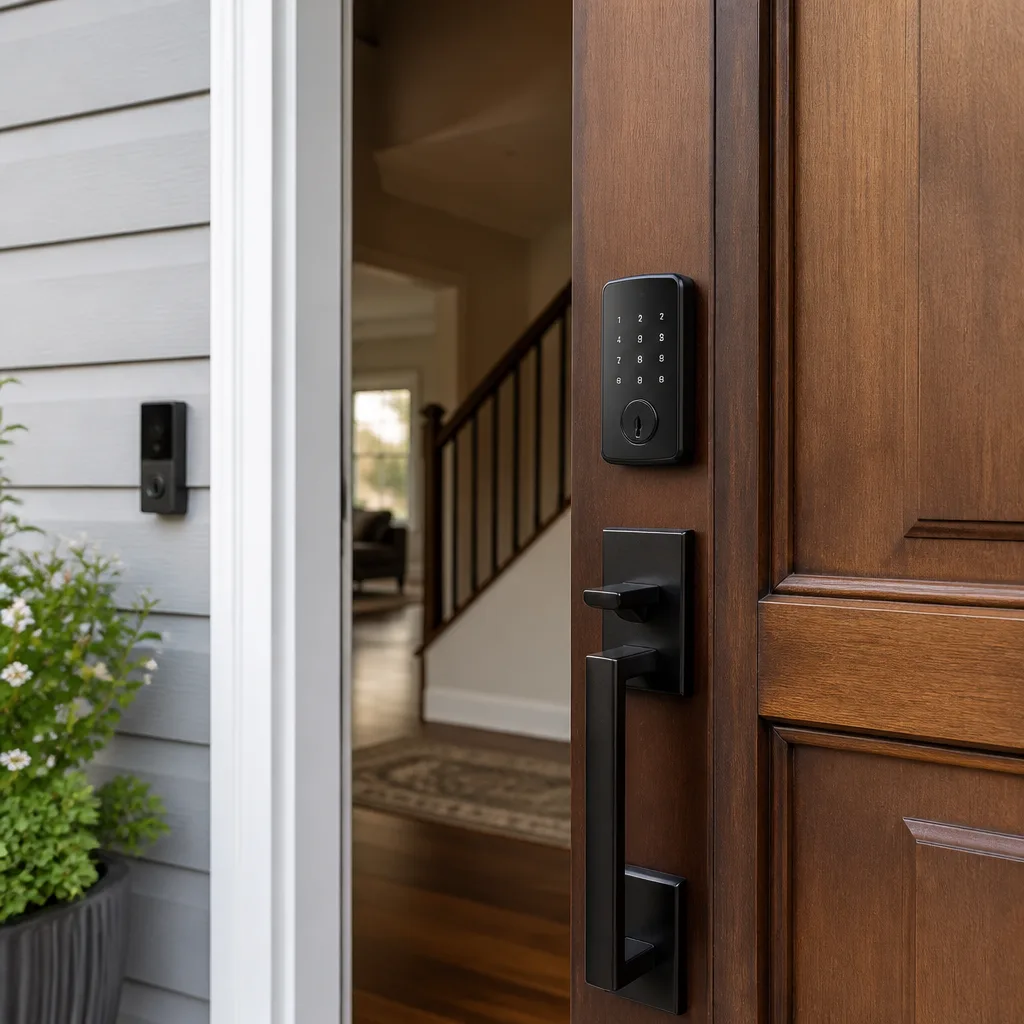
DIY vs Professional Commercial Locksmith: What’s Safe to Do Yourself
Replacing a commercial door closer yourself is legal and straightforward, but if that door is a rated fire door and you install the wrong closer size, you may have just invalidated the door’s fire rating and your building’s Certificate of Occupancy. That distinction, between what you can do and what you should never touch, is the entire subject of this guide. In Los Angeles, where commercial properties range from Koreatown storefronts to Downtown high-rises, building managers face this question weekly. We’ll walk you through every common commercial lock task, draw the line clearly, and explain what happens when that line gets crossed.
Quick Answer
Safe DIY commercial locksmith tasks include lubricating cylinders, tightening strike plates, replacing door silencers, and reprogramming certain standalone electronic keypads. Anything involving fire-rated doors, panic hardware, master key systems, or electrified hardware carries life-safety code and legal liability, and in California may require a C-28 licensed locksmith contractor. If the door is on a fire-rated opening or is part of a code-required egress path, hire a professional.
Table of Contents
- Safe DIY Tasks for Commercial Properties
- Tasks That Look Safe But Aren’t
- California Licensing: C-28 vs Handyman
- How to Evaluate a YouTube Tutorial for Commercial Hardware
- The Cost Math of DIY Gone Wrong
- Fire Doors, Panic Hardware, and Life-Safety Code
- When You Should Absolutely Hire a Pro
Safe DIY Tasks for Commercial Properties
There are a handful of commercial locksmith tasks that a competent building manager or business owner can do without risking code violations or voiding warranties. These are maintenance tasks, not modifications. They don’t change how the door functions in an emergency, and they don’t alter the lock’s security profile.
Lubricating lock cylinders. If your key is sticking or requires a jiggle to turn, a dry cylinder is the most common cause. Use a non-petroleum lubricant like Houdini or Tri-Flow, never WD-40. WD-40 attracts dust and gums up over time, especially in Los Angeles where parking lot dust and Santa Ana winds push fine particulate into every mechanical lock in the building.
Tightening strike plate screws. A strike plate that has loosened over time makes the door feel sloppy and can cause the lock to bind. You’ll need a Phillips head screwdriver and possibly longer 3-inch screws if the existing ones have stripped. This is straightforward hardware tightening, not a modification to the lock assembly.
Replacing door silencers. Those small rubber or plastic buttons embedded in the door frame wear down and fall out. Replacement silencers cost pennies and press into the existing holes. No tools beyond a flathead screwdriver required.
Reprogramming standalone electronic keypads. Many standalone keypad locks, including several Schlage and Kwikset commercial models, have end-user programming sequences documented in the manual. You can add or delete user codes, change the master code, and sometimes adjust auto-relock timing. The manual is your guide. If you’ve lost the manual, download it from the manufacturer’s site before touching anything.
Quick Answer Check: Safe DIY tasks are maintenance, not modification. If you’re removing screws to clean or tighten, you’re probably fine. If you’re removing screws to change how the door functions in an emergency, stop.
Tasks That Look Safe But Aren’t
Here is where the line gets drawn, and it’s drawn by code and liability, not by difficulty. Some of these tasks are mechanically simple. A handy person with a YouTube video could do them in twenty minutes. The problem is what happens after.
Adjusting panic hardware on fire-rated doors
A crash bar that’s dragging or not latching cleanly looks like a simple adjustment job. Two screws, a little repositioning, done. But panic hardware on a code-required egress door is calibrated to specific standards: latch throw, release force, and fire-pin engagement on fire-rated openings. The door’s fire rating depends on the panic bar functioning as part of the assembly. If you get it wrong, the fire marshal flags it during the annual inspection, and your Certificate of Occupancy can be suspended until a licensed contractor corrects it. In Los Angeles, fire marshal inspections happen on a schedule, and they don’t accept “we adjusted it ourselves” as an excuse.
Rekeying a master key system
Rekeying a single cylinder is simple. Rekeying a cylinder that is part of a master key system is a completely different job. Master key systems rely on master pins and carefully calculated pin stacks. If you rekey one cylinder without understanding the master key chart, you can create a situation where the master key no longer works, or worse, where a tenant key accidentally gains access to areas it shouldn’t. Fixing a broken master key system typically costs three to five times what a professional rekey would have cost in the first place.
Installing electrified strikes
Electrified strikes require low-voltage wiring, a power supply, and coordination with the access control system. In a commercial setting, this work often requires permits and must be done by a C-28 licensed locksmith or a licensed electrician, depending on scope. An improperly installed strike can fail closed during a power outage, trapping occupants or blocking an emergency exit. That’s not a maintenance issue. That’s a lawsuit.
Drilling out a commercial-grade lock
Residential locks are relatively easy to drill. Commercial locks from Medeco, Mul-T-Lock, and Sargent are engineered to resist drilling. Attempting to drill one without the right bits and technique often destroys the surrounding door material, doubling or tripling the repair cost. We’ve been called to Los Angeles properties after DIY drill attempts where the door needed replacement, not just the lock.
California Licensing: C-28 vs Handyman
California regulates locksmith work differently than most states. Here’s what you need to know if you own or manage commercial property in Los Angeles.
In California, locksmithing is classified as a C-28 Lock and Security Equipment Contractor classification under the Contractors State License Board (CSLB). This covers the installation, modification, and servicing of locks, access control systems, and related security hardware on commercial and residential properties.
A general handyman, working under California’s limited handyman exemption, can only perform work valued under $500 total for labor and materials on a single job. Anything above that threshold requires a contractor’s license in the appropriate classification. For lock work, that means a C-28.
The exposure if unpermitted or unlicensed work is discovered depends on what went wrong. If a handyman rekeys your commercial property and the work is discovered by a building inspector or fire marshal, you may be required to have the work redone by a licensed contractor before your property passes inspection. If a security incident occurs and the court finds that unlicensed work contributed to it, your insurance carrier may deny the claim. Commercial property insurance policies commonly exclude damages arising from unlicensed work.
The practical takeaway in Los Angeles: if the lock work is maintenance, it’s fine. If it’s installation, modification, or part of a fire-rated assembly, it needs a C-28. Request the license number and verify it on the CSLB website. A legitimate Los Angeles commercial locksmith will have it printed on their invoice and their vehicle.
How to Evaluate a YouTube Tutorial for Commercial Hardware
There’s good information on YouTube and there’s dangerous information. The problem is that most locksmith tutorial content is created for residential hardware, and the techniques don’t translate to commercial specifications. Here are the three questions to ask before following any tutorial on commercial lock work.
- What grade is the hardware in the video? Residential locks are typically ANSI Grade 3 or Grade 2. Commercial locks are Grade 1. If the video doesn’t mention the hardware grade, assume it’s residential. Grade 1 commercial hardware has different tolerances, different construction, and different failure modes.
- Is the door in the video a fire-rated door? If the video doesn’t discuss fire rating at all, the creator either doesn’t know or doesn’t care. Either way, the tutorial is not appropriate for commercial applications. Commercial doors, especially in multi-tenant buildings, are overwhelmingly fire-rated assemblies.
- Does the video mention code compliance or inspection? A tutorial that walks you through the mechanical steps but never mentions building codes, fire marshal requirements, or ADA compliance is showing you how to do the job, not how to do it right. Doing it wrong on a commercial property has consequences that doing it wrong on a house doesn’t have.
One more reality check from our side: we’ve been called to repair DIY mistakes at Los Angeles commercial properties more times than we can count. The pattern is almost always the same. A YouTube tutorial, a trip to the hardware store, an afternoon of work, and a door that’s worse than when they started. The video creator never mentions that commercial hardware requires commercial tools, commercial knowledge, and commercial accountability.
The Cost Math of DIY Gone Wrong
Here’s what a DIY commercial lock repair that goes sideways actually costs in Los Angeles, based on what we’ve seen and repaired over the years.
Let’s use a realistic example: a building manager in Silver Lake tries to adjust the panic hardware on a fire-rated rear exit door because it’s dragging. The parts and tools cost about $40. The adjustment takes an hour. The door never quite latches right afterward, but it works well enough.
Then the annual fire marshal inspection happens. The inspector flags the panic hardware as non-compliant. The building now has a correction notice and thirty days to fix it.
Here’s the itemized version of what that actually costs:
- Parts and tools for the initial DIY attempt: $40
- Voided hardware warranty: Most commercial hardware manufacturers, including Yale and Baldwin commercial lines, void the warranty if the hardware is adjusted or modified by someone other than a licensed contractor. The panic bar is now out of warranty.
- Emergency correction from a C-28 licensed locksmith: $225 to $500, depending on what was misadjusted.
- Fire marshal re-inspection fee: Varies by jurisdiction but typically $100 to $300 in Los Angeles.
The total is roughly $365 to $840, not counting the time spent on the DIY attempt or the stress of the correction notice. The original professional adjustment would have cost about $150 to $250, and it would have come with a warranty and documentation for your inspection file.
Multiply this scenario across a five-story building with eight fire-rated doors, and the math gets uncomfortable fast. We’re not sharing this to scare anyone into hiring us. We’re sharing it because we’ve repaired enough of these mistakes in Los Angeles to know the pattern cold.
Fire Doors, Panic Hardware, and Life-Safety Code
Commercial properties in Los Angeles are governed by the California Building Code, which incorporates fire and life-safety requirements from NFPA codes. Fire-rated doors are not just doors with a label. They are engineered assemblies where the door, frame, hinges, closer, latching hardware, and gasketing all work together to contain fire and smoke for a rated duration, typically 20, 45, or 90 minutes.
When you change any part of that assembly, you can change the rating. A fire door with the wrong closer size may not close fully or latch properly under fire conditions, which means it doesn’t contain smoke. A fire door with surface-mounted hardware that wasn’t approved for that door voids the label. A fire door that has been drilled for new hardware outside the pre-approved prep voids the label.
In Los Angeles, fire inspectors are thorough. They verify that door labels are intact, that closers function, that latch bolts engage, and that panic hardware releases with the correct force. If they find something wrong, they write it up. The correction process is expensive and time-consuming, and it always lands on the property owner, not on the person who did the original work.
This is where we draw our own line at Commercial Locksmith in Los Angeles work: if the door is fire-rated, the hardware gets touched only by someone with the training to keep that rating intact. Shane Delaney has spent years training our team on exactly that distinction. It’s the reason we carry the full commercial hardware line from Blackthorn Locksmith & Security home to every Los Angeles job site.
When You Should Absolutely Hire a Pro
Here’s the short version. Hire a C-28 licensed locksmith when:
- The door is fire-rated and the hardware needs adjustment, repair, or replacement
- The door is part of a code-required egress path
- The work involves a master key system of any size
- The work involves electrified hardware, access control, or low-voltage wiring
- The work requires modifying the door or frame, not just tightening existing hardware
- The building is subject to fire marshal or insurance inspections
- You need documentation that the work was performed by a licensed contractor
If you’re managing commercial property in Los Angeles and you’re not sure which side of the line a task falls on, call us at (818) 390-9007. We’ll tell you honestly whether it’s something you can handle yourself. Sometimes the right answer is “spend ten minutes and do it yourself.” We’d rather earn your trust with an honest answer than invoice you for a job you didn’t need us to do. That approach is part of how we run every Residential Locksmith in Los Angeles and commercial job, and it’s written into our 365-Day Done Right Promise.
Common Mistakes to Avoid
- Using WD-40 on commercial lock cylinders. It works for a week and then attracts enough dust to make the cylinder worse than before. In Los Angeles, with our wind-blown particulate, this is a guarantee.
- Assuming a residential tutorial applies to commercial hardware. If the video doesn’t mention ANSI grades, fire ratings, or code compliance, it’s showing you residential work. Applying it to commercial hardware is how small mistakes become expensive corrections.
- Adjusting panic hardware without documentation. Even if you get the adjustment right, you now have no record of who did the work when the fire marshal asks. Inspectors accept licensed contractor documentation. They don’t accept “our building manager adjusted it.”
- Rekeying a commercial lock to a hardware-store key blank. Hardware store blanks are made for residential locks. Using them in commercial cylinders creates wear patterns that can fail prematurely and void warranties.
- Ignoring the $500 handyman threshold in California. A handyman can legally handle small lock repairs under $500. Above that, work requires a C-28. If a handyman quotes you $600 for a commercial lock job, they’re working outside the law.
- Drilling a commercial lock without a plan for the door. Commercial-grade locks resist drilling. What starts as a $150 service call can become a $900 door replacement when the bit walks off course.
- Skipping the photo documentation of the completed work. If you do handle a DIY task, photograph everything before and after. If you ever need a licensed contractor to correct the work, photos help them understand what was changed. We review before-photos on nearly every correction job we do in Los Angeles.
Frequently Asked Questions
You can legally perform maintenance tasks under $500 in total value, including lubricating cylinders, tightening hardware, replacing door silencers, and reprogramming standalone keypads. Installation, modification, and work on fire-rated hardware require a C-28 licensed locksmith.
Look for a metal label on the hinge edge of the door. It will state the fire rating in minutes. If the label is missing or painted over, treat the door as fire-rated until proven otherwise. Commercial buildings in Los Angeles overwhelmingly have fire-rated doors, especially on stairwells, corridors, and exterior exits.
The fire marshal issues a correction notice with a deadline. The property owner must hire a licensed contractor to correct the work and pay for a re-inspection. Continued non-compliance can suspend the building’s Certificate of Occupancy.
Yes, if the total job value stays under $500. Above that threshold, rekeying falls under the C-28 locksmith classification. For a single door, a handyman is usually fine. For a suite or floor, hire a licensed locksmith.
Service calls typically run $75 to $125, with hourly rates from $95 to $165. A commercial rekey runs $25 to $45 per cylinder. Panic hardware adjustment runs $150 to $250. Full pricing is always provided in writing before work starts. Call (818) 390-9007 for a free estimate on your specific job.
Yes. We install and service Access Control Systems in Los Angeles, including electrified strikes, keypads, card readers, and integrated systems from Schlage, Kwikset, Yale, and Baldwin commercial lines.
The Bottom Line
The line between safe DIY and professional-required commercial locksmith work is drawn by liability and life-safety code, not by skill level. You can lubricate, tighten, and replace small consumable parts without issue. You cannot adjust panic hardware, rekey master systems, or touch electrified hardware without risking code violations, voided warranties, and real legal exposure. In Los Angeles, the fire marshal checks, the CSLB regulates, and insurance companies deny claims when unlicensed work goes wrong. When the work matters, hire a C-28 licensed commercial locksmith. For more guides & resources, visit our blog. When you’re unsure, call and ask. A legitimate locksmith answers the phone and gives you a straight answer, which is exactly how we operate at Blackthorn Locksmith & Security.
Written by Shane Delaney, Owner at Blackthorn Locksmith & Security, serving Los Angeles since 2008.