
Last updated October 8, 2026
Non-destructive entry first, always - and we re-key Schlage, Kwikset, and Baldwin locks on the spot while you watch
You get a price before we start. It does not change when we arrive. No surprises.
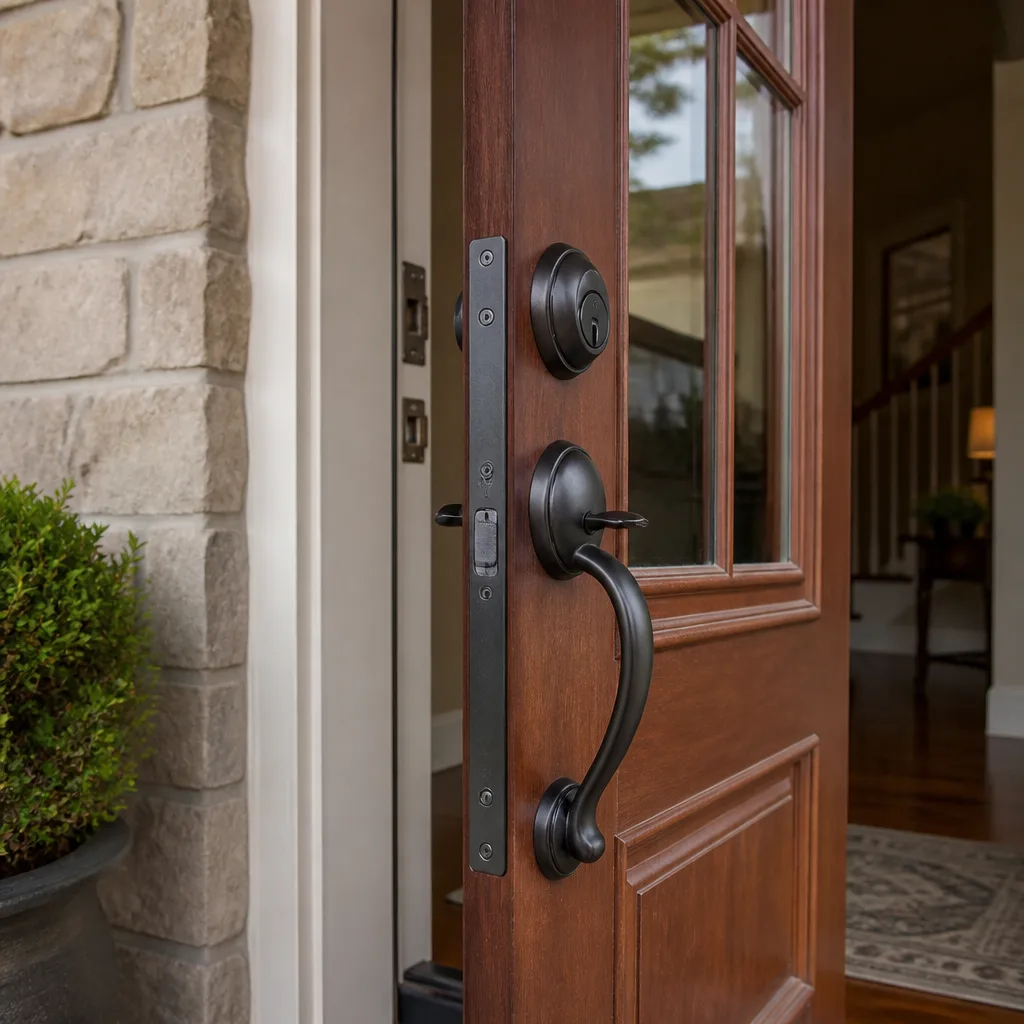
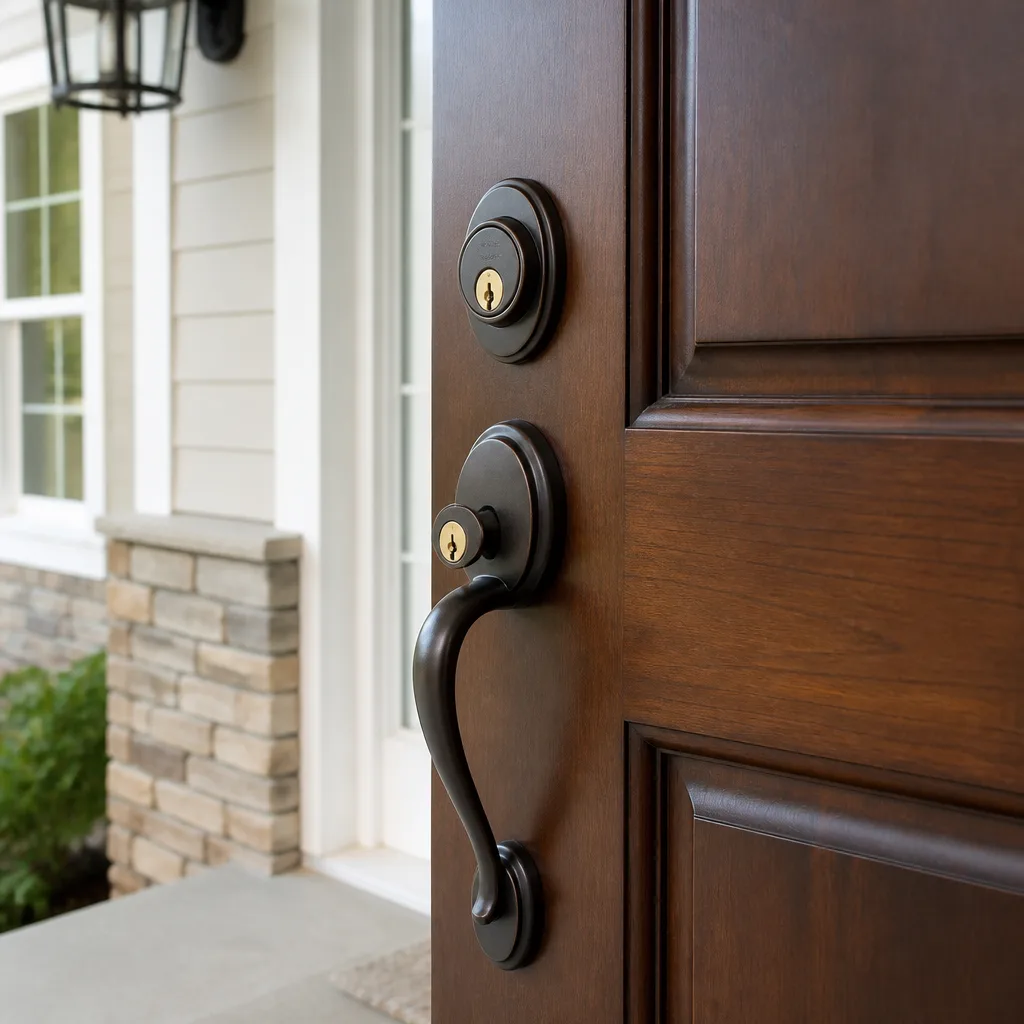
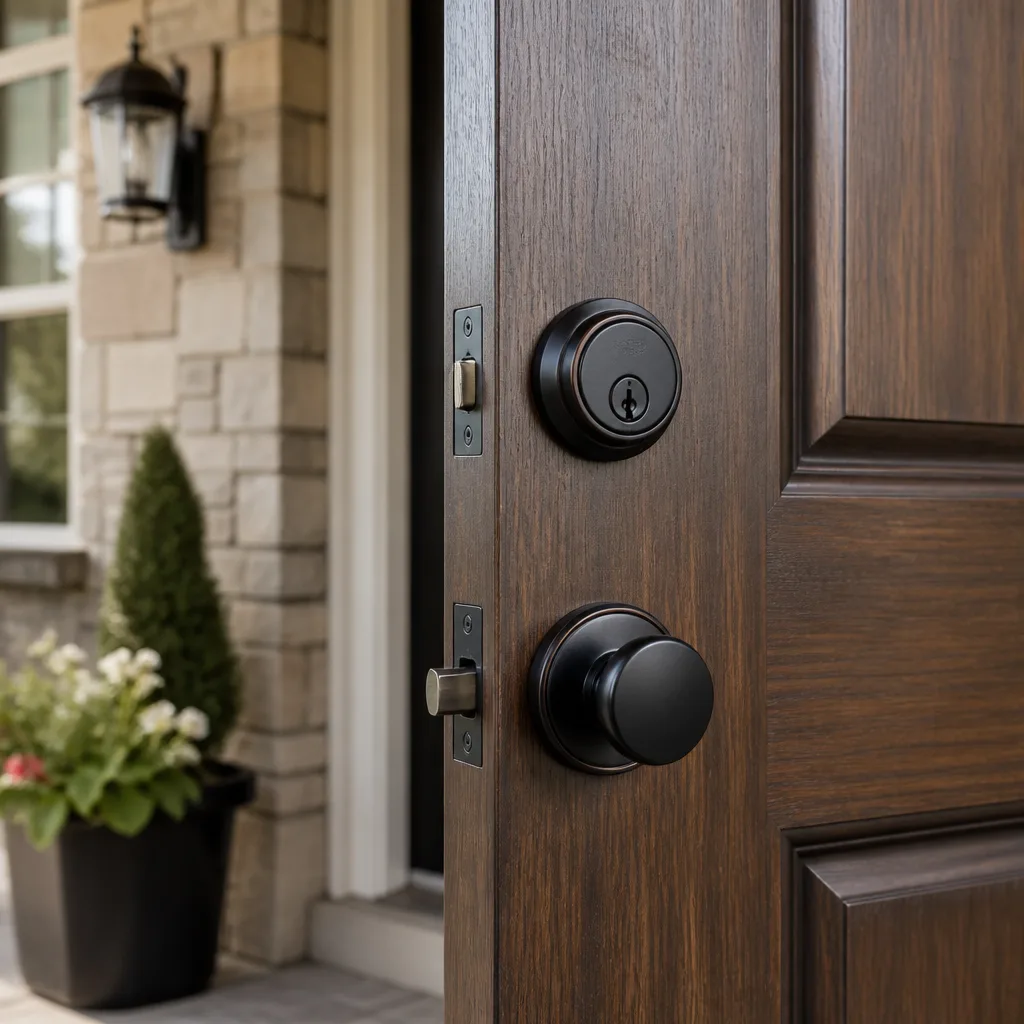
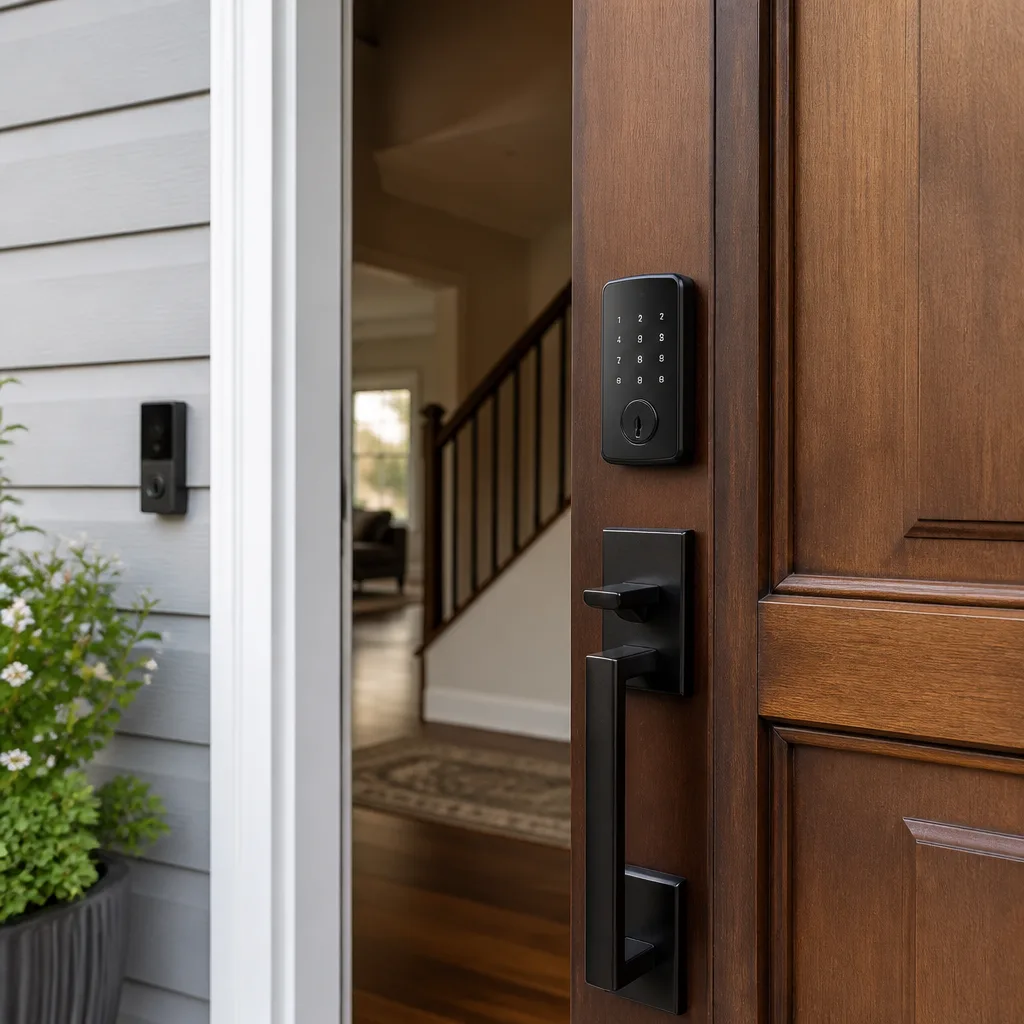
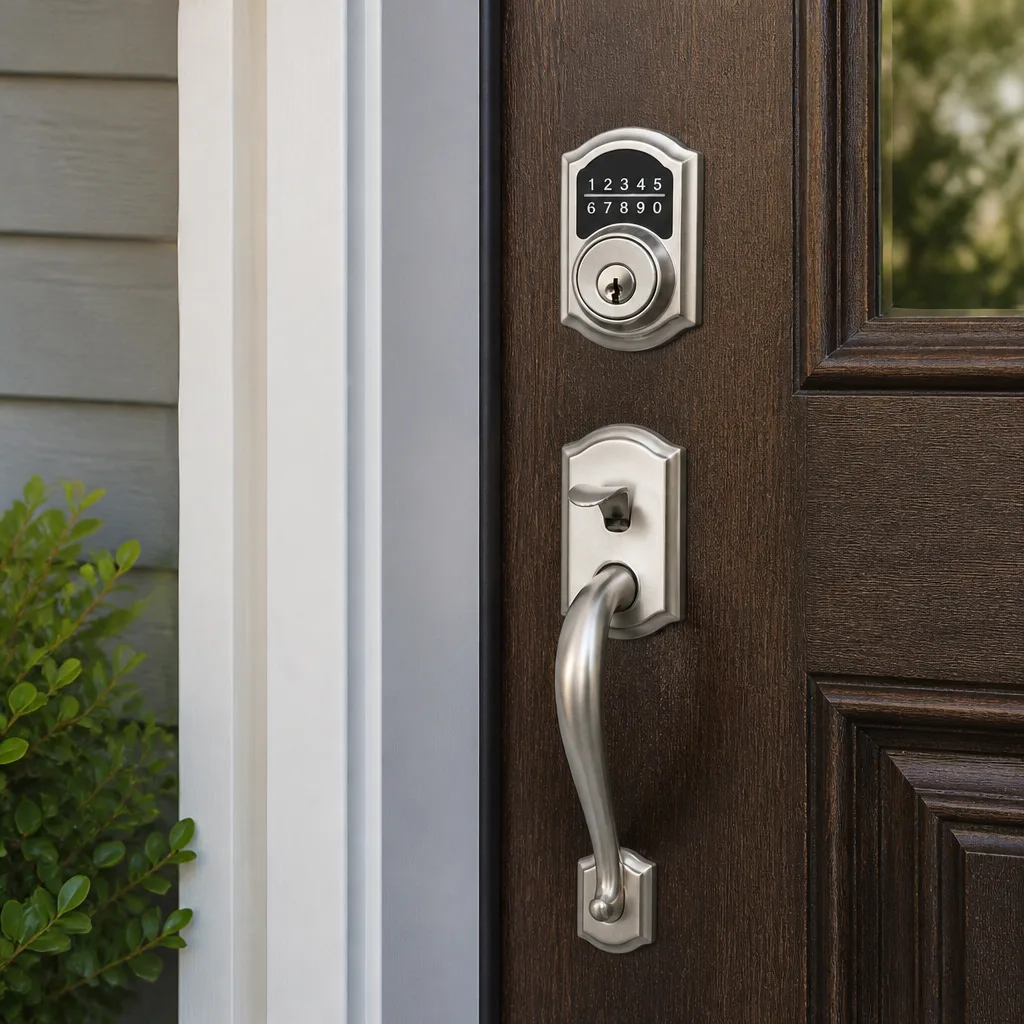
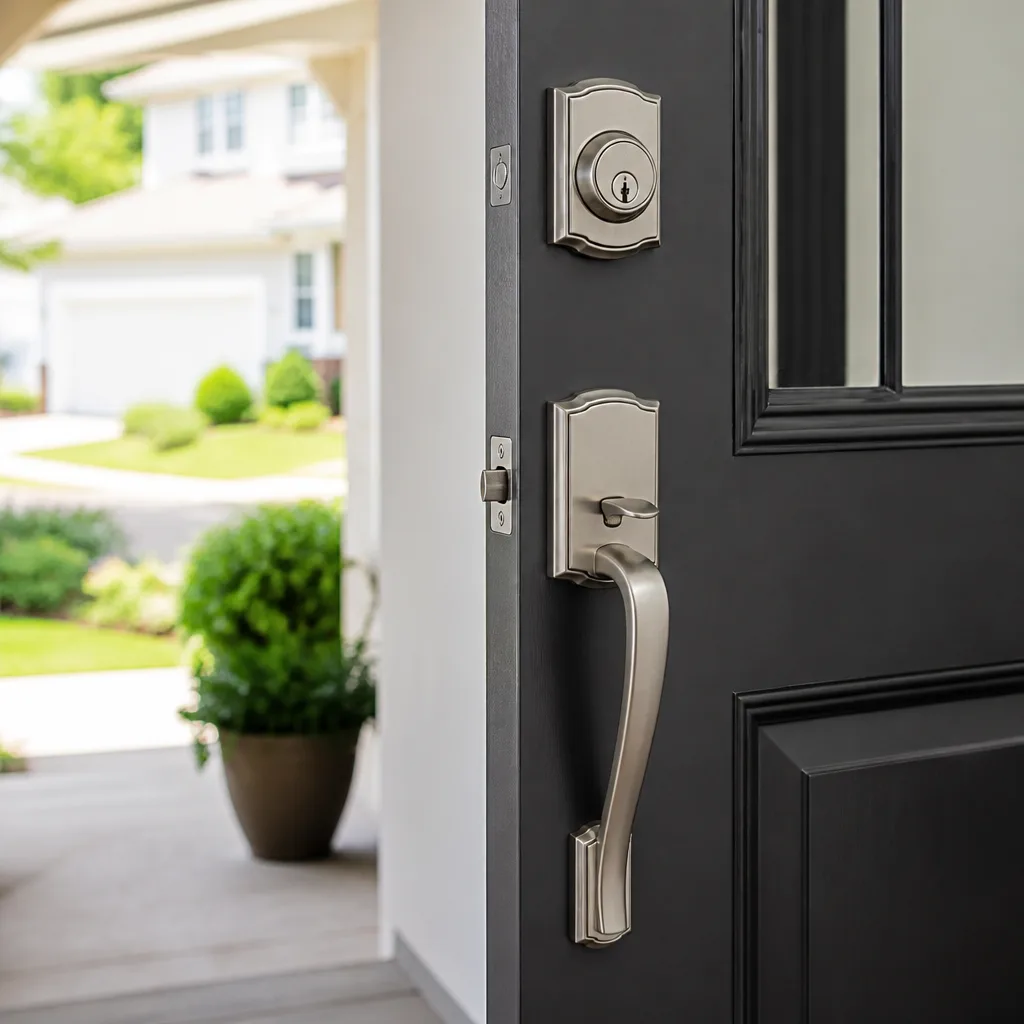
The Complete Commercial Locksmith Guide for Los Angeles Homeowners
A single unreturned master key in a Los Angeles commercial building can legally obligate a landlord to rekey the entire floor, yet most business owners learn this only after a former employee situation forces the issue. This guide covers what commercial locksmithing actually involves in Los Angeles, how to evaluate hardware grades, how master key systems work, and what to look for when hiring a locksmith for a commercial property. Whether you own a storefront in Los Angeles, manage a multi-suite building, or are planning a tenant improvement project, you’ll find the specifics here that most guides skip.
Quick Answer
A commercial locksmith in Los Angeles services, installs, and maintains the hardware that secures business properties: mortise locks, panic bars, electrified locks, access control systems, master key systems, and high-security cylinders. Commercial locksmith work is governed by California building codes, ADA requirements, and fire egress laws that do not apply to residential work, and it typically requires hardware certified to meet the commercial grade standards set by ANSI and BHMA. Most LA commercial property owners should treat locksmithing as an ongoing operational line item, not an emergency-only expense.
Table of Contents
- What Commercial Locksmithing Actually Covers in LA
- Grade 1, Grade 2, Grade 3: Understanding Commercial Hardware Ratings
- Master Key Systems: Structuring Key Control Without Creating Liability Gaps
- California Code, ADA, and Fire Egress: What’s Legal on LA Commercial Doors
- Commercial vs. Residential Locksmiths: What’s the Difference
- How to Vet a Commercial Locksmith in Los Angeles
- Access Control Systems: When a Key Becomes a Badge
- What Does Commercial Locksmith Work Cost in Los Angeles?
What Commercial Locksmithing Actually Covers in LA
Commercial locksmithing is a different trade from residential work, and the gap matters more in Los Angeles than in most cities. LA County has tens of thousands of commercial buildings spread across distinct jurisdictional pockets, and the hardware requirements shift depending on whether you’re in a pre-1933 unreinforced masonry building in downtown LA or a tilt-up warehouse in the Valley. A commercial locksmith handles the hardware that keeps a business operating: mortise locks on office doors, panic bars on exit doors, electrified strikes on entry systems, master key systems across suites, and access control panels at building entrances.
Here’s what a commercial locksmith service call in Los Angeles typically involves:
- Mortise lock installation and repair: The workhorse of commercial doors, mortise locks are rectangular lock bodies that slide into a pocket cut into the door edge. They’re rebuildable, which means a worn lockset in a 40-year-old office building often doesn’t need replacement, just new springs and a refinished faceplate.
- Panic bar and exit device service: Any commercial door in LA that serves an occupancy of 50 or more people needs panic hardware, and those devices need annual inspection to stay code-compliant.
- Electrified hardware: Electric strikes, magnetic locks, and electrified mortise locks that tie into buzzer systems or access control panels.
- Master key system design and rekeying: Creating a hierarchy where the building owner holds one key, each tenant holds a suite key, and maintenance staff holds a sub-master covering common areas only.
- High-security cylinder upgrades: Replacing standard cylinders with restricted keyways from brands like Medeco, Mul-T-Lock, and Abloy that cannot be duplicated at a hardware store.
- Door closer repair and adjustment: A door that slams or won’t latch is a security and liability issue, and most commercial door closers are adjustable rather than disposable.
What surprises many LA business owners is how much of this work is preventive. A commercial locksmith isn’t just the person you call when a key breaks in the lock. In our experience, the properties that run smoothly in Los Angeles treat hardware maintenance the same way they treat HVAC or fire extinguisher service: on a schedule, documented, and budgeted annually.
Grade 1, Grade 2, Grade 3: Understanding Commercial Hardware Ratings
Commercial door hardware is rated by ANSI and BHMA into three grades, and the rating tells you exactly what a lock is built to withstand. Grade 1 is the heaviest-duty rating and is required for high-traffic commercial doors. Grade 2 is the middle tier, appropriate for interior office doors and lower-traffic commercial entries. Grade 3 is residential-grade hardware, which has no business on a commercial door in Los Angeles, though it shows up there more often than anyone wants to admit.
Here’s the breakdown that matters for an LA property owner:
- Grade 1 (Commercial heavy-duty): Certified for 800,000 cycles or more. Requires a wrench to remove for servicing. Brand examples: Schlage ND series, Sargent 8200 series, Corbin Russwin 6000 series, Baldwin commercial mortise locks. These locks handle a door that opens hundreds of times per day, every day, for decades.
- Grade 2 (Commercial light-duty): Certified for 400,000 cycles. Appropriate for interior office doors, storage rooms, and lower-traffic entries. Brand examples: Schlage AL series, Sargent 7-Line. These are still far more robust than anything residential.
- Grade 3 (Residential): Certified for 200,000 cycles. The hardware you buy at a home center. Installing Grade 3 hardware on a commercial door is a violation of code in many LA jurisdictions, and it fails quickly under commercial use.
The cycle rating matters because commercial doors in Los Angeles take a beating. A busy restaurant door in Beverly Grove opens 300 times a day. That’s 109,500 cycles per year. A Grade 3 lock is statistically done in two years at that pace; a Grade 1 lock will run for over seven years at the same traffic level before showing measurable wear. The hardware is a business infrastructure decision. Buy it once, buy it right.
One nuance specific to Los Angeles: many older buildings in Koreatown, Westlake, and the Historic Core still carry original mortise hardware from the 1940s through the 1960s. That hardware is often rebuildable and worth keeping, because the door thickness and frame prep predate modern standard dimensions. A skilled commercial locksmith can rebuild those legacy mortise bodies and fit modern high-security cylinders into them, which is nearly always cheaper and more appropriate than retrofitting new hardware into an old door.
Master Key Systems: Structuring Key Control Without Creating Liability Gaps
A master key system solves a real problem: a building owner shouldn’t carry 40 keys, and a property manager shouldn’t need six keyrings to check a bathroom leak on the third floor. But master key systems create a less obvious problem, which is that every key in the system carries a cumulative picture of the building’s access structure. Lose one sub-master, and you may need to rekey everything that key touched.
Here’s how to structure key control for a multi-suite or multi-floor Los Angeles commercial property without creating liability gaps:
- Start with a written key hierarchy. Map every door, every key, and every keyholder before a single cylinder is pinned. The hierarchy should show exactly what each key opens and what it does not.
- Assign grand master, sub-master, and change keys with deliberate boundaries. The grand master opens everything, held only by the owner and one designated manager. Sub-masters cover zones: floor three, the tenant suite wing, the maintenance closets. Change keys open a single door or suite.
- Use a restricted keyway for anything above change keys. Restricted keyways from Medeco, Mul-T-Lock, or Abloy cannot be duplicated without a signed authorization card from an authorized dealer. This closes the “copied at the corner hardware store” liability gap entirely.
- Log every key issuance and return. A simple spreadsheet works: who holds what key, when it was issued, when it was returned. Employee turnover in Los Angeles is high in food service and retail. A log is the difference between knowing exactly who holds a key and guessing.
- Plan for rekey as a budgeted event, not an emergency. When a keyholder leaves, rekeying their tier is an operational cost, like payroll. Budget it annually.
In our experience in Los Angeles, the liability gap most landlords miss is the tenant-owned key. A tenant who duplicates a change key at a hardware store and gives it to an employee creates an untracked key. When that employee leaves, the tenant doesn’t tell the landlord, and now a key exists that no one knows about. Restricted keyways prevent this, because the duplication hardware simply doesn’t exist outside the authorized dealer network.
California Code, ADA, and Fire Egress: What’s Legal on LA Commercial Doors
Commercial locks in California are governed by a web of requirements that residential hardware never touches. The California Building Code (CBC), the California Fire Code, and the ADA Standards for Accessible Design all impose specific rules on commercial door hardware, and Los Angeles County jurisdictions enforce them unevenly but increasingly strictly.
The requirements that affect which commercial locks are even legal to install on egress doors in LA County include:
- One-motion egress: Exit doors must open with a single motion. No double-locking, no tool required, no special knowledge. A deadbolt above a lever on an exit door is a code violation unless the deadbolt retracts with the same motion.
- Lever handles, not knobs: ADA requires operable hardware that can be used with one hand without tight grasping, pinching, or twisting. Round knobs on commercial doors are non-compliant. Levers are the standard.
- Panic hardware thresholds: Assembly occupancies of 50 or more, and certain high-hazard occupancies, require panic bars. The threshold is occupancy-based, not building-size-based, which means a small restaurant with 60 seats in Los Feliz needs panic hardware just as much as a warehouse in Vernon.
- Delayed egress restrictions: Delayed egress hardware (doors that wait 15 seconds before opening) is only legal in very specific occupancy types and requires approval. Installing it on the wrong door creates legal exposure the property owner absorbs personally.
- Electrified hardware fail-safe vs. fail-secure: On fire-rated doors, electric strikes must be fail-safe (unlock when power is cut) so the door functions as an exit during a power failure. Fail-secure strikes (stay locked when power is cut) belong on non-egress doors only.
Los Angeles tenant improvement projects hit these rules constantly. A tenant builds out a suite, installs a nice-looking residential lever from a home center, passes a visual inspection because the inspector sees a lever and moves on, and three years later the hardware fails and the landlord discovers the violation. This is where a commercial locksmith who knows Los Angeles code saves real money: catching the non-compliant hardware at the walkthrough, before the correction order arrives.
Commercial vs. Residential Locksmiths: What’s the Difference
The difference between a commercial locksmith and a residential locksmith is not about effort or intelligence. It’s about what the two trades are trained and equipped to service. A residential locksmith is licensed to rekey house locks, replace residential deadbolts, and handle lockouts. A commercial locksmith works on mortise lock bodies, exit devices, electrified strikes, master key system math, and access control panels. These are different hardware families entirely.
Here’s what a commercial locksmith handles that a residential locksmith is generally not trained or licensed to service:
- Mortise lock body rebuilds: Taking apart a 1950s Corbin mortise lock body, replacing springs and tumblers, and reassembling it to factory tolerance requires specialized bench work and a parts inventory most residential locksmiths don’t carry.
- Panic bar adjustments: Exit devices from brands like Sargent and Corbin Russwin have specific torque and alignment tolerances. A misadjusted panic bar can fail to latch, which is a security issue, or fail to release, which is a fire code violation.
- Electrified hardware integration: Wiring a strike to an access control panel, matching voltage and amperage, and configuring fail-safe or fail-secure behavior requires low-voltage electrical knowledge that residential locksmith training doesn’t cover.
- Master key system design: This is applied mathematics. The pinning charts, chamber assignments, and keyway restrictions that make a master key system work require formal training and software, not guesswork.
- Access control panels and credential systems: IP-based panels, card readers, fob programming, and integration with building management systems are access-control work, not locksmith work, though the two trades overlap heavily in commercial settings.
Blackthorn Locksmith & Security handles both. Our Commercial Locksmith in Los Angeles services covers the full range: mortise locks, panic bars, electrified hardware, master key systems, and access control integration. We also provide Residential Locksmith in Los Angeles services for homes, where the hardware and the code requirements are different. And for buildings that are moving beyond keys entirely, our Access Control Systems in Los Angeles page covers the credential-based approach in depth. You can also learn more about our overall service area on the Blackthorn Locksmith & Security home page.
How to Vet a Commercial Locksmith in Los Angeles
Hiring the wrong commercial locksmith in Los Angeles is worse than hiring no locksmith at all. A poorly installed panic bar that fails during an emergency is a liability event. A master key system built on guesswork locks the owner out of their own building. A rekey done without documentation leaves the new tenant holding keys to a suite whose key control history is unknown.
Here’s what to look for before anyone touches a single door on your Los Angeles commercial property:
- ALOA certification. The Associated Locksmiths of America offers the Certified Registered Locksmith (CRL), Certified Professional Locksmith (CPL), and Certified Master Locksmith (CML) designations. Ask for the certification level and verify it on ALOA’s directory.
- Liability insurance minimums. A commercial locksmith working on a Los Angeles commercial property should carry at least $1 million in general liability insurance, and should provide a certificate of insurance naming your property as additionally insured if you request it. Do not accept verbal assurances.
- A written scope of work. Before any work starts, you should have a document that lists exactly what will be installed or serviced, the hardware brands and grades, the number of locks, and the price. In this trade, a verbal estimate that doesn’t match the invoice is the most common complaint. Blackthorn Locksmith & Security provides a written price before any work begins, every single time, and that written price is the price on the invoice.
- Background-checked technicians. Commercial locksmiths have access to your building’s security system. Ask whether technicians are background-checked and whether they arrive in uniform. Blackthorn’s technicians are background-checked and uniformed on every call.
- Brand range. A commercial locksmith who only installs one brand is serving their own inventory, not your property. Look for a shop that carries and services Schlage, Kwikset, Yale, Baldwin, Medeco, Mul-T-Lock, Sargent, and Abloy, which covers entry-level through certified high-security hardware.
The Los Angeles commercial locksmith market is dense and competitive, and price dispersion is real. The cheapest quote is often a lockout-only operator subcontracting commercial work they’re not certified to perform. The most expensive quote may be padding a brand name. The right quote sits in the middle, with documentation, certification, and a written scope of work attached.
Access Control Systems: When a Key Becomes a Badge
Access control replaces physical keys with credentials: key cards, fobs, smartphones, or biometric readers tied to a panel that logs every entry and exit. For Los Angeles commercial properties with more than a handful of employees, access control solves the two problems that keys can’t: instant revocation and audit trails. When an employee leaves, their credential is deactivated in minutes, and you know exactly when and where they used it.
Access control in Los Angeles commercial buildings typically covers:
- Entry doors with card readers: Card or fob credentialing at the main entry, with a strike or electrified mortise lock tied to the panel.
- Interior sensitive areas: Server rooms, pharmacy storage, cash rooms, and management offices with separate access tiers.
- Elevator floor restrictions: Credentials that only activate certain floor buttons, common in LA mid-rise office buildings.
- Perimeter gates and parking: Vehicle gates, pedestrian gates, and loading dock doors integrated into the same system.
- Cloud-managed audit logs: The panel logs every access event with a timestamp and credential ID, stored in the cloud for review.
Access control and commercial locksmithing overlap heavily. The panel needs power, the strike needs wiring, the door closer needs adjustment to work with the electrified hardware, and the mechanical override (the key that opens the door when the panel goes down) needs to be a proper commercial-grade cylinder. Most access control failures in Los Angeles are mechanical failures: a misadjusted strike, a door closer that’s fighting the latch, a lock body that was never serviced. A commercial locksmith who understands both the mechanical and the electronic side is the person you want doing this work.
What Does Commercial Locksmith Work Cost in Los Angeles?
Commercial locksmith pricing in Los Angeles is higher than residential pricing, and it’s higher than commercial pricing in most other cities. The Los Angeles market carries higher labor rates, higher commercial rent, and higher insurance costs, and all of that shows up in the invoice. Here’s what you can expect to pay for common commercial locksmith work in Los Angeles as of 2025:
- Commercial rekey (per lock): $25-$75 per cylinder depending on hardware type. Mortise cylinders run higher than rim cylinders. If the rekey includes a master key system, pricing moves to a per-cylinder fee plus a system design fee.
- Mortise lock rebuild: $85-$165 per lock body, parts included for standard rebuild kits. This is almost always cheaper than replacing a mortise lockset, which runs $250-$600 for Grade 1 hardware from Schlage or Sargent.
- Panic bar installation: $350-$800 per door including hardware, labor, and adjustment. Rim exit devices run lower; concealed vertical rod devices run higher.
- Electric strike installation: $180-$400 per door including strike, power supply, and wiring. This assumes an existing access control panel or buzzer system.
- Access control panel with two doors: $1,500-$3,500 installed, including panel, power supply, readers, credentials, and programming. Cloud-managed systems run at the higher end.
- Master key system (10-20 doors): $400-$1,200 for system design and pinning, plus per-cylinder rekey costs. Restricted keyways add a per-cylinder premium, and replacement keys from Medeco, Mul-T-Lock, or Abloy run $8-$18 per key.
- Door closer repair or replacement: $45-$120 for adjustment or repair; $180-$350 for full replacement with a commercial-grade closer.
These are honest ranges, not teaser numbers. Anyone quoting significantly below this in Los Angeles is almost certainly not carrying liability insurance, not using Grade 1 hardware, or planning to upsell you on arrival. That’s the single biggest complaint in this trade: the low phone quote that becomes a much higher invoice once the technician is standing in the doorway. Blackthorn does not work that way. We give you a written price before any work begins, and that written price is the final price, with no call-out surcharge added on arrival. Call us at (818) 390-9007 with your building details and we’ll quote the job by phone.
Common Mistakes to Avoid
- Treating commercial locksmithing as emergency-only. Los Angeles properties that only call a locksmith when a key breaks or a lock fails spend three times more per year than properties that schedule annual hardware maintenance. A broken mortise lock is a $300 emergency. The same lock serviced annually for $60 never breaks.
- Installing residential hardware on commercial doors. Grade 3 hardware on a commercial door in LA is a code violation waiting to be discovered, and it fails quickly under commercial traffic. The hardware is not where you save money.
- Not tracking key issuance. A missing key log in a busy LA restaurant or retail space means you don’t know who has access to your own property. When a keyholder leaves, you’re rekeying blind.
- Copying commercial keys at hardware stores. A hardware-store duplicate of a commercial key is not built to the same tolerances as the original. It wears the cylinder faster, and it voids the restricted-keyway protection if your building uses one.
- Skipping the written scope of work. A verbal quote with no written documentation is the leading cause of billing disputes in the Los Angeles commercial locksmith market. If the locksmith won’t put the scope and price in writing, find another locksmith.
- Ignoring door closers. A misadjusted door closer is the silent killer of commercial locks. The closer slams the door, the lock takes the impact, and the hardware fails years early. Door closer maintenance costs pennies compared to replacing the lock it protects.
When to Call a Professional
Call a commercial locksmith when a key breaks in a mortise lock, when a panic bar stops latching, when a tenant moves out and you need a rekey documented, when an employee leaves and holds a restricted key, when you’re planning a tenant improvement and need hardware specified to code, or when you’re ready to move from keys to access control credentials. Attempting any of this work yourself without the proper training risks a code violation on an egress door, and an unregistered egress modification carries personal liability for the property owner. Blackthorn Locksmith & Security offers free estimates in Los Angeles. Call (818) 390-9007 and a live person will answer, 24 hours a day, 7 days a week.
Frequently Asked Questions
Commercial locksmith work in Los Angeles typically costs $25-$75 per lock for rekeying, $85-$165 for a mortise lock rebuild, $350-$800 for panic bar installation, and $1,500-$3,500 for a two-door access control system. Your exact quote depends on your hardware type, occupancy classification, and whether you need a master key system designed. Call (818) 390-9007 for a written quote before any work begins.
At Blackthorn Locksmith & Security, the price we quote on the phone is the price you pay, in writing, before any work starts. There is no call-out surcharge added on arrival, no surprise line items, and no bait-pricing games. That written-price promise applies to every commercial job we do in Los Angeles.
A commercial locksmith is trained and equipped to service mortise locks, panic bars, electrified hardware, master key systems, and access control panels, while a residential locksmith handles home deadbolts, house rekeys, and residential lockouts. The two trades use different hardware families and are governed by different building codes, especially in Los Angeles where commercial egress and ADA requirements are strict.
Yes, most commercial rekeys in Los Angeles are completed the same day, including master key system rekeys, provided the hardware is in serviceable condition. If your hardware needs rebuilding or replacement, the job may take longer. Call (818) 390-9007 and we’ll tell you exactly what your timeline looks like.
Ask for ALOA certification, proof of liability insurance with a minimum of $1 million in coverage, and a written scope of work before any work starts. Blackthorn Locksmith & Security technicians are background-checked, uniformed, and we provide a written price before work begins on every commercial job in Los Angeles.
Yes, access control can be installed in older Los Angeles buildings, but the mechanical side matters as much as the electronic side. The existing door hardware, closer, and frame condition determine whether the electrified strike will function reliably. A commercial locksmith who understands both the mechanical and electronic components is the right person for the job.
The Bottom Line
Commercial locksmithing in Los Angeles is a year-round operational discipline, not an emergency service. The hardware on your doors is governed by California building code, ADA requirements, and fire egress laws that are specific to commercial properties. Grade 1 hardware, a documented master key system, and a written scope of work before every job are the baseline for a property that runs smoothly and stays out of legal trouble. If you’re in Los Angeles and you want a commercial locksmith who will quote a written price before work begins, show up in uniform, protect your floors with shoe covers and drop cloths, and stand behind the work with a 365-day done-right promise, call Blackthorn Locksmith & Security at (818) 390-9007. A live person answers, 24/7.
Written by Shane Delaney, Owner at Blackthorn Locksmith & Security, serving Los Angeles since 2008.