
Last updated October 7, 2026
Non-destructive entry first, always - and we re-key Schlage, Kwikset, and Baldwin locks on the spot while you watch
You get a price before we start. It does not change when we arrive. No surprises.
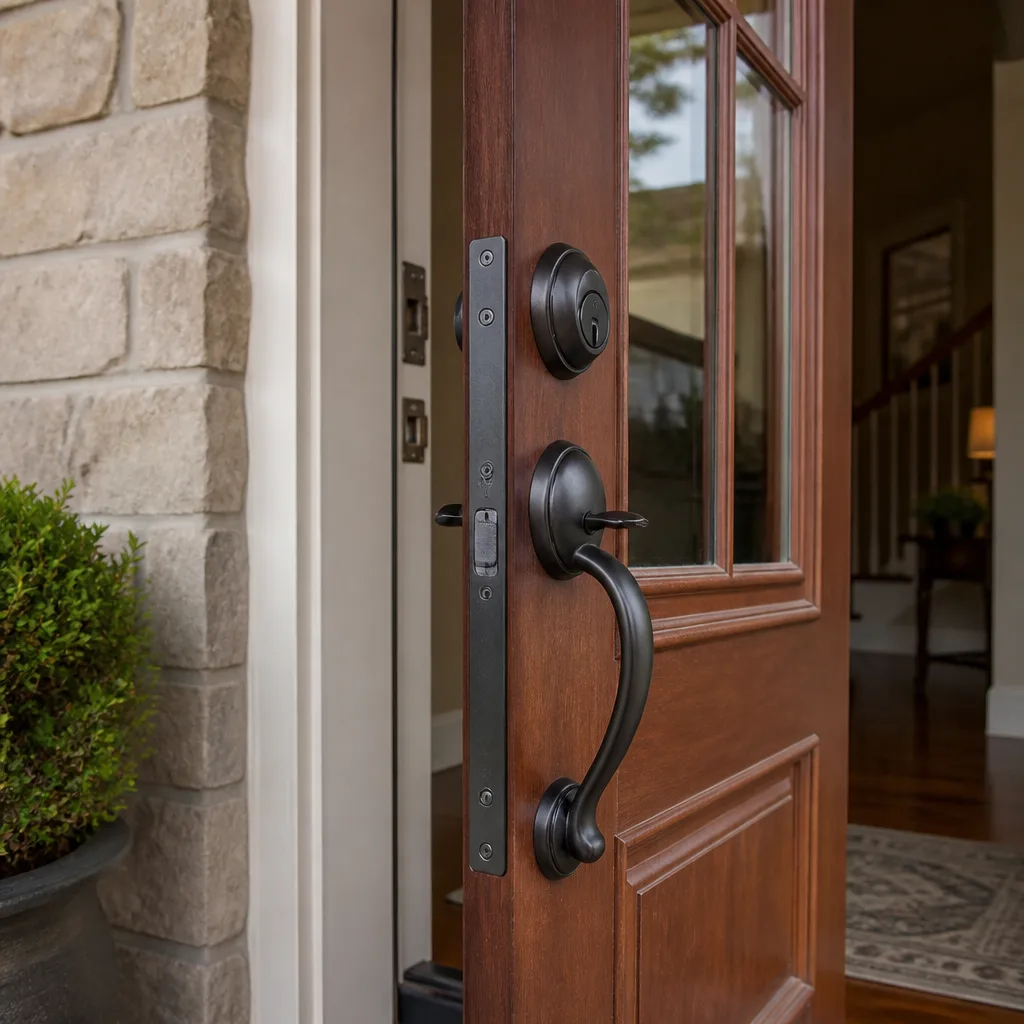
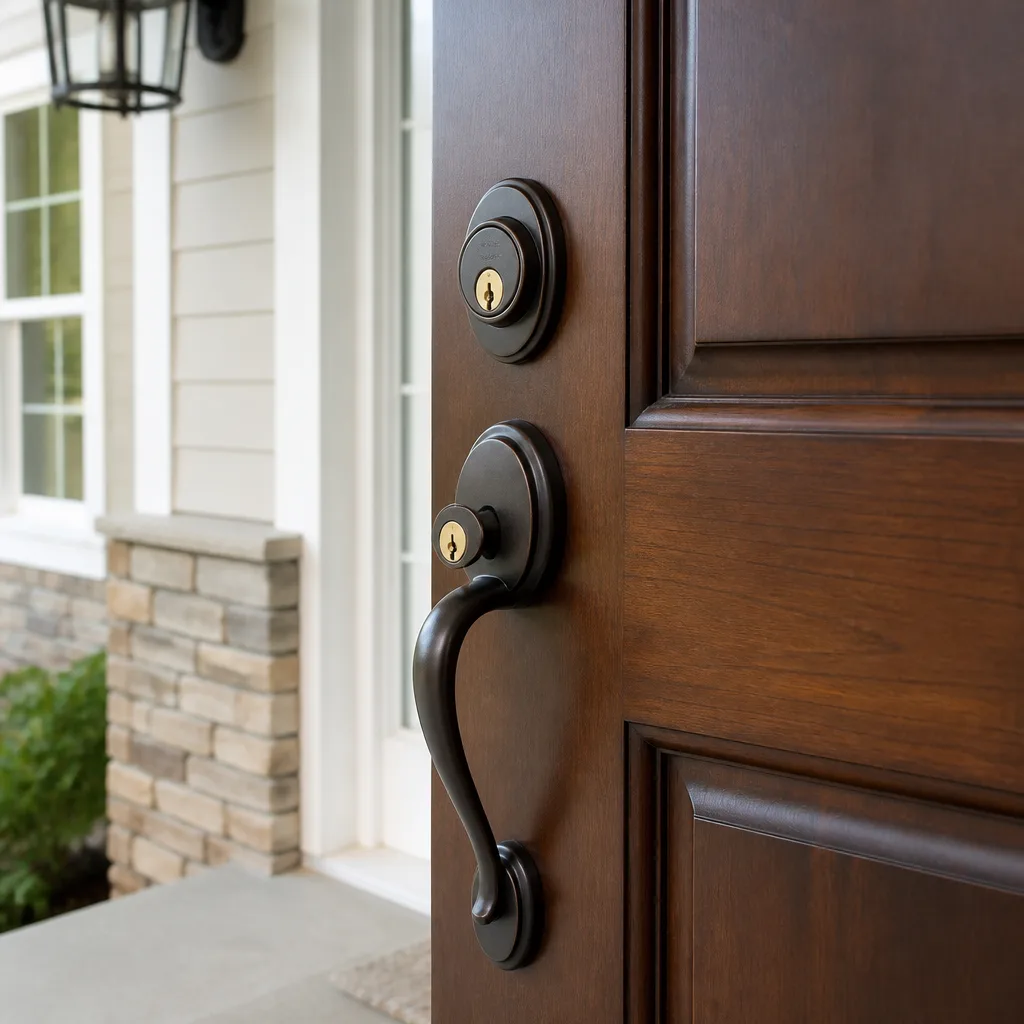
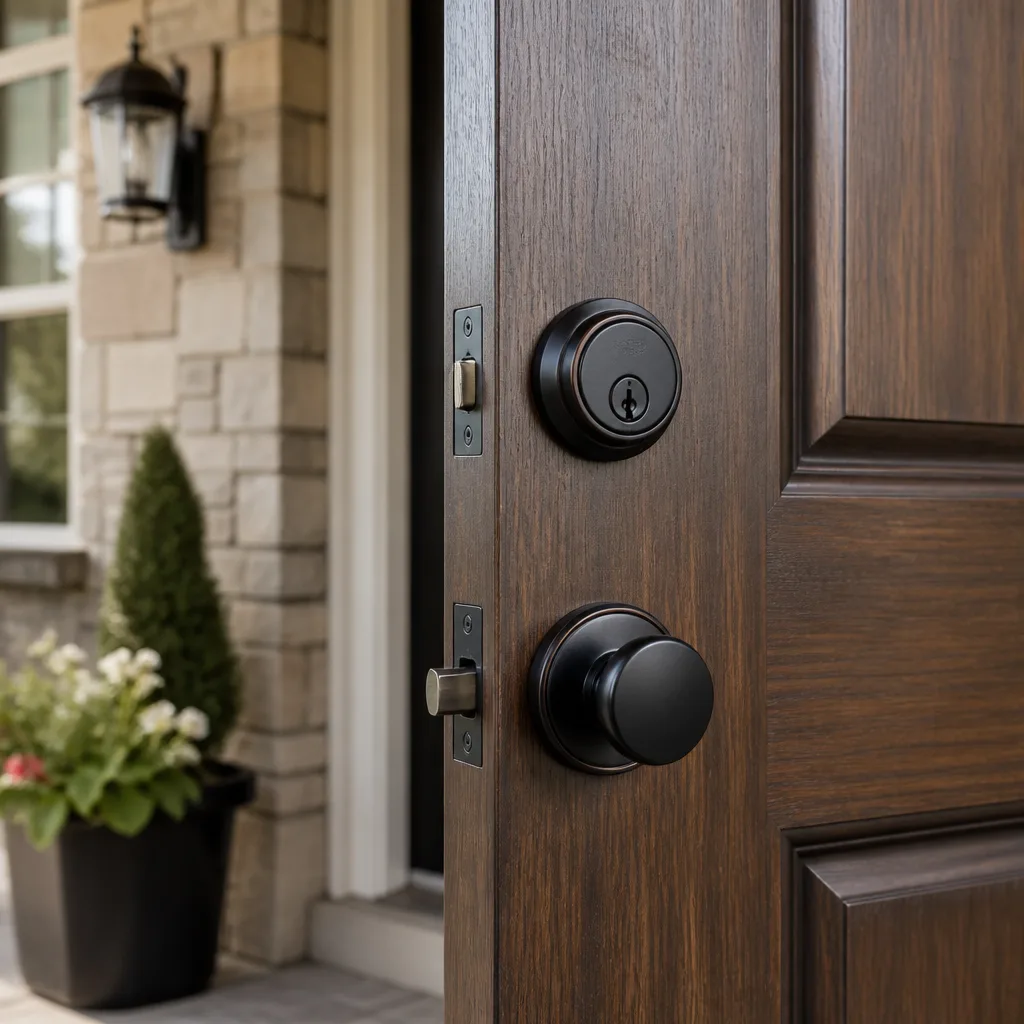
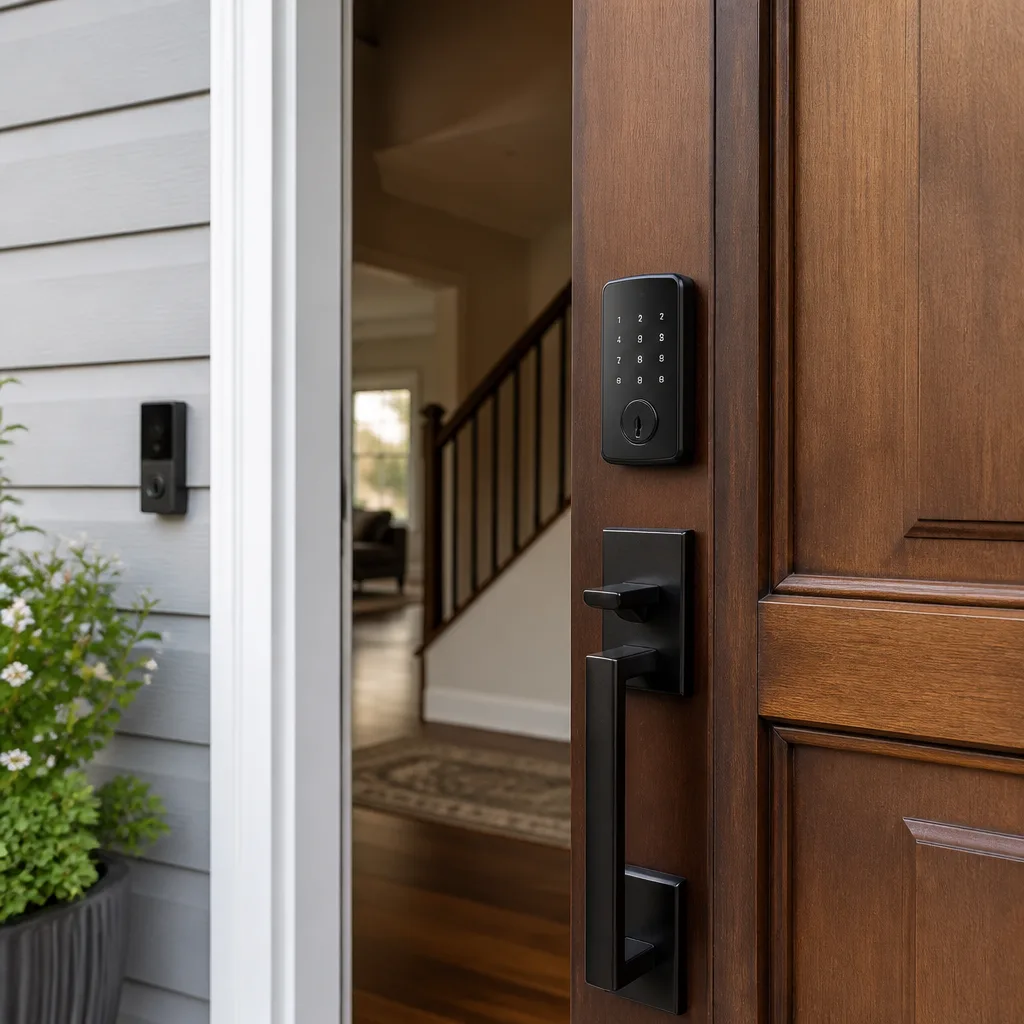
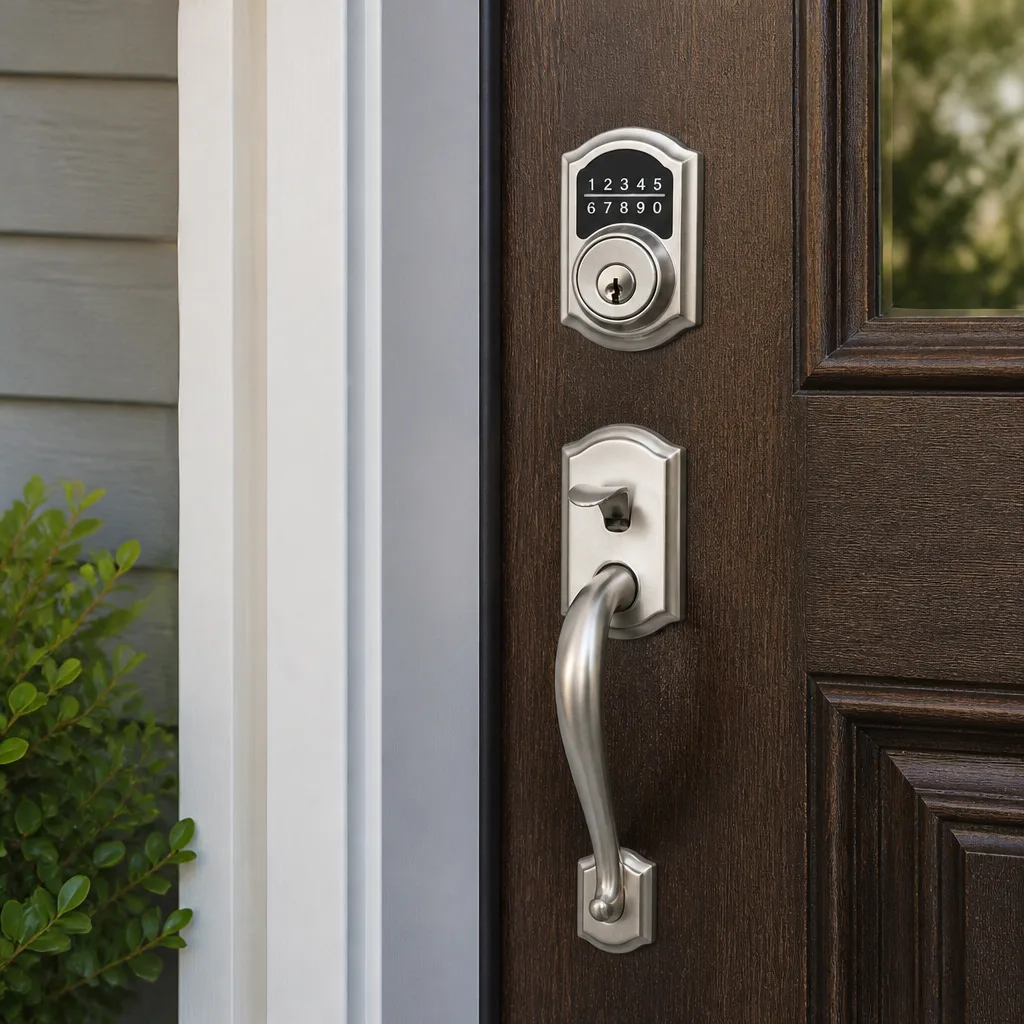
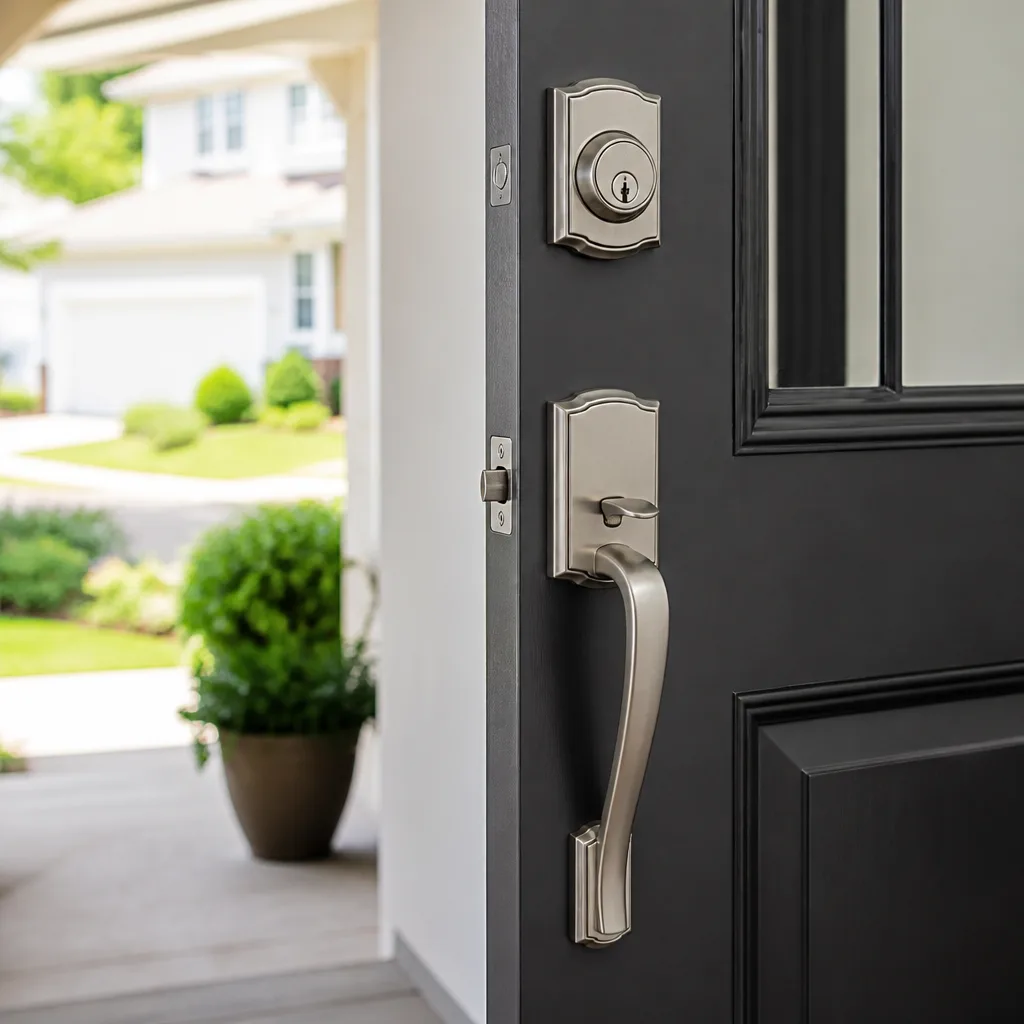
The Complete Guide to Locksmith in Los Angeles
The Los Angeles City Attorney’s office has logged hundreds of locksmith fraud complaints in a single year, and almost every one of them started the same way: someone searched “locksmith near me” under pressure, called whoever ranked first, and got an unlicensed subcontractor, a bait price, and a bill three times what was quoted. This guide exists so that never happens to you. We’ll walk through how to vet a Los Angeles locksmith before you need one, what real upfront pricing looks like on paper, how your neighborhood shapes your security needs, and how to build a 10-minute annual lock audit so a lockout stops being a crisis and starts being a 20-minute phone call. By the end, you’ll know exactly who you’d call at 2 a.m., and why.
Quick Answer
A locksmith in Los Angeles is a licensed professional who installs, repairs, and opens locks and security hardware for homes, businesses, and vehicles. The right locksmith is someone you vet before an emergency, who provides a written price before any work begins, and who treats your front door like it’s their own. In Los Angeles, residential lockout service typically runs $75 to $250 depending on time of day and lock type, while rekeying a home runs $90 to $180 for the first lock and $20 to $35 per additional lock.
Table of Contents
- Why You Should Vet a Los Angeles Locksmith Before You Need One
- The Difference Between a Locksmith Who Opens Locks and One Who Improves Security
- Neighborhood-by-Neighborhood Guide to Los Angeles Security
- What “Upfront Pricing” Actually Means in Practice
- How to Vet a Los Angeles Locksmith: 5 Steps
- The 10-Minute Annual Lock Audit
- Understanding Lock Hardware: From Schlage to Medeco
- Common Mistakes to Avoid
- When to Call a Professional
- Frequently Asked Questions
- The Bottom Line
Why You Should Vet a Los Angeles Locksmith Before You Need One
The moment you realize you’re locked out is the moment you lose the ability to think clearly. Your keys are sitting on the kitchen counter. Your kid is in the car seat. Your dog is barking at the door. You pull out your phone, search “locksmith Los Angeles,” and tap the first result because it says “15 minutes away, $19 service call.” That $19 number is almost never real. What follows is a national pattern that plays out hundreds of times a year in Los Angeles alone: the dispatcher can’t give a firm price over the phone, the technician arrives in an unmarked car, drills out a lock that could have been picked in 30 seconds, installs a $20 Kwikset, and hands you a $400 invoice with a card reader already held out. The Los Angeles City Attorney has prosecuted multiple operations for exactly this scheme.
The fix is simpler than most people think: find your locksmith at 2 p.m. on a Tuesday, not 2 a.m. on a Saturday. Call them. Ask the questions we outline below. Store the number in your phone. When the emergency comes, you’re not making a panicked decision, you’re calling someone you’ve already vetted. That single habit changes the entire relationship. Our Blackthorn Locksmith & Security home service area covers all of Los Angeles, and we answer the phone with a live person 24 hours a day, which is the first test any locksmith should pass.
The Difference Between a Locksmith Who Opens Locks and One Who Improves Security
Most emergency locksmith calls involve one of two things: getting a door open or getting a door rekeyed. That’s important work, and it’s what keeps most Los Angeles locksmiths busy. But it’s also only half the trade. A locksmith who opens locks solves today’s problem. A locksmith who improves security asks what happens next week, next year, and in the middle of a summer night when someone tests your patio door with a pry bar. In our experience, very few Los Angeles homeowners have ever had a security walkthrough. They’ve had locks installed by whoever remodeled the house in 2012, or by a handyman who bought a deadbolt at Home Depot and called it done.
The difference shows up in the hardware. A basic Kwikset or Schlage deadbolt keeps honest people honest. It does not stop a determined intruder with a bump key, which remains one of the most common attack methods in Los Angeles residential break-ins. High-security cylinders from Medeco, Mul-T-Lock, or Abloy are built with additional pin chambers and sidebars that make bumping and picking exponentially harder. They cost more, but for a front entry, a side-garage door, or the room where the kids sleep, the upgrade is not a luxury. It’s the whole point. An opener-locksmith will never bring up high-security cylinders. A securing-locksmith will, because they’ve seen what happens after the third or fourth bump-key entry on the same block.
Neighborhood-by-Neighborhood Guide to Los Angeles Security
Los Angeles is not one security profile. It’s a patchwork of building types, setback distances, foot-traffic patterns, and crime trends, and a lock recommendation that makes sense in Silver Lake can be wrong for a Koreatown high-rise. Here’s how the pattern plays out across the city:
- Koreatown and Downtown high-rises: The front door matters less than the common-area access. What we see in these buildings is a need for access control systems that log every entry and let property managers revoke credentials instantly when a tenant moves out. A traditional lock and key in a building with 40 units is a liability. The Access Control Systems in Los Angeles we install for these properties use card readers and fobs, so a lost key doesn’t mean rekeying the whole floor.
- Silver Lake, Echo Park, and Los Feliz bungalows: These homes tend to be older, with original doors and single-cylinder deadbolts installed decades ago. The main vulnerabilities are window locks and second-floor access via balconies and flat sections of roof. We also see a lot of aging door frames that need strike-plate reinforcement with 3-inch screws before any new deadbolt will actually hold.
- Westside condos (Santa Monica, Westwood, Brentwood): Condo owners frequently don’t realize they’re responsible for everything past the front door. HOA rules may restrict what hardware you can install, but most allow a rekey when you move in. If you bought a condo and didn’t rekey, you don’t know how many copies of your key are floating around with previous owners, dog walkers, cleaners, and contractors.
- San Fernando Valley single-family homes: Side-garage doors are the weak point. They’re often hollow-core with a cheap knob lock and no deadbolt. A bump key opens them in under 10 seconds. Upgrading a side-garage door to a reinforced door with a Schlage B660 deadbolt makes it an actual barrier instead of a formality.
- South LA and Inglewood duplexes and multi-unit properties: Tenant turnover is the main driver of rekeys. Landlords who skip rekeys between tenants expose themselves to liability if a former tenant’s guest uses an old key. A property-wide master key system through Commercial Locksmith in Los Angeles work gives each tenant their own key while the landlord retains a single master.
These are patterns, not guarantees. Every property gets its own look, which is why a real security walkthrough matters more than a neighborhood stereotype. But knowing the profile of where you live gives you a starting point for asking better questions.
What “Upfront Pricing” Actually Means in Practice
“Upfront pricing” is one of those phrases every locksmith uses and almost none of them define. Here’s what it should mean, in concrete terms. Before any work starts, you receive a written line-item price. Not a verbal estimate. Not a range. Not “we’ll see when we get there.” A piece of paper or an email that lists the service call, the labor, the parts, and the total. That written number is the number on the invoice. If the technician discovers something unexpected mid-job, they stop, explain what changed, and get your written approval on a revised price before continuing. That’s it. That’s the whole thing.
What it does not mean is a verbal quote over the phone followed by a technician who arrives and finds reasons to add charges. In Los Angeles, the classic pattern is the “$29 service call” that becomes $400 because the lock “needed drilling” (it didn’t), because the “security assessment” was “included” (it wasn’t on the quote), or because the lock was “high security” (it was a standard Kwikset). None of those add-ons would survive a written price. When we say we provide a written price before work starts, we mean the number does not change unless you approve a change in writing. That’s our standard, and it’s one of the first things you should ask about when interviewing any locksmith. We cover this exact standard in detail across our Residential Locksmith in Los Angeles services.
How to Vet a Los Angeles Locksmith: 5 Steps
You don’t need to be a security expert to tell a professional from a scammer. You need five minutes, the internet, and the will to make one phone call. Here’s the process we recommend to every Los Angeles homeowner, and it works whether you’re calling us or any other company:
- Check the CSLB license. The California State License Board (CSLB) issues locksmith company licenses under the Locksmith classification. Go to cslb.ca.gov, search the company name or license number, and confirm the license is active and that the company name on the license matches the company name on the website. If they don’t have a license number displayed on their site, that’s a red flag before you even search. If the license is held under a different name than the one you called, hang up.
- Ask who answers the phone. Call at a normal business hour. Does a live person answer? Can they tell you the name of the technician who would arrive and whether that technician is background-checked? A company that routes you to a call center and promises “a tech in your area” is a dispatch broker, not a locksmith. They’re selling your job to the lowest bidder.
- Ask for a written price over the phone. Not a ballpark. Not “starting at.” A price. For a standard lockout, a reputable Los Angeles locksmith can give you a flat rate or a narrow range that accounts for the lock type when you describe it. If they won’t put a number in writing before dispatch, you’re gambling.
- Ask what happens if the lock needs to be drilled. This is the make-or-break question. Drilling a lock is a last resort, not a standard move. A skilled locksmith picks most residential locks in minutes. If the answer is anything like “well, most locks need to be drilled,” or “we can’t know until we see it,” that’s a warning sign. Drilling means replacing the hardware, which is how bait-pricing scams inflate the bill.
- Check for a physical address and business history. A locksmith with a real office in Los Angeles, a documented business license, and years of operational history is accountable. A website with a stock photo and a toll-free number is not. Blackthorn Locksmith & Security was founded in 2008, operates from a real Los Angeles office, and every technician arrives in uniform with a company vehicle. Those facts are verifiable.
The 10-Minute Annual Lock Audit
Once a year, set a phone reminder and walk the property. It takes 10 minutes. It costs nothing. It means you will never again discover a broken lock at the worst possible time. Here’s the checklist we use when walking a home with a client:
- Test every exterior door lock from the outside and inside. Insert the key. Turn it. Is there resistance? Do you have to jiggle it? A lock that’s starting to bind is warning you it will fail, and it will fail on the day you’re running late.
- Check the strike plates. Look at the metal plate on the door frame where the deadbolt slides in. If it’s held in with screws shorter than one inch, the deadbolt is not doing its job. A kick or shoulder shove splits the frame. Replacement with 3-inch screws is a five-minute fix that changes the physics of the door.
- Test window locks, especially ground-floor windows. Open, close, lock, unlock. In Los Angeles, burglars target windows at nearly the same rate as doors. A window lock that doesn’t fully engage is an invitation.
- Ask who has keys. This is the uncomfortable question. Neighbor? Former housekeeper? Contractor who never returned the spare? If you can’t account for every copy of every key, rekey the locks. It’s a one-hour job, not a remodel.
- Check the garage side door. In most Los Angeles homes, this is the least secure entry point on the property. If it has a knob lock only, add a deadbolt. If it’s a hollow-core door, replace it. This door leads into the house from a space where neighbors can’t see an intruder working.
Ten minutes. One timer. That’s the entire system. The people who run this audit once a year are the same people who never call a locksmith at 2 a.m. in a panic, because their locks tell them what’s coming.
Understanding Lock Hardware: From Schlage to Medeco
Most people don’t know the brand of the lock on their front door until they have to replace it. That’s fine. What matters is understanding the tiers of hardware and what they buy you. The residential lock market breaks down roughly like this:
- Entry-level (Kwikset, Defiant): Fine for interior doors, bedrooms, and closet spaces. As exterior security, they’re the bare minimum. Standard pins, easy to rekey, widely available. They resist casual intrusion, not determined attack.
- Mid-grade (Schlage, Yale): The sweet spot for most Los Angeles homes. Tighter tolerances, better materials, and deadbolts with hardened steel pins that resist cutting. Schlage’s B-series deadbolts are a workhorse we install consistently on front entries and side doors.
- Decorative (Baldwin, Emtek): These prioritize aesthetics. Baldwin builds a beautiful, solid lock that also happens to function well. For a front entry on a Spanish Revival in Los Feliz or a Craftsman in Pasadena, Baldwin gives you curb appeal without sacrificing basic security.
- High-security (Medeco, Mul-T-Lock, Abloy): These are certified cylinders with restricted keyways. You can’t copy the keys at a hardware store, because the blanks are controlled. The cylinders resist bumping, picking, and drilling far beyond standard hardware. For a front entry, a home office with valuables, or a commercial space requiring commercial-grade security, this is the tier that actually protects against competent attack.
The right answer for most Los Angeles homeowners is a mix: Schlage or Baldwin on the visible doors where appearance matters, a Medeco or Mul-T-Lock cylinder on the front entry and the door leading from the garage, and solid Schlage deadbolts everywhere else. You don’t need high-security on every door. You need it on the doors a burglar would actually try.
Common Mistakes to Avoid
- Searching “locksmith near me” during an emergency and calling the top ad. The top paid results are often dispatch brokers with no LA office and no license of their own. You already know the pattern by now. Vet first, call later.
- Accepting a verbal estimate over the phone. If the price isn’t written, the price doesn’t exist. A verbal estimate is a permission slip for the technician to set the final number when he sees your house, your car, and your level of stress.
- Letting a technician drill a lock without asking if it can be picked. Drilling is faster for the technician and more profitable. Picking is faster for you and cheaper for you in the long run because you’re not paying for new hardware. Ask the question before the drill comes out.
- Rekeying instead of replacing when the cylinder is worn out. A rekey fixes the key, not the lock. If your key sticks, your lock needs replacement, and no amount of fresh pins will fix a worn cylinder. This is a common up-sell avoidance pattern that ends with a perfectly rekeyed lock that still jams.
- Skipping the strike plate upgrade. The best deadbolt in the world does nothing if the strike plate is held into the jamb with half-inch screws. This is the single most overlooked security vulnerability in Los Angeles homes, and it costs about $10 to fix.
- Assuming a condo or apartment is the landlord’s responsibility. In most Los Angeles rental agreements, the tenant is responsible for what happens to the lock after move-in. If you lose a key, you’re on the hook. If you want a rekey for safety after a roommate leaves, you’re on the hook. Read your lease before you call in a panic.
- Reusing one key across every lock on the property. Keyed-alike is convenient until it isn’t. If one key opens every door, the person with that key opens every door. A sensible setup is one key for the front entry, one for the garage side door, and interior deadbolts on private spaces. It’s slightly less convenient. It’s significantly safer.
When to Call a Professional
Some jobs are weekend projects. Some are phone calls. You should call a Los Angeles locksmith today if: you’ve moved into a new home or condo and don’t know how many keys exist for your locks; you’ve had a break-in or attempted break-in; your key sticks, binds, or requires a jiggle to turn; your deadbolt no longer fully throws; or you’ve lost track of who has a copy of your key. You should also call before installing high-security hardware, before upgrading a multi-unit building’s access, or before a planned vacation leaves your home unattended. Any of these is a 20-minute conversation that saves hours of anxiety later. Blackthorn Locksmith & Security offers free estimates in Los Angeles – call (818) 390-9007 and a live person will answer.
Frequently Asked Questions
In Los Angeles, a standard residential lockout runs $75 to $250 depending on time of day, lock type, and whether you live in a house or an apartment, while rekeying a home runs $90 to $180 for the first lock and $20 to $35 per additional lock. High-security cylinder installation costs more because the hardware itself costs more, typically $150 to $350 per cylinder depending on brand. We’ll quote a written price before any work starts, and that’s the price on the invoice. Call (818) 390-9007 for a free estimate.
Yes. When you call us, you receive a written price before any work begins, and that written number is the number you’ll see on the invoice. If something changes mid-job, we stop, explain what changed, and get your written approval on the revised price before continuing. You’ll never open an invoice and find a surprise line item.
Most Los Angeles locksmith calls are completed within 60 to 90 minutes of your phone call, depending on traffic and your location. We staff technicians across the Los Angeles metro area specifically so response times stay predictable, not aspirational. When you call, we’ll give you a real estimated arrival window, not a promise we can’t keep.
Check the California State License Board (CSLB) online database at cslb.ca.gov. The company should hold an active locksmith classification license, and the name on the license should match the name on the company’s website and invoice. This is a state requirement, and any Los Angeles locksmith that can’t or won’t show you a CSLB number is not someone you want drilling into your door.
It depends on the locksmith. Some Los Angeles locksmiths focus on residential and commercial work and don’t carry automotive tools. Others specialize in vehicle lockouts. When you call, ask directly whether the company handles automotive lockouts and what models they cover. Modern vehicles with transponder keys and electronic locks often require a specialist, and nobody wants to discover that distinction while standing in a parking lot.
Rekeying changes the internal pins so the old key no longer works, while replacing swaps out the entire lock and hardware. Rekeying is cheaper and faster and is the right move when you’ve lost a key or moved into a new home but the hardware is in good condition. Replacing is the right move when the lock is worn, damaged, or you want to upgrade to higher-security hardware from a brand like Medeco or Mul-T-Lock.
Yes. We handle everything from single storefronts to multi-unit commercial buildings across Los Angeles, including master key systems, high-security cylinders, and access control installations. The approach is different from residential work: commercial jobs start with a site survey and a written scope of work rather than an emergency dispatch. Our commercial locksmith services in Los Angeles page covers the full range.
The Bottom Line
A locksmith in Los Angeles is the person who controls access to the place you sleep, the place you keep your family, and the place you assume is private. That’s a strange thing to leave to a panicked Google search at midnight. The best time to find a locksmith is before you need one. Ask for a written price, check the CSLB license, ask about drilling, and run a 10-minute lock audit once a year. Build the relationship when there’s no emergency, so that when there is one, you’re calling someone you already trust. Blackthorn Locksmith & Security was founded in 2008 and has served Los Angeles homeowners and businesses ever since. Call (818) 390-9007 and a live person will answer.
Written by Shane Delaney, Owner at Blackthorn Locksmith & Security, serving Los Angeles since 2008.