
Last updated October 8, 2026
Non-destructive entry first, always - and we re-key Schlage, Kwikset, and Baldwin locks on the spot while you watch
You get a price before we start. It does not change when we arrive. No surprises.
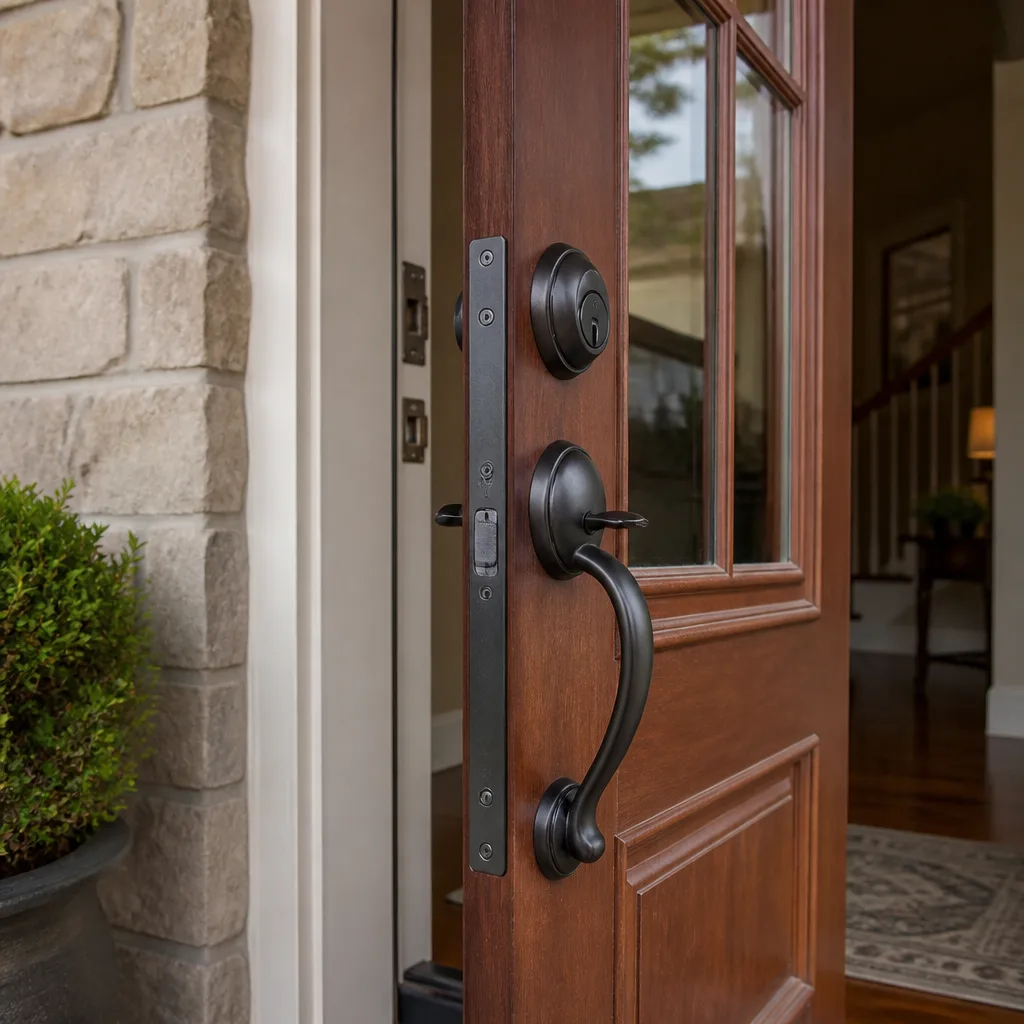
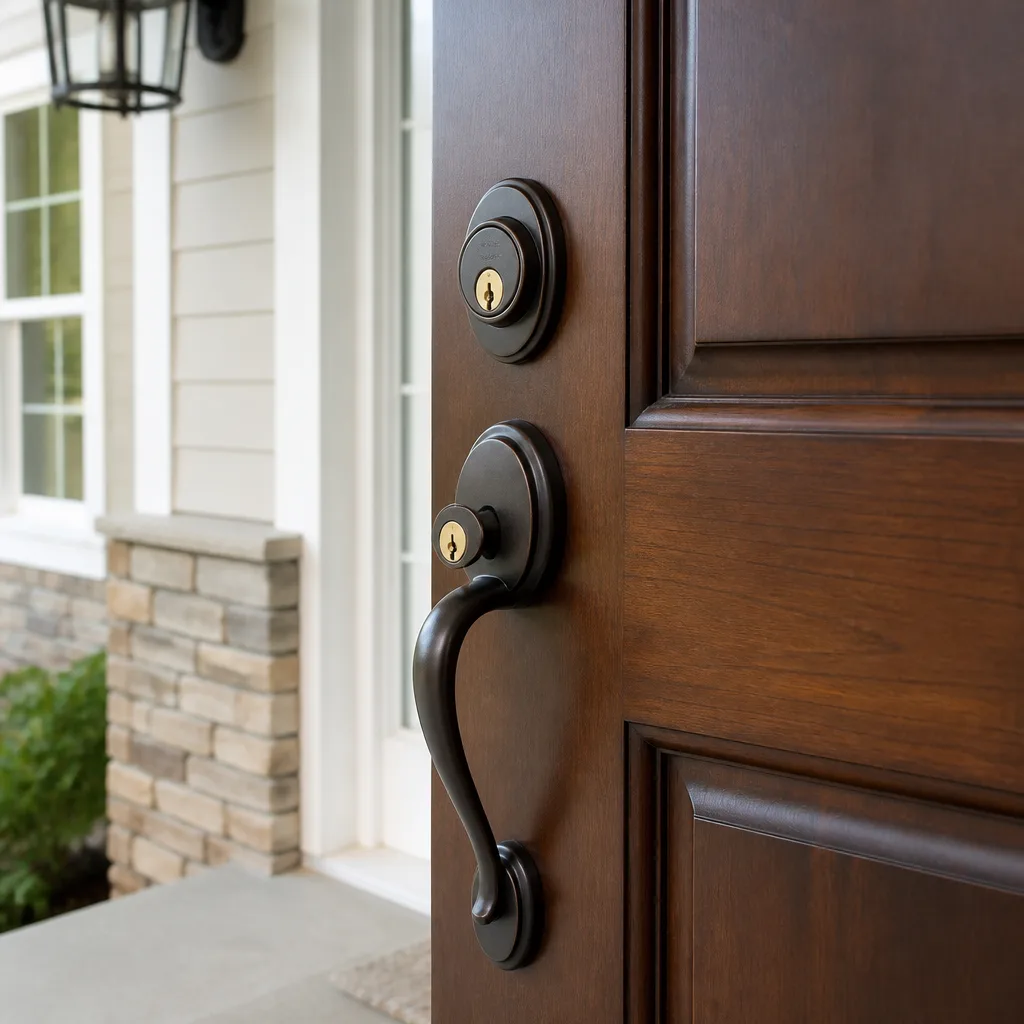
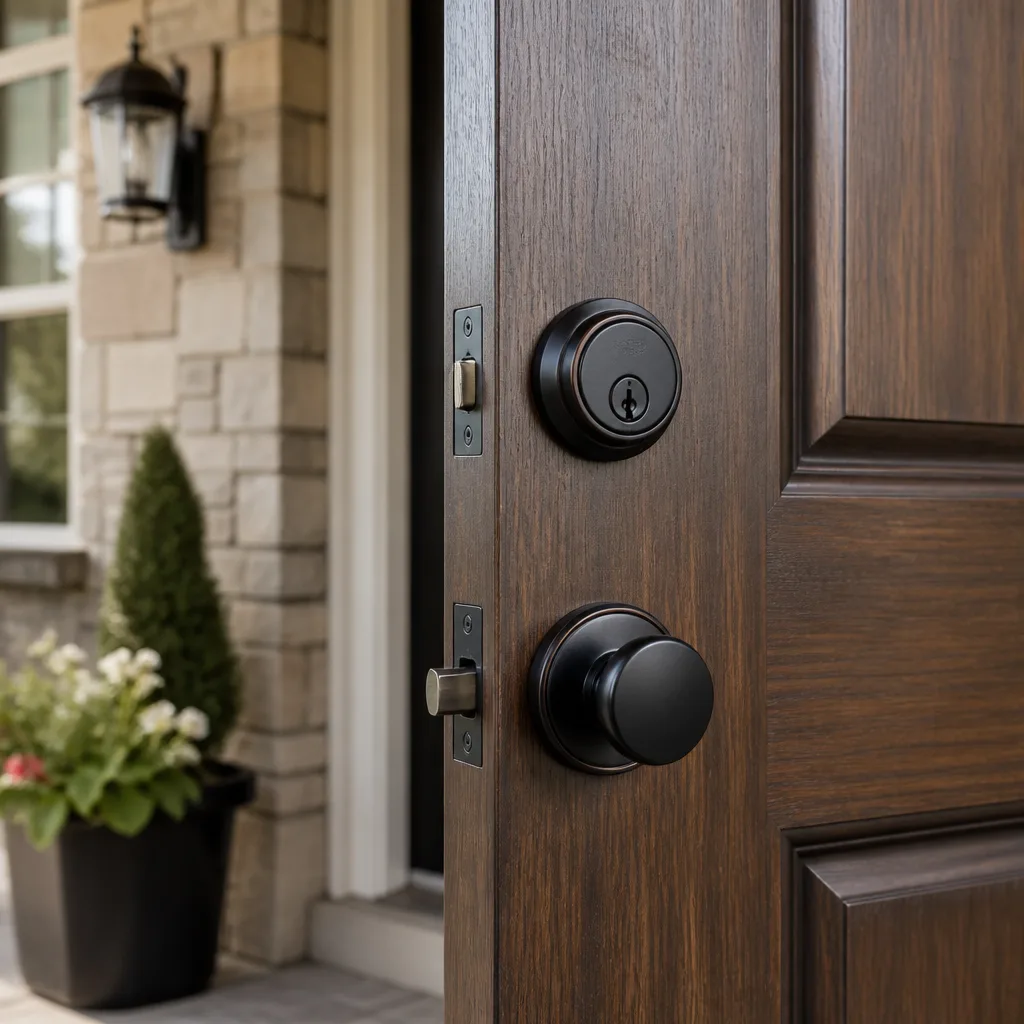
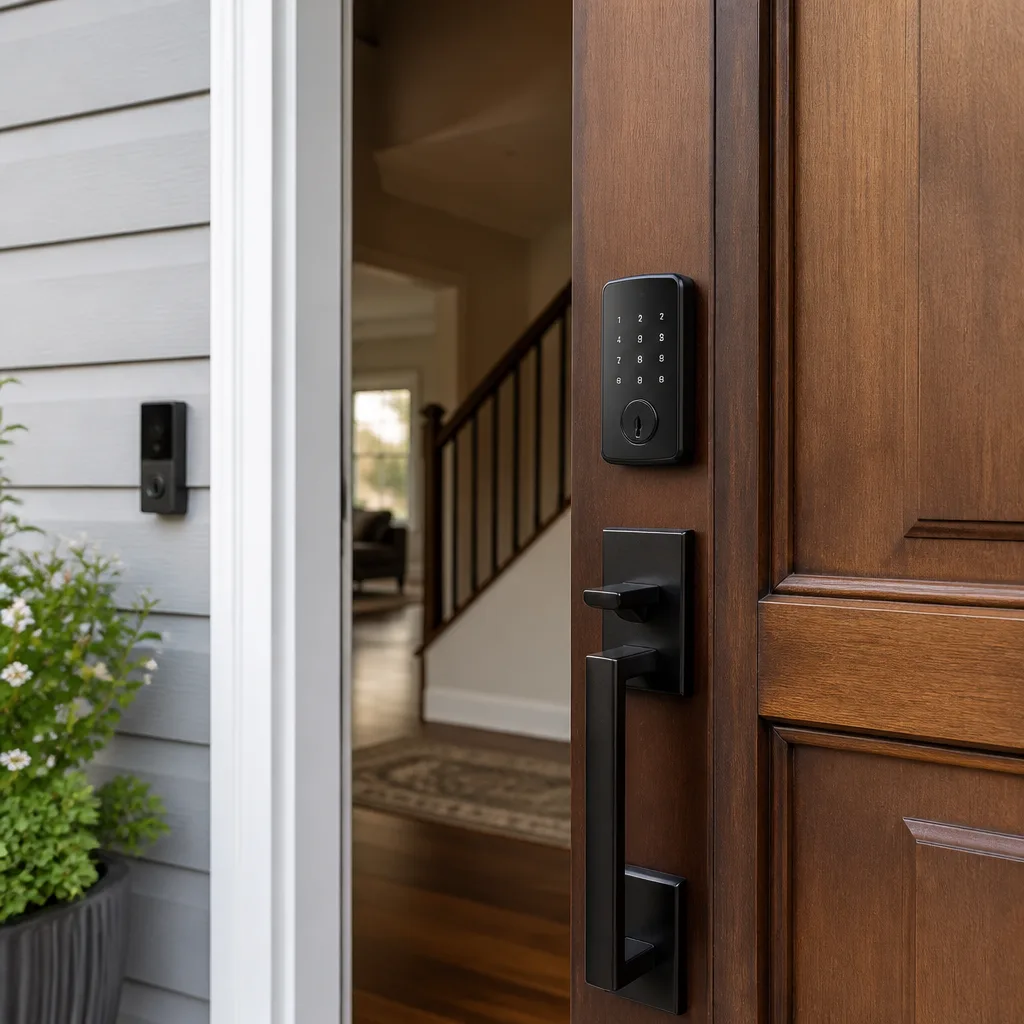
DIY vs Professional Locksmith: The Los Angeles Homeowner’s Decision Guide
The most expensive locksmith call a Los Angeles homeowner can make is the one that follows a failed DIY rekeying attempt. A broken pin tumbler inside a deadbolt cylinder isn’t a ten-minute fix - it’s a full cylinder replacement, and that costs more than hiring a professional from the start. This guide maps the line between what’s genuinely safe to handle yourself and what carries consequences that show up later: in your homeowner’s insurance claim, in the fit of your door, or in a lock that turns without actually securing anything. We’ll walk through specific jobs, real Los Angeles housing stock issues, and the tool economics most guides & resources skip.
Quick Answer
DIY locksmith work makes sense for low-consequence tasks like lubricating a keyway, tightening a loose knob, or swapping an interior passage knob - but not for anything involving a key cylinder, a deadbolt, fire-rated hardware, or a lock tied to an alarm or access control system. In Los Angeles, where pre-1970 door frames are common in neighborhoods like Echo Park and Leimert Park, attempts to rekey or adjust hardware without the right tools frequently warp the frame geometry and cost more to repair than the original professional job. The decision isn’t about skill; it’s about what breaks when the attempt goes wrong.
Table of Contents
- What’s Genuinely Safe to DIY
- What Requires a Professional Locksmith
- Why Los Angeles Housing Stock Changes the Equation
- The Tool Reality: What a Rekeying Kit Actually Costs and Assumes
- Warranty and Insurance Implications of DIY Lock Work
- The Los Angeles Homeowner’s Decision Matrix
- Common Mistakes to Avoid
- When to Call a Professional
- Frequently Asked Questions
- The Bottom Line
What’s Genuinely Safe to DIY
Some lock tasks are closer to routine home maintenance than locksmithing. These are jobs where the failure mode is visible immediately, the fix is reversible, and no security-critical component is being altered. If the lock stops working after your attempt, you’ve lost nothing - the door still opens, the hardware still functions, and a professional can step in without extra cost layered on top.
Here are the tasks we’re comfortable describing as DIY-appropriate for most Los Angeles homeowners:
- Lubricating a keyway: A dry cylinder makes keys stick and grind. A small shot of graphite powder or a Teflon-based dry lubricant into the keyway (never WD-40 - it attracts dust and gums the pins) will restore smooth key turns. This is a two-minute job with a $6 product.
- Tightening a loose door knob or handle: Knobs and levers loosen over time as the set screws back out from daily use. A Phillips screwdriver and two minutes fixes this. Tighten until snug, not until the screw strips.
- Replacing an interior passage knob or handle: Bedroom and hallway doors that don’t lock - or use a simple privacy latch - use standard passage hardware from brands like Kwikset or Schlage. The old knob comes off with a screwdriver; the new one goes on in about 20 minutes with no specialized tools.
- Adjusting a strike plate that’s catching: If the latch bolt doesn’t seat cleanly and the door needs a shove to close, the strike plate may have shifted a millimeter or two. Loosening it, shifting it slightly, and retightening it is low-risk and often solves the problem.
- Replacing a visible doorstop or hinge screw that’s backed out: This is mechanical, not security-related. If the hinge screw hole is stripped, a longer screw (3-inch) driven into the framing behind the jamb can even restore a sagging door’s alignment.
Notice what’s missing from this list: anything involving the key cylinder itself. Once you’re removing a cylinder, removing pins, or working on a lock where the key must still function afterward, the consequence level changes. A lock that turns without resistance, or a key that suddenly operates a different lock than it did before, is a security failure you may not notice until someone else does.
What Requires a Professional Locksmith
Here’s the direct answer: rekeying a deadbolt or entry lock is not a DIY job. Rekeying involves removing the cylinder, replacing the internal pins to match a new key, and reinstalling the cylinder without damaging the springs, the plug, or the clip that holds it all together. A single misaligned pin or over-compressed spring means the key stops working - and once the cylinder is damaged, you’re not rekeying anymore; you’re replacing the cylinder entirely.
Professional-only tasks include:
- Rekeying any entry deadbolt or keyed knob: The pins and springs inside a cylinder are measured in thousandths of an inch. The margin for error is essentially zero. A professional rekey in Los Angeles typically runs $70 to $160 per lock, including the new key - significantly less than the full cylinder replacement ($120 to $250 per lock) that follows a damaged DIY attempt.
- Adjusting a mortise lock: Older Los Angeles apartments and craftsman homes often have mortise locks - the large rectangular lock bodies inset into the door edge. These are intricate mechanisms with multiple springs and levers. Realigning one without the right experience and tools frequently ends with the door binding, the deadbolt no longer throwing fully, or the lock disassembled and unfixable.
- Installing an electrified strike or access control component: Any lock wired to a buzzer, intercom, keypad, or fob system is connected to low-voltage wiring and sometimes fire-alarm integration. Wiring it incorrectly can disable the entire entry system or violate fire code.
- Fire-rated door hardware: A lock on a fire-rated door must be listed for that rating. Replacing it with standard hardware compromises the door’s fire rating and can trigger a code violation if you’re in a multi-unit building or a house with an attached garage firewall.
- ADA-compliant commercial hardware: If the door serves a business, a rental property open to the public, or any commercial space, lock and handle hardware must meet ADA reach, grasp, and force requirements. This is regulated, inspected work - not a weekend project.
We’ve walked into Los Angeles homes where a homeowner spent a Saturday afternoon inside a disassembled deadbolt, springs scattered across the counter, only to discover they’d been rekeying the wrong lock body for a different keyway. The rekey that would have cost $115 took three hours of our technician’s time and a new cylinder. The margin for error isn’t a skill issue - it’s the physics of small springs and the reality of what a locksmith’s pin kit actually contains.
Why Los Angeles Housing Stock Changes the Equation
Los Angeles is not a new-construction city. Walk through Echo Park, Los Feliz, Leimert Park, or Silver Lake and you’ll find door frames and lock mortises cut before 1970 - some before 1940. The wood has moved. The frames have settled. The original mortises were cut for lock bodies that are no longer manufactured.
What that means for DIY lock work:
- Pre-drilled holes don’t line up: Modern replacement locksets assume a standard backset (2 3/8 or 2 3/4 inches from the door edge). Older Los Angeles doors frequently have non-standard backsets or hand-cut mortises that no longer match anything sold at a hardware store. Forcing a modern latch into an old mortise cracks the door edge.
- Settled frames bind locks: A door installed in 1962 in a hillside home in Echo Park has settled. The lock that worked for decades suddenly doesn’t because the strike plate is now a millimeter out of alignment. Attempting to file or drill the strike to “fix” this often widens the hole past the strike plate screws’ grip, requiring a frame repair.
- Old mortise locks are not standardized: The mortise body in a 1940s Leimert Park bungalow likely won’t accept a modern replacement without routing. Enlarging a mortise pocket freehand is high-risk work even for experienced technicians - the door edge is narrow, and one slip with the router destroys the door’s visual face.
Newer construction - tract homes in the Valley, condo conversions downtown - tolerates DIY much better because the pre-drilled holes and standard backsets match what the hardware store sells. The older the home, the more you’re working with an original installation that predates standardization. In cities with newer housing stock, this variable barely exists. In Los Angeles, it’s often the deciding factor between a 20-minute job and an emergency repair.
The Tool Reality: What a Rekeying Kit Actually Costs and Assumes
A genuine rekeying kit - not the toy versions sold as “LockSmith Starter Set” on marketplace sites - costs between $80 and $250. What does that buy you? A pin kit with multiple pin sizes, springs, a plug follower, a set of specialized wrenches, and several blank keys. What it doesn’t buy you is experience with the specific brand of cylinder you’re working on.
And here’s the part most guides skip: the brand matters. A Kwikset cylinder uses a different pin depth and spacing than a Schlage cylinder. The two brands are not interchangeable, and they’re the most common residential locks in Los Angeles. If your home has a mix of Kwikset on the back door and Schlage on the front (extremely common), the kit needs to account for both. High-security cylinders from Medeco or Mul-T-Lock? Those don’t get rekeyed by a consumer, period - the keys are patented and controlled, and the cylinders require specialized tools and authorization.
The realistic math:
- Rekeying kit: $80 to $250.
- Time to learn on your own lock: 2 to 4 hours for a first attempt, including the inevitable “which spring flew where” search.
- Probability of success on first attempt: Generous estimate, 60 to 70 percent. The 30 to 40 percent failure rate means a broken spring, a stuck plug, or a key that only works in one direction.
- Cost of a professional rekey: $70 to $160 per lock in Los Angeles, completed in 15 to 30 minutes per lock, with a warranty.
The math gets sharper when you factor in the damage case: a DIY rekey gone wrong on a Kwikset deadbolt means a new cylinder at $40 to $75 for the part alone, plus the time to install it, plus the realization that you spent a Saturday failing at a task that costs about the same as a dinner for two when done professionally.
Warranty and Insurance Implications of DIY Lock Work
Here’s a consequence most homeowners don’t consider until it’s too late: the insurance claim after a burglary. If a break-in occurs and the investigation finds that the entry lock was recently replaced by the homeowner - or that the lock was tampered with and no longer functioned as intended - the insurance adjuster has a defensible reason to question the claim.
This isn’t hypothetical. Homeowners insurance policies typically require that the insured take “reasonable care” to maintain the security of the property. A professionally installed, UL-listed lock from a brand like Schlage or Kwikset is a documented, defensible security measure. A homeowner-installed lock from a no-name brand, installed without matching the strike plate to the frame, can be cited as a failure of reasonable care. The claim gets denied, or the payout gets reduced, and the homeowner discovers that saving $120 on a rekey cost them thousands in a denied claim.
Also worth knowing: many lock brands void their warranty on DIY installation of certain product lines. Baldwin, for example, explicitly requires professional installation for warranty coverage on its mortise and handle set lines. Sargent and Abloy hardware are commercial-grade, sold through trade channels, and not intended for consumer installation at all. If you want the warranty to be enforceable, the installation needs a paper trail from a licensed professional.
The warranty math on a Blackthorn Locksmith & Security home job is simple: the 365-Day Done Right Promise covers the completed work in writing. If something isn’t right, we make it right. That promise doesn’t exist when the installer is you.
The Los Angeles Homeowner’s Decision Matrix
Here’s a straightforward way to sort any lock task before you pick up a screwdriver:
- Does the job involve removing a key cylinder or internal pins? If yes, professional. No exceptions.
- Does the lock protect an entry door (front, back, side-garage door)? If yes, professional. Entry locks are security devices; a failure doesn’t announce itself.
- Is the door in an older home (pre-1980) with original framing? If yes, professional for anything involving alignment, mortises, or strike plates. The frame has moved over decades, and forcing it back into alignment is a job for someone who does it daily.
- Is the lock fire-rated, ADA-regulated, or wired to an alarm or access control system? If yes, professional. These are code-regulated installations, and getting them wrong has legal and safety consequences.
- Is the task a surface-level fix - lubrication, tightening, replacing an interior knob? If yes, DIY is reasonable. The failure mode is visible and reversible.
That’s the entire decision framework. It’s not about your handiness; it’s about what stands behind the lock and what breaks when the fix fails. The tasks that are genuinely safe to do yourself are the ones where the worst outcome is that you grab a screwdriver again tomorrow. The others are the ones where the worst outcome is a door that looks locked but isn’t.
Cost Comparison: DIY vs Professional in Los Angeles
Here’s what realistic pricing looks like in the Los Angeles market, based on what we see across the city:
- Lubricating a keyway (DIY): $6 to $12 for dry lubricant. Time: 5 minutes. Risk: none.
- Interior passage knob replacement (DIY): $15 to $40 for hardware, 20 minutes. Risk: low - the door still functions if you get it wrong.
- Deadbolt rekey (DIY attempt): $80 to $250 for a rekey kit, 2 to 4 hours, 30 to 40 percent failure rate. Risk: moderate to high - a damaged cylinder doubles the eventual cost.
- Deadbolt rekey (professional): $70 to $160 per lock, 15 to 30 minutes, warranted. Risk: none - the professional stands behind the work.
- Mortise lock adjustment (DIY attempt): No realistic DIY option. Risk: high - disassembling a mortise body on an older Los Angeles door frequently ends in replacement.
- Mortise lock adjustment (professional): $95 to $180, depending on the lock’s condition and age. Risk: none, with the warranty in writing.
- Full cylinder replacement after failed DIY (professional): $120 to $250 per lock. This is the cost you avoid by hiring a professional first.
All professional work we do carries a written price before any work begins - not a verbal estimate, not a range, not a surprise on the invoice. You’ll know the exact number before the technician touches the first screw.
Common Mistakes to Avoid
- Using WD-40 on a lock cylinder: WD-40 is a solvent, not a lock lubricant. It strips the existing lubrication and leaves a residue that attracts dust and lint. Over time the cylinder gums up worse than before. Use a dry graphite or Teflon lubricant, not whatever’s in the garage.
- Drilling out a lock when a key breaks: Drilling a cylinder sends metal shavings into the lock body and often destroys the surrounding hardware. In older Los Angeles doors with non-standard mortises, that means the entire lock assembly - and sometimes the door - needs replacement. A professional can usually extract a broken key without a drill.
- Buying a cheap replacement lock from an online marketplace:Off-brand cylinders sold for $15 often have loose tolerances, non-standard pins, and no UL listing. In a Los Angeles home with a 75-year-old door frame, that cheap lock will bind within a year - and it won’t hold up to any real force.
- Forcing a modern latch into an old mortise: Pre-1970 Los Angeles doors frequently have hand-cut mortises that don’t match standard latches. Forcing it splits the door edge or cracks the frame - and that repair exceeds the cost of any lock.
- Ignoring the strike plate: A lock is only as strong as the strike plate and the screws holding it. Installing a new deadbolt but reusing an old, short-screwed strike plate leaves the door vulnerable. The screws should go 3 inches into the framing, not a half-inch into the door jamb.
- Assuming all locks use the same keyway: Kwikset and Schlage keys are not interchangeable. Rekeying attempts that mix brands result in keys that don’t turn, stuck plugs, and cylinders that need replacing. A professional’s pin kit covers all the common brands; a starter kit covers one, maybe.
- Working on a lock connected to an alarm or access system: If the deadbolt has a sensor wire, or the door is part of a buzzer entry system, disconnecting it without knowing how the system is configured can disable the entire building’s entry. This is especially common in older Los Angeles multi-unit buildings where the intercom system is decades old and the wiring isn’t documented.
When to Call a Professional
Call a professional when the lock protects an entry door and anything is wrong with the key, the cylinder, the fit inside the frame, or the alignment with the strike plate. Call when the lock is on a fire-rated door, on a commercial door with ADA requirements, or wired into an alarm or access control system. Call when the home is older and the door frame predates 1980 - the risk of doing irreversible damage is real, and the fix costs more than the original job. Call when you’ve already attempted a fix and the lock binds, the key sticks, or the deadbolt no longer throws fully; we’ve undone worse accidents than the one you’re looking at. Blackthorn Locksmith & Security offers free estimates in Los Angeles - call (818) 390-9007 and a live person will answer, any hour, any day.
Frequently Asked Questions
You can attempt it, but the success rate for a first-timer on a residential deadbolt is about 60 to 70 percent, and the failure mode is a broken cylinder that costs more to replace than the rekey would have cost. Rekeying requires a pin kit, plug follower, and brand-specific knowledge (Kwikset and Schlage pins are not compatible). A professional rekey in Los Angeles costs $70 to $160 per lock and takes under 30 minutes.
Rekeying runs $70 to $160 per lock, lockout service $75 to $150, lock replacement $120 to $300 per lock depending on hardware grade, and mortise lock repair $95 to $180. Every job we do includes a written price before work begins - that’s the exact number on the invoice, not an estimate. For a precise quote on your specific situation, call (818) 390-9007.
Rekeying is almost always cheaper: $70 to $160 per lock versus $120 to $300 for a full replacement. Rekeying only replaces the internal pins and gives you a new key; it preserves the existing hardware, which matters on older Los Angeles doors where replacement requires adapting to non-standard frames. You only need replacement when the hardware itself is damaged, worn, or you want an upgrade to higher-grade or smart hardware.
It can, in a specific way: if a break-in occurs and the investigation finds the lock was improperly installed or no longer functioned as intended, the insurance claim can be reduced or denied for “failure to maintain reasonable security.” Professionally installed, UL-listed hardware from recognized brands like Schlage is a documented, defensible security measure. The $120 you save on a DIY install can cost thousands in a denied claim.
Working with older Los Angeles door frames. Pre-1970 homes in Echo Park, Los Feliz, and Leimert Park have door frames that have settled, mortises cut by hand, and non-standard backsets that don’t match modern hardware. The lock mechanism itself is often the easy part; getting it to sit correctly in a 70-year-old frame is where DIY attempts usually fail.
No, an interior passage knob on a bedroom or hallway door is a reasonable DIY job. It takes about 20 minutes, requires only a screwdriver, and the failure mode is visible and reversible. Just buy standard passage hardware from Kwikset or Schlage, not the off-brand version sold for a few dollars less.
The Bottom Line
The DIY versus professional locksmith question in Los Angeles comes down to consequence level, not skill level. Lubricating a keyway, tightening a loose knob, and swapping an interior passage knob are safe weekend tasks with reversible failure modes. Rekeying a deadbolt, adjusting a mortise lock, or touching anything wired to an alarm or access control system carries real consequences: damaged cylinders, voided warranties, insurance complications, and doors that look locked without being locked. In older Los Angeles homes with settled frames and non-standard mortises, the margin for error shrinks further. When the lock protects an entry door, the stakes exceed the savings. Blackthorn Locksmith & Security offers free estimates in Los Angeles - call (818) 390-9007 and a live person will answer, 24 hours a day, 7 days a week. We also provide Residential Locksmith in Los Angeles, Commercial Locksmith in Los Angeles, and Access Control Systems in Los Angeles.
Written by Shane Delaney, Owner at Blackthorn Locksmith & Security, serving Los Angeles since 2008.