
Last updated October 8, 2026
Non-destructive entry first, always - and we re-key Schlage, Kwikset, and Baldwin locks on the spot while you watch
You get a price before we start. It does not change when we arrive. No surprises.
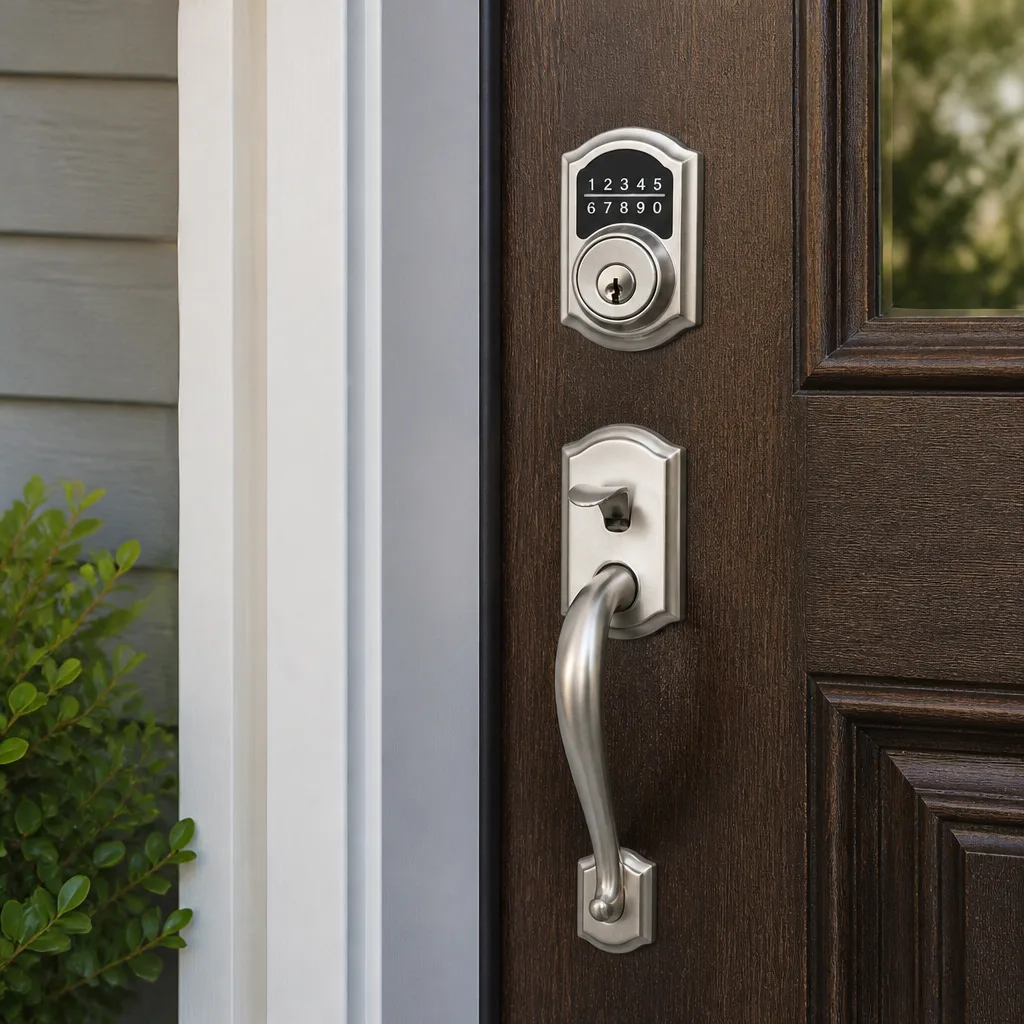
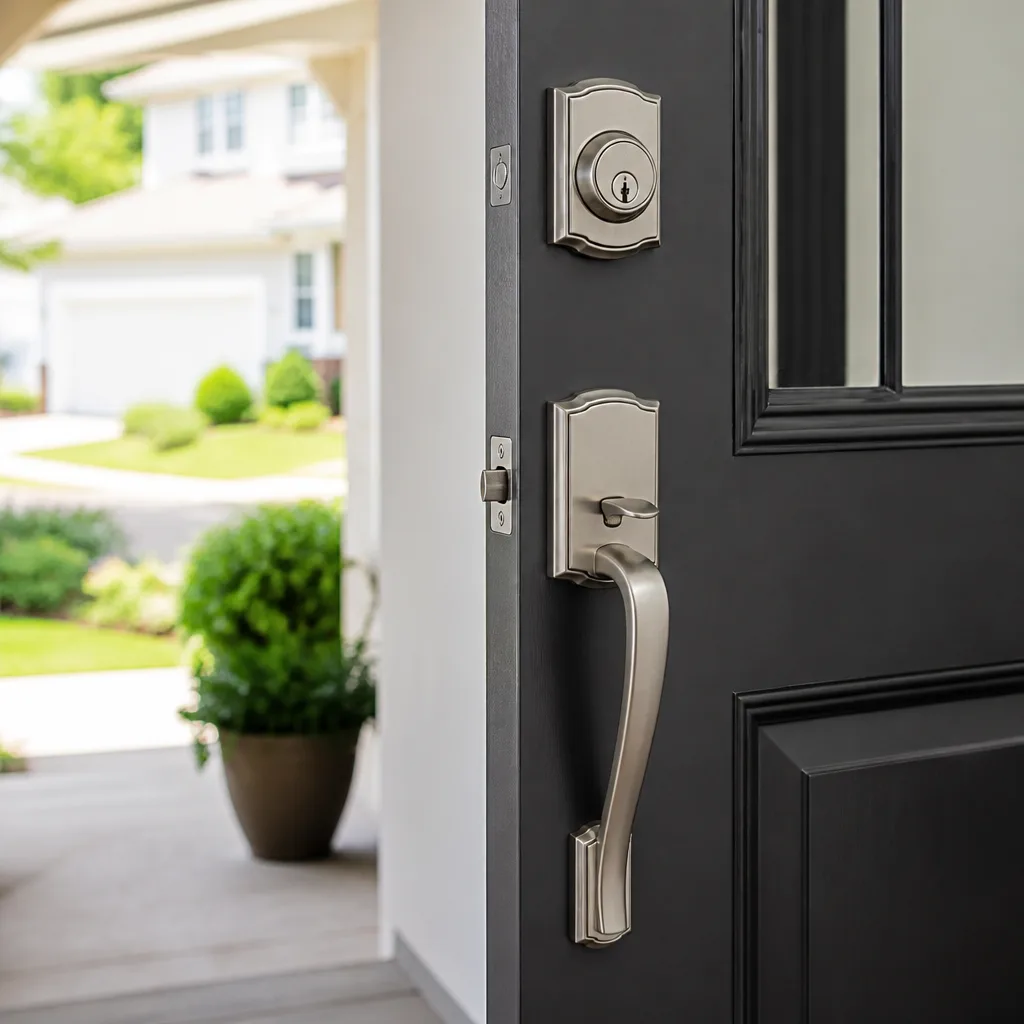
Locksmith Warning Signs: A Los Angeles Homeowner’s Reference Guide
The most common locksmith scam in Los Angeles doesn’t involve a fake uniform or a broken lock. It involves a real technician, a real van, a real job, and a bill that is four times the quoted price, collected before you can get back inside your own home. If you’re locked out in Silver Lake at 11 p.m. or dealing with a jammed deadbolt in Woodland Hills, you’re not researching – you’re reacting. That reaction window is exactly what bait-and-switch operations in Los Angeles count on. This guide gives you the specific warning signs to check before anyone gets out of a van, and the exact language to use if a price starts climbing on your doorstep.
Quick Answer
The three clearest warning signs of a locksmith scam in Los Angeles are: an advertised price under $35 for a service call, a technician who arrives in an unmarked vehicle or without company identification, and a sudden on-site claim that your lock is “high-security” and needs a more expensive replacement. A legitimate Los Angeles locksmith will quote a written price before work begins, arrive in a marked vehicle with identification, and never demand cash-only payment after the fact. If any of these red flags appear, stop the job and call a different locksmith.
Table of Contents
- The Three-Number Phone Trap: How Bait-and-Switch Dispatch Works in Los Angeles
- What a Legitimate Locksmith’s Van, Invoice, and ID Should Show
- Why a $15-$35 Service Call Is a Structural Warning Sign, Not a Bargain
- The On-Site Escalation Playbook: “High-Security” Upsells, “Destroyed” Locks, and Cash-Only Demands
- What Honest Locksmith Work Actually Costs in Los Angeles
- How to Verify a Locksmith Before You Need One
- How to File a Complaint with the Los Angeles City Attorney’s Consumer Protection Division
The Three-Number Phone Trap: How Bait-and-Switch Dispatch Works in Los Angeles
When you search for a locksmith in Los Angeles, the same operation often runs dozens of listings under different names. Each listing shows a different local phone number. All three numbers route to the same call center, often located outside California. The person who answers says “Los Angeles locksmith” because that’s the script, not because they’re on Western Avenue or Ventura Boulevard.
Here’s how the model works:
- The call center quotes a low price. You’ll hear $15 to $35 for a service call, plus a vague “lockout fee” they’ll confirm later. The person on the phone has never seen a lock cylinder in their life. They’re reading from a rate card.
- The dispatcher sends an unlicensed contractor. The technician who arrives is not an employee of the company you called. They’re an independent operator who pays a commission to the call center for every lead. They have no fixed Los Angeles address, no business license tied to the listing, and no incentive to protect a reputation.
- The on-site price explodes. The technician arrives, looks at the lock, and explains that the job is more complicated than the call center understood. The lock is “high-security.” The door needs to be re-drilled. The cylinder is “commercial grade.” The final bill lands between $300 and $600 for a job that should cost $95 to $200.
The three-number structure matters because it breaks accountability. The call center can blame the technician. The technician can blame the call center. Nobody owns the job, and nobody has a Los Angeles address you can visit. When you call back to complain, you get a different operator who has no record of your call.
We’ve heard this same story from homeowners in Atwater Village, Mid-City, and Sherman Oaks, and the pattern is identical every time. The low number gets you on the hook. The second number disconnects you from anyone responsible. The third number is the one you call when the bill shows up wrong, and it never answers.
What a Legitimate Locksmith’s Van, Invoice, and ID Should Show
A real Los Angeles locksmith operation leaves a documentary trail. Scam operations count on you not knowing what that trail looks like. Here are the specific details to check before a technician touches your door:
The Van
- Marked with a company name and phone number. The vehicle should display the same business name you saw on the listing you called. Not a generic “Locksmith 24/7” magnet. The actual name.
- California license plates. A legitimate Los Angeles locksmith operation runs local vehicles. Out-of-state plates on a locksmith van are a bright red flag.
- Company branding on both sides, not just a door magnet. Door magnets can be swapped between vehicles in seconds. Painted or vinyl-wrapped branding means the vehicle belongs to the business.
The Identification
- A company-issued ID badge or card with a photo and the technician’s name. Not just a printed lanyard from a trade show. The ID should match the company name on the van and the invoice.
- The technician should be willing to show you their ID before you let them touch anything. A legitimate technician expects this. A scam operator will act offended or change the subject.
The Invoice
- A written price before any work starts. Not a verbal estimate. Not “we’ll see how it goes.” A written line-item price that matches the final invoice. If the technician won’t write it down, end the interaction.
- The invoice should include the company’s legal business name, a Los Angeles or California street address, and a working phone number. A PO box with no street address is a warning sign. An invoice with just a first name and a cell number is a warning sign.
At Blackthorn Locksmith & Security home, every technician arrives in a marked vehicle, carries company ID, wears a uniform with the Blackthorn name on it, and writes out the full price before touching the door. We carry and install hardware from Schlage, Kwikset, Yale, Baldwin, Medeco, Mul-T-Lock, Sargent, and Abloy, which means we can work on whatever is on your door without inventing a reason to replace it.
Why a $15-$35 Service Call Is a Structural Warning Sign, Not a Bargain
A service call in Los Angeles costs money before anyone turns a screwdriver: fuel, insurance, background-checked labor, vehicle maintenance, and the time spent driving from one neighborhood to the next. A licensed, insured locksmith in Los Angeles cannot cover those costs on a $19 service call. The math doesn’t work.
So how do the $19 operations stay in business? The low service call is not a discount. It’s a lead-generation cost. The operation loses money on the drive to your door, then recovers it through on-site escalation: replacing locks that didn’t need replacing, claiming a standard Schlage cylinder is “high-security,” or adding fees for “specialty tools” that any qualified locksmith carries by default.
The honest floor for locksmith work in Los Angeles looks more like this:
- Lockout service (residential, daytime): $65-$120, depending on time and location
- Lockout service (residential, after hours): $95-$180
- Deadbolt installation (standard Schlage or Kwikset): $50-$120 for labor, plus the cost of hardware
- Rekeying a standard cylinder: $20-$45 per cylinder, with a service call minimum
- High-security cylinder installation (Medeco, Mul-T-Lock, or Abloy): $150-$350 per lock, including hardware and labor
These are honest ranges for the Los Angeles market. A $19 service call is not a cheaper version of this work. It’s a different business model entirely, and the person paying for it is you, at the door, when the price changes.
The On-Site Escalation Playbook: “High-Security” Upsells, “Destroyed” Locks, and Cash-Only Demands
Once a technician is standing at your door, the scam playbook follows a predictable sequence. Understanding the sequence is half the defense, because each step is designed to make the previous step harder to walk away from.
Step One: The Complexity Claim
The technician examines your lock and announces it’s “more complicated than expected.” This is the setup. It reframes the low phone quote as an innocent misunderstanding, not a bait-and-switch. The lock in your door might be a perfectly standard Kwikset deadbolt, but the technician will call it “commercial grade” or “high-security” and explain that it requires specialized tools and a higher rate.
Step Two: The Damage Claim
If you challenge the price increase, the technician may claim the lock is “destroyed” and must be replaced entirely. This achieves two things at once: it justifies a much higher bill, and it creates a sense of urgency. If the lock is destroyed, you can’t simply pay for the service call and walk away. You need a new lock right now.
Here’s what to remember from our Residential Locksmith Troubleshooting: Common Problems and How to Fix Them guide: a legitimate locksmith rarely needs to destroy a lock to open a standard residential door. We can pick, bump, or bypass most residential cylinders without drilling. If a technician’s first move is the drill, that’s a choice about billing, not a necessity of the job. Ask them to show you why drilling is required. If they can’t explain it clearly and calmly, tell them to stop.
Step Three: The Cash-Only Demand
The final escalation is the payment demand. The technician completes the work, hands you a bill for $480, and explains that the company only accepts cash or a payment app. No credit card, no invoice trail, no written record of what was done. Cash disappears. A credit card charge can be disputed. That’s why cash-only is the scam operator’s preferred endpoint.
Here are the exact words to use if the price starts climbing:
- “I’m not authorizing any work beyond the original scope. Please write down the new price and I’ll compare it to my other options.”
- “I need a written invoice with your company’s business name, street address, and license information before any work continues.”
- “Stop the work. I’m calling another locksmith. Here’s what I’ll pay for your time so far.”
You are not obligated to let a technician continue working on your door. The door is your property. The lock is your property. A legitimate locksmith will never pressure you to make an immediate decision under threat of a broken lock. In our experience across Residential Locksmith in Los Angeles service calls, the homeowners who avoid trouble are the ones who ask for a written price before work begins and are willing to say “stop” when the number changes.
What Honest Locksmith Work Actually Costs in Los Angeles
If you know what a fair price looks like, the scam numbers stand out instantly. Here’s a more detailed breakdown of residential locksmith pricing in Los Angeles, based on what we charge and what other legitimate shops in the market charge:
| Service | Typical Los Angeles Range | Notes |
|---|---|---|
| Residential lockout (daytime, standard cylinder) | $65-$120 | Includes the service call and labor for a standard pick or bypass |
| Residential lockout (after hours, weekends, or holidays) | $95-$180 | Night rates apply after roughly 8 p.m. and on holidays |
| Rekey a single cylinder (labor only) | $20-$45 | Hardware not included; add $10-$20 for new pins if needed |
| Deadbolt installation (standard Schlage or Kwikset) | $50-$120 labor | Hardware separate; budget $35-$80 for a good residential deadbolt |
| Deadbolt installation (Yale or Baldwin) | $80-$150 labor | Higher-end finishes and mechanisms take longer to install and align |
| High-security cylinder (Medeco, Mul-T-Lock, or Abloy) | $150-$350 per lock | Includes hardware, key control, and installation |
These ranges assume a licensed, insured operation with real overhead: marked vehicles, background-checked technicians, insurance, a Los Angeles business address, and a phone number answered by a human. When you see a $19 service call, ask yourself which of those things the low number pays for. The answer is usually none of them.
Our own pricing follows this same structure. We quote a written price before any work starts on every Commercial Locksmith in Los Angeles or residential job. The price on the written quote is the price on the invoice. There is no call-out surcharge added on arrival, and no “we discovered it’s more complicated” conversation after the fact. If the job does require extra work, we quote the additional cost in writing before doing it.
How to Verify a Locksmith Before You Need One
The best defense against a bad locksmith is to choose one before you’re locked out at midnight, following a Residential Locksmith Maintenance Schedule: What to Do and When. When you’re standing on the sidewalk with your keys on the kitchen counter, you’re not in a position to compare prices, check licenses, or ask for written quotes. You’re going to call the first number that looks local and hope for the best.
Here’s a step-by-step verification process you can do ahead of time:
- Go to the California Secretary of State business search and look up the company name. A legitimate locksmith operating in Los Angeles should be registered as a business entity in California. If the name doesn’t come up, ask why.
- Ask for the company’s street address. Not a PO box. A real Los Angeles address you could drive past. Then look it up on a map. If the address is a UPS Store or a vacant lot, that’s your answer.
- Call the number and ask two questions: “What’s your service call fee?” and “Do you provide a written price before work starts?” Listen to how they answer. A direct answer to both questions takes ten seconds. Evasion is a warning sign.
- Ask what brands of hardware they install and service. A legitimate locksmith will name brands: Schlage, Kwikset, Yale, Baldwin, Medeco, Mul-T-Lock, Sargent, Abloy. A scam operator will describe their work in vague terms like “all kinds of locks” or “whatever you’ve got.”
- Check whether a live person answers the phone. At 2 p.m. or 2 a.m. If you get a voicemail tree and a callback queue, that’s how it will work when you actually need help.
We work to the Cedarwell Care Promise on every job, which means a written price before work begins, shoe covers and drop cloths inside the home, a photo of the clean-up before the technician leaves, and the 365-Day Done Right Promise covering all completed work. Those promises are printed, documented, and named. They’re not personality traits. They’re procedures.
How to File a Complaint with the Los Angeles City Attorney’s Consumer Protection Division
If you’ve already been overcharged, pressured into unnecessary work, or hit with a cash-only demand, you have recourse. The Los Angeles City Attorney’s Consumer Protection Division investigates complaints against businesses operating within city limits, including fraudulent locksmith operations. Here’s how to make your complaint actionable:
- Document everything at the scene. Take photos of the technician’s vehicle (including the license plate), the technician themselves if they’ll allow it, the lock before and after the work, and any paperwork they provide. If the technician won’t provide a written invoice, write down everything you remember immediately: the name they gave, the phone number you called, what they said about the price, and the final amount charged.
- Keep all records. Save the phone number you called, any text messages or call logs, the invoice (if you got one), and receipts for any cash or payment app transfers. Cash is harder to trace. Payment apps have transaction IDs that can be subpoenaed.
- Contact the Los Angeles City Attorney’s Consumer Protection Division. They accept complaints online, by mail, and by phone. The division has specifically pursued locksmith fraud cases in Los Angeles, and a documented complaint with photos and a timeline is far more actionable than an angry phone call.
- File a complaint with the California Bureau of Security and Investigative Services (BSIS). Locksmiths in California are required to be licensed by BSIS. Operating without a license is a violation, and BSIS maintains a public database where you can verify whether a locksmith holds active licensing. If the technician who overcharged you is unlicensed, that’s a separate violation and strengthens your complaint.
The documentation you collect at the scene is what separates a complaint that gets investigated from one that gets filed away. A license plate number, a photo of an unmarked van, a payment app transaction ID: these are evidence. An angry account of what happened is not.
Common Mistakes to Avoid
- Calling the first number in the search results without verifying the business. Scam locksmith operations in Los Angeles invest heavily in ad placement. Being first doesn’t mean being legitimate. Check for a local address and a verifiable business registration before you dial.
- Accepting a verbal estimate without a written quote. A verbal estimate disappears the moment the price doubles. A written price creates a document you can hold up, dispute, and use as evidence in a complaint. If a technician won’t write it down, end the interaction.
- Letting the technician leave before you inspect the work. A legitimate locksmith walks you through the work, shows you the new or rekeyed lock functioning, and gives you a chance to ask questions. If the technician is racing back to the van, that’s a signal they don’t want you looking too closely.
- Paying cash because it’s “easier.” Cash erases the paper trail. Pay with a credit card when possible, and always demand an invoice with the company’s legal name, street address, and phone number. Cash-only demands are a scam operator’s signature move.
- Calling a locksmith from a sticker placed on your door or lock. Some operations in Los Angeles place stickers on doors and locks in the hope you’ll call that number when you’re locked out. The sticker is not a recommendation. It’s advertising, sometimes placed without the property owner’s knowledge.
- Assuming a uniform means legitimacy. A polo shirt with “Locksmith” embroidered on it costs $20. A uniform without a company name, without an ID badge, and without a marked vehicle is camouflage, not credential.
When to Call a Professional
There are moments when calling a locksmith is the right call, and moments when it’s the only call. If you’re locked out in Los Angeles and someone in the house needs medication or medical attention, call immediately. If your front door deadbolt is jammed, damaged, or was tampered with after a break-in, call immediately. If you’ve just moved into a new home in Los Angeles and don’t know who has copies of the keys, a rekey is the single highest-value security upgrade you can make. If you need a high-security cylinder installed (Medeco, Mul-T-Lock, or Abloy) with controlled key duplication, the work requires specialized tools and training that only a professional locksmith carries. And if you need an Access Control Systems in Los Angeles installation for a multi-unit building or office, a licensed professional handles the electrical work, credential programming, and system integration. Blackthorn Locksmith & Security offers free estimates in Los Angeles – call (818) 390-9007.
Frequently Asked Questions
A legitimate Los Angeles locksmith will have a verifiable street address (not a PO box), a California business registration on file with the Secretary of State, an active BSIS license, a marked vehicle with California plates, and a technician who carries company ID and provides a written price before starting work. If any of those five things is missing, especially the written price, treat it as a warning sign and consider calling someone else.
A standard residential lockout in Los Angeles typically costs $65 to $120 during daytime hours and $95 to $180 after hours or on weekends. Deadbolt installation runs $50 to $150 for labor depending on the hardware brand, and rekeying a standard cylinder costs $20 to $45 per cylinder plus a service call minimum. High-security cylinders from Medeco, Mul-T-Lock, or Abloy run $150 to $350 per lock including hardware and installation. Any advertised price below $35 for a service call is a structural warning sign, not a bargain. Call (818) 390-9007 for an exact quote on your specific situation – estimates are free.
With a legitimate locksmith, yes. The phone quote should be confirmed in writing before any work begins, and the final invoice should match the written quote exactly. With a scam operation, no. The phone quote is a lead-generation tool, and the on-site price will be two to four times higher. The single most important thing you can do is demand a written price before the technician touches your door. Our policy at Blackthorn is simple: the written price before work is the price on the invoice, with no surprises added at the door. Call (818) 390-9007 for a quote you can hold us to.
The technician arrives in an unmarked vehicle or a vehicle with mismatched branding. They don’t offer or won’t show company ID. They immediately claim the lock is more complicated than described on the phone. They push for cash or a payment app instead of a credit card. They claim a standard lock is “high-security” or “destroyed” and needs replacement. They refuse to provide a written invoice. Any one of these signs is a reason to pause. Three or more is a reason to call a different locksmith.
Response time depends on where you are in Los Angeles and what time it is. A locksmith with multiple technicians can typically reach most Los Angeles neighborhoods within 30 to 60 minutes during normal hours, and 45 to 90 minutes after hours. Be wary of anyone promising a 15-minute arrival across the entire city: that’s a dispatch claim, not a driving time claim. A live person answers our phone 24/7, so you’ll always know how far out the technician is. Call (818) 390-9007 and you’ll get a real answer, not a voicemail tree.
Locksmiths in California are licensed by the Bureau of Security and Investigative Services (BSIS), which maintains a public license look-up database online. You can search by company name or individual name to verify that a license is active. Scam operations in Los Angeles often work by sending unlicensed contractors who are not listed in any database. Ask the technician for their BSIS license number while they’re on site and check it before work begins. A legitimate locksmith will provide the number without hesitation.
The Bottom Line
Locksmith scams in Los Angeles work because they exploit a moment of vulnerability: you’re locked out, it’s late, and you just want this to be over. The warning signs are consistent and checkable. A $19 service call. An unmarked van. A technician without ID. A lock that’s suddenly “high-security.” A cash-only demand. The words “stop the work” are yours to use, and a written price is your right to ask for. Choose a locksmith before you need one, verify the address and license, and get the price in writing before the drill comes out. For additional protection tips, see our more guides & resources. That’s how you protect your home, your money, and your evening in Los Angeles.
Written by Shane Delaney, Owner at Blackthorn Locksmith & Security, serving Los Angeles since 2008.