
Last updated October 8, 2026
Non-destructive entry first, always - and we re-key Schlage, Kwikset, and Baldwin locks on the spot while you watch
You get a price before we start. It does not change when we arrive. No surprises.
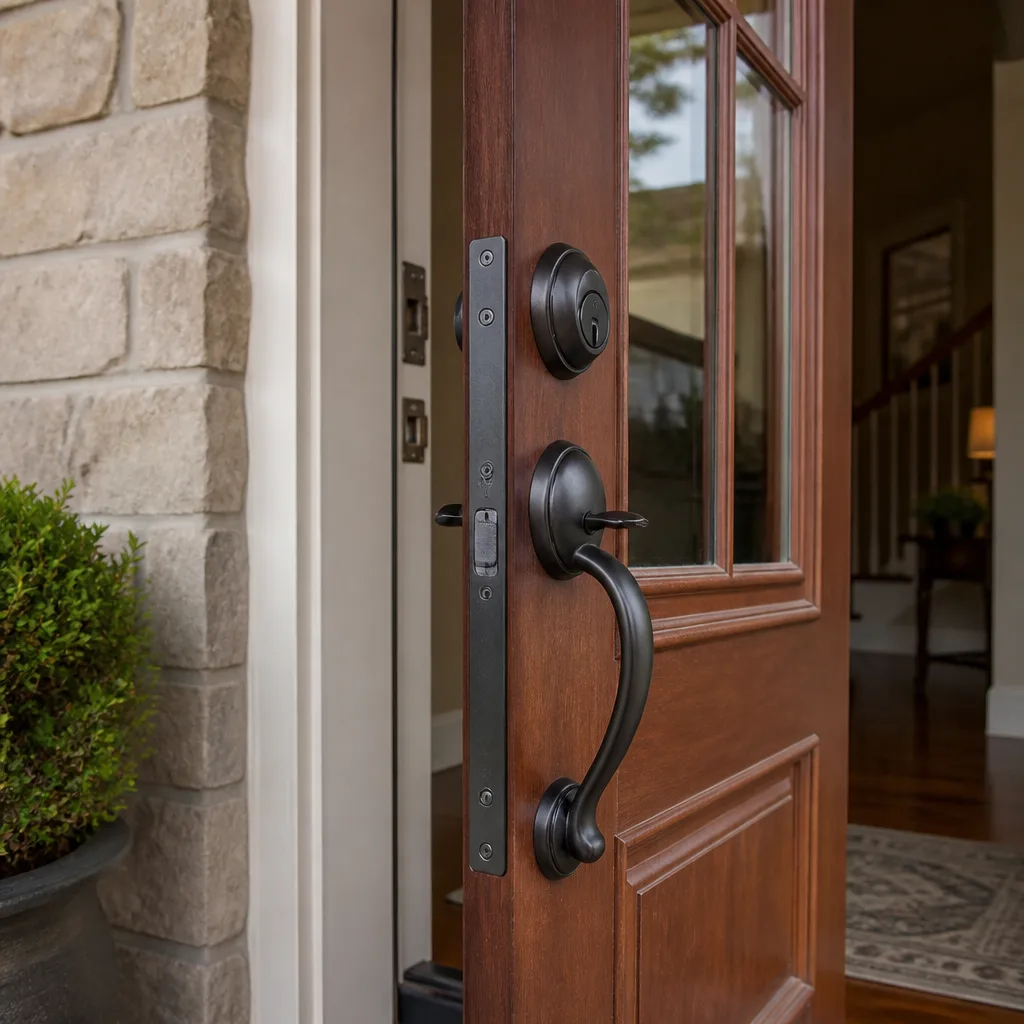
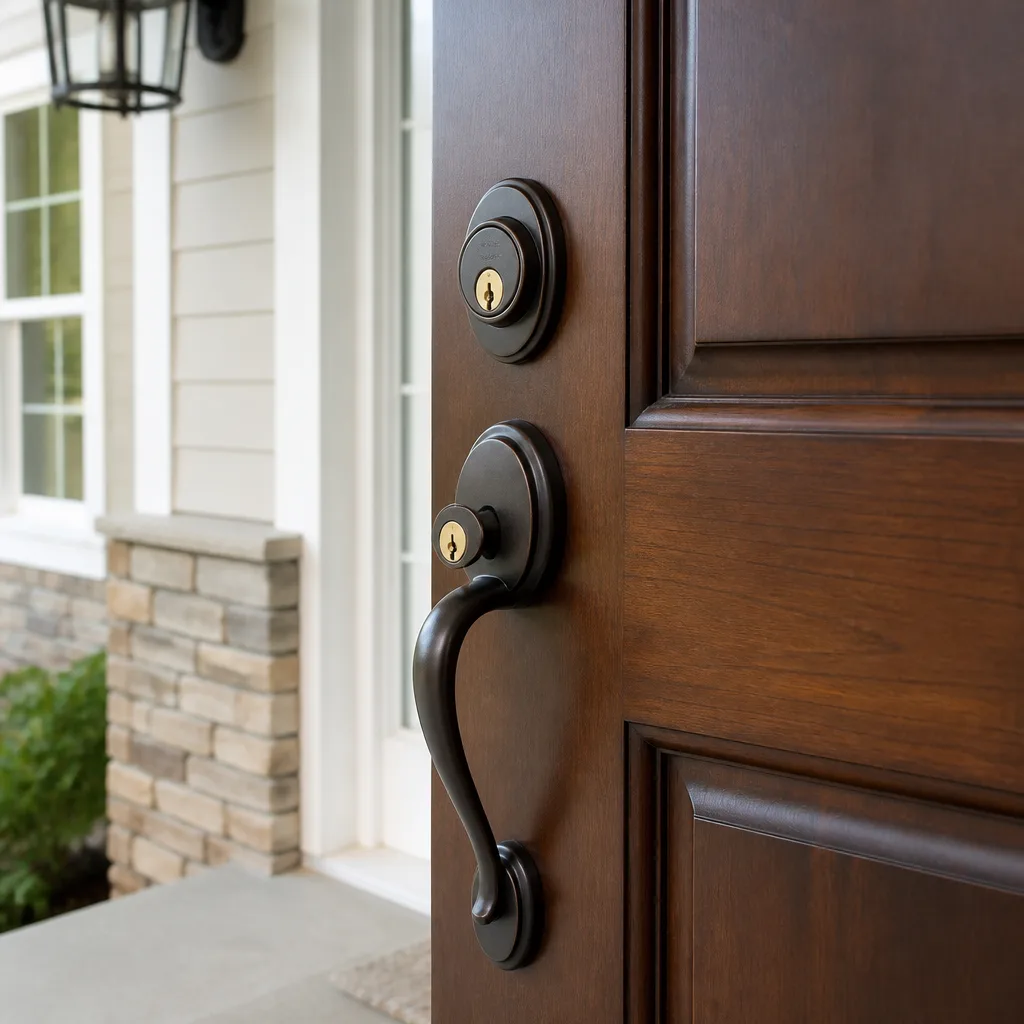
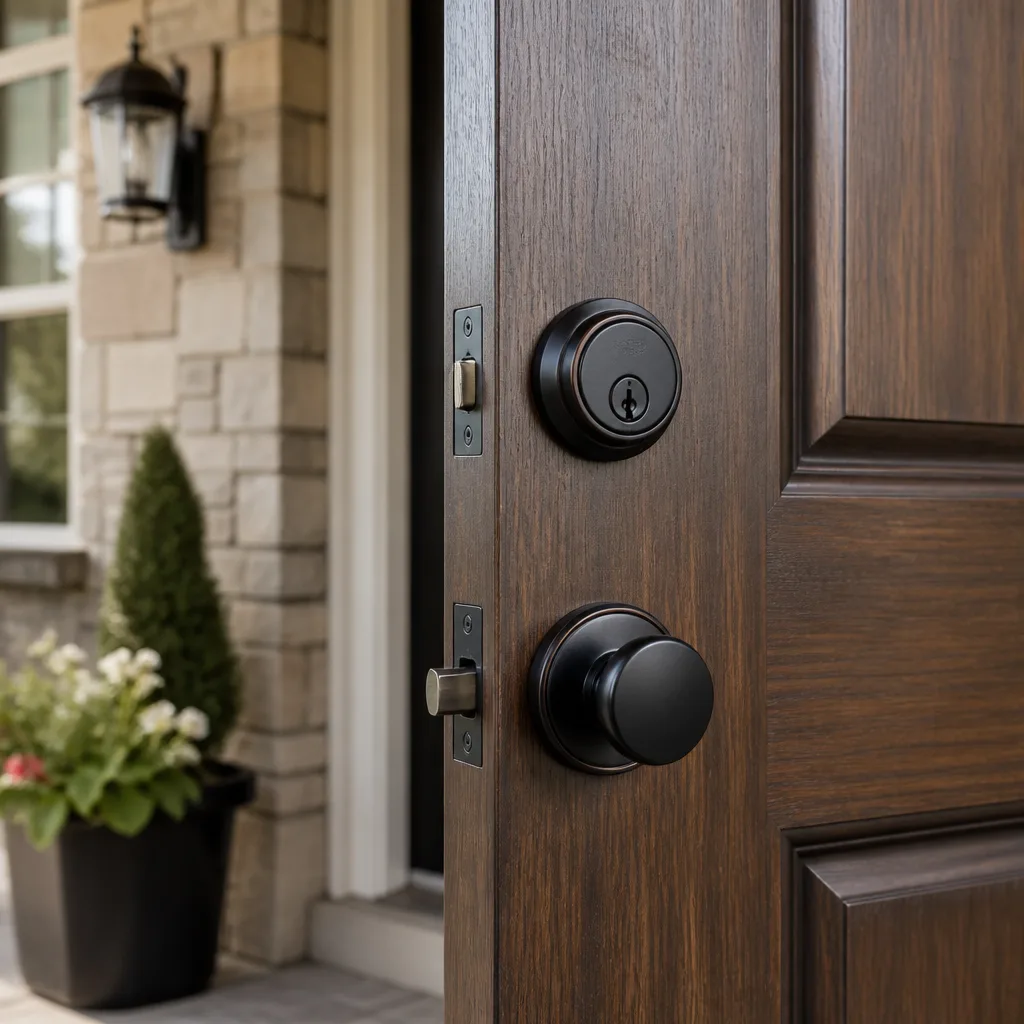
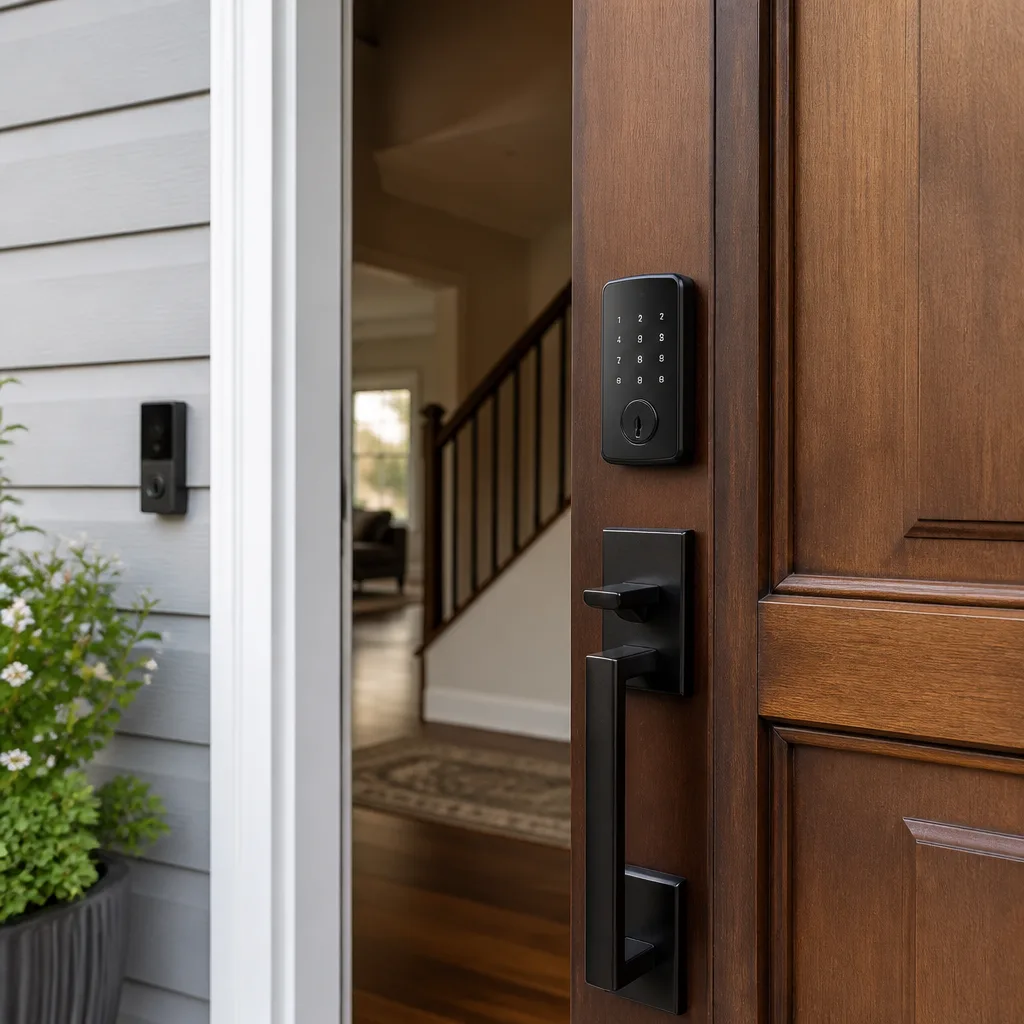
The Complete Access Control Systems Guide for Los Angeles Homeowners
A keypad deadbolt that works perfectly in a Phoenix suburb may be incompatible with a Los Angeles HOA’s door modification rules, and no one tells you this until after installation. The same goes for electric strikes that violate California fire-egress codes, or cloud-based systems that go dead when a wildfire knocks out the grid and you need to get out fast. Los Angeles isn’t like other markets. Our mix of hillside single-family homes, older multi-unit buildings, strict HOA governance, and seismic retrofitting mandates means the “best” access control system depends entirely on your specific property profile. This guide maps those local constraints onto the hardware categories so you can make a decision that actually fits your Los Angeles home, not a generic template written for somewhere else. For a deeper dive, see The Complete Guide to Locksmith in Los Angeles.
Quick Answer
Access control for Los Angeles homeowners falls into three categories: standalone keypad deadbolts ($150-$400 installed), cloud-based smart locks ($250-$650 installed), and full Access Control Systems with electric strikes or maglocks ($1,200-$4,500+ installed, depending on door count and wiring). Before buying anything, check your HOA’s CC&Rs for exterior hardware restrictions, confirm egress compliance under the California Fire Code, and choose hardware that fails safe (unlocks) rather than fails secure (stays locked) if you’re in a wildfire evacuation zone. A licensed locksmith should handle anything wired; consumer-grade smart locks can be DIYed but carry warranty and liability trade-offs worth understanding first.
Table of Contents
- What Access Control Actually Is (and What It Isn’t)
- Los Angeles HOA CC&Rs: The Gatekeeper You Forgot to Ask
- California Fire Code, Electric Strikes, and Egress Law
- The Three System Types, Mapped to Los Angeles Property Profiles
- What It Costs in Los Angeles: A Line-Item Breakdown
- Power Outages, Seismic Events, and Wildfire Evacuation Failure Modes
- Consumer Smart Lock vs. Licensed Locksmith Install: The Real Difference
- Common Mistakes to Avoid
- When to Call a Professional
- Frequently Asked Questions
- The Bottom Line
What Access Control Actually Is (and What It Isn’t)
Access control is any system that manages who can open a door and when. For a Los Angeles homeowner, that typically means a keypad deadbolt on the front entry, a smart lock tied to a phone app, or a wired system that runs an electric strike on a gate or side door. The term gets thrown around loosely. A Ring doorbell is not access control. A camera is not access control. Access control means the locking hardware itself responds to a credential: a code, a phone, a fob, a card, or a biometric scan.
What surprises most Los Angeles homeowners is that access control is rarely one product. It’s a stack. There’s the credential (the code or phone), the reader (the keypad or Bluetooth radio), the controller (the brain that decides whether the credential is valid), and the locking hardware (the deadbolt, strike, or maglock). A standalone Schlage keypad deadbolt crams all four into one unit. A full wired system separates them, which is why the price difference is so large. When we walk into a hillside home off Mulholland and the owner says they want “an access control system,” we ask one question first: is this one door, or is this every door plus the gate?
Our Blackthorn Locksmith & Security home page explains our full service range, but the short version: if it’s one or two doors, a standalone or smart lock is almost always the right call. If it’s a multi-unit building, a gate, or a property with staff, the wired system earns its cost.
Los Angeles HOA CC&Rs: The Gatekeeper You Forgot to Ask
Before you buy anything, read your CC&Rs. Los Angeles has one of the highest concentrations of HOA-governed properties in the country, from mid-century condo towers on Wilshire to planned communities in Porter Ranch and Playa Vista. Many CC&Rs include explicit language restricting exterior hardware changes: finish color, lock brand, even the position of a keypad. We’ve seen HOAs in West LA fine homeowners $500 for installing a black smart lock on a brushed-nickel door without approval. That fine costs more than the lock.
Here’s what to check before purchasing any system:
- Exterior finish restrictions. Some HOAs mandate a specific finish (usually satin nickel, oil-rubbed bronze, or brass) for all visible hardware. A matte black Yale Assure might violate that rule outright.
- Pre-approved vendor lists. A handful of Los Angeles HOAs maintain lists of approved lock brands or installers. Ask first. It’s a five-minute email that saves a reinstall.
- Architectural review requirements. Some CC&Rs require written approval for anything that alters the door’s appearance, including keypads, readers, or surface-mounted strikes.
- Common-area integration. If you’re in a condo and want access control on a shared entry, the HOA board typically owns that decision, not you. You’ll need their sign-off, sometimes at a board meeting.
- Wiring restrictions. Full wired systems often require drilling through fire-rated door frames or running conduit through common walls. Many CC&Rs prohibit this without an engineering review.
For commercial or multi-unit buildings, our Commercial Locksmith in Los Angeles page covers how we coordinate with property managers on these approvals. For single-family homes in non-HOA neighborhoods like Van Nuys or Atwater Village, you’re usually free to install whatever you like, but a quick check costs nothing.
California Fire Code, Electric Strikes, and Egress Law
California’s fire code is stricter than most of the country, and it applies to your home even if you’re not in a commercial building. The core requirement: any door on a path of egress must open freely from the inside without a key, code, phone, or credential. A deadbolt with a thumbturn satisfies this. A keypad on the outside with a keyed cylinder on the inside does not. That’s a code violation and a genuine life-safety problem.
The specific rules that trip up Los Angeles homeowners:
- Free egress, always. California Fire Code Section 1010.1.9 requires that egress doors release with a single motion from the inside. No “double-lock” smart locks that require a code from the inside unless the door is not on an egress path.
- Electric strikes and maglocks need special attention. Electromagnetic locks (maglocks) hold the door shut with current. If the power fails, many default to unlocked, which is good for egress but bad for security. If configured to fail secure, they must have a mechanical release button within 5 feet of the door, clearly labeled, and tied to the fire alarm on commercial properties. Residential installs often skip this incorrectly.
- Electric strikes on fire-rated doors. A strike installed on a fire-rated door assembly must carry a matching fire rating. Drilling a generic strike into a fire door can void the door’s certification and fail a building inspection. Los Angeles building inspectors check this.
- Panic hardware on multi-unit buildings. If you own a duplex or small apartment building in Los Angeles, exterior doors may require panic hardware (push bars) depending on occupancy load. Adding an access control reader to that door has to integrate with the bar, not replace it.
We’ve corrected installations in Echo Park and Koreatown where handymen wired maglocks to fail secure with no mechanical override. That’s not a minor code slip; it’s a door that traps people inside during a fire. A licensed locksmith who does access control in Los Angeles should know these distinctions before touching the door.
The Three System Types, Mapped to Los Angeles Property Profiles
There’s no single “best” access control system for Los Angeles. There’s a best fit for your property. Here’s how we map the three categories based on what we see across the city, and for The Complete Commercial Locksmith Guide for Los Angeles Homeowners, see our dedicated write-up.
1. Standalone Keypad Deadbolts ($150-$400 installed)
Best for: single-family homes in the Valley, the Westside, the South Bay; rental properties where you want to change codes between tenants; back doors and side-garage entries.
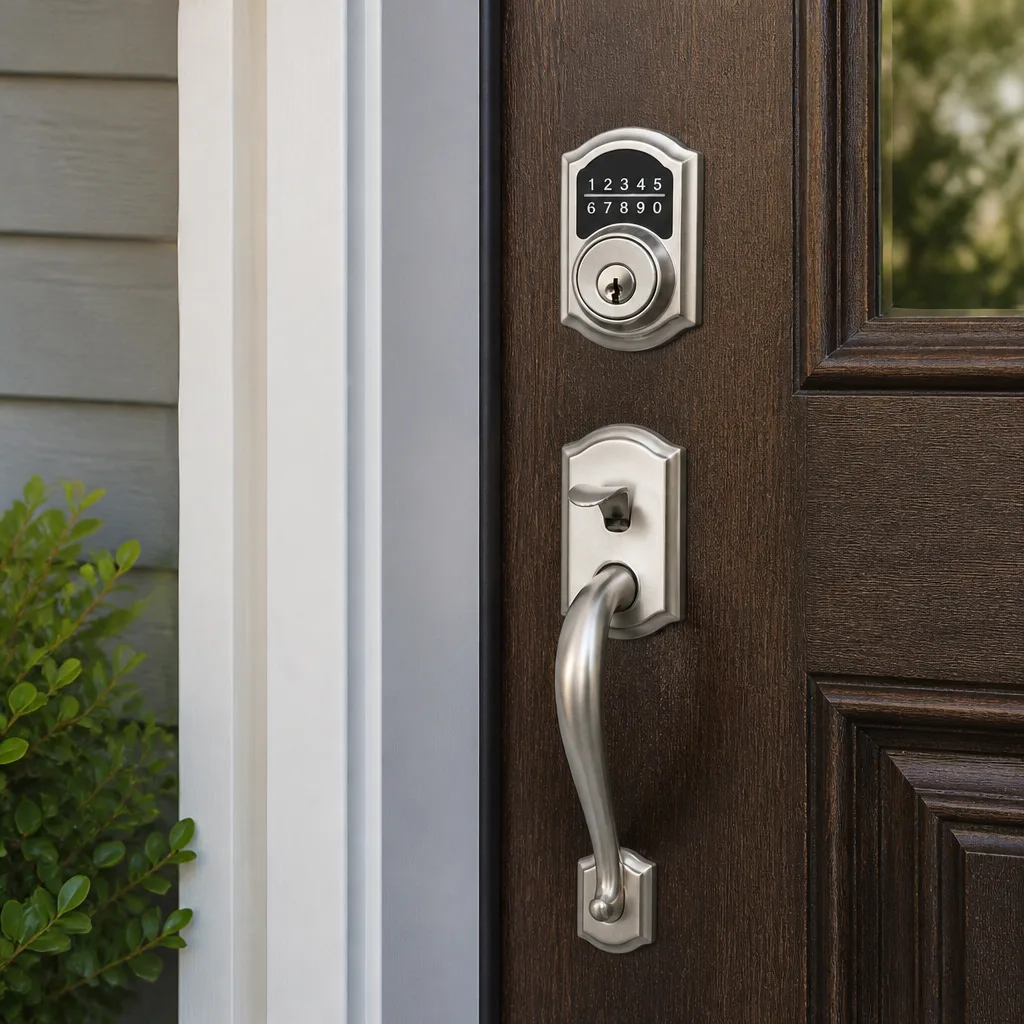
A standalone keypad deadbolt like a Schlage Encode or a Yale Assure Lock with keypad stores codes locally. No hub, no app, no monthly fee. Power comes from batteries. These work well in Los Angeles because they don’t rely on Wi-Fi, which matters during Santa Ana wind outages. The trade-off: no remote access, no audit trail of who came and went. For a hillside home in Mount Washington where the internet goes down regularly, standalone is often more reliable than a cloud lock.
2. Cloud-Based Smart Locks ($250-$650 installed)
Best for: homeowners who want remote lock/unlock, temporary codes for dog walkers or housekeepers, and activity logs. Popular in neighborhoods like Silver Lake, Culver City, and Highland Park where homeowners travel frequently.
Cloud locks from Yale, Schlage, or Baldwin connect to Wi-Fi or a bridge. You get phone alerts, scheduled codes, and integration with platforms like Apple Home or Alexa. The catch in Los Angeles: Wi-Fi reliability varies block by block. A hillside home with spotty service may find the lock dropping offline at the worst moments. The second catch: these locks depend on the manufacturer’s cloud. If the company shutters its app division (which has happened), your “smart” lock becomes a dumb keypad. Buying from an established brand with a decade of app support behind it reduces that risk but doesn’t eliminate it.
3. Full Wired Access Control Systems ($1,200-$4,500+)
Best for: multi-unit properties, homes with detached structures or gates, properties with staff or frequent service providers, and anyone who wants a commercial-grade audit trail.
A wired system separates the credential reader from the controller and the locking hardware. You might have a keypad at the front gate, a card reader at the side door, and a central controller in a closet. Wired systems from brands we install (Medeco, Mul-T-Lock, Sargent) are built for daily duty in ways consumer hardware isn’t. They survive weather, heavy use, and power fluctuation better. They also cost more because installation involves running low-voltage wire, mounting hardware correctly, and programming the controller. In Los Angeles, we see these systems shine on properties in Brentwood or Pacific Palisades with multiple entry points, egress gates, and service staff.
Our Access Control Systems in Los Angeles page details the wired options we install and service. For single-family homeowners unsure which category fits, our Residential Locksmith in Los Angeles page walks through the simpler entry-level choices.
What It Costs in Los Angeles: A Line-Item Breakdown
Los Angeles pricing runs higher than national averages because of permit requirements, the cost of doing business in the city, and the logistics of servicing homes across 500 square miles. Here’s an honest breakdown of what we quote, written before work begins, every time.
| Item | Typical Los Angeles Range | Notes |
|---|---|---|
| Standalone keypad deadbolt (hardware only) | $90-$250 | Schlage, Yale, Kwikset |
| Standalone keypad deadbolt install | $75-$150 | Existing door prep, standard strike |
| Cloud smart lock (hardware + hub if needed) | $180-$450 | Yale, Schlage Encode, Baldwin Evolved |
| Cloud smart lock install | $100-$200 | Includes app setup and code programming |
| Electric strike system (single door, wired) | $900-$1,800 | Strike, keypad, controller, transformer |
| Maglock system (single door, wired) | $1,100-$2,200 | Includes egress button and fire alarm tie-in where required |
| Multi-door wired system (3+ doors) | $3,000-$4,500+ | Controller, wiring, readers, hardware per door |
| High-security cylinder upgrade (Medeco, Mul-T-Lock) | $150-$350 per cylinder | Key control and drill resistance |
Every quote from Blackthorn Locksmith & Security is written, line-itemed, and delivered before any work starts. No verbal estimates. No “the technician will tell you on site.” The price you approve is the price on the invoice. We state this plainly because the locksmith trade in Los Angeles has a documented problem with bait pricing from call centers that dispatch subcontracted technicians. That is not how we run jobs, and it never will be.
Power Outages, Seismic Events, and Wildfire Evacuation Failure Modes
Los Angeles doesn’t lose power often, but when it does, it’s usually during Santa Ana winds or a major seismic event, exactly when you need your doors to work. Your access control system’s behavior during a blackout depends on how it’s configured.
Battery-powered standalone and smart locks: These keep working during a power outage because they don’t draw from the wall. The lock stays locked or unlocked as directed. Cloud features die (no remote access, no alerts), but the local keypad or thumbturn works. This is the strongest argument for battery-powered hardware in wildfire-prone areas like the San Fernando Valley foothills or Topanga Canyon: when the power cuts and you need to evacuate, the door opens with a code or a key. No electricity required.
Wired electric strikes and maglocks: These depend on the configuration. An electric strike installed to “fail secure” stays locked when power dies. A strike installed to “fail safe” unlocks. For any exterior door that might serve as an evacuation route, Los Angeles fire officials recommend fail-safe configuration, meaning the door unlocks when the grid goes down. The trade-off: your security depends on a secondary mechanical lock (a deadbolt) rather than the strike alone. We configure every residential wired install in Los Angeles with this in mind, layering a mechanical deadbolt above the strike so that a power failure doesn’t leave the door swinging open while still allowing immediate egress.
Seismic considerations: Los Angeles retrofit ordinances (particularly chapters of the LA Building Code governing soft-story buildings and hillside homes) focus on the structure, not the lock. But hardware choices still matter. A heavy commercial-grade mortise lock on a door that shifts during an earthquake can bind the deadbolt and trap the door closed. Light-to-medium-duty residential hardware on a properly hung door tolerates more movement. We’ve serviced locks in Sherman Oaks after the 2019 Ridgecrest sequence that had seized because the door frame shifted millimeters. A lock with a little compliance in the bolt channel survived. A rigid commercial deadbolt did not.
Consumer Smart Lock vs. Licensed Locksmith Install: The Real Difference
Anyone with a screwdriver can install a smart lock. That doesn’t mean the installation is correct. The difference between a DIY install and a licensed locksmith install comes down to three things: liability, warranty, and what happens when the app company shuts down.
Liability: If you install a smart lock yourself and it fails, allowing a break-in, your insurance claim may face complications. Insurers often ask who performed the installation. A licensed locksmith carries liability coverage that a homeowner doesn’t. If we install a lock and it fails due to our workmanship, our insurance responds. That is a meaningful difference in Los Angeles, where homeowners insurance for hillside and canyon properties is already fragile enough without adding a DIY security failure.
Warranty: Most lock manufacturers honor warranties only when installation follows their specifications. We’ve seen Schlage deny a replacement because a homeowner stripped the mounting screws or misaligned the strike. A professional install includes proper door prep, correct alignment, and documentation that supports a warranty claim if the hardware itself fails.
App shutdown risk: Every cloud-connected lock depends on the manufacturer’s servers. If the company disappears or ends support, the lock still works locally, but you lose remote features and may lose the ability to manage codes. Buying from established brands with long support records (Schlage, Yale, Baldwin) reduces this risk. Buying a no-name smart lock from an online marketplace does not. We’ve had Los Angeles homeowners bring us locks from brands that no longer exist, asking us to make them work. Sometimes we can rekey or reconfigure them as standalone units. Sometimes the lock is a paperweight. A locksmith can’t resurrect a dead app, but we can install hardware that functions independently of one, which is why we recommend brands with a decade-plus track record.
Common Mistakes to Avoid
- Buying before reading CC&Rs. We see this monthly. A homeowner installs a beautiful Baldwin smart lock, then gets a violation letter from the HOA. Read the rules first. A five-minute check prevents a $500 fine plus reinstallation.
- Choosing a lock that fails secure in a wildfire zone. An electric strike configured to stay locked during a power outage can trap you when evacuation orders come. In Los Angeles canyon communities, this is a life-safety decision, not a convenience decision.
- Drilling through a fire-rated door without proper hardware. Fire-rated doors require fire-rated strikes and frames. A generic strike voids the rating and fails inspection. Los Angeles inspectors are not lenient on this.
- Buying a no-name smart lock from a flash-sale site. If the company vanishes, the app stops working and codes can’t be managed. Buy hardware from brands with a real support infrastructure.
- Skipping the mechanical override. Every access control system should have a physical key override or a mechanical thumbturn on the inside. Electronics fail. Doors still need to open.
- Installing a keypad on the wrong side of a glass door. A deadbolt with a keypad on a door with glass sidelights means someone can smash the glass and unlock from the inside. Los Angeles homes with mid-century glass entryways need a double-cylinder deadbolt or a high-security cylinder paired with the access control, not a standard thumbturn.
When to Call a Professional
Some jobs justify a professional on the first day. If your access control involves any of these, call before buying parts: a wired electric strike or maglock on any door, a fire-rated door assembly, a multi-unit building with shared entries, a gate that needs integration with a driveway opener, or any install where the HOA demands a licensed contractor. If you’ve already bought hardware and the install is fighting you, or the app won’t pair, or the strike won’t release, stop before you drill more holes. Blackthorn Locksmith & Security offers free estimates in Los Angeles, call (818) 390-9007 and we’ll talk through what you’re trying to protect before anything gets touched.
Frequently Asked Questions
A standalone keypad deadbolt runs $150-$400 installed, a cloud-based smart lock $250-$650 installed, and a wired access control system $1,200-$4,500+ depending on door count, hardware, and wiring complexity. Call (818) 390-9007 for an exact quote; estimates are free and written before work begins.
Yes. Every Blackthorn job receives a written, line-itemed price before any work starts, and that price is the price on the invoice. There is no call-out surcharge added on arrival and no verbal estimate that changes later.
Battery-powered keypad and smart locks continue working locally during an outage, though remote features go offline. Wired electric strikes and maglocks depend on configuration; fail-safe strikes unlock when power dies, while fail-secure strikes stay locked. In Los Angeles wildfire evacuation zones, fail-safe configuration is strongly recommended.
It depends on your CC&Rs. Many Los Angeles HOAs restrict exterior hardware changes, including lock finishes, brands, and keypad placement. Check your governing documents before purchasing any access control hardware to avoid fines and forced removal.
We install and service Schlage, Kwikset, Yale, Baldwin, Medeco, Mul-T-Lock, Sargent, and Abloy. For entry-level residential keypads, Schlage and Yale dominate. For high-security cylinders with key control, Medeco and Mul-T-Lock are the standards we recommend when the door protects something valuable.
Yes. Smart locks have mechanical key cylinders that can be rekeyed like any other deadbolt, provided the lock was installed with a cylinder. Some budget smart locks lack a physical key override. We recommend choosing a model with one so that a lost phone or dead battery never leaves you locked out.
The Bottom Line
Access control for Los Angeles homeowners is a property-specific decision, not a product pick. The system that works for a single-family home in the Valley may violate an HOA’s rules in a Playa Vista condo. The electric strike that secures a commercial building may trap a Topanga Canyon family during a wildfire evacuation if configured wrong. Read your CC&Rs, confirm egress compliance under the California Fire Code, choose hardware that fails safe where evacuation matters, and buy from brands with long support records. If any of it involves wiring, fire-rated doors, or multi-unit shared entries, have a licensed locksmith handle the install. Browse more guides & resources on our blog. The door protects what matters. Do it right the first time.
Written by Shane Delaney, Owner at Blackthorn Locksmith & Security, serving Los Angeles since 2008.