
Last updated October 8, 2026
Non-destructive entry first, always - and we re-key Schlage, Kwikset, and Baldwin locks on the spot while you watch
You get a price before we start. It does not change when we arrive. No surprises.
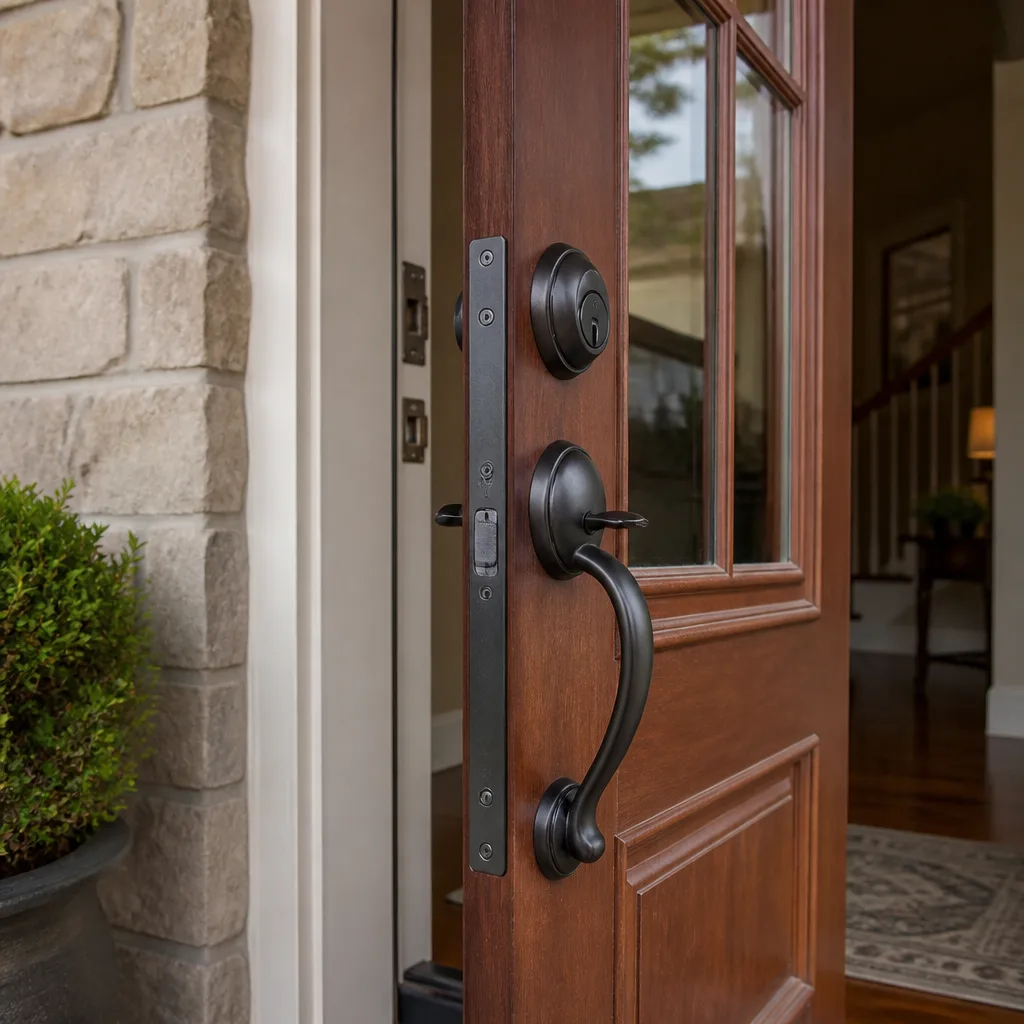
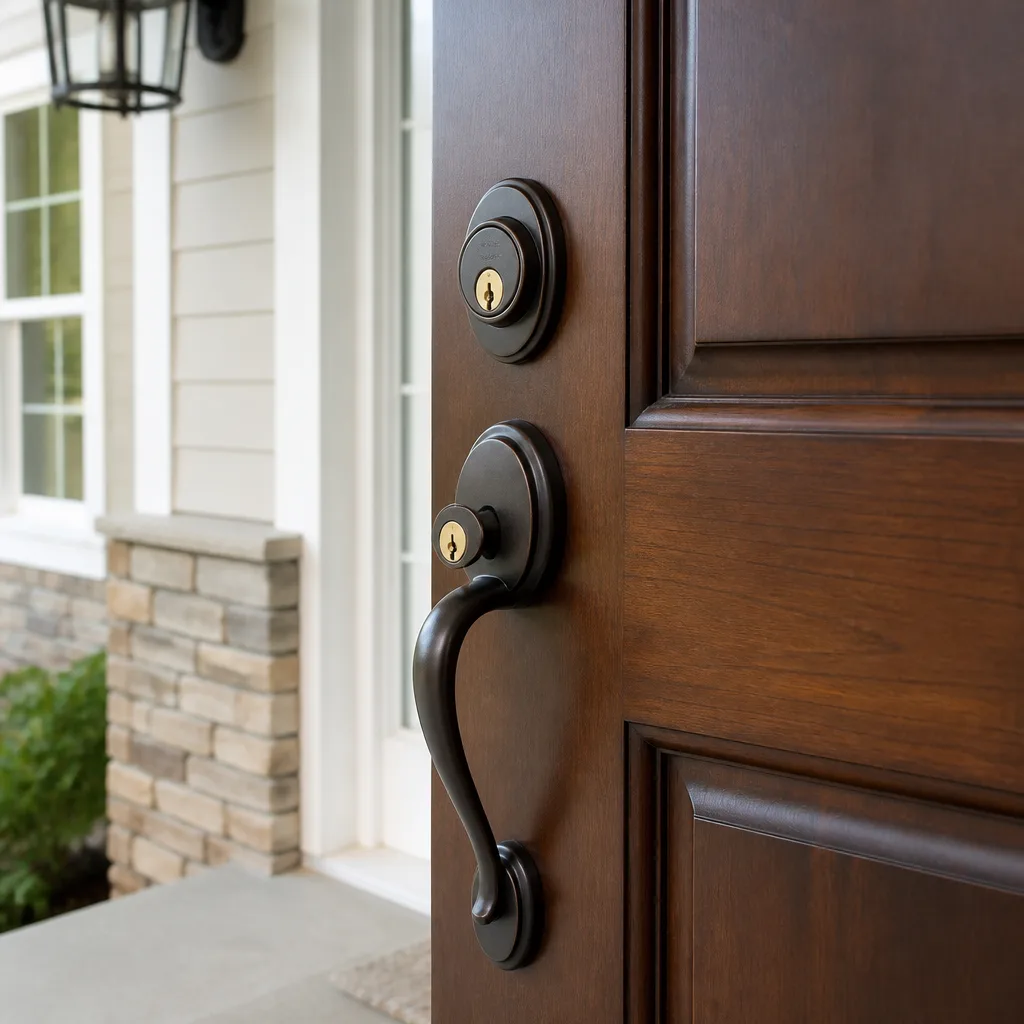
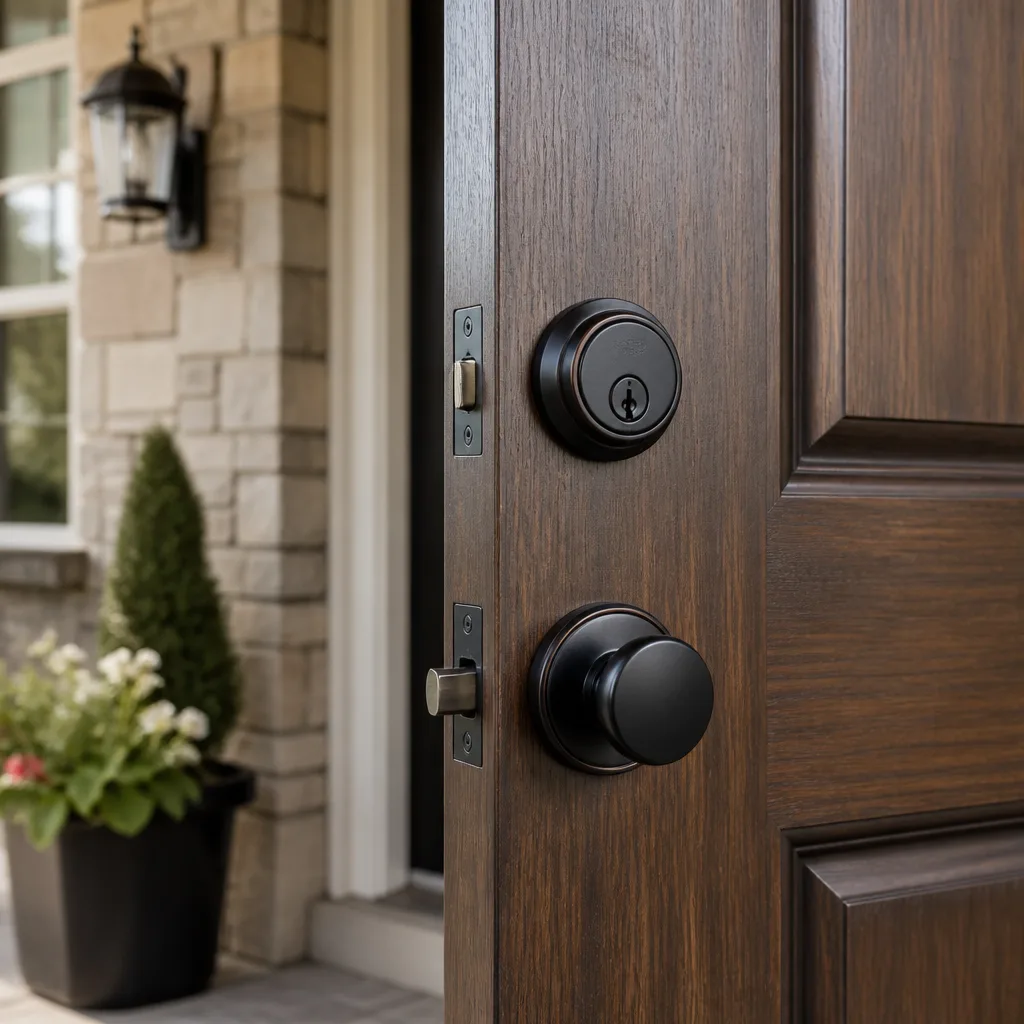
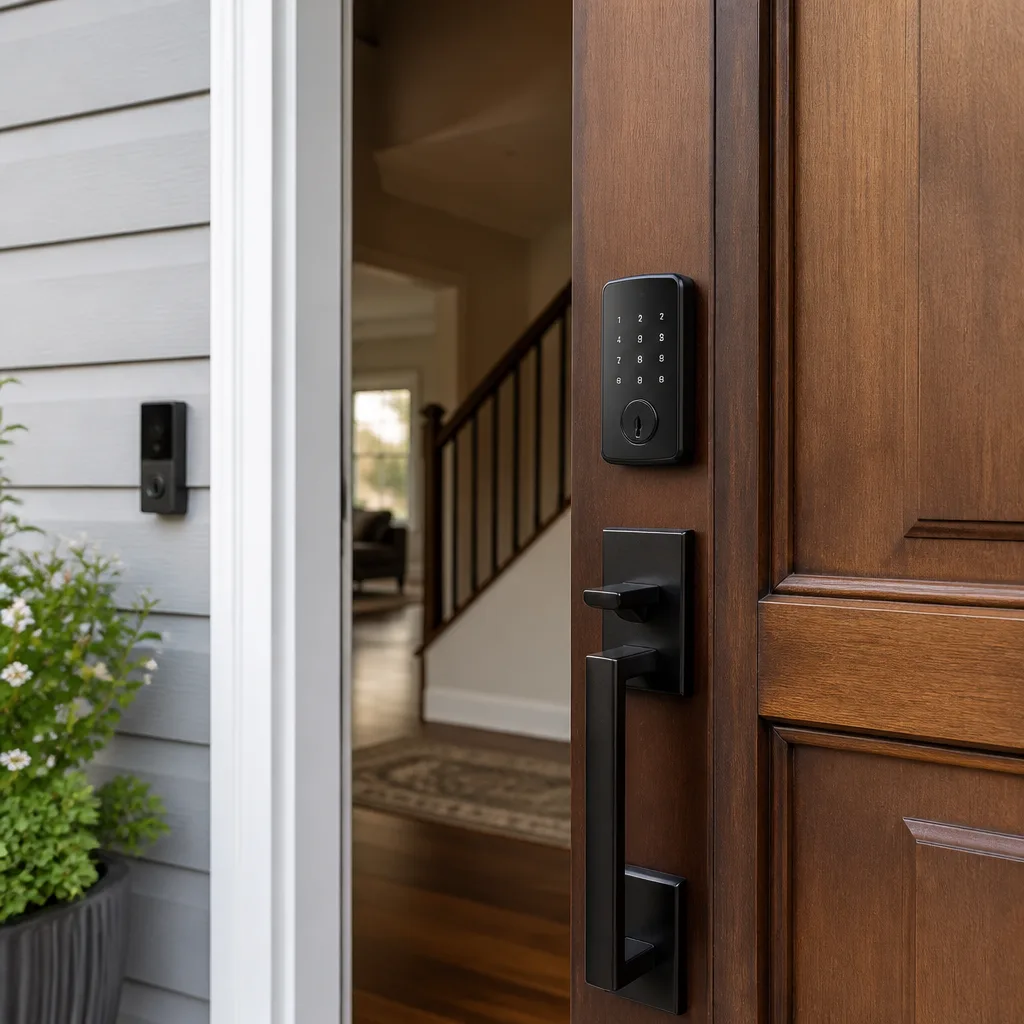
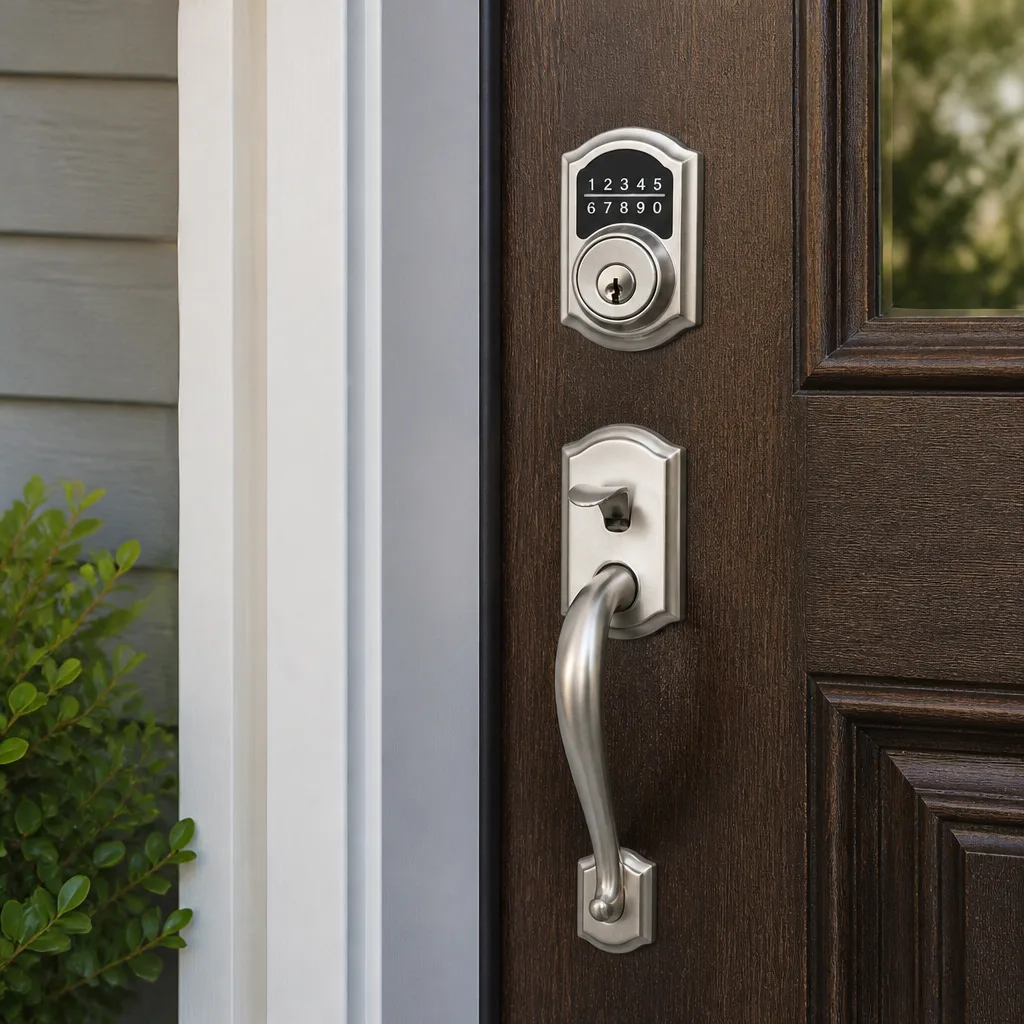
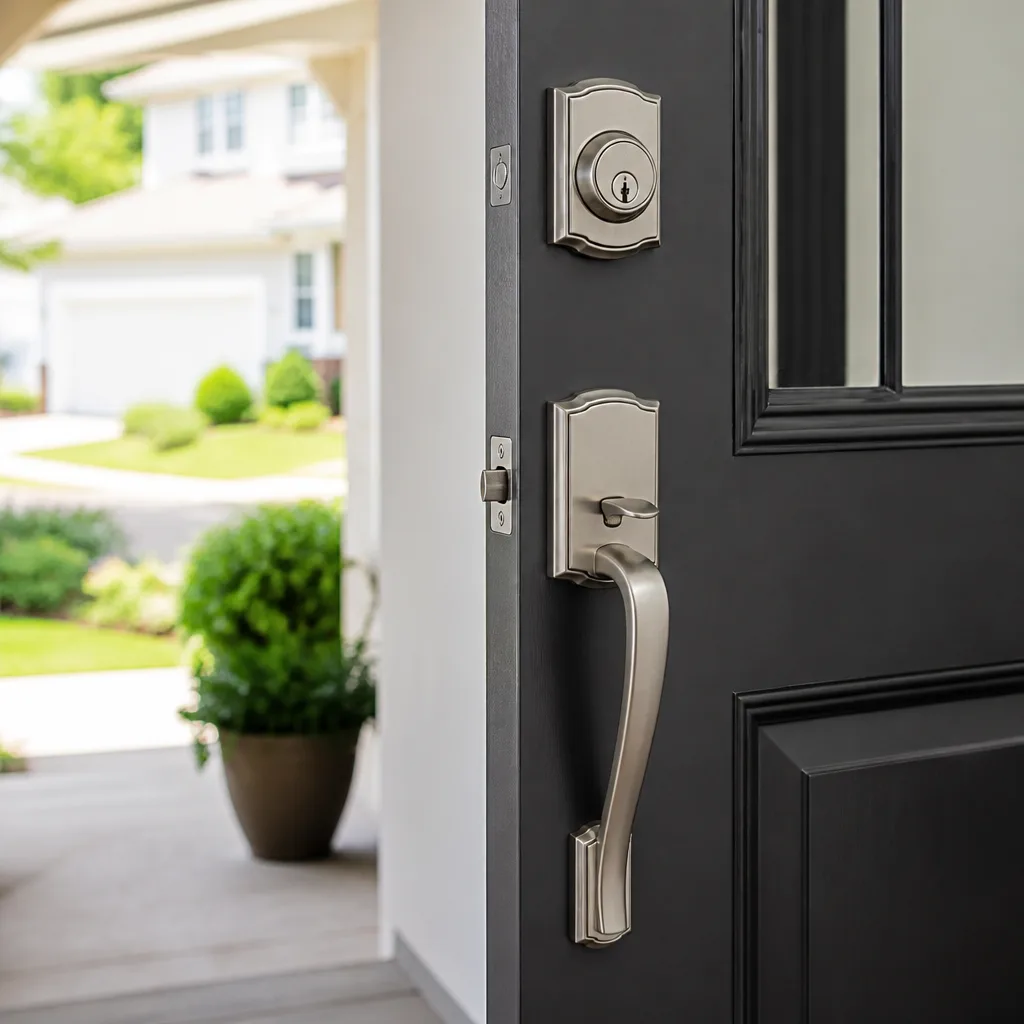
Commercial Locksmith Maintenance Checklist for Los Angeles Homeowners
A single failed panic bar on a commercial door during an emergency evacuation is an OSHA violation and a lawsuit, yet most Los Angeles business owners have never once had their exit hardware professionally inspected. The doors on your building take more abuse than any other mechanical system you own, and they fail exactly when you can least afford it: during a fire drill, an earthquake, a power outage, or a 6 p.m. rush. This Commercial Locksmith Maintenance Schedule: What to Do and When is built from seventeen years of watching commercial hardware fail across Los Angeles, from Santa Monica storefronts to Glassell Park warehouses, and it lays out the maintenance rhythm that keeps doors working, keeps inspectors satisfied, and keeps your insurance carrier off your back. By the end, you’ll know exactly what to check, how often to check it, what to document, and when a worn cylinder is a $45 service call instead of a $2,400 door replacement.
Quick Answer
A Commercial Locksmith maintenance checklist should cover four areas: physical door alignment, lock and cylinder function, exit hardware (panic bars and crash bars), and ADA-compliance hardware like closers and levers. In Los Angeles, the right cadence is twice a year for high-traffic entry doors, once a year for interior and back-of-house doors, with extra attention to coastal properties within five miles of the ocean where marine-layer humidity accelerates internal lock corrosion. Each visit should end with written documentation noting what was serviced, what’s wearing, and what the labor and parts cost before work begins.
Table of Contents
- Why Commercial Lock Maintenance Is a Liability Issue, Not a Janitorial Task
- Quarterly vs. Annual Service: A Cadence Based on Door Cycle Count
- Exit Hardware and Panic Bars: The OSHA Item Most Owners Never Inspect
- ADA Title III Compliance: What California Enforces That the Feds Don’t
- Coastal Corrosion: How Marine Layer Air Eats Locks in Santa Monica and Venice
- Brand-Specific Maintenance: Schlage ND-Series, Sargent, and Von Duprin
- Documentation After Every Visit: Your Shield in Tenant Disputes and Insurance Claims
- Common Mistakes to Avoid
Why Commercial Lock Maintenance Is a Liability Issue, Not a Janitorial Task
Commercial doors are safety equipment first and security equipment second. When an exit door fails to open during an evacuation, the building owner is exposed to OSHA citations, fire code violations, and civil liability that no janitorial contract covers. California’s Division of Occupational Safety and Health enforces exit route requirements more aggressively than most states, and Los Angeles Fire Department inspectors routinely test panic hardware during annual inspections. A sticky closer, a bent latch, a panic bar that requires two hands to operate: these aren’t minor annoyances. They’re citation triggers.
The shift in thinking that separates responsible owners from reactive ones is treating lock hardware the way you treat a fire extinguisher or an elevator. You don’t wait for the extinguisher to fail before tagging it. You inspect it on a schedule and document the inspection. Commercial locks deserve the same discipline because they sit on the same legal plane. A door that won’t latch is a security gap. A door that won’t open is a life-safety gap. Both invite liability. Both are preventable with a consistent maintenance routine. In Los Angeles, where commercial spaces range from 1920s brick storefronts in the Arts District to steel-frame tilt-ups in Vernon, the age of the building and the condition of the door frames matter enormously. We’ve seen buildings where the original 1970s mortise locks are still in service, worn so thin internally that a slight humidity shift jams them shut. That’s not character. That’s an emergency waiting for the worst possible moment.
Quarterly vs. Annual Service: A Cadence Based on Door Cycle Count
Not every commercial door needs the same maintenance schedule. The deciding factor is cycle count: how many times that door opens and closes in a day. A coffee shop on Sunset Boulevard sees 400 to 700 cycles daily on its front door. A law office in Glendale might see 40. The hardware wears at dramatically different rates, and treating them identically is how locks fail without warning.
Here’s the practical cadence we recommend to Los Angeles commercial clients:
- Main entry doors (retail, restaurants, medical offices): Service quarterly. This includes lubricating hinges and latches, checking the closer speed and backcheck, inspecting the strike alignment, and testing any electronic locking components. The cost of quarterly service on a busy entry door averages $95-$180 per visit depending on hardware type, and it catches wear before it becomes a failed door.
- Interior doors, back-of-house, storage rooms: Service annually. These doors see fewer cycles but still need alignment checks, latch lubrication, and closer adjustment. Annual service keeps them from becoming a surprise expense when an employee slams one a little too hard and shears a latch.
- Panic-bar equipped doors (any location): Inspect per manufacturer specification, usually quarterly for high-traffic exits and semi-annually for warehouse or rear exits. Von Duprin publishes specific maintenance intervals for their 99-series devices, and neglect is the most common reason they bind in an emergency.
- Access control doors (card readers, mag locks, electric strikes): Service quarterly. Electrical strikes accumulate dust and debris, mag locks drift out of alignment, and request-to-exit sensors get misaligned. This is also where you catch failing backup batteries before a power outage leaves the door locked open or locked shut.
What if you don’t know your cycle count? Walk through a normal business hour and count. Then multiply. If you’re over 150 cycles per day on any door, that’s a high-traffic door. Schedule accordingly. The goal is to replace a $12 latch before it takes out the $400 mortise lock body it sits inside.
Exit Hardware and Panic Bars: The OSHA Item Most Owners Never Inspect
Panic bars and crash bars are the most heavily regulated pieces of hardware in any commercial building, and they’re also the most neglected. The reason is simple: when they work, nobody thinks about them. When they don’t, the building owner typically finds out from a fire inspector, not from an employee. By then, the fix is a corrective action order, not a maintenance visit.
A professional exit hardware inspection should cover these items, in this order:
- Dogging function: On doors that stay unlocked during business hours, the panic bar should be dogged (held retracted) only with the proper hex key. If the dogging mechanism is stripped or the bar was dogged with a screwdriver, the hardware needs attention.
- Bar travel and binding: The push bar should depress smoothly through its full stroke without grinding, sticking, or requiring more than 15 pounds of force at the center of the bar. Anything more fails California building code requirements for accessible door hardware.
- Latch retraction: When the bar is pressed, the latch should fully retract into the door without needing a second push, shoulder contact, or wiggling the door. Partial retraction is the most common panic-bar failure in Los Angeles buildings we service, and it’s usually caused by misaligned strikes or a failing internal spring in the device.
- Strike alignment: The strike plate on the frame must align with the latch bolt. If the door has settled (very common in LA’s older wood-frame commercial buildings after earthquake seasons), the latch drags on the strike and eventually shears off.
- Vertical rod adjustment: On double doors with concealed vertical rods, the rods need to extend and retract in sync. When they’re out of adjustment, the bottom rod catches on the floor strike and the door won’t open without brute force.
- Screws and mounting plates: Every mounting screw should be tight and every plate flush. Loose mounting plates are the earliest sign that a panic bar is about to catastrophically fail.
Any panic bar that fails any of these checks should be serviced immediately, not added to a list. The parts are not expensive in the scheme of commercial liability: a replacement Von Duprin 99-series crossbar assembly typically runs $600-$900 installed, a fraction of what one blocked exit can cost after an insurance claim denial. For our commercial clients, we treat panic-bar failures as same-day priority work. That’s not marketing. That’s the timeline a fire inspector will hold you to.
ADA Title III Compliance: What California Enforces That the Feds Don’t
The Americans with Disabilities Act sets federal minimums for door hardware. California’s Title 24 and the state’s Unruh Civil Rights Act layer stricter requirements on top, and Los Angeles commercial landlords can be sued under both state and federal law for the same non-compliant door. The result: California business owners face a higher compliance standard than most of the country, and door hardware is one of the most litigated areas of ADA compliance in Los Angeles County.
The specifics that catch owners off guard:
- Opening force: Interior non-fire doors may not require more than 5 pounds of force to open. California actively enforces this through accessibility lawsuits far more frequently than the federal government does. A worn closer that’s been cranked up to compensate for sagging hinges can easily push opening force over the limit.
- Lever hardware requirement: Handles must be lever-style, operable with a closed fist, not knob-style. A surprising number of older Los Angeles commercial buildings still have passage knobs on interior doors. This is a clear ADA violation and a class-action lawsuit magnet.
- Closing speed: Door closers must take at least 5 seconds to close from 90 degrees to 12 degrees. This is the “slow close” requirement that gives people with mobility impairments time to pass through. Closers frequently get adjusted to slam for energy efficiency or noise control, and that’s a direct Title 24 violation.
- Clear opening width: Doors must provide at least 32 inches of clear opening. Door stops, hydraulic closers improperly mounted, and moisture-swollen door frames (we see this consistently in coastal Los Angeles properties) can all eat into that 32-inch clearance.
- Threshold heights: Thresholds at accessible entrances may not exceed 1/2 inch vertical change. California enforces this at the local inspection level more consistently than most states, and non-compliant thresholds at commercial entries are a frequent reason LADBS flags a property during a tenant improvement inspection.
What does this mean practically? A single comprehensive hardware audit by a locksmith who understands California accessibility requirements typically costs $250-$450 for a small commercial building, and it gives you a written list of exactly which doors are out of compliance and what the fix costs. That document is itself a liability shield: it proves you took corrective action when you knew about the problem, which matters enormously in both court and insurance negotiations.
Coastal Corrosion: How Marine Layer Air Eats Locks in Santa Monica and Venice
Los Angeles is two different environments when it comes to metal hardware. Inland neighborhoods like Burbank, Glendale, and Pasadena contend with dry heat and fine dust. Within five miles of the Pacific, the marine layer delivers nightly humidity, salt air, and frequent condensation cycles that work their way inside lock bodies and corrode internal springs, pins, and followers.
We see the pattern consistently across coastal Los Angeles commercial properties. A mortise lock installed in a Santa Monica retail space five years ago will show internal corrosion that a Burbank lock of the same age simply won’t have. The latch retracts sluggishly. The cylinder feels gritty when you turn the key. The deadbolt engages halfway. None of this announces itself until a key breaks off in the cylinder or the lock seizes entirely, usually at closing time on a weekend.
The practical takeaway for coastal Los Angeles property owners:
- Lubricant matters: Use a dry PTFE-based lubricant on lock internals, never WD-40 (which attracts dust and gums up in salt air) and never graphite (which clumps in high humidity). On corroded mortise locks, the safest move is disassembly, cleaning, and re-lubrication, which a locksmith does in 20 to 30 minutes per door.
- Inspect strikes and faceplates for rust blooming: If the strike plate shows rust, internal components are worse. This is the earliest visible sign that a coastal lock needs attention.
- Upgrade to corrosion-resistant finishes where practical: Sargent and Schlage both produce marine-grade finishes (like US32D satin stainless steel) that hold up far better in Venice or El Segundo than standard brass finishes, which pit and dull within a couple of years of salt air exposure.
- Expect a shorter meaningful lifespan: A quality commercial mortise lock that would last 15-20 years in Glendale may need replacement at 8-12 years in Santa Monica. Budget for that.
If your commercial property sits west of the 405, marine-layer humidity should be baked into your maintenance schedule, not discovered during a lockout or a fire door inspection.
Brand-Specific Maintenance: Schlage ND-Series, Sargent, and Von Duprin
Most commercial lock maintenance schedules are generic one-size-fits-all lists. The reality is that the hardware on your doors comes from specific manufacturers with specific wear characteristics, and knowing those characteristics changes what you check and how often.
Schlage ND-series cylindrical locks are the workhorse of Los Angeles commercial interiors. They’re reliable, widely available, and simple to service. The item most frequently ignored: the latch retractor spring inside the lock body. When it fails, the outside lever spins freely without retracting the latch at all. Symptoms before failure include a lever that feels “soft” or returns slowly. In our Los Angeles service area, an ND-series rekey typically runs $25-$45 per cylinder, while a full replacement lock body runs $180-$300 installed, so catching the failing spring early is worth real money.
Sargent mortise locks, particularly the 8200-series, are common on higher-end Los Angeles commercial buildings. Mortise locks are harder on internal components than cylindrical locks because they carry more weight and operate through a more complex mechanism. They need lubrication more frequently, they’re more sensitive to door-settling misalignment, and they’re far more expensive to replace: a Sargent mortise body can run $500-$900 before labor. The maintenance item that matters most: strike alignment. A sagging door creates drag on the latch bolt that accelerates internal wear across every component inside the mortise case. Fixing alignment proactively is a $75-$150 hinge or strike adjustment. Ignoring it leads to a full mortise replacement.
Von Duprin exit devices are the standard for panic hardware in Los Angeles commercial properties, and they carry specific maintenance obligations. The most consequential ignored item: the center case mechanism, which contains the springs that retract the latch bolts. On Von Duprin 99-series devices, these springs fatigue on a predictable schedule under heavy use. A coffee shop with 500 daily cycles on a panic-bar door should have the center case inspected quarterly and the internal springs replaced every 3-5 years depending on usage. The repair is a fraction of the cost of a full device replacement and keeps the device from binding in an evacuation.
The through-line: different hardware fails differently, and a one-size maintenance list catches some failures and misses others. That’s why our commercial maintenance visits begin with a hardware inventory, not a checklist run-through. Knowing what’s on the door determines what we look at first.
Documentation After Every Visit: Your Shield in Tenant Disputes and Insurance Claims
The single most valuable thing a commercial property owner can do after any lock maintenance visit is document it. We see this in Los Angeles tenant disputes and insurance claims repeatedly: the owner who has a written service record with dates, parts, and technician notes is in a fundamentally different position than the owner who says “we had someone look at that door once.”
Every maintenance visit should end with a document that includes these specific items:
- Date, time, and duration of the visit. This establishes the maintenance cadence and proves diligence.
- Every door or device serviced, identified by location (e.g., “front entry panic bar, NW corner of building”). Not just “entry door.”
- Work performed, written in plain language. “Lubricated cylinder, adjusted closer speed, tightened mounting screws” is better than “serviced door.”
- Parts replaced, with brand and model. A document that says “replaced Von Duprin 99EO center case spring” is much stronger than “repaired panic bar.”
- Any observed issues not yet addressed, with a recommended timeline. This is the part most owners skip, and it’s the part that matters most in retrospect. If the technician notes “strike alignment off by 1/8 inch, recommend hinge adjustment within 60 days,” and the owner never schedules that follow-up, the liability picture shifts.
- The technician’s name and company. A real person with a real name, not an anonymous service call.
This documentation serves three purposes. It proves to an insurer that you maintained the hardware if you ever need to file a claim for a forced door or a damaged lockset. It proves to a tenant that you weren’t negligent, which matters in Southern California habitability disputes. And it gives the next locksmith who works on the door a baseline to compare against. For Blackthorn Locksmith & Security clients, every visit includes written documentation before the technician leaves, available on paper and by email. It’s not a premium add-on. It’s part of how commercial locksmith work should be done in Los Angeles.
Common Mistakes to Avoid
- Lubricating with WD-40 or graphite. WD-40 is a solvent, not a lock lubricant, and it strips the existing lubricant from the lock while attracting dust. Graphite clumps in Los Angeles coastal humidity and turns into paste inside the cylinder. Use dry PTFE lubricant instead.
- Cranking the door closer to make up for a sagging door. A closer that’s been dialed up to full force wears out in months and may push the door past ADA opening-force limits. Fix the hinges. Adjust the closer to spec.
- Rekeying without inspecting the lock body. A new key cylinder in a worn lock body is like new spark plugs in an engine with a cracked block. The customer gets a new key and the same old problem.
- Ignoring the strike plate. Loose or misaligned strikes are the single most common cause of commercial lock failure in Los Angeles, and they’re cheap to fix. Checking them takes two minutes.
- Using the wrong key blank for the job. Using a generic blank in a Schlage or Sargent commercial cylinder creates a key that works initially but wears the pins prematurely. Match the blank to the cylinder.
- Skipping exit hardware during routine maintenance. Panic bars are out of sight and out of mind until a fire inspector or an emergency forces the issue. Include them in every maintenance visit.
- Not keeping written records. Without documentation, an insurance claim or tenant dispute comes down to your word against everyone else’s. Written records are the cheapest liability insurance a Los Angeles commercial property owner can buy.
When to Call a Professional
Some lock maintenance is doable by a knowledgeable facility manager: tightening screws, lubricating a smooth-cycling latch, checking that levers are tight. But certain situations warrant a professional locksmith immediately, not next week. Call if a panic bar fails to retract the latch fully when pressed, if a door closer hisses or leaks hydraulic fluid, if a mortise lock binds repeatedly after lubrication, if a key breaks off in a cylinder and is stuck, or if you suspect your commercial property was entered without signs of forced entry (a picked or bumped lock leaves no visible damage). Also call if your exit hardware inspection is overdue and a fire inspection is approaching. Blackthorn Locksmith & Security offers free estimates for commercial lock maintenance in Los Angeles, call (818) 390-9007 to schedule a walkthrough and get a written price before any work begins.
Frequently Asked Questions
Commercial lock maintenance in Los Angeles typically costs $95-$180 per door for routine service (lubrication, alignment, closer adjustment, hardware inspection), with comprehensive multi-door contracts priced per property after an initial walkthrough. Our Commercial Locksmith in Los Angeles service includes a written price before work begins, always. Call (818) 390-9007 for a free, specific estimate.
Doors seeing more than 150 cycles per day (typical retail entry doors) need quarterly service; interior and low-traffic doors can be serviced annually; panic-bar doors need quarterly to semi-annual inspections regardless of traffic. Coastal properties within five miles of the ocean should add a corrosion inspection each service visit.
Yes. Blackthorn Locksmith & Security delivers a written price before any work starts, and that is the price on the invoice. No call-out surcharge on arrival, no surprise line items, no verbal estimate that changes. This is the Cedarwell Care Promise, and it applies to every commercial maintenance visit in Los Angeles.
Do not try to force it. A panic bar that binds under pressure is a life-safety hazard and needs professional inspection immediately. In Los Angeles, Blackthorn treats stuck exit hardware as same-day priority work. Call (818) 390-9007 and we’ll send a technician with the tools and parts to get the door opening correctly.
Full commercial lock maintenance should cover closers, hinges, strikes, and exit hardware along with cylinders and lock bodies. The closer and the lock work as one system, and a maladjusted closer is the root cause of many lock failures. Our Residential Locksmith in Los Angeles page covers home hardware, but for commercial doors, the closer is always part of the inspection.
Yes. We perform door hardware audits that check opening force, lever type, closing speed, clear opening width, and threshold heights against California Title 24 and ADA standards. You get a written list of violations and fix costs. For commercial properties integrating card readers or electric strikes, review our Access Control Systems in Los Angeles page for upgrade options.
The Bottom Line
Commercial lock maintenance in Los Angeles is cheap insurance against an expensive day. The math is straightforward: a $120 quarterly maintenance visit versus a $2,400 emergency door replacement, or worse, a blocked exit during an evacuation and the liability that follows. The owners who treat their door hardware as a systematic maintenance item are the ones who never have to explain themselves to an OSHA inspector or an insurance adjuster. The checklist above, applied on a real schedule with real documentation, keeps your doors working, your building compliant, and your liability paper-thin when it matters. For more guides & resources, explore our blog. If you’re not sure where to start, call for a walkthrough. It costs nothing to find out what your doors actually need.
Written by Shane Delaney, Owner at Blackthorn Locksmith & Security, serving Los Angeles since 2008.