
Last updated October 8, 2026
Non-destructive entry first, always - and we re-key Schlage, Kwikset, and Baldwin locks on the spot while you watch
You get a price before we start. It does not change when we arrive. No surprises.
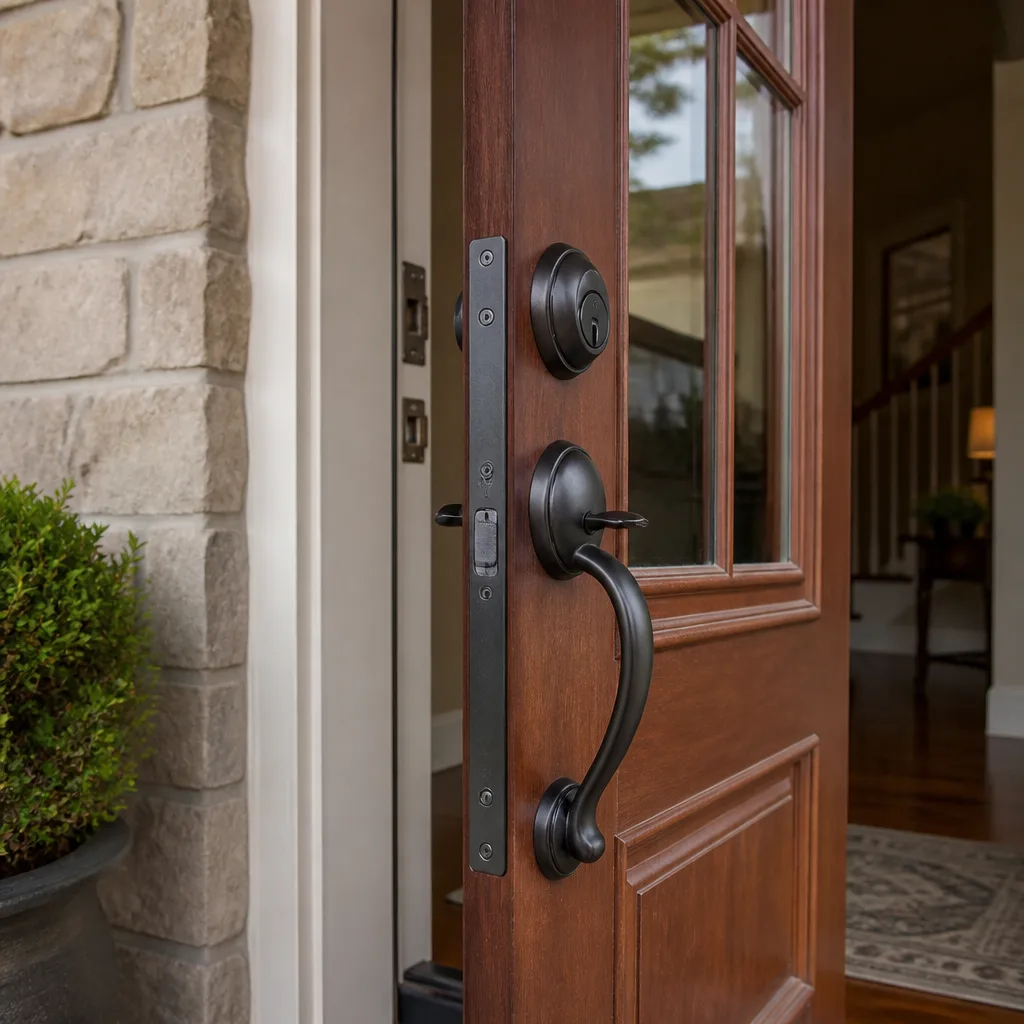
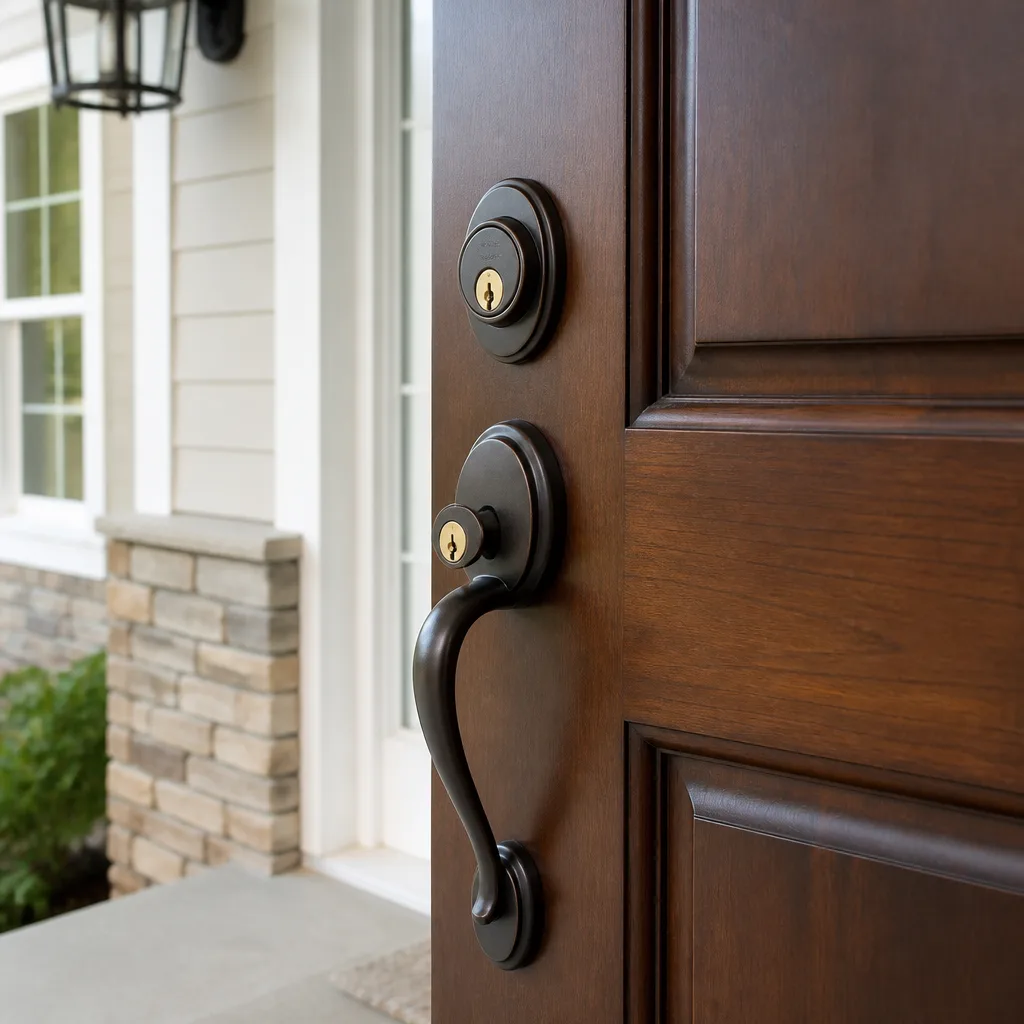
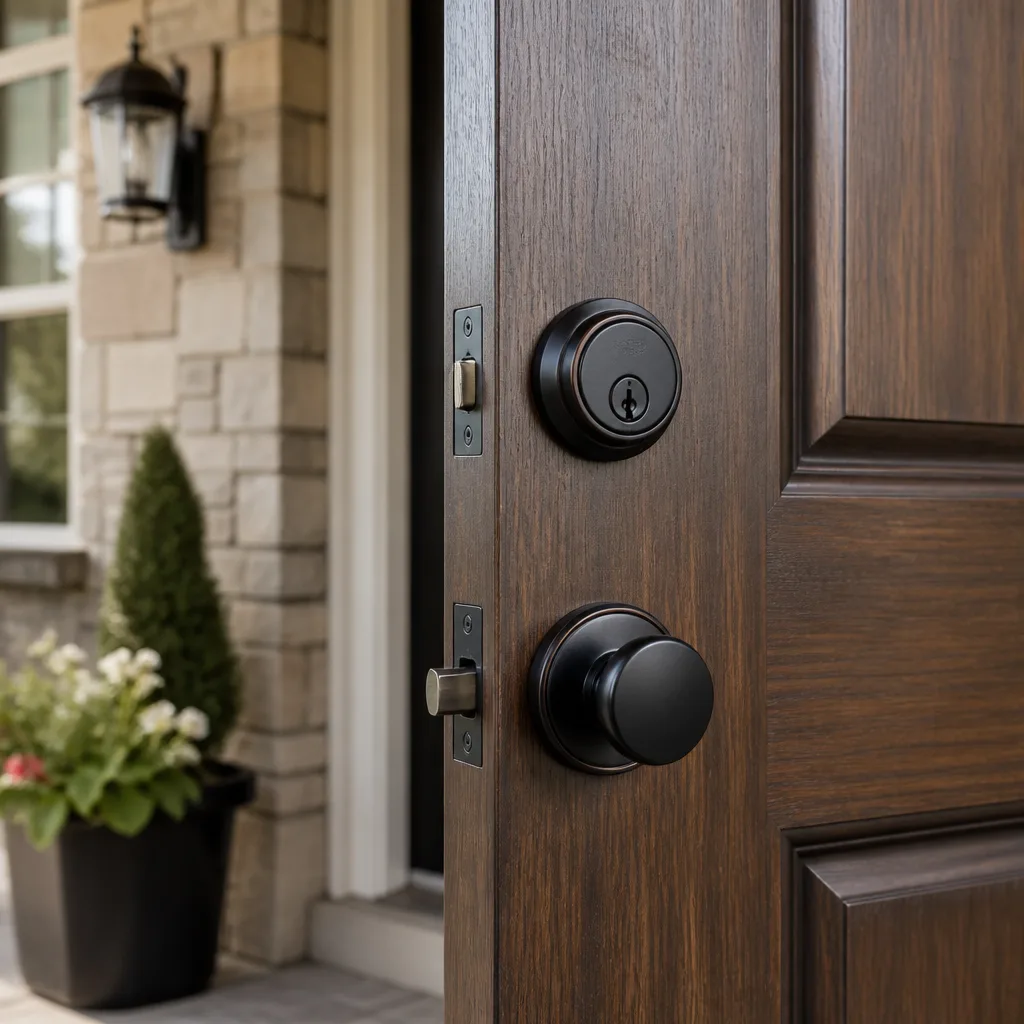
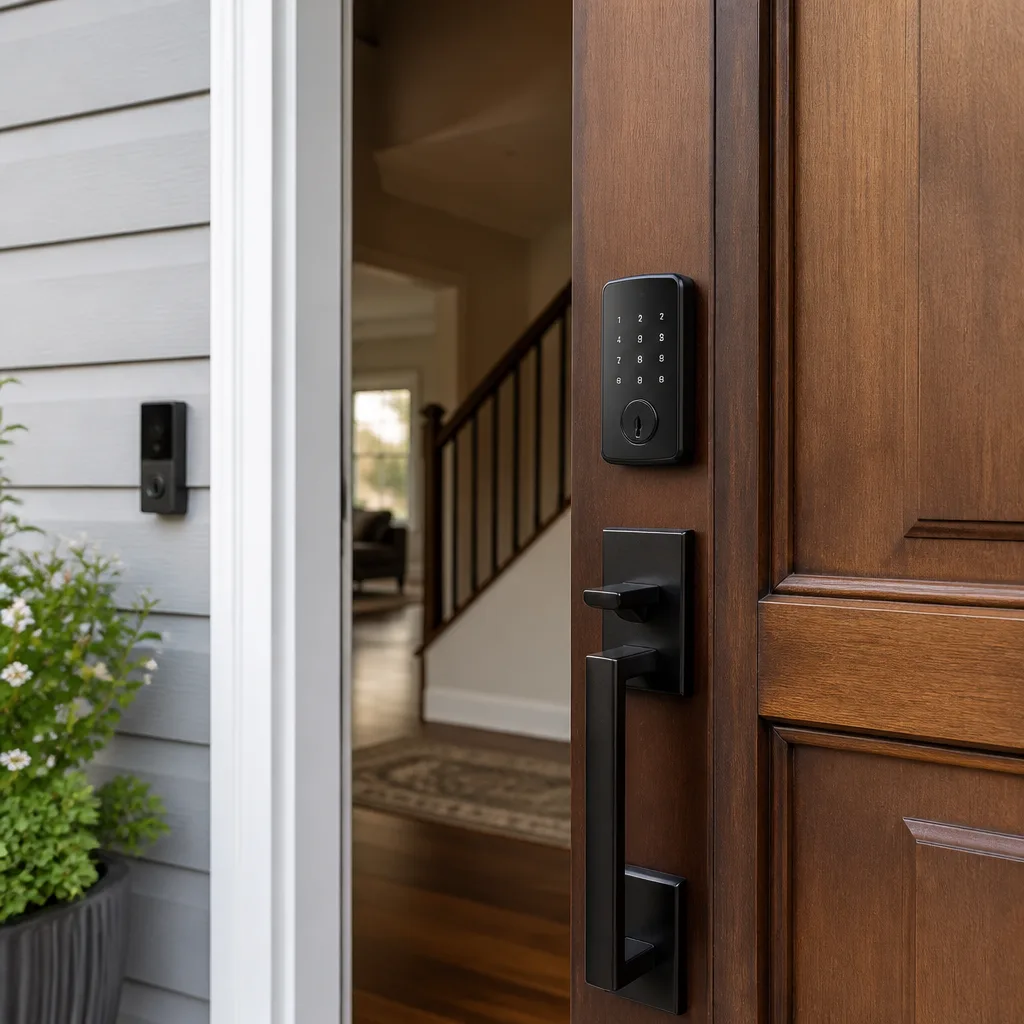
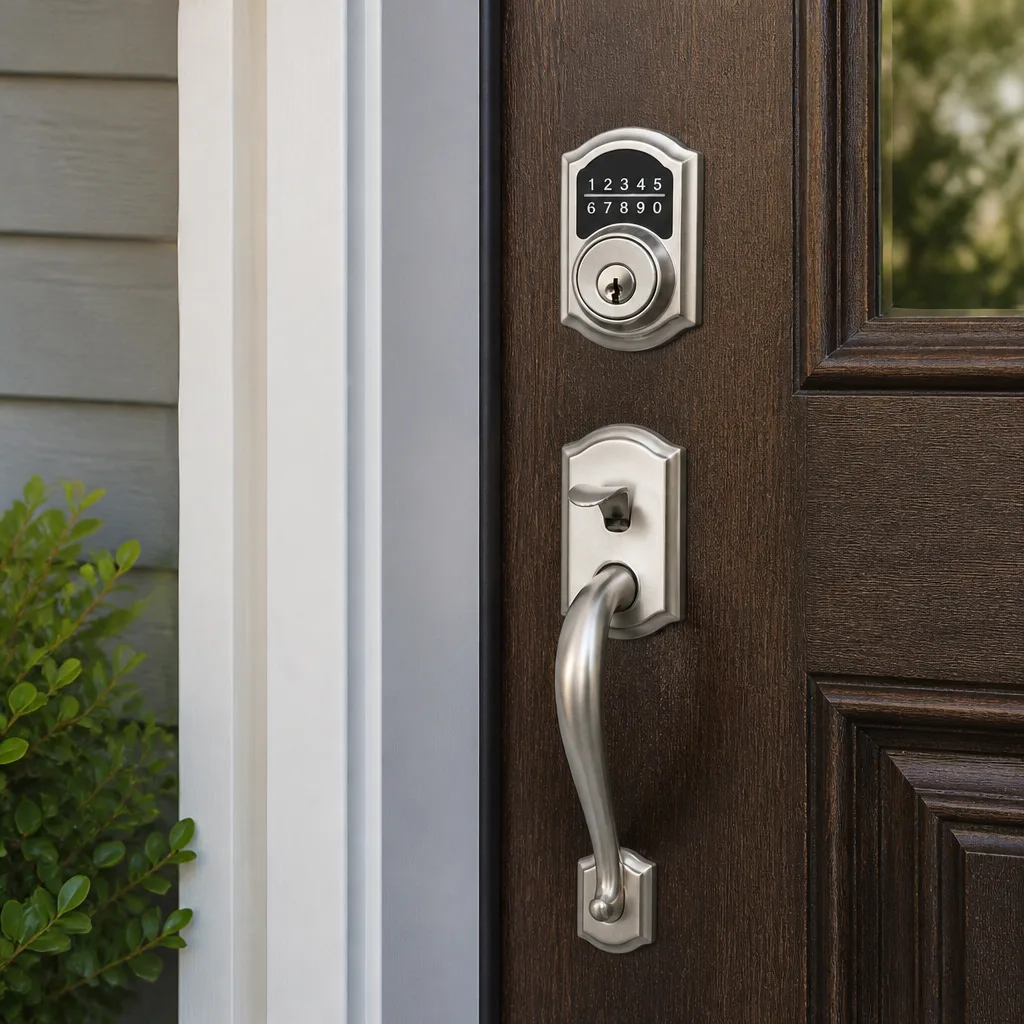
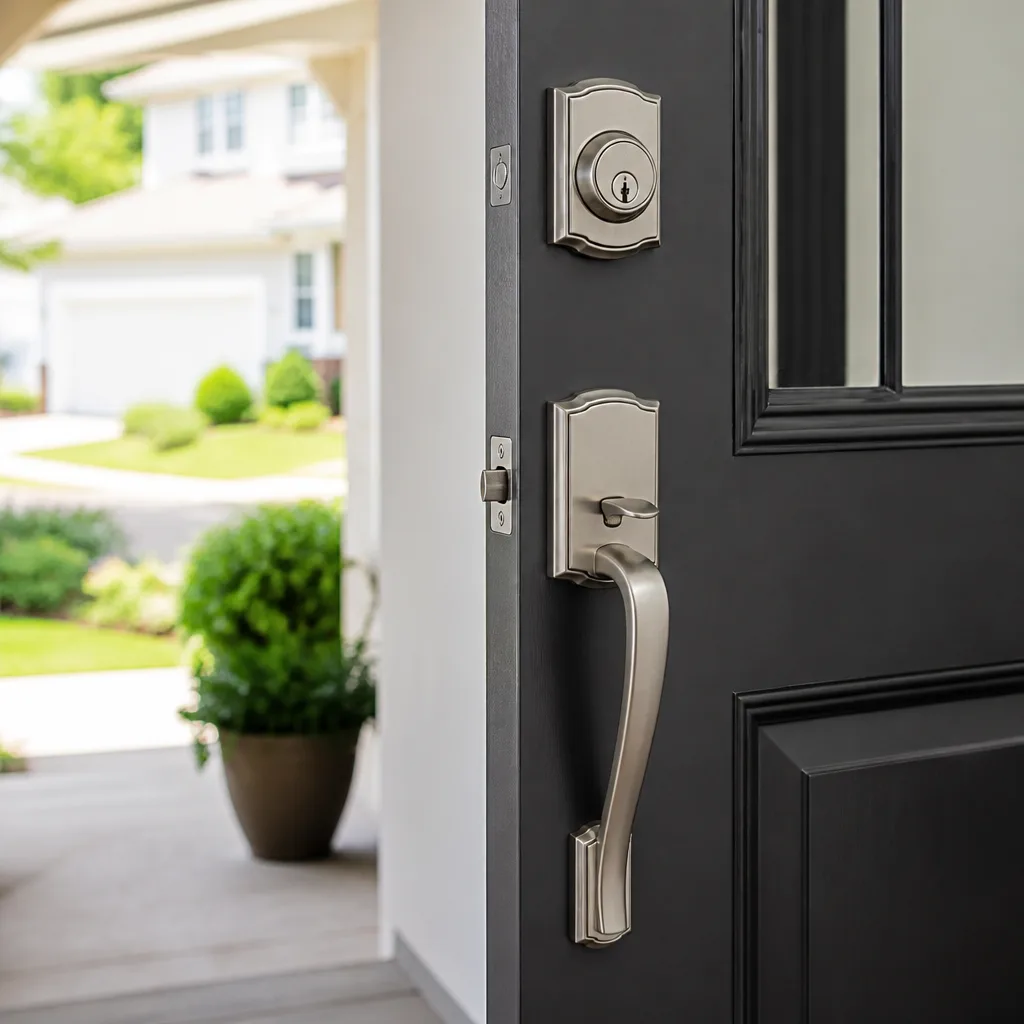
Choosing the Right Locksmith Brand: A Buyer’s Guide for Los Angeles
A Grade 1 Schlage B60N deadbolt on a solid-core door is more effective security than a Medeco cylinder on a hollow-core door with a loose strike plate. That single sentence should reframe how you think about lock brands, because the brand conversation cannot happen without the door-and-frame conversation first. This guide walks you through what actually matters when choosing a lock for a Los Angeles home: security grades, key control, smart lock durability in our climate, and how your neighborhood changes the math. For more guides & resources, see our blog.
Quick Answer
The best lock brand for most Los Angeles homes is Schlage, specifically their Grade 1 B60N deadbolt, paired with a reinforced strike plate and solid-core door. Kwikset works well for budget-conscious interior applications and bedrooms, while Medeco and Mul-T-Lock earn their higher cost only when you need restricted key control or have a documented high-security requirement. The brand matters less than the ANSI/BHMA grade stamped on the lock, and almost nothing matters more than the door and frame it sits in.
Table of Contents
- Why ANSI/BHMA Grade Ratings Matter More Than Brand Names
- The Four Brands Most Commonly Installed in Los Angeles Homes: An Honest Comparison
- Key Control Explained: SmartKey vs. Restricted Keyways
- Smart Lock Brands and Los Angeles Conditions: WiFi, Heat, and Platform Compatibility
- How Your Los Angeles Neighborhood Should Shape Your Lock Choice
- The Door and Frame Conversation: What Brands Can’t Fix
- How to Buy a Lock in Los Angeles Without Overpaying or Under-Buying
- Common Mistakes to Avoid
- When to Call a Professional
- Frequently Asked Questions
- The Bottom Line
Why ANSI/BHMA Grade Ratings Matter More Than Brand Names
Every residential lock sold in the United States carries an ANSI/BHMA grade: Grade 1, Grade 2, or Grade 3. The grade is not a marketing label. It comes from a battery of tests administered by Builders Hardware Manufacturers Association-certified laboratories, covering cycle count, torque resistance, door kick-in force, and bolt length. A Grade 1 deadbolt must survive 250,000 open-close cycles and resist 10 strikes of 90 foot-pounds of force. A Grade 3 deadbolt only needs to survive 2 strikes of 50 foot-pounds. That is not a small gap.
Here is what the grades actually translate to in a Los Angeles home:
- Grade 1 (Best): Commercial-grade hardware. Recommended for exterior doors, especially front entries facing the street. Examples include the Schlage B60N and Baldwin Estate deadbolts. These locks have longer bolts, hardened inserts, and thicker internal components.
- Grade 2 (Better): A meaningful step up from builder-grade. Often used for side doors, garage-to-home doors, and secondary exterior entries. Schlage’s standard residential line and many Yale deadbolts fall here.
- Grade 3 (Basic): Builder-grade locks installed by default in most new construction and apartment turns. Every Kwikset and Defiant deadbolt at the big-box store is Grade 3 unless labeled otherwise. Fine for interior privacy, not appropriate for a street-facing exterior door.
In our experience across Los Angeles, the most common issue is not that people buy bad brands. It is that they buy Grade 3 hardware for the door that faces a sidewalk, then wonder why the deadbolt failed after a shoulder bump or a screwdriver twist. Checking the grade label is the single highest-leverage thing a buyer can do before spending a dollar. The grade is stamped on the faceplate or the box, and it takes ten seconds to read.
One more thing worth knowing: a Grade 1 lock on a door with a builder-grade strike plate attached by half-inch screws into drywall is still weak. The grade applies to the lock itself. The installation determines whether that grade matters. More on that in the door-and-frame section below.
The Four Brands Most Commonly Installed in Los Angeles Homes: An Honest Comparison
Los Angeles locksmiths install four brands more than any others: Kwikset, Schlage, Medeco, and Mul-T-Lock. They serve different purposes, and none of them is universally “the best.” Here is a frank look at what each one actually is, what it costs, and who it is for.
Kwikset: The Budget and Convenience Brand
Kwikset dominates the entry-level market. Their Signature Series deadbolts are Grade 3, their SmartKey cylinders let you rekey the lock yourself in about 30 seconds, and they are available at every hardware store in Los Angeles County. Expect to pay $25 to $60 per deadbolt. Kwikset is a reasonable choice for bedrooms, interior office doors, and a landlord who rekeys between tenants and does not want to pay a locksmith each time.
The trade-off: SmartKey cylinders are easier to defeat than traditional pin-tumbler cylinders. The mechanism uses a sidebar and plastic components that have documented vulnerabilities to forced entry methods. For a front door facing the street, Kwikset is the wrong tool. For the door at the top of the stairs inside a gated apartment complex, it is often fine.
Schlage: The Workhorse Standard
Schlage’s B60N deadbolt is the most common upgrade we install in Los Angeles homes, and for good reason. It is a genuine Grade 1 lock at a residential price point, typically $45 to $90 per deadbolt depending on finish. The B60N uses a full 1-inch throw bolt with a hardened steel core, a reinforced collar that resists wrench attacks, and a pin-tumbler cylinder that is straightforward to rekey with standard tools.
Schlage’s broader residential line includes Grade 2 deadbolts like the B560 and a wide range of knob, lever, and handle set styles. If you want one brand for your whole house and do not have specific high-security requirements, Schlage is the default correct answer. It balances cost, security, and availability better than anything else. Schlage hardware is also what you will most commonly find paired with Baldwin and Yale in mixed-brand residential builds around Los Angeles, because the cylinders are compatible across a wide range of trim.
Medeco: High-Security with Restricted Key Control
Medeco is the brand you buy when the key itself is the point. Medeco cylinders use a dual locking mechanism: angled cuts in the key rotate the pins, plus a sidebar that engages the key’s side cuts. The result is a cylinder that is dramatically harder to pick, bump, or impression than standard hardware.
The more practical feature for most people is key control. Medeco keys are restricted. You cannot walk into a hardware store and get a copy made. Duplicates require a card issued to the authorized owner, and only a licensed Medeco dealer can cut them. For a Los Angeles homeowner who has had a contractor, cleaner, dog walker, or ex-partner with a key, that restriction is the actual product. Expect to pay $150 to $350 per cylinder installed, plus $25 to $60 per additional key. Medeco makes sense for homeowners with a specific key-control problem, or for commercial properties that need audited key issuance. See our Commercial Locksmith Maintenance Checklist for Los Angeles Homeowners for related guidance. It is overkill for most single-family homes without that problem.
Mul-T-Lock: The Telescoping Pin High-Security Option
Mul-T-Lock is the other major high-security player in the Los Angeles market. Their cylinders use telescoping pins: each pin has an inner pin nested inside an outer pin, and the key has rounded depressions that align both layers. The mechanism is what the name suggests, multiple locking points per pin chamber, which makes the cylinder resistant to picking and bumping.
Like Medeco, Mul-T-Lock keys are restricted by design, and duplication requires authorization at a licensed dealer. Pricing runs $140 to $320 per cylinder installed. Mul-T-Lock is particularly common in Los Angeles apartment buildings, HOA communities, and commercial properties that want a master-key system with strong copy control. For residential use, the calculus is the same as Medeco: buy it if you need key control, not because the cylinder itself is magically more secure than a Grade 1 Schlage in a good door.
Key Control Explained: SmartKey vs. Restricted Keyways
Key control is the most misunderstood concept in residential lock buying. Here is what it actually means: if someone you gave a key to can walk into any hardware store and get a copy made for $4 without your knowledge, you have zero key control. If the only way to get a copy is through a dealer who checks an authorization card, you have strong key control. Everything else is marketing.
SmartKey (Kwikset): The SmartKey cylinder lets you rekey the lock yourself without removing it from the door. Insert the functioning key, turn it 90 degrees, insert the SmartKey tool, remove the old key, insert the new key. Thirty seconds, done. The advantage is that you can rekey after giving a key to a housecleaner or contractor without paying a locksmith. The disadvantage is that the mechanism itself is less resistant to forced entry than a traditional pin-tumbler cylinder, and the plastic components inside wear faster with heavy use. It is a convenience feature, not a security feature.
Restricted keyways (Medeco, Mul-T-Lock): The restriction happens at the key blank level, before you even get to the cylinder. The blanks are not sold outside the dealer network. The key cannot be duplicated at a kiosk, a hardware store, or even by most locksmiths. When you want another copy, you present the card that shipped with the original keys, and only then does a licensed dealer cut a new one.
Which households genuinely benefit from restricted key control? In our experience, three groups:
- Homeowners with a history of keys walking off: exes, estranged family members, former roommates, a contractor who never returned the key.
- Homeowners who employ rotating staff: nannies, cleaners, pet sitters, home health aides. Restricted keys tell you exactly how many copies exist.
- Commercial property owners who need a documented key issuance log for insurance, compliance, or tenant turnover reasons.
If none of those describe you, a Grade 1 Schlage deadbolt with a regular rekey from a locksmith now and then will serve you fine. You are not missing anything by skipping the high-security brands.
Smart Lock Brands and Los Angeles Conditions: WiFi, Heat, and Platform Compatibility
Smart locks have their own brand landscape, and the Los Angeles answer is not the same as the national answer. Three local factors change the calculus:
WiFi reliability in dense apartment buildings: Los Angeles has a lot of multi-unit buildings, and 2.4 GHz WiFi congestion in a Koreatown or Miracle Mile apartment tower is real. A smart lock that depends on a strong, uncongested WiFi signal to function remotely will frustrate you at the exact moment you need it. Look for locks that pair with a dedicated hub or a bridge using Z-Wave or Zigbee rather than direct-to-WiFi, or at minimum a lock that retains full offline functionality at the keypad even when WiFi drops. Schlage’s Encode works direct-to-WiFi. Yale’s Assure line and the Kwikset Halo offer both direct WiFi and Z-Wave variants. If you live in a dense multi-unit building, choose the Z-Wave or hub-based version.
Temperature tolerance on west-facing doors: A front door that faces west in the San Fernando Valley gets hammered by direct afternoon sun from June through October. Exterior surface temperatures on a dark-finished lock can exceed 160 degrees. Cheap smart locks with plastic keypads or LCD screens will warp, fade, or fail within one or two summers. This is one of the few areas where brand and finish selection genuinely overlap with Los Angeles climate. Schlage and Yale both manufacture full-metal keypad assemblies that hold up. Avoid all-plastic smart locks for any west-facing or unshaded exterior door in Los Angeles.
California home automation platform compatibility: The default smart home ecosystems in Los Angeles homes are Apple HomeKit, Amazon Alexa, and Google Home, with a growing number of Control4 and Crestron systems in higher-end homes. Before you buy, check the lock’s compatibility list for the platform you actually use. Schlage Encode works with Alexa and Google but not Apple HomeKit. Yale Assure works with HomeKit, Alexa, and Google depending on the module installed. Kwikset Halo plays reasonably well with Alexa and Google. If you live in the Apple ecosystem, you will want the Yale Assure with the HomeKit module or a Z-Wave lock on a hub that bridges HomeKit.
The smart lock decision is also where battery and motor quality matter. A smart lock with a weak motor will struggle to throw the deadbolt if your door swells slightly in the humid August air off the coast. Buy a lock with a motor rated for at least a Grade 2 deadbolt, and make sure your door alignment is correct before installing it. A smart lock will not fix a sagging door. It will just drain its batteries trying.
How Your Los Angeles Neighborhood Should Shape Your Lock Choice
Los Angeles is not one security environment. The lock that makes sense for a detached home in Encino with a gated driveway is not the lock that makes sense for a ground-floor unit in Koreatown with a door facing Wilshire Boulevard foot traffic. Here is how to think about the variables.
Ground-floor and street-facing units (Koreatown, Hollywood, DTLA, parts of East LA): The door sees constant proximity to strangers. A Grade 3 deadbolt will fail quickly, and a smart lock with a flimsy cylinder is an invitation. You want a Grade 1 deadbolt, a reinforced strike plate with 3-inch screws, and ideally a secondary bolt or a security plate. Schlage B60N is the minimum. Medeco or Mul-T-Lock is justified if you have frequent key handoffs to staff or contractors, because key copy control in a high-turnover area is genuinely valuable. For ongoing care, follow a Commercial Locksmith Maintenance Schedule: What to Do and When.
Detached homes with gated driveways or deep setbacks (Encino, Sherman Oaks, Pasadena, Calabasas): The door is less exposed, and the bigger threat model is opportunistic property crime rather than targeted entry. A Grade 1 Schlage on the front door, Grade 2 locks on secondary doors, and a solid strike plate upgrade gives you most of what you need. Medeco on every door is overkill. Spend the difference on better patio door pins, window locks, and visible outdoor lighting.
Apartment and condo buildings (Santa Monica, Culver City, West Hollywood, Long Beach): In a shared building, the front door of your unit is one layer in a larger system. Your real security comes from building access control: the main entry, the garage gate, the elevator or stairwell doors. But your unit door still matters. Keep a Grade 1 deadbolt on it, and if you share keys with building staff or cleaners, a restricted keyway starts looking practical. Mul-T-Lock’s popularity in LA apartment buildings exists because of this exact scenario.
Hillside and canyon homes (Laurel Canyon, Topanga, Mount Washington, San Pedro): These homes often have multiple exterior doors, irregular sightlines, and longer police response times. Brand matters less than coverage. Grade 1 deadbolts on every exterior door, a consistent keying system so one key works everything, and attention to sliding doors and windows will do more than any single high-security brand on one door.
One pattern we have seen repeatedly in Los Angeles: a homeowner who spent $400 on a Medeco cylinder for the front door while the side-garage door still had a Grade 3 Kwikset from the original build. Security is a chain, and the chain is only as strong as the weakest door. Match your investment to the door that is actually most exposed, not the one you look at most often.
The Door and Frame Conversation: What Brands Can’t Fix
Here is the uncomfortable truth about lock brands: the best lock cylinder in the world will not stop a kick-in if the strike plate is attached to the door jamb with half-inch screws that only bite into trim. The lock is one component in a system. The system is the door, the frame, the strike plate, the hinges, and the lock.
Here is how to evaluate that system before you spend a dollar on a brand:
- Inspect the door itself. Is it solid-core wood, solid composite, or metal? Or is it hollow-core? A hollow-core door can be kicked through or punched through regardless of what lock sits in it. Los Angeles homes built before the 1980s and many apartment interiors have hollow-core doors. If your front door is hollow-core, replacing the door is the security upgrade. The lock is secondary.
- Check the strike plate screws. Remove one screw and look at it. If it is shorter than 2 inches, the strike plate is attached to the trim or the drywall behind the jamb, not the structural framing. Upgrading to 3-inch screws that penetrate the stud behind the jamb is a $5 fix that does more for kick-in resistance than a $200 cylinder upgrade.
- Look at the door gap. If you can see daylight or fit a card between the door and the frame at the latch, the door is not sealing properly, and the deadbolt throw is shorter than it should be. Adjust the hinges or have a professional realign the door before installing any new hardware.
- Examine the hinges. Hinges on the outside of an exterior door are a security liability. Anyone who can tap out the hinge pins can remove the door without touching the lock. Install non-removable pins or security studs. This is a ten-minute job and costs almost nothing.
We have lost count of how many Los Angeles homes we have visited where the homeowner asked for a high-security lock installation and the real problem was a hollow-core door with a builder-grade strike plate. If you fix the door and frame first, a mid-range lock will outperform a high-end lock in a weak door. This is not brand bias. It is physics, and it is the same physics in every neighborhood from Hollywood to the Valley.
How to Buy a Lock in Los Angeles Without Overpaying or Under-Buying
Let’s put this into a practical sequence. Here is the process we walk our Los Angeles customers through when they ask what lock to buy:
- Identify the door’s exposure. Street-facing? Ground floor? Behind a gate? Interior only? This one factor determines the minimum security grade you need.
- Check the door and frame. Solid-core? Strike plate screws long enough? Hinges secure? Fix these first if they are not. No lock purchase matters until they are done.
- Decide whether you need key control. Have you ever lost track of who has a key? If yes, a restricted keyway from Medeco or Mul-T-Lock has real value. If no, a standard Schlage pin-tumbler cylinder rekeyed by a locksmith will do the job.
- Choose your grade based on exposure. Grade 1 for street-facing exterior doors. Grade 2 for side and rear doors. Grade 3 is fine for interior privacy only.
- Pick a brand within the grade. If you want one brand for the whole house, Schlage is the workhorse. If you want a specific aesthetic, Baldwin and Yale make Grade 1 and Grade 2 options in a wider range of finishes. If budget is the driving factor, Kwikset at Grade 1 or Grade 2 exists, but verify the grade label rather than assuming.
- Consider a smart lock separately from the deadbolt. The deadbolt is the security device. The smart lock is the convenience layer. They do not have to be the same brand. You can pair a Grade 1 Schlage deadbolt with a Yale smart lock above it, or use a Schlage Encode that integrates both. Just make sure the deadbolt mechanism is Grade 1 or Grade 2 regardless of the electronics.
If you are replacing or installing locks in Los Angeles and want a second set of eyes before you spend money, our Blackthorn Locksmith & Security home team provides free assessments. We will tell you if a lock replacement is even the right next step, or if the door and frame need attention first. The Residential Locksmith in Los Angeles page covers what a full home security hardware audit looks like, and the Commercial Locksmith in Los Angeles page covers the same thinking for business properties. If you are looking at keypads, card readers, or building-wide systems, the Access Control Systems in Los Angeles page goes deeper into electronic access control options.
Common Mistakes to Avoid
- Buying by brand recognition instead of grade. A name brand at Grade 3 is weaker than a lesser-known brand at Grade 1. Read the label, not the logo. We have replaced plenty of famous-brand deadbolts that failed a simple pry test.
- Installing a high-security cylinder in a hollow-core door. The cylinder is not the vulnerability in that setup. The door is. Fix the door first, then consider the cylinder.
- Overlooking the strike plate. The most common security failure in Los Angeles homes is not the lock. It is a strike plate held in place by short screws that give way under one solid kick. Three-inch screws cost five dollars.
- Assuming a smart lock is automatically more secure. A smart lock with a Grade 3 physical cylinder is still a Grade 3 lock. The electronics add convenience and remote access, not kick-in resistance. Verify the physical grade before buying the app.
- Buying a high-security system without thinking about key copies. Restricted keyways mean every duplicate costs time and money. If you are not ready for the key-control discipline, Medeco or Mul-T-Lock will frustrate you. Standard Schlage rekeyed by a locksmith is fine for most homes.
- Matching every door in the house to the same grade. Exterior doors need Grade 1. Interior doors do not. Spending the same money on a bedroom door deadbolt that you spent on the front door is wasted budget with no security return.
- Ignoring west-facing heat exposure. Los Angeles summer sun on a west-facing door will warp cheap smart lock components and fade dark finishes. Choose metal assemblies and heat-tolerant finishes for exposed doors.
When to Call a Professional
Some lock decisions are safe to make on your own from a hardware store aisle. Others are not. Call a professional when you need a lock rekeyed after a key loss or theft, because a rekey is faster and cheaper than a replacement and requires precision tools. Call when a door does not close cleanly or the deadbolt does not throw fully, because forcing a lock into a misaligned door damages the hardware and leaves you with a false sense of security. Call when you need key control or a master-key system, because restricted keyways and master-key hierarchies are not DIY projects. If issues arise later, consult our Commercial Locksmith Troubleshooting: Common Problems and How to Fix Them. Call when you are upgrading multiple doors and want the grades, brands, and keying strategy to work as a system. Blackthorn Locksmith & Security offers free estimates in Los Angeles. Call (818) 390-9007 and we will walk the property with you and tell you what actually needs upgrading, what is fine as-is, and what the honest cost would be.
Frequently Asked Questions
Schlage is the best all-around brand for most Los Angeles homes because its B60N deadbolt is a true Grade 1 lock at a residential price, typically $45 to $90. The brand matters less than the ANSI/BHMA grade on the lock, and the door and frame it sits in matter more than either. For detailed pricing and a free assessment of your specific entry points, call (818) 390-9007.
A standard Grade 1 Schlage deadbolt replacement in Los Angeles typically costs $65 to $150 installed, depending on finish and whether the existing bore fits without modification. High-security cylinders from Medeco or Mul-T-Lock run $140 to $350 per cylinder installed. The exact price for your door is quoted in writing before any work starts when you call (818) 390-9007.
Schlage is the better choice for exterior doors in Los Angeles because its standard deadbolts carry higher ANSI/BHMA grades and more durable internal components than Kwikset’s comparable offerings. Kwikset is a reasonable choice for interior doors and for landlords who value the SmartKey self-rekeying feature. Neither brand is universally right; it depends on the door.
Only if you need restricted key control, which prevents unauthorized key duplication. If you have had keys walk off with cleaners, contractors, or former occupants, or if you manage a commercial property with documented key issuance, the higher cost is justified. Most single-family Los Angeles homeowners are better served by a Grade 1 Schlage deadbolt on a solid door. Call (818) 390-9007 if you are not sure which category you fall into.
Yes, if you choose a smart lock with a full-metal keypad and exterior assembly. Schlage and Yale both manufacture metal-bodied smart locks that handle west-facing Los Angeles door temperatures exceeding 150 degrees. Avoid all-plastic smart locks on any unshaded or west-facing door. We install and service smart locks across Los Angeles and can confirm fit and temperature tolerance before you buy.
Check the ANSI/BHMA grade label, check your door is solid-core, and check the strike plate screws are at least 3 inches long and bite into structural framing. These three checks cost nothing and determine whether any lock you buy will actually hold. If you would rather have a professional eye on it, our team covers all of Los Angeles and the estimate is free at (818) 390-9007.
The Bottom Line
The right lock for a Los Angeles home is not the most expensive brand or the one with the best marketing. It is the lock that matches the door’s exposure, sits in a properly reinforced frame, and offers the key control level your household actually uses. Buy by ANSI/BHMA grade first, brand second. Do not spend high-security money unless you need restricted key control. Do not expect any lock to fix a weak door, a bad strike plate, or a misaligned frame. And if you are unsure, get a professional assessment before you spend a dollar. Your front door protects the room where the kids sleep, the side door protects the garage, and the right choice is the one that fits each opening, not a single answer applied everywhere.
Written by Shane Delaney, Owner at Blackthorn Locksmith & Security, serving Los Angeles since 2008.