
Last updated October 8, 2026
Non-destructive entry first, always - and we re-key Schlage, Kwikset, and Baldwin locks on the spot while you watch
You get a price before we start. It does not change when we arrive. No surprises.
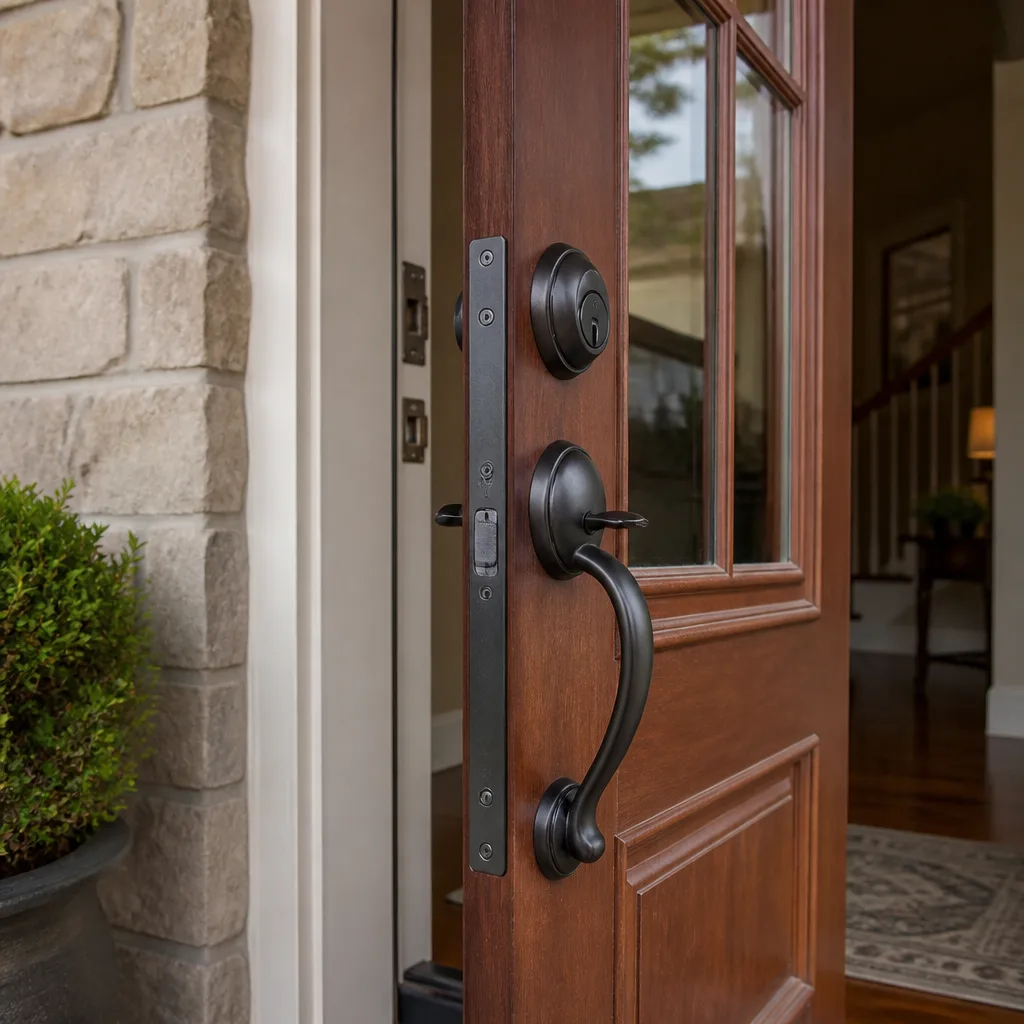
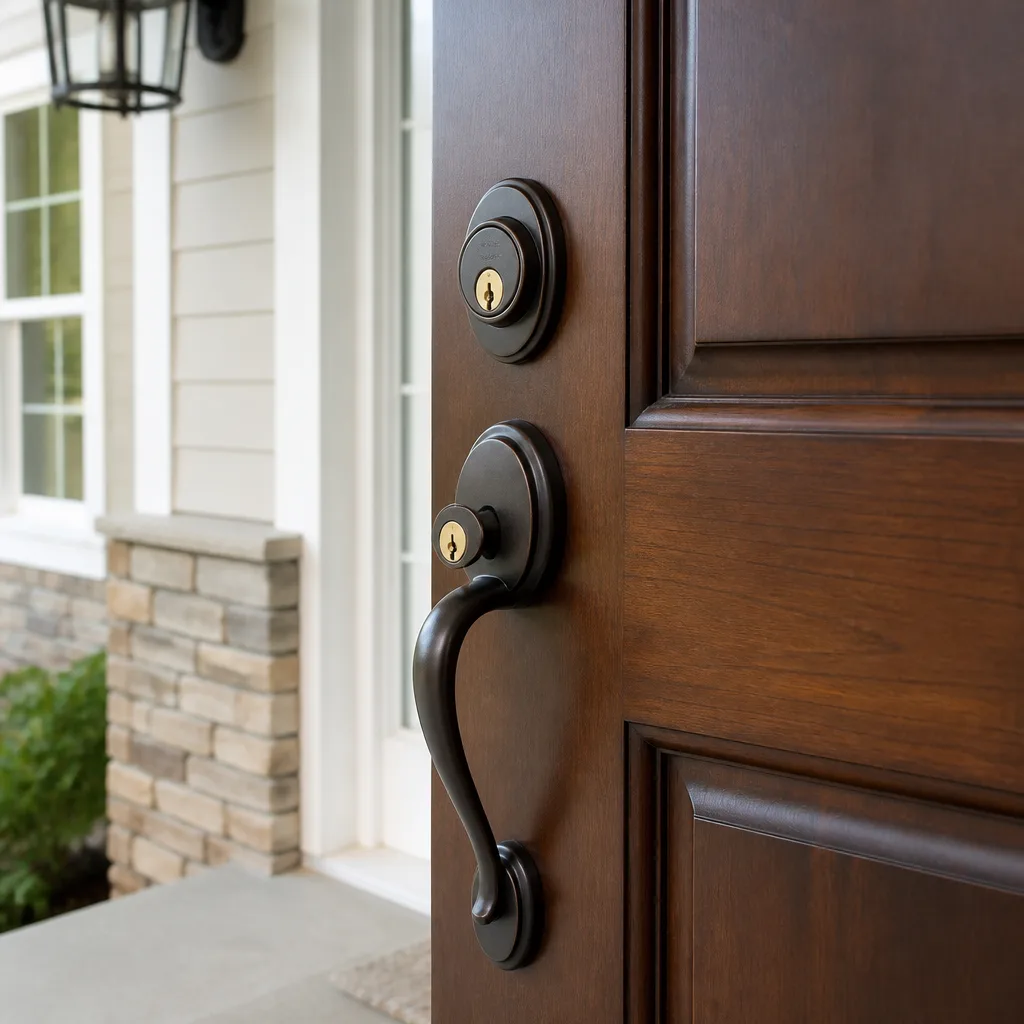
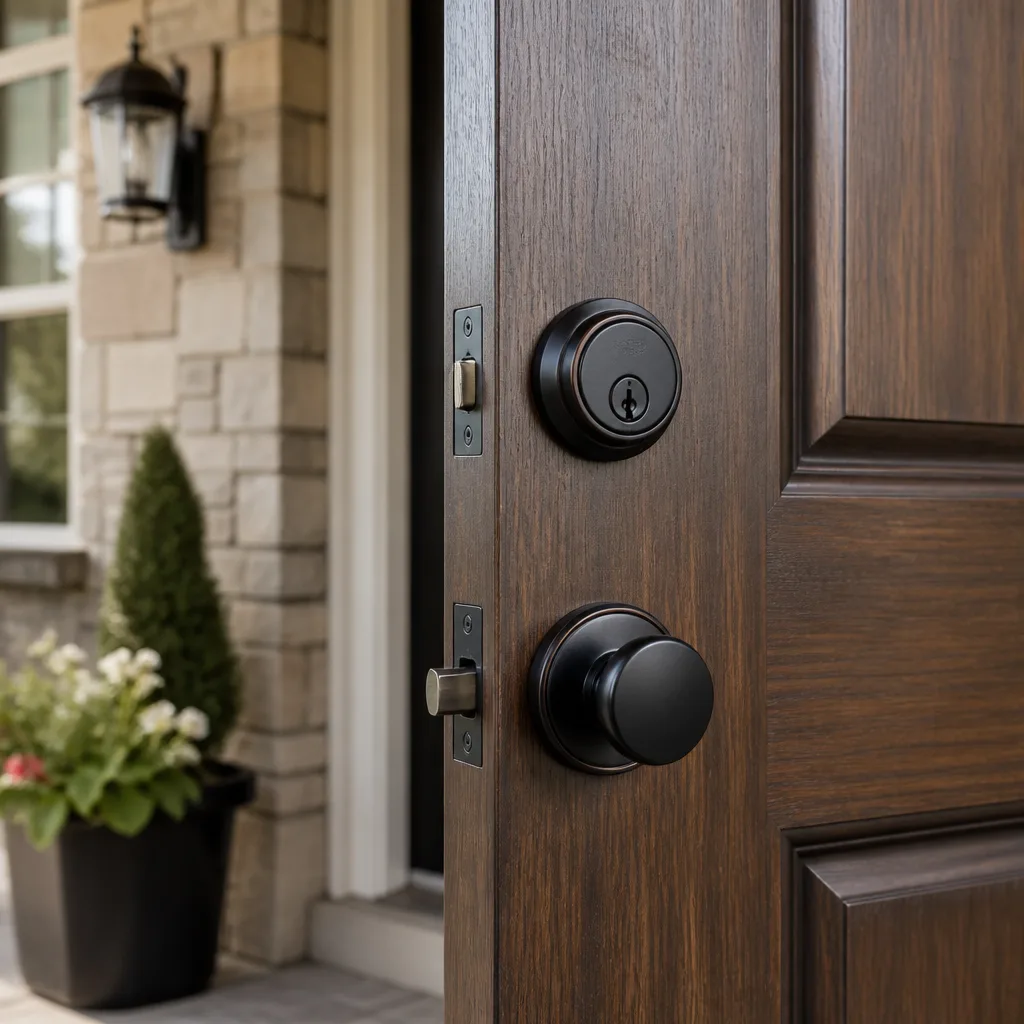
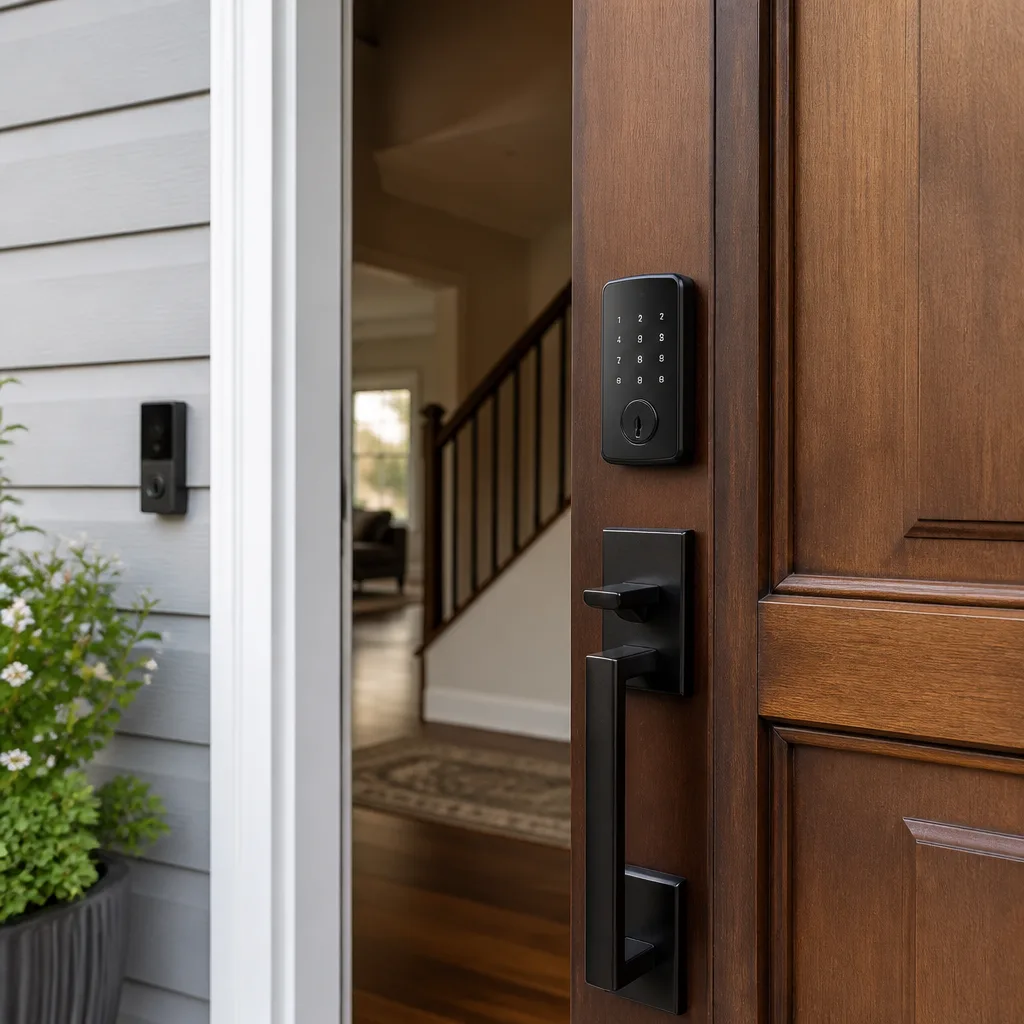
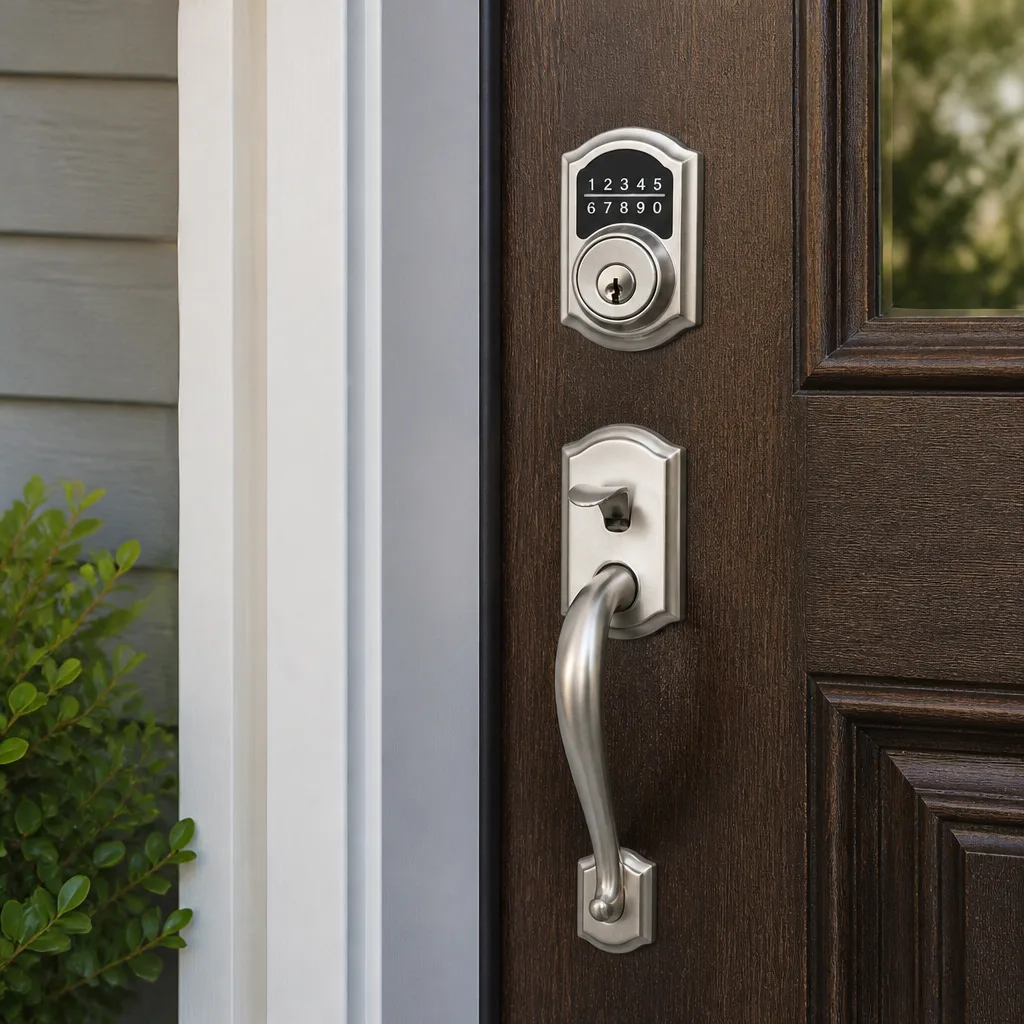
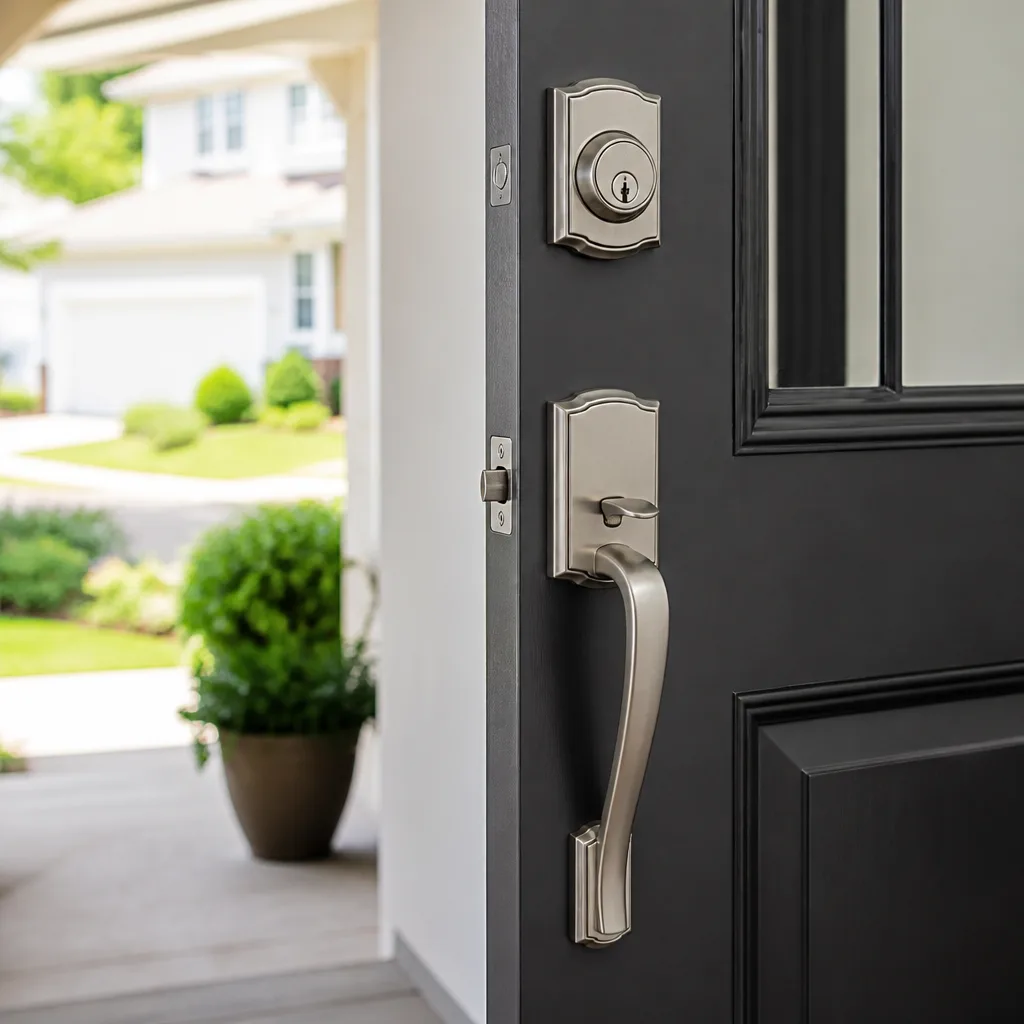
How Long Does Residential Locksmith Take? Timelines and What to Expect
A locksmith who quotes you “15 minutes” for a deadbolt rekey before seeing your door hardware is guessing, and that guess is often how corners get cut. The honest answer is that most residential locksmith jobs in Los Angeles take between 20 and 90 minutes once the technician arrives, but the clock that actually matters starts after the van parks. What happens during those minutes, assessment, surface protection, the work itself, cleanup, and documentation, determines whether the job holds up for five years or starts wearing out in five months. This residential locksmith guide breaks down every phase of a visit so you know what a complete job looks like, not just a fast one.
Quick Answer
Most residential locksmith jobs in Los Angeles take between 20 and 90 minutes on site. A standard lock rekey typically runs 20 to 30 minutes per lock, a deadbolt replacement takes 30 to 45 minutes, and a full lock change on two or three doors usually falls between 60 and 90 minutes. Jobs involving high-security hardware from Medeco or Mul-T-Lock, worn-out no-name cylinders, or multi-point locking systems take longer, sometimes two hours or more, because the work requires precision fitting rather than a simple swap.
Table of Contents
- The Four Phases of a Residential Locksmith Visit
- Timelines by Job Type: Rekey, Replace, Repair
- How Lock Brand and Condition Change the Timeline
- Los Angeles Context: Traffic, Parking, and Building Access
- The Red Flag Timeline: Be Wary of Identical Quotes
- What a Technician Should Do Before Touching Your Door Frame
- Pricing Honesty: What the Written Quote Should Cover
- Common Mistakes to Avoid
The Four Phases of a Residential Locksmith Visit
Most guides online skip everything after “the work itself,” which is why homeowners get surprised by messes, scuffs, and hardware that fails a month later. A proper residential locksmith job has four distinct phases, and each one takes real minutes. Understanding them helps you spot a technician who is cutting corners before the damage is done.
- Arrival and assessment (5 to 10 minutes). The technician parks, walks to the door, and inspects the lock, the door slab, the frame, and the strike plate. This is not stalling. A Kwikset deadbolt installed in 2005 sits differently than a Schlage B60N installed last year. The assessment determines tool selection and whether the existing hardware can be rekeyed at all.
- The work itself (15 to 60 minutes, depending on the job). This is the phase everyone thinks about. Rekeying a cylinder, replacing a deadbolt, installing a smart lock, cutting keys, or repairing a misaligned strike plate all live here.
- Cleanup and hardware test (5 to 10 minutes). A thorough technician tests the lock with the door open and closed, checks the latch alignment, confirms every key turns smoothly, and then cleans the work area. This phase is where you find out whether the technician respects your home or treats it like a job site.
- Written documentation and walkthrough (5 to 10 minutes). You receive a written record of what was done, what hardware was installed or serviced, and what the warranty covers. The technician walks you through the new keys, demonstrates the lock, and answers questions. This phase protects you if something fails later.
We have timed our own technicians across hundreds of Los Angeles residential jobs. A complete, properly documented rekey of two locks is rarely under 45 minutes. Anyone doing it meaningfully faster is skipping a phase, usually cleanup or documentation.
Timelines by Job Type: Rekey, Replace, Repair
Different jobs have genuinely different timelines, and a skilled technician should describe them differently over the phone. Here is what you should reasonably expect for the most common residential locksmith services in Los Angeles, with Locksmith Cost Breakdown: The Los Angeles Homeowner’s Reference for 2026 pricing context.
Rekeying a Lock
Typical time: 20 to 30 minutes per lock. Rekeying means changing the internal pins so the old key no longer works and a new key does. The lock hardware stays in place. This is the most common residential request, usually after moving into a new home, after a roommate or tenant moves out, or after a key goes missing. A standard Schlage or Kwikset cylinder rekeys quickly. The work is faster when the technician has the correct pin kit for the brand already loaded in the van. We carry dedicated pin kits for Schlage, Kwikset, and Yale, which eliminates trips back to the vehicle and keeps the job moving.
Replacing a Deadbolt
Typical time: 30 to 45 minutes per deadbolt. Replacement involves removing the old hardware, confirming the door prep fits the new deadbolt, installing the new cylinder and bolt, and aligning the strike plate. Older Los Angeles homes from the 1920s through the 1960s often have narrower door prep that needs minor adjustment for modern deadbolts. That adjustment is normal and should be included in the written price, not sprung on you as an add-on.
New Lock Installation
Typical time: 45 to 75 minutes for a single door, more for multiple doors. Installing a lock where one did not exist requires boring a hole in the door slab and chiseling space for the strike plate in the frame. This is precise work. A mistimed bore can split the door or leave a gap that drafts and insects find within weeks. Take your time here. Rushing this job is the single most common cause of callback repairs we see from other companies.
Smart Lock Installation
Typical time: 45 to 90 minutes. Smart locks require careful alignment of the motorized bolt with the strike plate. Even a few millimeters of misalignment causes the motor to strain, which drains batteries faster and shortens the lock’s lifespan. Programming, Wi-Fi connection, and app setup add time. If the existing deadbolt was installed poorly, fixing that prep work must happen first or the smart lock will never operate smoothly.
Lockout Service
Typical time: 10 to 20 minutes for a standard entry, longer for high-security or multi-point locks. Lockouts are the exception to the “longer is better” rule. A skilled technician using the right tools opens most residential doors without damage in under 15 minutes. If a technician reaches for a drill immediately, ask them to stop and try non-destructive methods first. Drilling should be the last resort, not the first tool out of the bag.
How Lock Brand and Condition Change the Timeline
Not all locks are created equal, and the difference shows up in minutes on the clock. A rekey that takes 20 minutes on a well-maintained Schlage B60N can take 45 minutes on a worn no-name cylinder that was installed two decades ago and never serviced.
Here is what we see across Los Angeles homes:
- Schlage and Kwikset: These are the two most common residential brands in Los Angeles. Their cylinders are standardized, well-known, and quick to rekey when in reasonable condition. Expect the lower end of the time range.
- Yale and Baldwin: These brands are common in higher-end Los Angeles homes and older estates. The hardware is quality, but Baldwin’s designs sometimes use non-standard tailpieces and trim that require extra care during disassembly. Add 10 to 15 minutes per lock compared to a standard Schlage.
- Medeco and Mul-T-Lock (high-security): These locks require specialized pin kits, restricted key blanks, and often card systems to order new keys. The work itself is not dramatically slower, but the setup and documentation are. Expect 45 to 60 minutes per cylinder, and understand that the added time is protecting the investment you made in high-security hardware.
- Worn, corroded, or no-name cylinders: Los Angeles has thousands of older apartment buildings and single-family homes with off-brand locks that were installed in the 1980s and 1990s. These cylinders gum up, pins stick, and the tailpieces corrode. A cheap lock in poor condition can take twice as long to rekey as a quality lock in good condition. If a technician quotes you a rekey price over the phone without asking about the brand or condition, they are guessing.
The condition of the door itself also matters. Doors that have shifted, frames that have settled, and strike plates that have been painted over repeatedly all add time. A rekey is quick on a door that closes cleanly. The same rekey takes longer on a door that needs the latch aligned before the lock can even be tested.
Los Angeles Context: Traffic, Parking, and Building Access
If you live in Los Angeles, you already know that “15 minutes away” can mean 45. The same applies to locksmith arrival times, and it has nothing to do with the technician’s skill. Here is what actually adds time to a Los Angeles locksmith visit before the technician even rings the bell.
Traffic Patterns
Los Angeles traffic is a genuine variable in any service timeline. A technician dispatched from the Valley to a home in Mid-City at 5:00 p.m. is not making that trip in 20 minutes. During rush hour, add 15 to 30 minutes to any arrival estimate. A reputable company factors this in and gives you a realistic window, not a fantasy arrival time designed to win the call.
Parking and Street Access
Many Los Angeles neighborhoods, particularly in areas like Koreatown, Westlake, and parts of Hollywood, have almost no street parking. A technician may need to circle the block, park two streets over, and walk with tools. That adds 10 to 15 minutes before the job starts. It also means the technician is carrying heavy equipment farther, which is worth understanding when you see the final bill.
Multi-Unit Building Access
Condos, apartments, and gated communities add layers of access. The technician may need to check in with a front desk, wait for a building manager, or coordinate with a gate system. In large Los Angeles complexes, getting from the parking structure to your unit door can add 15 minutes to the visit. None of that time is wasted, and a professional accounts for it in the schedule rather than rushing the actual lock work to make up for it.
We serve the full Los Angeles area from our base of operations, and our dispatchers build traffic and parking realities into every arrival window. When we say 45 minutes, we mean 45 minutes, not 45 minutes plus however long the 405 decides to behave.
The Red Flag Timeline: Be Wary of Identical Quotes
Here is a specific warning that most locksmith guides will not give you: if a company quotes you the same time and price regardless of what you describe over the phone, that uniformity is a red flag.
A rekey of a Schlage deadbolt is a different job than replacing a worn Baldwin entry handle. A smart lock installation on a 1920s Spanish Revival door in Los Feliz is a different job than a smart lock installation on a 2015 tract home in Porter Ranch. If the person on the phone does not ask what brand your lock is, what condition the door is in, or whether the lock already exists or needs to be installed fresh, they are not giving you a real quote. They are giving you a number designed to get a technician to your door, where the actual pricing conversation will happen after you are already committed.
We give written prices before any work starts, every time. That price is based on the details you give us during the call, then confirmed by the technician during the arrival assessment. If the assessment reveals something the phone call could not, we stop and give you an updated written price before proceeding. You approve it, or we pack up. There is never a surprise line item after the fact.
What a Technician Should Do Before Touching Your Door Frame
The minutes that separate a careful locksmith from a careless one happen before the first tool comes out. Here is what a professional does in the first five minutes on site, and why those minutes matter:
- Inspect the existing hardware. The technician looks at the lock, the door, the frame, and the strike plate. They identify the brand, check for signs of wear or previous damage, and confirm the work described on the phone matches what is actually in front of them.
- Photograph the existing hardware. A careful technician photographs the door and lock before work begins. This protects you. If a scratch appears on the door during the job, the photo proves whether it was there before. We do this on every visit, and we include the photos in your documentation at the end.
- Protect the finish. The technician should mask or shield the door and frame before using tools near them. A drill or screwdriver that slips can gouge a painted door or scrape a wood frame. A professional prevents that damage rather than apologizing for it afterward. This is where the C.A.R.E. standard comes in: we treat your door the way we would treat our own front entry.
- Lay down protection inside the home. Before walking into your house, the technician should put on shoe covers and lay a drop cloth inside the door. Los Angeles sidewalks are dusty, and that dust transfers to your floors fast. This takes 30 seconds. Skipping it means you are cleaning up after the technician for the next hour.
None of these steps are optional at Blackthorn Locksmith & Security. They are part of the Cedarwell Care Promise, written into every job, and our technicians are trained to do them on autopilot. If you ever hire a locksmith who skips these steps, you have learned something useful about how the rest of the job will go.
Pricing Honesty: What the Written Quote Should Cover
Locksmith pricing has a well-earned reputation for bait-and-switch tactics. You see a $19 service call advertised, then the technician arrives and suddenly the job costs $300. That bait-pricing problem is the single biggest reason homeowners hesitate to call a locksmith, and you should know exactly what an honest written quote looks like.
Here is what we put in writing before any work begins at Blackthorn Locksmith & Security:
- The full price of the job. Not an estimate. Not a range. A written dollar amount for the complete scope of work.
- All labor and hardware costs. Nothing separated out as a surprise later. If a new deadbolt is part of the job, the price of that deadbolt is spelled out.
- The warranty terms. What is covered, for how long, and what to do if something fails.
- Any additional work discovered during assessment. If the technician finds something the phone call could not reveal, you get an updated written price before that additional work starts.
For comparison, typical residential locksmith pricing in Los Angeles runs roughly $65 to $95 for a standard rekey per cylinder, $150 to $250 for a deadbolt replacement including hardware, and $250 to $450 for a new lock installation on an un-prepped door. Smart lock installations generally run $175 to $350 depending on the hardware and the existing door prep. These are honest market ranges. Anyone quoting far below them is either using substandard hardware or planning to make up the difference with add-ons after arrival.
The phone number you call should be answered by a live person, not a call center script. That person should ask about your lock, your door, and your home before quoting anything. At Blackthorn, a live person answers every call, 24 hours a day, 7 days a week, including holidays. When a lock fails at midnight, you do not want a voicemail tree.
Common Mistakes to Avoid
- Calling the first result without checking the company. The highest-ranked locksmith on a search page is not always a real local company. Some are lead-generation operations that dispatch whoever is available, with no quality control and no accountability. Ask who is coming to your door. At Blackthorn Locksmith & Security, every technician is background-checked and arrives in uniform.
- Accepting a quote before the technician sees the lock. A phone quote is only as good as the information behind it. If the person on the phone does not ask about brand, condition, or door prep, the quote is a guess. Insist on a written price after assessment, before work begins.
- Letting a technician drill a lock before trying non-destructive methods. Drilling is fast, but it destroys the lock and leaves metal shavings inside your door. A skilled technician opens most residential doors without drilling. Ask about non-destructive options before the drill comes out.
- Rushing the job because you feel pressured. A technician who creates time pressure is usually trying to move fast enough to skip a step. The job takes the time it takes. A professional respects your schedule and the work.
- Not asking about cleanup. Locksmith work produces metal shavings, old pins, and packaging. If the technician does not mention cleanup, ask. At Blackthorn, shoe covers and drop cloths are placed inside the home on every visit, and we send a photo of the clean-up before the technician leaves.
- Choosing hardware based on price alone. A $12 deadbolt protects a door that protects the room where your kids sleep. That math does not work. Spend the money on quality hardware from Schlage, Kwikset, or Yale, and install it correctly. The hardware performs better, lasts longer, and rekeys more cleanly in the future.
- Not receiving written documentation after the job. You should leave every locksmith visit with a written record of the work, the hardware, and the warranty. If a company will not put it in writing, find one that will.
When to Call a Professional
Some lock situations are genuinely dangerous to handle alone, and some are simply faster and safer in professional hands. Call a locksmith when you have lost a key and do not know who else might have a copy, when you have moved into a new home and cannot confirm how many keys are floating around, when a lock is sticking or grinding and you do not know the brand or condition, or when you want to upgrade to high-security hardware that requires specialized pinning. Deadbolt replacement on a door that no longer closes cleanly should also be handled by a professional, since the door alignment usually needs adjustment along with the lock. Blackthorn Locksmith & Security offers free estimates in Los Angeles; call (818) 390-9007 for a written quote on any residential locksmith job, or browse our more guides & resources.
Frequently Asked Questions
Rekeying a typical two-door house in Los Angeles takes 40 to 60 minutes total, including assessment, cleanup, and testing. Each lock rekeys in about 20 to 30 minutes, and a professional visit includes time at the end for documentation and a walkthrough of the new keys. Call (818) 390-9007 for a specific timeline based on your home’s hardware.
Yes, most residential locksmith work in Los Angeles is completed the same day, and many jobs are finished within one to two hours of the first call. Lockouts, rekeys, and deadbolt replacements are all standard same-day services. We dispatch technicians across Los Angeles with fully stocked vans so the work happens on the first visit, not the second.
A standard rekey in Los Angeles runs $65 to $95 per cylinder, a deadbolt replacement runs $150 to $250 including hardware, and a new lock installation on an un-prepped door runs $250 to $450. The exact price depends on hardware brand, condition, and door prep. At Blackthorn Locksmith & Security, the written price you approve before work starts is the price on the invoice, no additions on arrival.
The phone quote is based on what you describe, and the final written price is confirmed by the technician during the arrival assessment. If the assessment reveals something the phone call could not, we stop and give you an updated written price before proceeding. You approve the price or we pack up, every time, at Blackthorn Locksmith & Security.
Arrival times in Los Angeles depend on your neighborhood, traffic patterns, and parking. Most of our residential calls are reached within 45 to 75 minutes, but rush-hour traffic in areas like the Westside or the Valley can extend that. We give you a realistic window when you call (818) 390-9007, and a live person answers 24 hours a day.
Ask for the company name, confirm the technician is background-checked and uniformed, and insist on a written price before work begins. A legitimate company will have no problem providing all three. Blackthorn Locksmith & Security sends background-checked, uniformed technicians on every call, provides a written price before any work starts, and operates under the Cedarwell Care Promise with the 365-Day Done Right Promise covering all completed work.
The Bottom Line
Most residential locksmith jobs in Los Angeles take 20 to 90 minutes on site, but the number on the clock means less than what happens during those minutes. A complete job includes assessment, surface protection, the work itself, cleanup, hardware testing, and written documentation. Skipping any of those phases saves minutes and costs you later in damaged doors, failed locks, or surprise charges. When you call a locksmith, ask about the process, not just the arrival time. A company that describes the full job honestly is a company that does the full job. To explore our broader services, visit the Blackthorn Locksmith & Security home, review our Residential Locksmith in Los Angeles offerings, see our Commercial Locksmith in Los Angeles details, or learn about Access Control Systems in Los Angeles. Call (818) 390-9007 for a free estimate and a written price before any work begins.
Written by Shane Delaney, Owner at Blackthorn Locksmith & Security, serving Los Angeles since 2008.