
Last updated October 8, 2026
Non-destructive entry first, always - and we re-key Schlage, Kwikset, and Baldwin locks on the spot while you watch
You get a price before we start. It does not change when we arrive. No surprises.
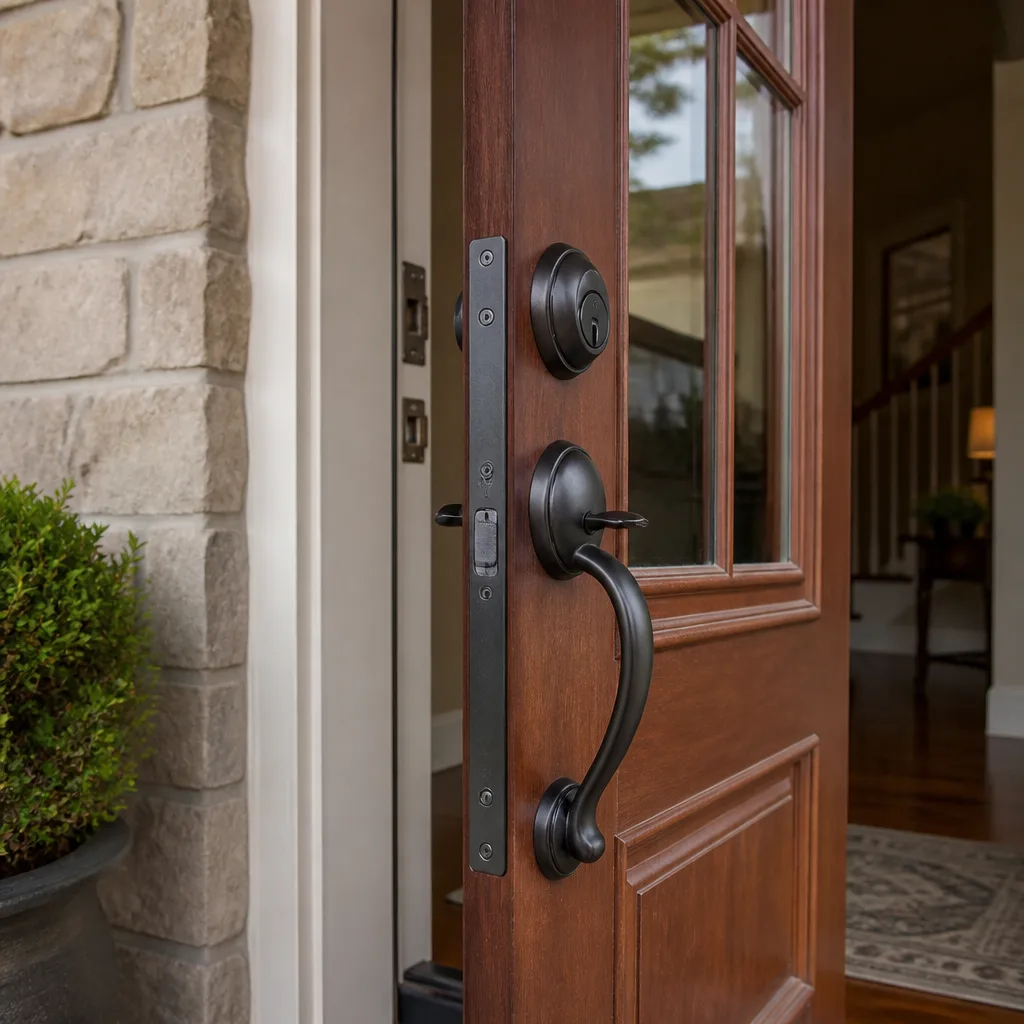
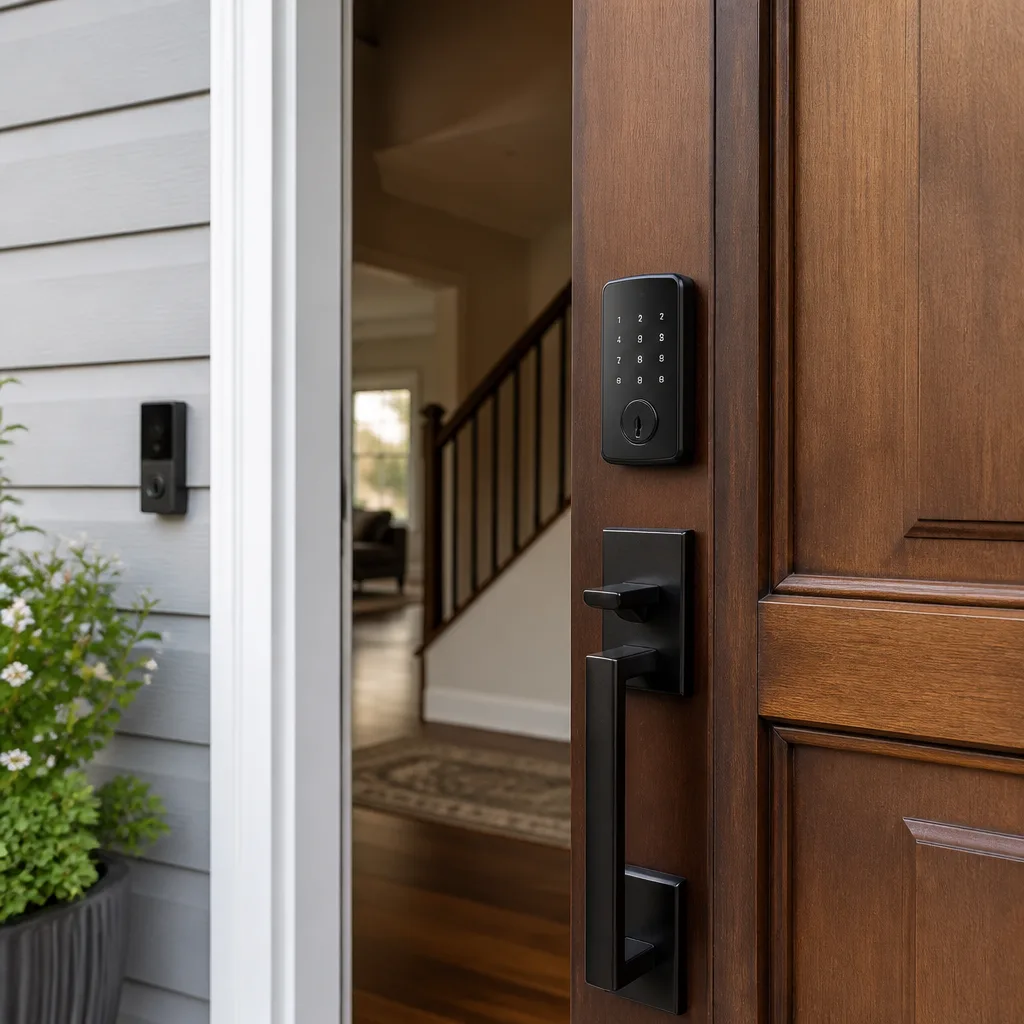
How Long Does Commercial Locksmith Take? Timelines and What to Expect
A commercial rekey that takes 20 minutes on a single-door retail space can take four hours on a master-keyed office suite. Not because the locksmith is slow, but because master key systems require pin stacking at every cylinder, and a 15-door suite has 15 cylinders to rebuild. This guide breaks down realistic timelines by job type so Los Angeles business owners can schedule around real disruption windows instead of guesswork. You’ll learn which jobs fit into a lunch break, which ones need after-hours access, and what variables in Los Angeles specifically add time that most locksmiths never mention until the invoice arrives.
Quick Answer
Most our Commercial Locksmith services jobs in Los Angeles take between 15 minutes and 4 hours on-site. A single-door lockout or rekey typically runs 15-45 minutes, while a full master key system rekey across a 15-door suite can take a full morning. Access control installations run longer, often 2-6 hours depending on panel type and door count. The honest answer depends on job type, door count, hardware condition, and how easily the technician can park and access the building.
Table of Contents
- Commercial Locksmith Timelines by Job Type
- Los Angeles Variables That Extend Every Job
- What “Mobilization Time” Means on a Commercial Invoice
- How to Schedule a Commercial Locksmith to Minimize Disruption
- What a Reliable Commercial Locksmith Should Tell You on the Phone
- Access Control Installation Timelines, Panel by Panel
- Common Mistakes to Avoid
- When to Call a Professional
- Frequently Asked Questions
- The Bottom Line
Commercial Locksmith Timelines by Job Type
Different commercial jobs move at different speeds, and the spread is wider than most owners expect. Here’s what we tell business owners in Los Angeles when they ask for a straight answer on how long a commercial locksmith takes, broken down by the actual work being done, and for How Long Does Residential Locksmith Take? Timelines and What to Expect see our dedicated guide.
Commercial Lockout: 15-45 Minutes
A standard commercial lockout, where the technician picks or bypasses a single lock to regain entry, usually takes 15 to 45 minutes. The range exists because some storefront mortise locks pick cleanly in under five minutes while a high-security cylinder from Medeco or Abloy may take substantially longer due to tighter tolerances and additional pick-resistant features. If the lock is damaged rather than simply locked out, add another 10-15 minutes for a cylinder swap so you’re not leaving a compromised lock on the door.
Single-Door Rekey: 15-25 Minutes
Rekeying one standard commercial door with a Schlage or Kwikset cylinder typically runs 15 to 25 minutes from start to finish. The technician removes the cylinder, replaces the pins to match a new key, reassembles the lock, and tests it with the new key and the old key to confirm the old key no longer works. This is the fastest way to invalidate a former employee’s key access on a single entry point.
Multi-Door Rekey (Non-Master Keyed): 10-15 Minutes Per Door
When a business has multiple doors that are all keyed alike but not on a master key system, each additional door adds roughly 10 to 15 minutes. A five-door retail space rekeys in about an hour. An eight-door medical office lands closer to 90 minutes. The math is predictable because each cylinder is handled independently. If the hardware is older or corroded, especially in coastal Los Angeles neighborhoods where salt air accelerates oxidation, expect the per-door time to drift toward the higher end while the technician cleans and lubricates the lock properly.
Master Key System Rekey: 20-40 Minutes Per Door
This is where timelines surprise owners. A master key system is not just multiple locks that share a key. Each cylinder is pinned in stacks that allow the master key and the change key to both operate the lock. When you rekey a master keyed suite, the technician rebuilds every cylinder, often replacing pins and springs across the entire door count. A 15-door office suite with a master key hierarchy typically takes four hours or more, not the 90 minutes a basic rekey would require. The time is proportional to the door count and the complexity of the key hierarchy, not to how fast the technician works. In our experience with Los Angeles office buildings, a three-level master system, where you have a grand master, floor masters, and suite change keys, adds roughly 25-30 minutes per door over a basic rekey.
Panic Bar Replacement: 45-90 Minutes Per Door
Replacing a worn or failed panic bar, also called an exit device, on a commercial door runs 45 to 90 minutes per door. The technician removes the old device, verifies the door prep matches the new bar’s mounting pattern, installs the new exit device, and adjusts the latch so it comes and goes cleanly without dragging. Fire-rated doors add time because the technician must preserve the fire rating, which means the door’s edge and hardware cutouts have to match the replacement bar exactly. A panic bar on a high-traffic entry in a Los Angeles restaurant might take the full 90 minutes if the old hardware has been stressed by years of constant use and the door needs minor adjustment to hang properly again.
Access Control System Installation: 2-6 Hours
Access control work is a different category from mechanical lock work entirely. A single-door standalone keypad with an electric strike might install in two to three hours. A networked system with a control panel, card readers at multiple doors, and software configuration for user credentials can run four to six hours or more depending on the building. We break this down in more detail in the access control section below, but the key point is this: access control is measured in half-days, not lunch breaks. For a full picture of what access control involves in the Los Angeles market, see our guide to Access Control Systems in Los Angeles.
Los Angeles Variables That Extend Every Job
A commercial locksmith timeline in Los Angeles is not just about the lock. The city itself adds time in predictable ways, and honest locksmiths disclose these before you sign off on the schedule. Here are the specific variables we tell Los Angeles business owners to plan around.
Parking and Building Access Delays
In downtown Los Angeles, Koreatown, or any dense commercial corridor, the technician’s on-site time does not start when the van pulls up. It starts when the van finds a legal parking spot, which can take 10 to 20 minutes in a district with metered street parking or a loading zone that is already occupied. In mid-rise and high-rise buildings, add another 5 to 15 minutes for security desk check-in, freight elevator booking, and walking from the parking structure to the actual suite. These are real minutes on the job clock. A locksmith who gives you a timeline without asking about your building’s parking and security setup is guessing, not quoting.
Elevator Wait Time in Mid-Rise Buildings
Any commercial locksmith job above the ground floor in a Los Angeles office building involves elevator logistics. Service elevators often require advance booking, and in buildings with active tenant traffic, the wait can run 5 to 10 minutes per trip. A technician carrying a tool bag, a drill, and access control hardware may need two or three elevator trips to offload and to haul out old hardware. Across a half-day job, elevator time alone can add 30 minutes. Buildings along Wilshire Boulevard and in Century City are particularly tight on service elevator scheduling, so plan locksmith visits outside of moving-hour windows when freight elevators are already reserved.
Permit Pull Time for Electrified Hardware
In the City of Los Angeles, electrified locking hardware on certain commercial doors, especially fire-rated openings, can require a permit before installation. The permit pull itself is not done by the locksmith on-site; it is pulled in advance at the Department of Building and Safety. That process can add days to the overall project timeline, not hours. What the technician does on-site is the final step. A straightforward panic bar swap on a non-fire-rated door usually needs no permit, but adding an electric strike to a fire-rated exit or integrating hardware with the building’s fire alarm system often triggers a review. Los Angeles is stricter on this than many surrounding municipalities, and that is something a local commercial locksmith should flag on the first call, before you commit to a schedule.
Hardware Age and Coastal Corrosion
The age of the building matters more than most owners expect. Commercial buildings near the coast, think Santa Monica, Venice, Playa Vista, deal with salt air that corrodes lock internals faster than inland buildings in Glendale or Burbank. A rekey on a well-maintained, modern Schlage commercial lockset is quick. The same rekey on a 30-year-old mortise lock body with a cylinder that has never been pulled may require penetrating oil, careful removal, and recutting of the cylinder, adding 15 to 20 minutes per lock. Older buildings in downtown Los Angeles, many of which date to the 1920s and 1930s, commonly have obsolete mortise lock bodies that need special handling.
What “Mobilization Time” Means on a Commercial Invoice
“Mobilization” is the line item that confuses more Los Angeles business owners than any other. Here is the honest explanation, the way we put it to clients before we ever send a bill.
Mobilization time is the time it takes a locksmith to get from the shop or the previous job to your door, loaded with the right tools and hardware. In Los Angeles, that is a real cost. A technician sitting at the shop in Northridge is not at your door in Culver City in 20 minutes. Depending on the time of day, that drive can run 40 to 75 minutes one way. An honest locksmith discloses this drive time upfront so you know what you are paying for and can consolidate multiple lock issues into a single visit rather than paying mobilization twice.
Here is what mobilization should cover when it is handled honestly:
- Drive time from the technician’s dispatch point to your commercial property
- Tool loading and hardware pull for your specific job
- Any parking costs the technician incurs at your building
- Return trip time if the job wraps during peak traffic
The key distinction: a locksmith who quotes a low “service call” fee and then pads the labor rate is not cheaper than one who discloses mobilization honestly. A commercial locksmith in Los Angeles should give you the total price for the job in writing before the technician is dispatched, including mobilization. If the number changes on arrival, something is wrong. That is precisely the standard we hold ourselves to on every call, along with a written price before any work starts.
How to Schedule a Commercial Locksmith to Minimize Disruption
Business owners asking “how long will this take” are usually asking a second question underneath it: “How long will my operation be disrupted?” The scheduling strategy changes by job type. Here is how to think about it.
Jobs That Can Run During Business Hours
A single-door rekey for a back office or a storage room usually runs quietly enough to happen during a low-traffic window. The technician works on one door, the noise is minimal, and the work is done in under half an hour. Panic bar replacement on a rarely used side exit is another job that fits into business hours if the door can be temporarily secured. When we schedule these, we ask the owner which hour of the day sees the least foot traffic and we work to that window. It respects the flow of the business.
Jobs That Should Run After Hours
Master key system rekeys across a multi-door office suite should almost always happen after hours or on a weekend. The technician is likely moving between ten, fifteen, or twenty doors, and each door is out of service for 20 to 40 minutes. Doing that during business hours means the front entrance, the server room door, and the file room door are all open or blocked at various points. For a Los Angeles office with fifty employees, that is not a minor inconvenience; it is a productivity drain and a security gap. Schedule master rekeys for evening or Saturday work. The labor rate may be higher, but the operational savings usually dwarf the difference.
Phased Work Across Multiple Visits
If your building has 40 doors that all need rekeying after a security event, you do not have to do all 40 in one visit. A reputable commercial locksmith can phase the work: rekey the perimeter and high-security doors first, then the interior offices on a second visit, then storage and utility doors on a third. This keeps the business operational and spreads the invoice across multiple billing cycles if needed. The trade-off is additional mobilization costs on each visit. We walk clients through that math so they can decide what is worth paying for.
What Can Be Done in Low-Traffic Windows
Lock inspection and maintenance, hinge tightening, and weather stripping on exterior doors are all quiet, quick jobs that fit into a two-hour low-traffic window. If you are already bringing a locksmith out for one priority item, bundling maintenance into the same visit is the smartest money in commercial locksmithing. It costs little extra in labor because the technician is already there, and it prevents the after-hours emergency call six months later.
For Los Angeles commercial properties specifically, we recommend a full Commercial Locksmith in Los Angeles inspection at least once a year, ideally during a low season for your particular business. A restaurant might do this in February. A retail store might pick a Tuesday morning in January. The point is a scheduled, quiet visit instead of an emergency dispatch.
What a Reliable Commercial Locksmith Should Tell You on the Phone
You should be able to size up a locksmith’s professionalism by what they tell you before anyone is dispatched. Here is what a competent commercial locksmith in Los Angeles should volunteer on the first call, and what each answer tells you about how the job will go. For How to Hire a Locksmith Contractor in Los Angeles: A Step-by-Step Guide, these questions are a good starting point.
- A job duration estimate with a range. “That master rekey across your eight doors will take about two and a half hours on-site.” A specific range signals experience. “It depends” with no follow-up questions signals guessing.
- What they will need from you on-site. Do they need access to the electrical room? Do they need a building engineer present? Do they need keys to the door they are rekeying? A locksmith who asks these questions before arriving is planning your job, not winging it.
- What would extend the timeline. If your doors are missing the original hardware brands, if the cylinders are corroded, if the door closers need adjustment, if the building requires a contractor’s certificate of insurance before work begins. These are the variables a pro names before they start the clock.
- Whether the job requires a permit. Any electrified hardware job on a fire-rated door in Los Angeles should trigger this conversation, not after the technician is already on-site and finds out the building inspector will need to sign off.
- A written price before dispatch. Not a verbal range, not an estimate that can float. A written price for the scope of work discussed. This is the single strongest signal of an honest locksmith, and it is the standard we have kept at Blackthorn since day one.
Access Control Installation Timelines, Panel by Panel
Access control is the job category where “how long does a commercial locksmith take” stops being a real-time question and becomes a project management question. Here are the realistic timelines by system type.
Standalone Keypad or Card Reader: 2-3 Hours Per Door
A single-door standalone system, one keypad or card reader controlling one electric strike, typically installs in two to three hours. The technician runs low-voltage wiring from the door to a power supply, mounts the reader, installs the electric strike or maglock, and programs the first set of codes or cards. This is the least invasive access control job and can often be done during business hours with minimal disruption.
Small Networked System (2-8 Doors): 4-8 Hours
A networked system with a central control panel, card readers at each door, and software for user management runs four to eight hours depending on the building. The time is driven by cable runs: running wire from the panel to each door through ceilings, conduit, or walls. In older Los Angeles commercial buildings with solid concrete walls or plaster ceilings, cable runs are slower and the job lands on the longer end. This is typically a full-day job, sometimes split across two days if the doors are far apart.
Enterprise System (Multiple Panels, Cloud Integration): Multiple Days
A true enterprise system covering 20 or more doors, with multiple control panels, network integration, mobile credentials, and audit trails is a multi-day project. The locksmith’s role is one part of it; you may also need IT involvement for network drops and server configuration. The physical installation of readers and strikes might run two to three days, with software configuration and testing adding another day. Here is a realistic sequence:
- Site walk and hardware spec (half day)
- Panel mounting and cable pulls (1-2 days)
- Reader and strike installation at each door (1-2 days)
- Software configuration, credential enrollment, testing (1 day)
- Staff training and handoff (half day)
The hardware brands matter here too. A commercial system built around Schlage or Medeco credentials integrates cleanly with existing key systems, and that is a conversation worth having before you commit to a new access platform.
Common Mistakes to Avoid
- Assuming a master key system rekey is just “a rekey.” Owners regularly budget an hour for a job that takes four. A master key system rebuilds every cylinder, and every door costs time. If your suite has a master key, say so on the first call and the locksmith can quote it correctly.
- Scheduling rekey work during business hours on a busy day. A 15-door master rekey during lunch service at a restaurant creates confusion and security gaps. After-hours work costs more per hour but costs less in disruption.
- Not asking about parking before the technician arrives. In downtown Los Angeles, the technician may spend 20 minutes circling for a space. Ask the locksmith what they need from you: a loading zone reservation, a visitor parking pass, or a specific garage entrance to use.
- Treating access control like a lock change. Access control is a project, not a service call. It involves low-voltage wiring, power supplies, network configuration, and often permits. Plan for a half-day minimum on even the simplest install.
- Accepting a verbal quote without a written price. If the price is not in writing before the technician is dispatched, it is not a quote. It is a guess. A written price protects you when the invoice arrives.
- Ignoring the old hardware’s condition when planning a timeline. A 40-year-old mortise lock in a downtown Los Angeles building does not rekey like a new Schlage commercial lockset. Age and corrosion add real minutes per door.
- Keying new locks to an old key that is badly worn. If your existing keys are worn thin, rekeying new cylinders to those worn keys means the locks will feel sloppy from the start. Cut new keys from the original code instead. This takes an extra 10 minutes and saves a callback.
When to Call a Professional
If a former employee still has keys and you cannot account for every copy, that is a rekey situation, and it is time to call a commercial locksmith. If a panic bar is sticking or failing to latch cleanly, that is a life-safety issue, not a maintenance item for the handyman. If you are moving into a new commercial space in Los Angeles and do not know who else has keys to the doors, rekey before you move inventory in. And if your building is asking for a master key system or access control integration, that work requires hardware knowledge, wiring skill, and local code awareness. Blackthorn Locksmith & Security offers free estimates on commercial locksmith work in Los Angeles, call (818) 390-9007 and a live person will answer, 24 hours a day.
Frequently Asked Questions
Commercial locksmith pricing in Los Angeles typically ranges from $95 to $175 for a single-door lockout, $65 to $125 per door for a standard rekey, and $45 to $85 per door on top of that for master key system work due to the extra pinning involved. Panic bar replacement usually runs $350 to $800 per door including hardware, and access control installation ranges from $900 to $2,500 per door depending on system complexity. These are honest ranges, not teaser pricing. The full price is quoted on the phone before anyone is dispatched, and that is the price on the invoice. Call (818) 390-9007 for an exact quote, estimates are free.
Yes, a master key system rekey can be completed in a single visit if the door count is manageable. A 10-door office suite on a master key system typically takes three to four hours in one visit. Larger buildings with 20 or more doors may need the work phased across multiple visits to avoid leaving the business partially locked down overnight.
At Blackthorn Locksmith & Security, the written price you receive before the technician is dispatched is the price you pay. There is no call-out surcharge added on arrival and no surprise line item when the job wraps. Every commercial job includes a written price before work starts, shoe covers and drop cloths inside the workspace, and a photo of the clean-up before the technician leaves.
Response time in Los Angeles depends on your location and the technician’s current dispatch point. Most commercial lockouts see a technician on-site within 45 to 90 minutes across the metro area. Dense corridors like downtown, Koreatown, and Hollywood tend to be faster due to technician density; outlying areas like Santa Clarita or Long Beach may run longer. When you call, you will get an honest arrival window based on where the nearest technician actually is.
Most mechanical lock work, rekeying, cylinder replacement, panic bar installation on non-fire-rated doors, does not require a permit in Los Angeles. Electrified hardware on fire-rated doors, which includes electric strikes and maglocks on fire exits, often requires a permit from the Department of Building and Safety. A reputable commercial locksmith will flag this on the first call rather than discovering it mid-job.
Yes, a commercial locksmith can rekey new or existing cylinders to match your current keys, as long as the keys are in good enough condition to be duplicated accurately. If your keys are heavily worn, the better move is to cut new keys from the original code, which adds about 10 minutes to the job and gives you clean, reliable copies from the start.
The Bottom Line
How long a commercial locksmith takes depends on the job: 15 to 45 minutes for a lockout, 15 to 25 minutes per door for a standard rekey, 20 to 40 minutes per door for master key work, and half a day or more for access control installation. Los Angeles adds its own layer, parking, elevator logistics, and permit requirements all extend on-site time in ways a good locksmith discloses upfront. The smartest scheduling decision is to match the job to the right time window: quiet rekeys during low traffic, full master system work after hours, access control as a phased project. Get a written price before dispatch, plan for mobilization and building access, and the timeline will be predictable instead of surprising. For more guides & resources on commercial security, visit our blog.
Written by Shane Delaney, Owner at Blackthorn Locksmith & Security, serving Los Angeles since 2008.