
Last updated October 8, 2026
Non-destructive entry first, always - and we re-key Schlage, Kwikset, and Baldwin locks on the spot while you watch
You get a price before we start. It does not change when we arrive. No surprises.
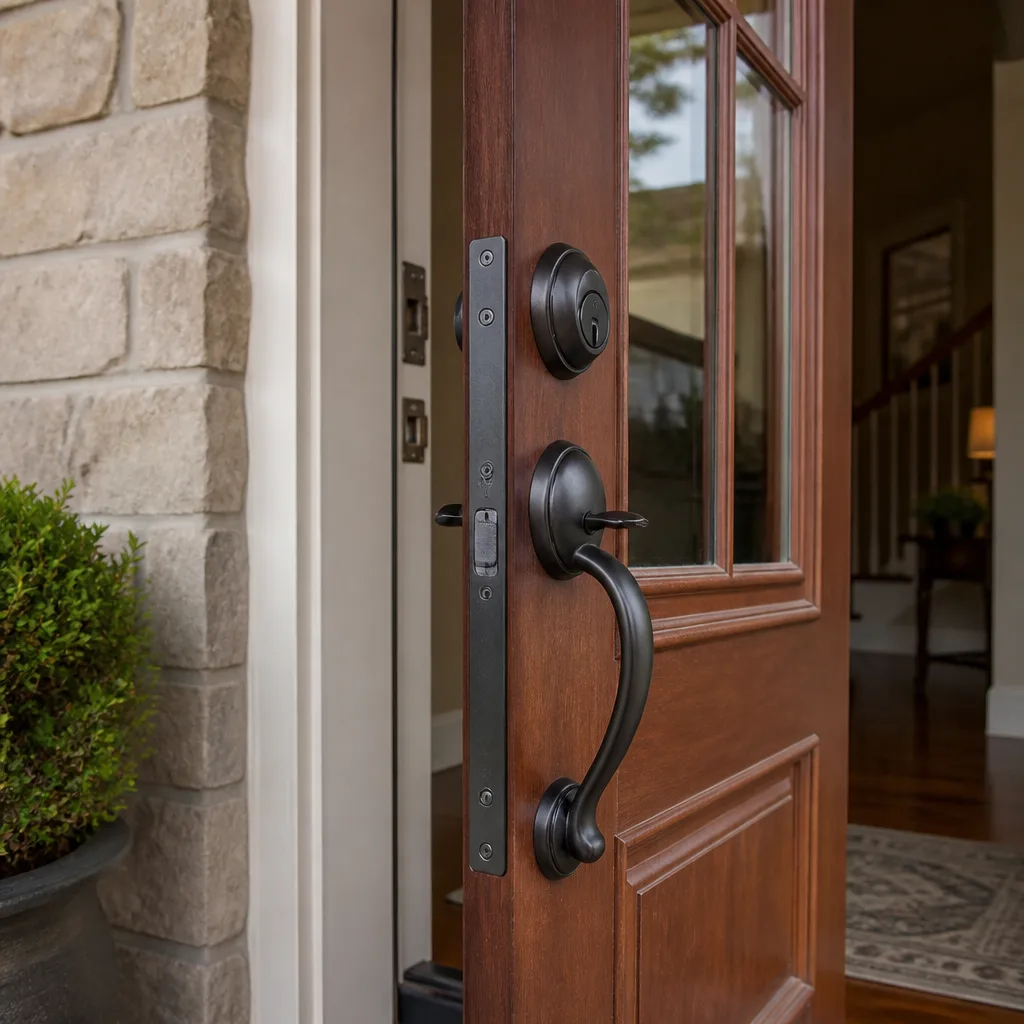
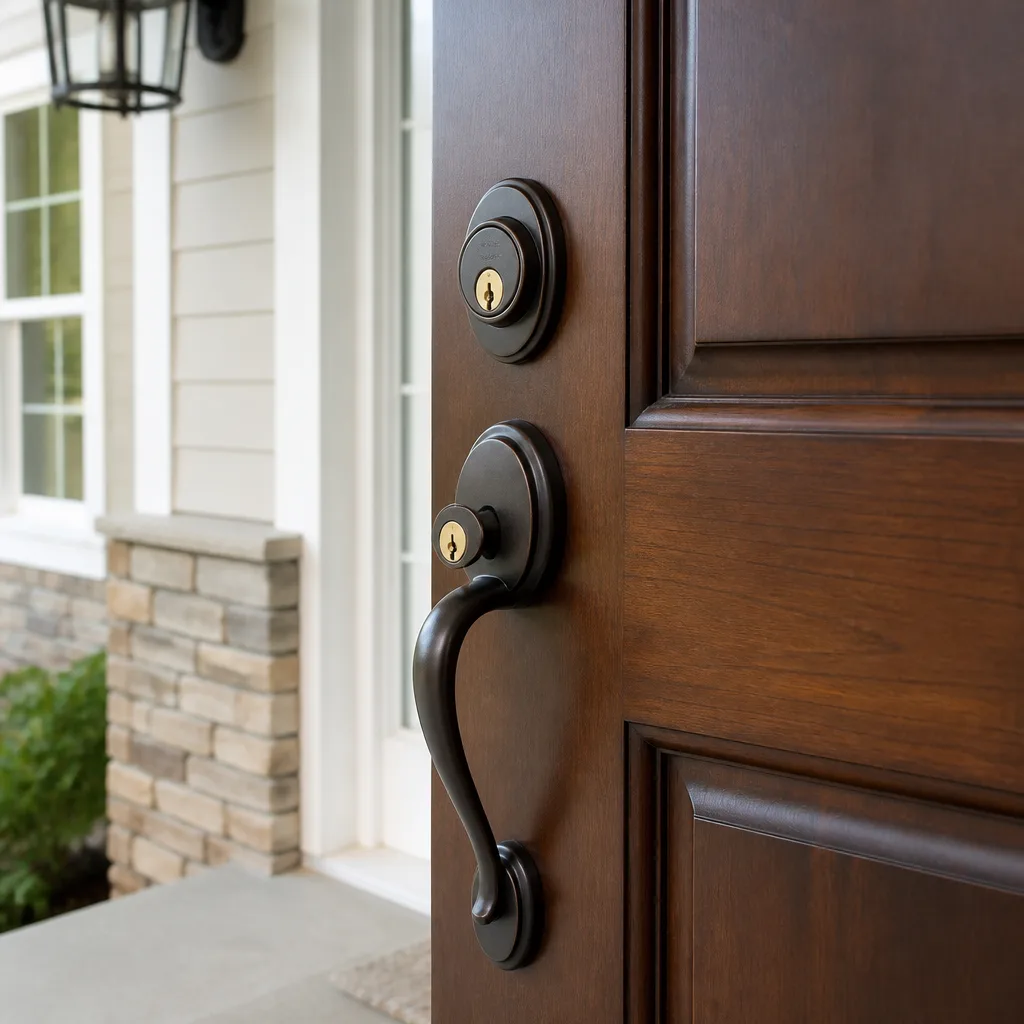
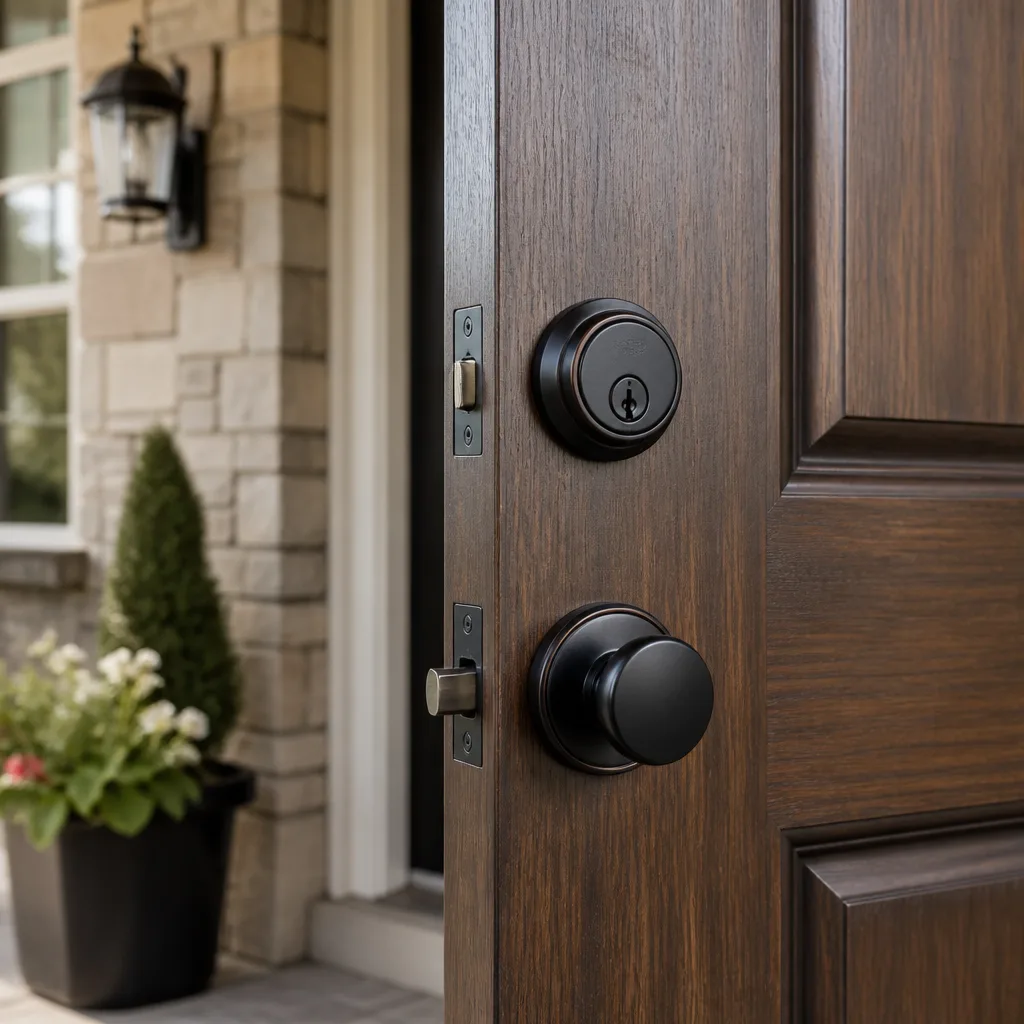
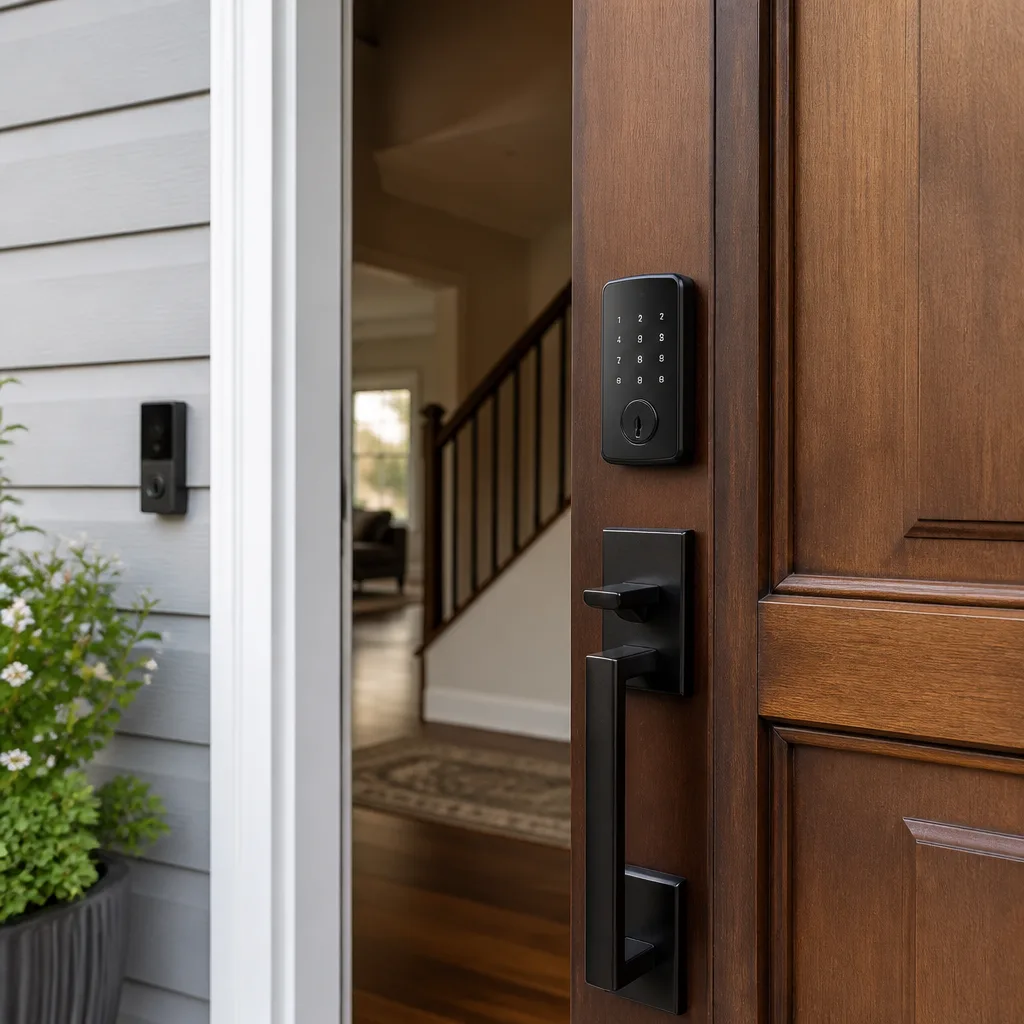
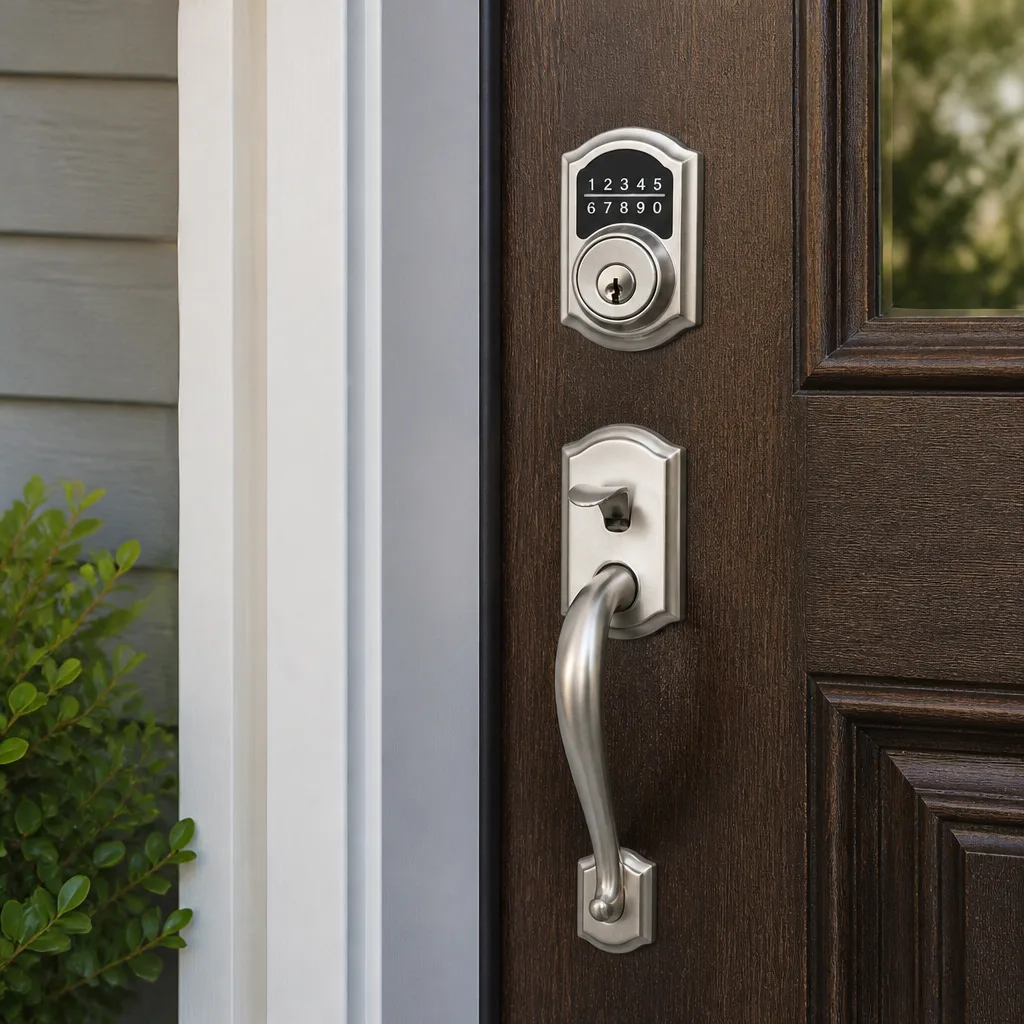
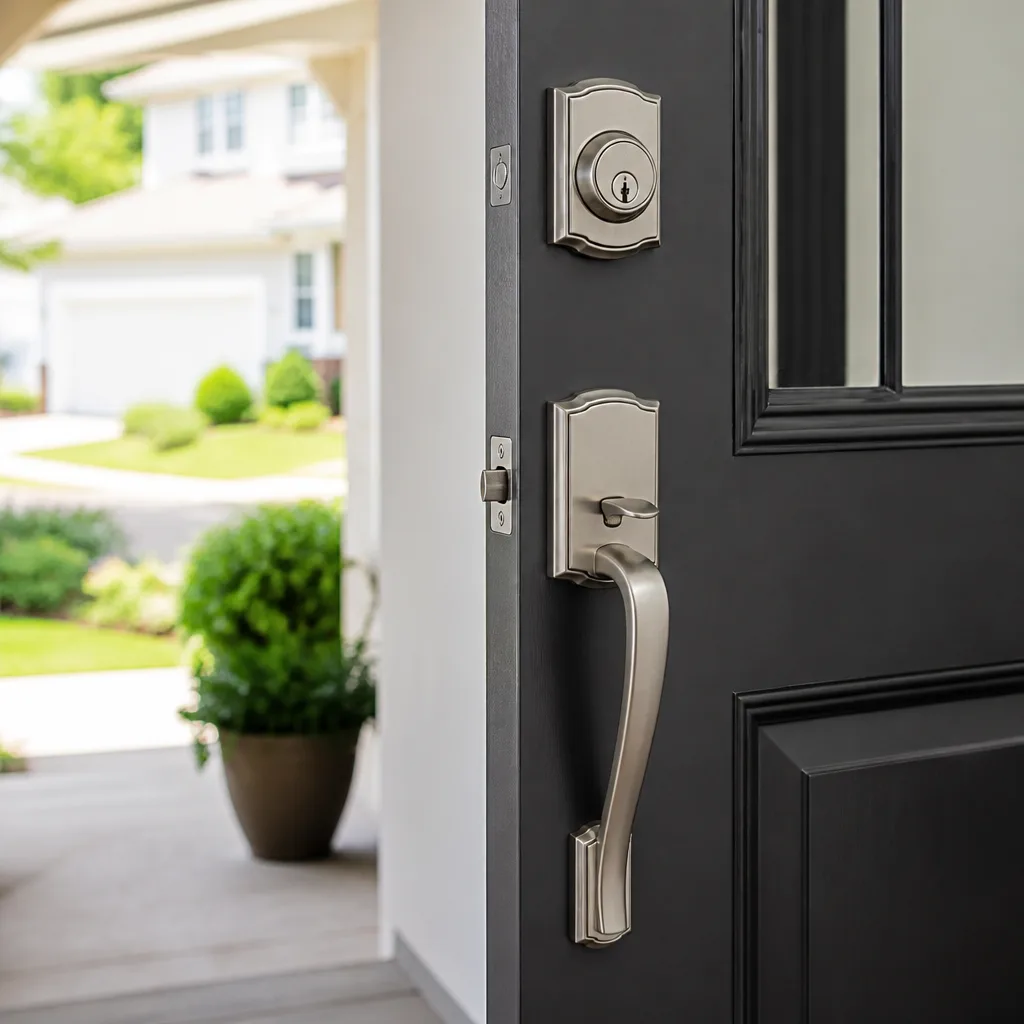
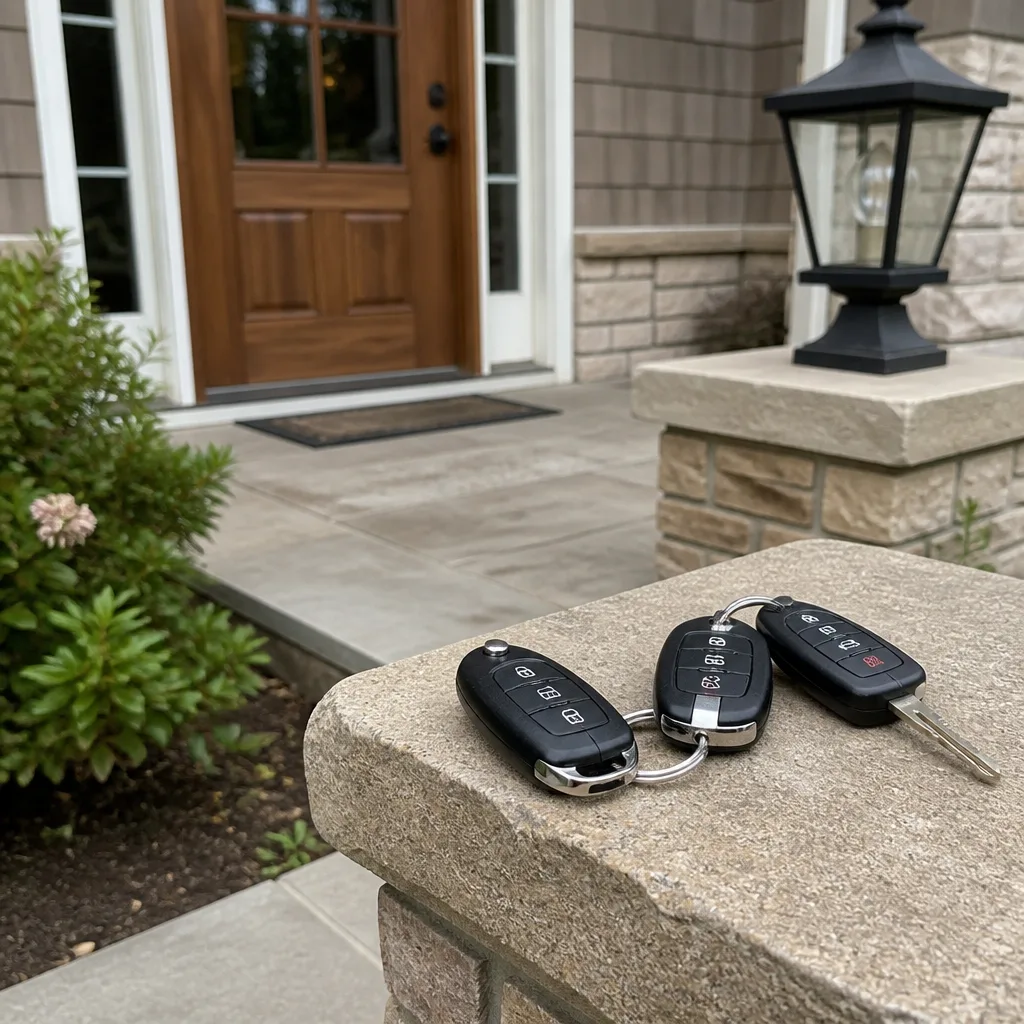
Locksmith Emergency Preparedness Guide for Los Angeles Homes
During the 2025 Palisades fire evacuation, some Los Angeles homeowners returned to find their locks warped by heat, jammed with debris, or so damaged they couldn’t re-enter their own homes. What made a bad week worse: many had no secondary entry plan, no spare key in an accessible location, and no record of their lock hardware for insurance purposes. This guide gives you a documented, practical access plan for your Los Angeles home, so the next emergency doesn’t catch you without a way in. For more warning signs to watch for, see our homeowner’s reference. We’ll cover how to build a written access plan, why high-security key control matters, what to do in the first 24 hours after a break-in or evacuation return, and the one document every LA homeowner should have in their emergency binder.
Quick Answer
Emergency locksmith preparedness in Los Angeles means having a written home access plan, a lock inventory with brands and key codes, controlled spare keys, and a trusted locksmith’s number saved before you need it. The core of preparedness is deciding now who has access to your home, how spare keys are secured, and what your re-entry protocol is after a fire, earthquake, or evacuation. A complete plan takes about two hours to build and can save you days of stress after an emergency. Our residential locksmith maintenance schedule shows you what to do and when.
Table of Contents
- How to Build a Written Home Access Plan for Your Los Angeles Home
- Why Key Control Matters in an Emergency: Medeco and Mul-T-Lock
- Los Angeles Disaster Types and Your Locks: What Actually Happens
- The First 24 Hours After a Break-In, Lost Key, or Evacuation Return
- Smart Locks, Access Control, and the 72-Hour Power Outage Problem
- The Lock Inventory Document Every LA Homeowner Needs
- Spare Key Strategy: Where to Hide Them and Where Not To
- Common Mistakes to Avoid
- When to Call a Professional
- Frequently Asked Questions
- The Bottom Line
How to Build a Written Home Access Plan for Your Los Angeles Home
A written access plan is a one-page document that answers three questions: who has a key to your home, where spare keys are secured, and what the re-entry protocol is after an emergency. The document itself matters, because memory fails under stress. After a wildfire evacuation or a 3 a.m. break-in, you will not remember whether the neighbor has the side-garage key or whether it’s in the lockbox.
Here’s how to build it:
- List every exterior door. Walk your home in Los Angeles and write down every entry point: front door, side-garage door, back door, balcony door, and any basement or crawlspace access. Count them. Most homes have between three and six exterior access points, and most homeowners only think about two.
- Note the lock brand and model at each door. You’ll find the brand name stamped on the face of the lock or the edge of the door. Schlage, Kwikset, and Baldwin are common in Los Angeles homes. Write down what you find, even if you’re not sure of the exact model.
- Record who currently has a key. Neighbors, family members, house cleaners, dog walkers, contractors. Be honest with yourself. If you’ve given out six keys over the years and can’t remember to whom, that’s a reason to rekey.
- Decide where spares will live. A lockbox bolted to a fixed structure is the standard recommendation. A key under the doormat is not a plan, and we’ll explain why in the spare key section below.
- Write the re-entry protocol. This is the sequence: who to call first if you can’t get in, where the spare is, what the backup is if the spare is compromised, and which locksmith to call for emergency entry. Put the phone number on the document.
- Store the document in two places. A paper copy in your emergency binder, and a digital copy in your phone’s notes app or a secure cloud folder. During an evacuation, you might grab your phone but not the binder.
In our experience working across Los Angeles, homeowners who build this plan in calm weather make better decisions than homeowners trying to figure out access while standing on a porch in the dark. The plan itself is the point: it converts a stressful, reactive moment into a sequence of steps you already decided on.
Why Key Control Matters in an Emergency: Medeco and Mul-T-Lock
Key control is the difference between knowing who has a key to your home and hoping for the best. Standard hardware-store keys can be duplicated by anyone with a self-service kiosk. High-security key control systems, like Medeco and Mul-T-Lock, use restricted keyways and patented key blanks that cannot be duplicated without a signed authorization card.
This matters for emergency preparedness in Los Angeles because emergencies in this city often come in cascades. A wildfire evacuation is followed by weeks of contractors, insurance adjusters, and cleanup crews needing access to your property. A break-in is followed by a locksmith visit, a police report, and often a property manager or landlord involvement. Each of those moments involves handing a key to someone.
With a key-control system, you know exactly how many keys exist, who has each one, and where the next one can be obtained. If a key goes missing after a chaotic evacuation, you can account for it instead of wondering. With a standard Schlage key, any key you ever gave out could have been copied. With a Mul-T-Lock or Medeco system, the answer is on the authorization card: you approved three keys three years ago, and the locksmith has a record of every cut.
There’s also a practical layer. During the 2025 fire season, some Los Angeles homeowners needed to rekey quickly after their keys were lost in evacuation. With a key-control system, rekeying is a controlled process: we issue a new authorization, cut new keys, and document the change. With generic hardware, rekeying restores access but doesn’t restore the control of knowing who can copy a key.
We install and service Medeco, Mul-T-Lock, and Sargent high-security cylinders across Los Angeles homes. The conversation usually starts with a simple question: “Who should be able to duplicate a key to your front door?” The answer, for most families, is no one without your written permission.
Los Angeles Disaster Types and Your Locks: What Actually Happens
Los Angeles doesn’t have one type of emergency. It has three, and each affects locks differently. Understanding the failure modes helps you prepare for the specific one that might hit your neighborhood.
Wildfire and smoke damage. Heat from a nearby fire can warp the metal components of a lock without the door itself catching fire. What we see after evacuations in areas like Pacific Palisades and the foothills is often a door that looks fine but won’t turn, because the internal pins or springs have been heat-stressed. Smoke and ash also work their way into the cylinder, gumming up the mechanism. After a fire evacuation, the smart move is to have every exterior lock inspected and lubricated with a dry graphite or PTFE product before relying on it for security.
Earthquake damage. In a significant quake, door frames shift, and a lock bolt that once aligned perfectly with the strike plate can bind. Doors that never stuck before suddenly feel stuck. This is a frame alignment issue more than a lock failure, and it’s one of the most common service calls we get after a quake. The lock still works; the geometry changed. The fix usually involves re-hanging the door or adjusting the strike plate, but in severe cases the lock cylinder itself can be damaged by the forced misalignment.
Civil emergency and evacuation. During an evacuation, you might leave with half your family’s keys on the kitchen counter. Or a neighbor or relative might need to access your home for a pet before you can get back. Your access plan is what bridges this gap: a documented protocol for who can enter and how, even when you’re 80 miles away with no immediate way to return.
Los Angeles-specific preparation means writing the plan for all three, not just the one 2 a.m. lockout scenario that gets the most attention in locksmith marketing.
The First 24 Hours After a Break-In, Lost Key, or Evacuation Return
The decisions you make in the first 24 hours after a security event determine how protected your home is for the next several years. Here’s the sequence we recommend in Los Angeles.
After a break-in:
- Don’t touch anything. Locks, doors, and frames can carry evidence. Call the police first and file a report. In Los Angeles, an online report is possible for non-violent property crimes, but if the burglary is recent and you suspect the intruder may still be inside, call 911.
- Document the damage. Take photos of every point of entry, every damaged lock, and the surrounding door frame. Insurance claims go faster when there’s visual evidence.
- Call your locksmith before your insurance adjuster. The locksmith can identify the point of entry and secure the home properly. In our experience, a home that’s re-secured the same day is far less likely to be targeted again. The insurance adjuster can wait.
- Decide between repair and upgrade. If the lock was forced, replacing it with the same model may be the cheapest option, but it’s not always the smartest. A forced entry often exposes that the strike plate was original builder hardware, short screws, and a lock that gave way too easily. This is the moment to consider a reinforced strike plate and a better cylinder.
- Rekey, don’t just replace. If the intruder got in without forcing the door, a key may be in the wrong hands. Rekey all exterior locks, not just the one that failed.
After losing your keys:
- Determine what else was with the keys. If your keys were on a ring with your driver’s license or a piece of mail, the finder knows your address. That changes the urgency.
- Rekey the home. This is the only way to guarantee that a found key can’t open your door. Rekeying changes the internal pins so the old key is useless.
- Have new keys cut with the access plan in mind. If your plan said “three keys: for us, for the neighbor, for the lockbox,” cut accordingly.
After returning from an evacuation:
- Check access points before entering. Look for signs of forced entry, heat damage, or a door that’s been left ajar. If anything looks off, call the police before entering.
- Test every lock. Even if one door opens fine, another may have been heat-stressed or shifted in a quake.
- Verify your key inventory. Did all the keys come back with you? Is the lockbox still in place?
- Have the locks serviced. Ash, smoke, and fine debris will work their way into cylinders in days, not weeks. A cleaning and lubrication now prevents a stuck lock at an inconvenient time later.
Smart Locks, Access Control, and the 72-Hour Power Outage Problem
Smart locks and residential access control systems change the emergency calculus in Los Angeles. They offer remote locking, temporary codes for guests and workers, and activity logs that show who entered and when. But they also introduce a dependency that mechanical locks don’t have: batteries and power.
Every smart lock in a Los Angeles home runs on batteries, usually four to six AA batteries inside the lock body. Most locks report battery level through a phone app, and most homeowners ignore those warnings until the lock is dead. In routine life, that’s an inconvenience. In an emergency, it’s a real problem.
The bigger question is what happens during an extended power outage. Wildfire season brings public safety power shutoffs in Los Angeles County. A 72-hour outage is no longer hypothetical. Your smart lock will still run on its internal batteries, and most units will function normally for weeks or months on a fresh set. But the connected features, like remote unlocking through an app, depend on both your home’s Wi-Fi and the lock’s Bluetooth or Z-Wave module. If your Wi-Fi router is down, the remote features are down with it.
Here’s what to check in your home before you rely on a smart lock in an emergency:
- Battery replacement schedule. Put it on a calendar. Every six months is a reasonable interval for most locks. Lithium batteries last longer and perform better in temperature swings than alkaline.
- The manual key override. Nearly every smart lock on the market has a physical keyway. Know where that key is. After a 72-hour outage, the electronics may be fine, but the battery could be depleted. That key is your fallback.
- Which lock is the connected one. Many homeowners have a smart lock on the front door and mechanical locks on side doors. If your smart lock fails, your written access plan needs a secondary entry that doesn’t depend on electronics.
- Access control systems for multi-unit properties. If you own an apartment building or condo complex in Los Angeles, a commercial access control system is a different conversation. These systems run on hardwired power with battery backup and usually include an override protocol for fire and evacuation. Our Access Control Systems in Los Angeles work regularly involves auditing battery backups and testing fail-safe versus fail-secure behavior in an emergency.
The takeaway: smart locks are a tool, not a plan. They belong inside a broader preparedness document, not instead of it.
The Lock Inventory Document Every LA Homeowner Needs
If you take one action from this guide, make it this: build a lock inventory document. It’s a single page that lists every exterior lock on your property, with the brand, model, key code, and installation date for each one. This document serves three purposes.
First, it’s the foundation of your insurance claim. After a fire or break-in, an adjuster will ask what you had and what it’s worth. If you can say “every exterior door has a Baldwin deadbolt with a reinforced strike plate, installed in 2022,” the claim moves faster and the payout is more accurate.
Second, it’s a maintenance record. Locks wear. A cylinder that’s 10 years old and has never been serviced is more likely to fail than one that gets a graphite lubrication every two years. When you know installation dates, you know when service is due.
Third, it’s a key control record. Many lock manufacturers print a key code on the original packaging or on a card included in the box. That code is how a locksmith cuts a replacement key without disassembling the lock. If you have it, you’re ahead. If you don’t, the locksmith can still cut a key from the cylinder, but it’s more work and more cost.
Here’s what each entry should include:
- Door location: Front, side garage, back, balcony, basement.
- Brand: Schlage, Kwikset, Yale, Baldwin, Medeco, Mul-T-Lock, Sargent, or Abloy.
- Model or series: Usually printed on the face or edge of the lock.
- Key code: From the original packaging or card, if you have it.
- Installation date: Month and year.
- Last service date: Lubrication, rekey, or adjustment.
Put this document in your emergency binder, and keep a photo of it on your phone. When you call a locksmith in Los Angeles after an emergency, being able to tell them what you have saves the first 20 minutes of the conversation.
Spare Key Strategy: Where to Hide Them and Where Not To
Los Angeles homes have the same spare key habits as anywhere else: under the doormat, under a fake rock, on top of the door frame, or in a magnetic box under the car. Burglars know all of these locations. They check them first.
The spare key strategy that actually works in an emergency is a lockbox, either a mechanical combination box or an electronic one, bolted to a fixed part of the property. The advantages are twofold. First, a bolt-down lockbox can’t be walked away with. Second, the combination can be changed after you give it out, which means you can give a contractor a code for one afternoon and then change it that evening.
Here’s what doesn’t work as a spare key strategy in Los Angeles, based on what we see in the field:
- Keys under doormats or in fake rocks. These are the first place anyone looks. They also fail in heavy rain or wind, when the doormat blows away or the rock gets knocked over.
- Keys with neighbors who live “close enough.” If the neighbor is on vacation or asleep when you need the key, the plan fails. A neighbor can be part of your written access plan, but the key should be in a lockbox they can access, not in their kitchen drawer.
- One key that everyone knows about. If five people know where the spare key is, it’s not a spare key. It’s a vulnerability.
- Keys in your car. If your car is at the train station or the dealership for service, your house key is somewhere you can’t reach it.
A better model is this: one lockbox at the front of the property, one at the back, and two people who know the combination. The combination changes whenever someone other than those two people uses it. Write the lockbox locations into your home access plan.
Common Mistakes to Avoid
- Not having a written access plan because “I’ll just call someone.” In an evacuation, phone lines get congested. In a power outage, your smartphone’s address book is fine but your Wi-Fi is not. A written plan on paper doesn’t depend on any of that.
- Giving too many people an uncontrolled key. Every key you hand out that can be duplicated at a hardware store kiosk is a key you no longer control. High-security key control (Medeco, Mul-T-Lock) exists precisely to prevent this.
- Ignoring lock maintenance until a lock fails. Los Angeles weather is mild, but the dust and smoke from fire season are not. Cylinders should be cleaned and lubricated every one to two years. A stuck lock during an emergency is usually a maintenance issue that could have been caught.
- Buying a smart lock and never learning the manual key override. The manual keyway is the emergency fallback. If you don’t know where that key is, the smart lock is a single point of failure.
- Relying on a spare key that everyone knows about. A key under the mat that your sister, your cleaner, and your dog walker all know about is not a spare key. It’s an open invitation that happens to require a key.
- Not updating the access plan after a life change. Divorce, a new house cleaner, a neighbor who moved away. If your written plan from 2020 says the old neighbor has a key, and that neighbor now lives in Burbank, the plan is wrong.
- Waiting until after an emergency to call a locksmith. A locksmith who knows your locks, your key codes, and your access plan can move much faster than one who’s meeting your home for the first time at 2 a.m. Build the relationship before you need it.
When to Call a Professional
Call a professional locksmith in Los Angeles when any of these is true: a lock has failed and you can’t enter or exit; your keys are lost and you suspect they could be used by someone who knows your address; you’ve had a break-in and need the home re-secured; you want to move from standard keys to a key-control system; or your smart lock has failed and you need a mechanical fallback installed. In any of these situations, the problem compounds the longer it sits. A break-in that isn’t secured is an invitation. A lost key that isn’t rekeyed is a standing risk.
Blackthorn Locksmith & Security offers free estimates in Los Angeles, with a written price provided before any work begins. Call (818) 390-9007 to talk through your home’s access plan and get a specific recommendation for your locks. For more guides & resources, visit our blog.
Frequently Asked Questions
Residential locksmith service in Los Angeles generally falls between $85 and $350, depending on the specific work. A standard service call and rekey of two to three locks typically runs $120 to $250. A lock replacement with standard Schlage hardware usually costs $180 to $400 per door. High-security cylinder installation from Medeco or Mul-T-Lock is a larger investment, typically $250 to $500 per cylinder. Emergency lockout service outside business hours runs toward the higher end of the range. Call (818) 390-9007 for an exact quote, the price we give you on the phone is the price on the invoice, with no surprise call-out surcharge on arrival.
Look for a locksmith who answers the phone with a live person, gives you a written price before any work starts, and arrives in a marked vehicle with a uniformed, background-checked technician. Los Angeles has more unlicensed operators than most people realize, and they often advertise low teaser prices that turn into much larger bills once they’re at the door. The reliable signal is a company that can name the hardware they work with, from Schlage and Kwikset through Medeco and Abloy, and that puts its policies in writing.
At Blackthorn Locksmith & Security, yes. The written price we provide before any work starts is the price on the invoice. We don’t add a call-out surcharge when the technician arrives, and we don’t change the number after seeing the lock. That’s part of the Cedarwell Care Promise, and it’s in writing on every job. If you’re comparing locksmiths in Los Angeles, ask them directly whether the phone quote is binding. The answer tells you a lot about how the company operates.
Yes, in most cases. Los Angeles lockouts and broken locks are handled as emergency calls, and we aim to have a technician on site within the hour, depending on your neighborhood and time of day. Rekeys and lock replacements are usually completed within a single visit. High-security cylinder installation from Medeco or Mul-T-Lock may require a second visit if specialized keying is involved. Call (818) 390-9007 and tell us what’s happening, and we’ll give you a realistic arrival window before you hang up.
In California, locksmiths are required to be licensed by the Bureau of Security and Investigative Services. See our guide to Locksmith Permits, Codes & Inspections in CA: What You Need to Know for details. Ask for the license number, and verify it on the BSIS website. A company that hesitates is a red flag. Beyond licensing, look for two things: a written price before work starts and a technician who arrives in uniform and checks in with ID. At Blackthorn Locksmith & Security, every technician is background-checked, and we carry the full brand range from Schlage through Abloy, which is also a signal that we’re a serious shop and not a dispatch service.
Rekey your Los Angeles home any time a key goes missing, a key holder leaves the household or the arrangement, or you move into a new home. Most people should rekey every three to five years in the normal course of things, simply because keys accumulate and you lose track of who has one. If you’ve had a break-in, rekey immediately.
For more on how rekeying fits into a broader home security picture, see Residential Locksmith in Los Angeles. If you run a business, the same logic applies at larger scale, see Commercial Locksmith in Los Angeles.
The Bottom Line
Emergency locksmith preparedness in Los Angeles is a written plan, not a phone number. The plan documents who has a key, where spares are secured, what the re-entry protocol is after each type of emergency, and what hardware is installed at every door. High-security key control systems like Medeco and Mul-T-Lock protect your plan from key duplication, and a regular maintenance schedule protects your locks from the dust, smoke, and frame shift that Los Angeles throws at them. Build the plan on a calm Saturday, test your spares, check your smart lock batteries, and keep the lock inventory in your emergency binder. When the emergency comes, you’ll be executing decisions you already made carefully, instead of making them under pressure. For a free estimate on rekeying, key control upgrades, or a full access plan review, Blackthorn Locksmith & Security home services all of Los Angeles, call us at (818) 390-9007.
Written by Shane Delaney, Owner at Blackthorn Locksmith & Security, serving Los Angeles since 2008.