
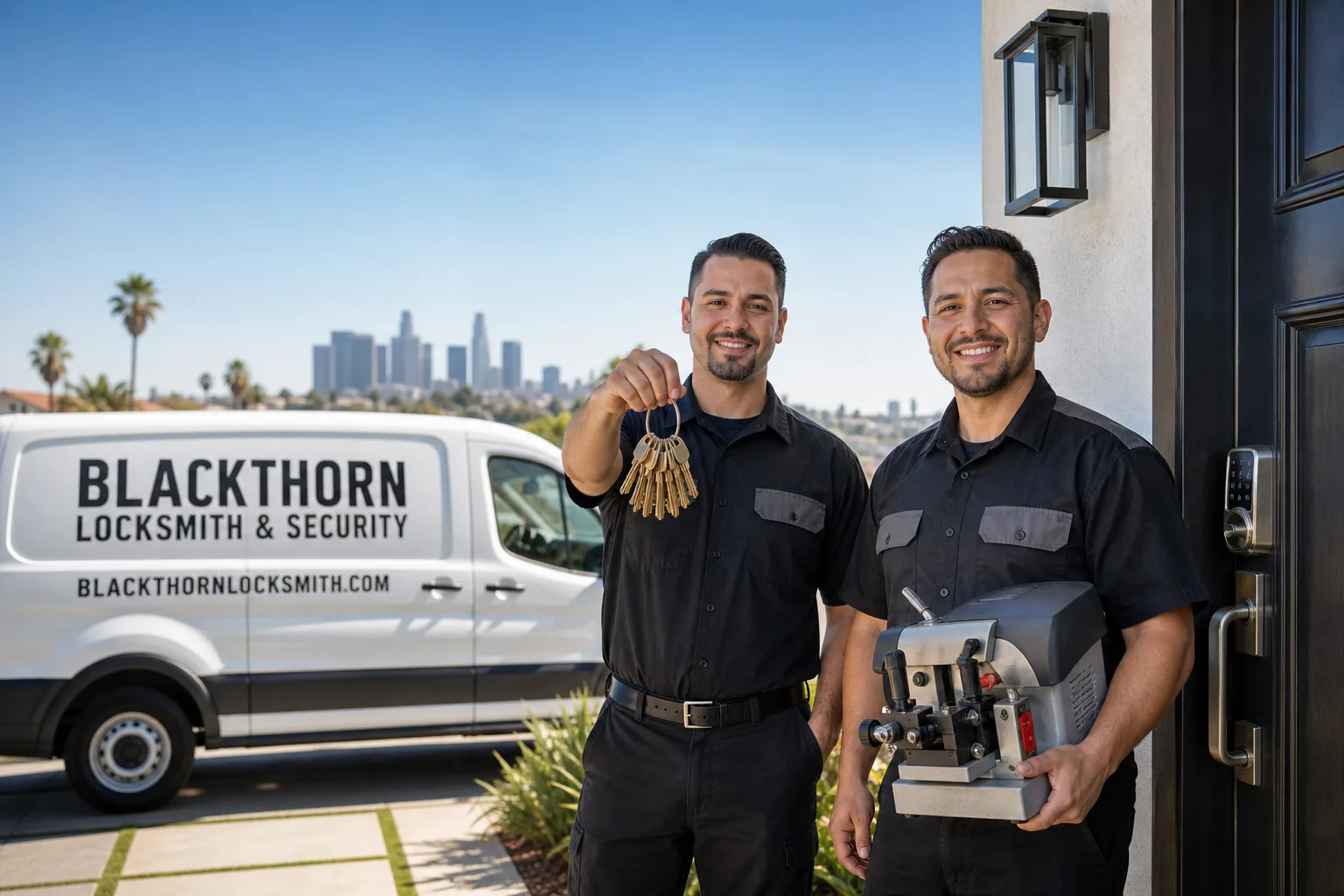
Non-destructive entry first, always - and we re-key Schlage, Kwikset, and Baldwin locks on the spot while you watch
You get a price before we start. It does not change when we arrive. No surprises.
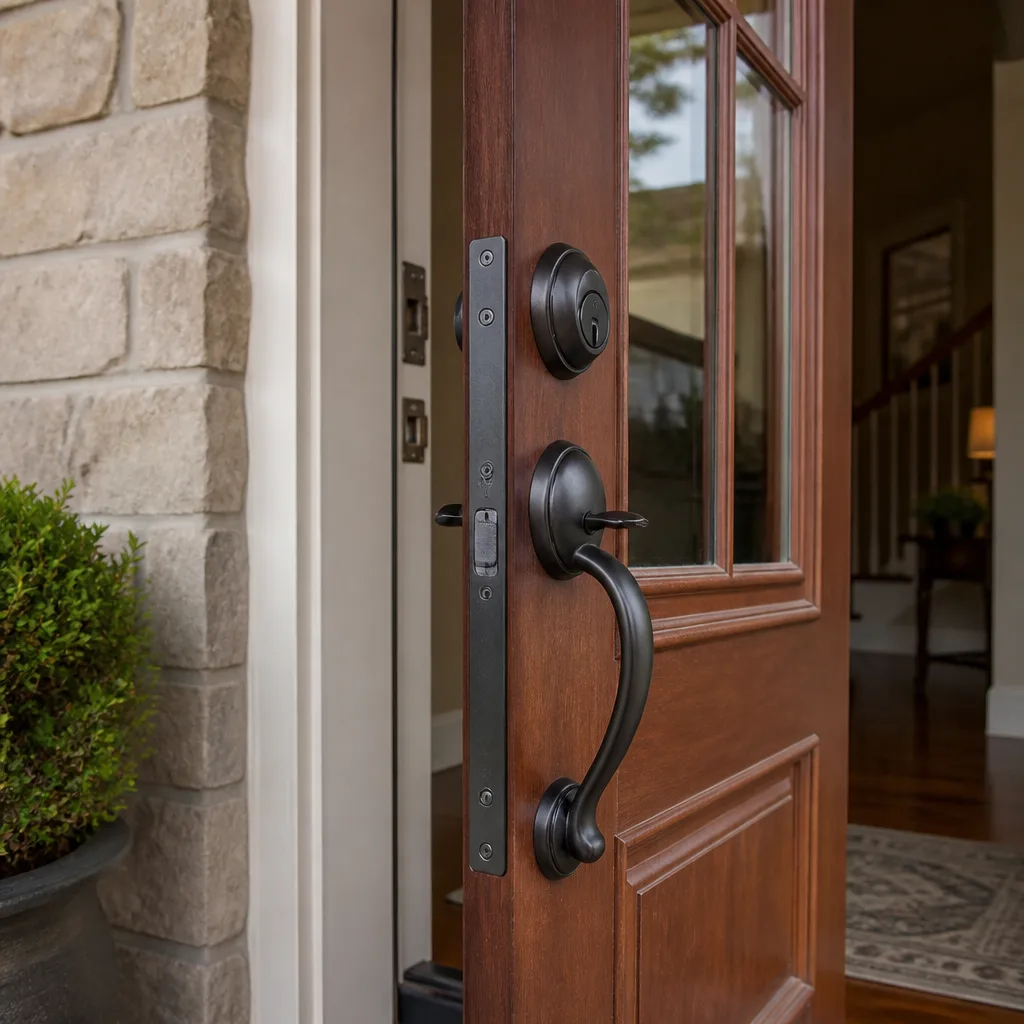
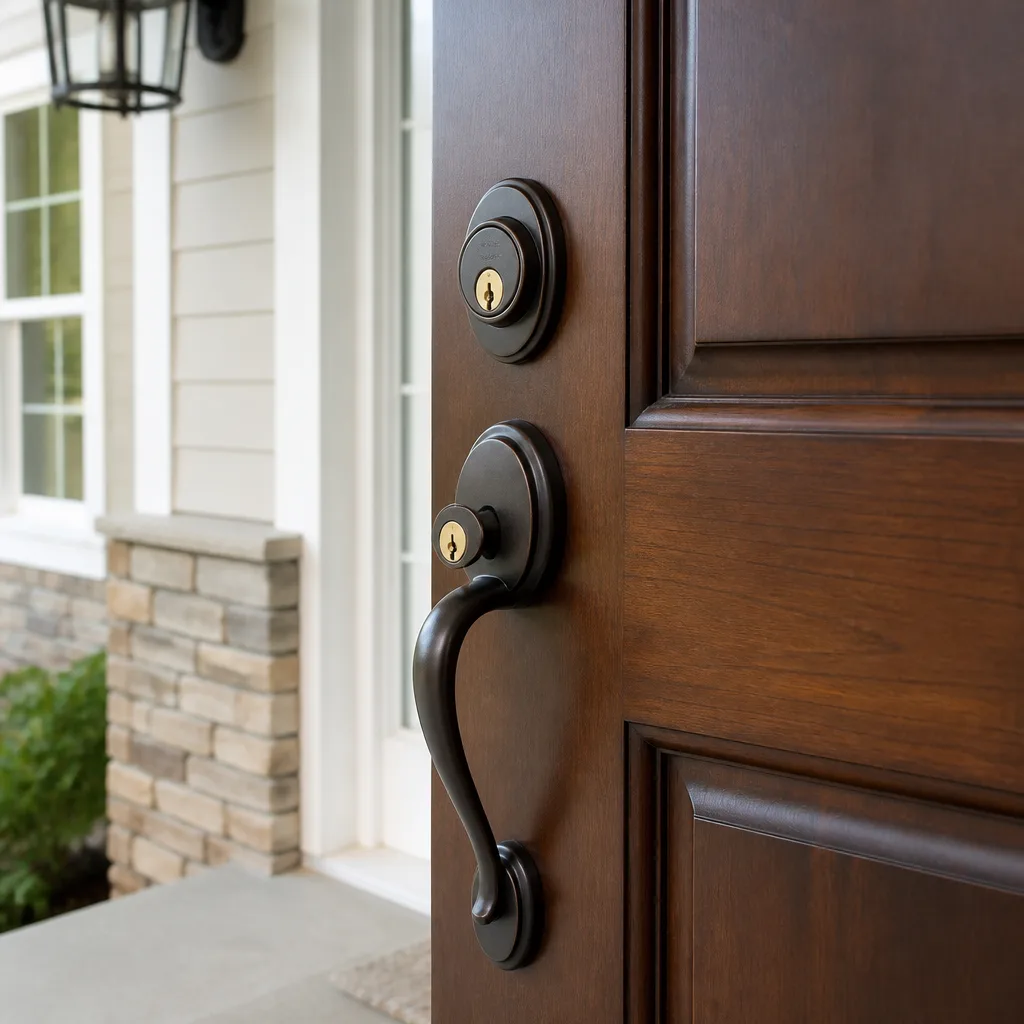
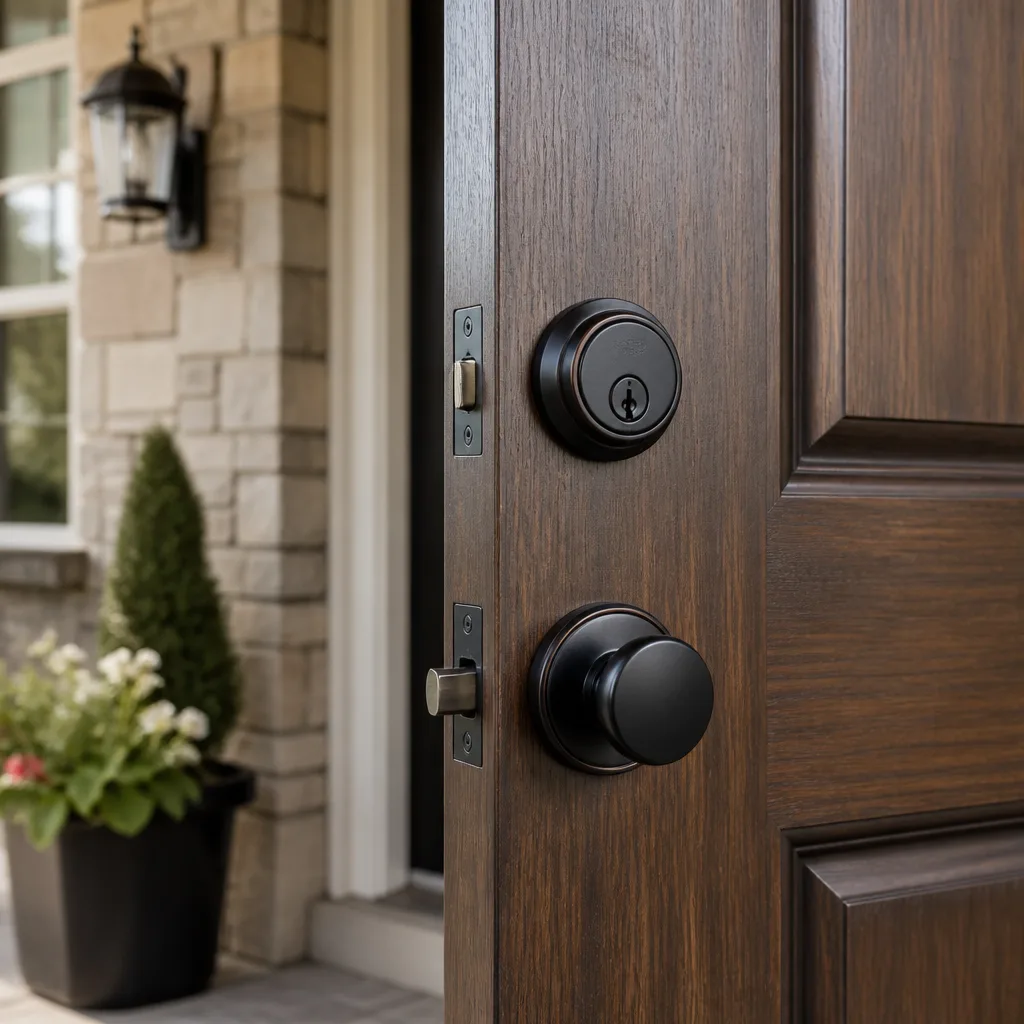
Locked Out of the House
Being locked out of your house almost always means one of three things: the key won’t turn, the key won’t go in, or the key is on the other side of the door. In most cases, a locksmith can get you back inside in a single visit without damaging the lock or the door frame.
The situation feels urgent because it is – you’re outside, your routine is broken, and if kids or pets are on the other side, “uncomfortable” becomes “serious” pretty fast. The good news is that lockouts are one of the most straightforward calls a locksmith handles. Understanding what caused it helps you communicate the problem clearly when you call, which gets you the right tech and the right tools the first time.
Why It Happens
The key wore out before the lock did
Keys get cut once and then copied, sometimes several times over the years. Each copy loses a little sharpness. If the key that won’t turn is a third- or fourth-generation copy – or if it’s been on a ring with heavy fobs and dropped more than once – the cuts may have shifted just enough that the pins inside the cylinder won’t align. You’ll notice this as a key that feels mushy going in, or one that inserts fully but won’t rotate at all. A fresh cut from the original or a locksmith’s code-cut copy usually resolves it immediately.
The lock cylinder itself has failed
Lock cylinders have springs inside that push the pins into position. Those springs fatigue over time, especially in exterior locks that cycle through temperature swings. When one snaps, a pin sits wrong permanently and the key can’t move past it. The tell is a key that used to work and now binds firmly at the same spot every single time, regardless of how much pressure you apply. This isn’t a lubrication problem – it’s mechanical failure, and the cylinder needs to be replaced.
The deadbolt or latch bolt is misaligned
Door frames shift with the seasons. Wood expands in humidity, contracts in cold, and settles over years of use. If your door has been sticking at the handle or requiring a shoulder to close lately, the bolt may now be hitting the strike plate frame rather than seating cleanly in the strike hole. You’ll often hear a scraping sound when you try to turn the key, and the door may feel like it’s under pressure even before you touch the lock. This is a hardware alignment issue, not a cylinder issue, and the fix is different.
Someone changed the locks, or the locks were rekeyed
This one sounds obvious, but it catches people more than you’d expect – especially after a home sale, a property management change, or a roommate situation. If your key slides in smoothly but turns freely without catching anything, or simply won’t enter at all, verify that no one with access to the property made a change you weren’t told about. A locksmith can confirm in seconds whether the cylinder was rekeyed and cut you a working key, or install a new cylinder if rekeying isn’t appropriate for the situation.
What to Do Right Now
- Stop forcing the key. Rotating a worn or misfitting key with extra torque is the fastest way to snap it inside the cylinder. A broken key in the lock turns a straightforward lockout into a more involved extraction job. If the key isn’t turning with normal hand pressure, stop and call.
- Check every entry point calmly. Back door, side door, garage entry door, attached mudroom. One of them may be unlocked. This is worth two minutes before making a call.
- Photograph the lock and door frame before anyone arrives. A clear photo of the keyway, the strike plate area, and the gap around the door helps a technician arrive with the right tools and, if needed, the right replacement hardware.
- Keep kids and pets calm and nearby. If a child or pet is locked inside, communicate that clearly when you call – it changes dispatch priority. Don’t attempt to break a window or force a door unless there is an immediate safety emergency, because the structural damage can be significant and injuries from broken glass are common.
- Do not attempt to pick or bypass the lock yourself with improvised tools. Modern residential locks, especially deadbolts with security pins, are engineered to resist exactly this kind of pressure. You’re more likely to damage the cylinder than open the door, and cylinder damage can make a professional entry harder.
How We Fix It
When your local Blackthorn Locksmith & Security technician arrives, the first thing they do is look – not touch. They’ll examine the lock, test the key if you have it, and check the door frame alignment before picking up a single tool. From that inspection, they’ll tell you exactly what’s causing the problem and what it will take to fix it. That explanation comes with a written price, delivered before any work begins. Not a ballpark. The actual price for the actual job.
For a standard lockout caused by a worn key or failed cylinder, a technician can typically perform a non-destructive entry using professional pick tools or a bypass appropriate to that lock type, then rekey or replace the cylinder on the spot. If the problem is a misaligned bolt or strike plate, they’ll address that at the same visit so the door works properly when they leave. The applicable service is Residential Locksmith. Every completed job is covered by our 365-Day Done Right Promise – if it’s not done right, we make it right.
Frequently Asked Questions
Yes. A live person answers every call at Blackthorn Locksmith & Security, 24 hours a day, 7 days a week, including holidays – there’s no voicemail tree and no callback queue. When you call, you’ll speak with someone immediately who can confirm availability and get your local team moving. Call (818) 390-9007 and we’ll tell you exactly how quickly we can reach you.
It depends on who and what is on which side of the door. If a child, an elderly person, or a pet is locked inside – especially in heat or cold – that is an emergency and you should call immediately. If you’re simply locked out with everything and everyone outside, it’s uncomfortable but not dangerous. That said, standing outside with no timeline isn’t something you should have to manage for long. Call (818) 390-9007 and we’ll get someone to you.
In the large majority of residential lockouts, a trained technician can enter non-destructively – meaning the lock cylinder and the door frame come through the job undamaged. Destructive entry is a last resort used only when the lock mechanism itself is jammed or the cylinder is so damaged that it can’t be picked cleanly. If that situation applies to your door, your technician will tell you before touching anything and show you the written price for whatever replacement is needed.
We don’t publish flat rates here because the actual price depends on the lock type, the condition of the cylinder, and whether any hardware needs replacement – and we won’t guess at your expense. What we can promise is this: your technician will hand you a written price before any work starts. That number is the number on the invoice. No surcharges added on arrival, no verbal estimates that shift once we’re inside. Call (818) 390-9007 and we’ll walk through what’s likely involved so there are no surprises.
Get It Fixed
Call (818) 390-9007 right now – a live person picks up, any hour, any day of the year. Your local Blackthorn Locksmith & Security team will give you a written price before any work starts and back every job with our 365-Day Done Right Promise. We’ll get you back inside.
Written by Shane Delaney, Owner & Lead Technician, Blackthorn Locksmith & Security.
What Our Customers Say
"Good rekey work and very respectful of the home. It took a day longer to schedule than I'd hoped, but once here he was careful, clean, and patient with my questions."
- Pauline Esparza"Installed a keypad on our office door. Tidy install, explained it to the staff gently and clearly, and he swept up after drilling. No mess on the carpet."
- Desmond Yoo"New deadbolts and smart locks on our rental. He was considerate of the tenant's things, quiet, and left no mess. Walked us both through the codes kindly."
- Trevor Nakamura