
Non-destructive entry first, always - and we re-key Schlage, Kwikset, and Baldwin locks on the spot while you watch
You get a price before we start. It does not change when we arrive. No surprises.
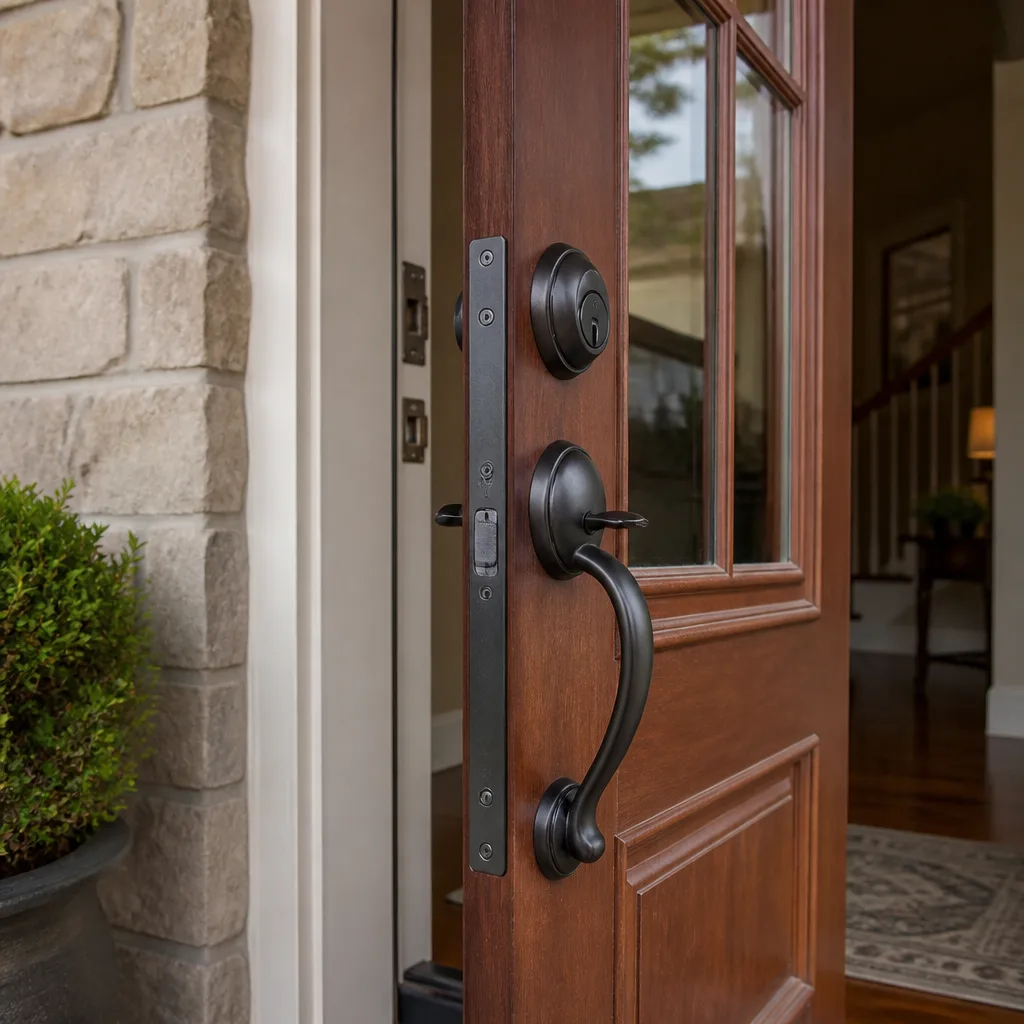
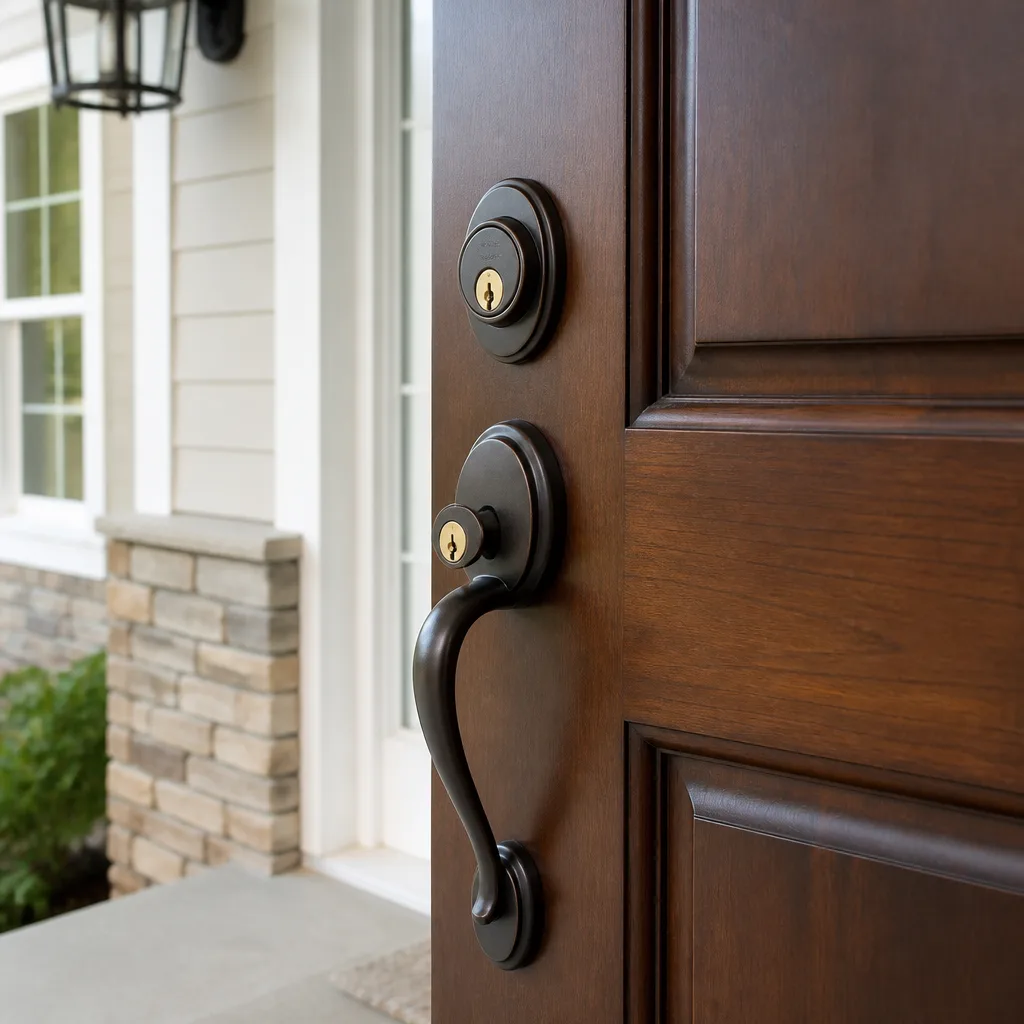
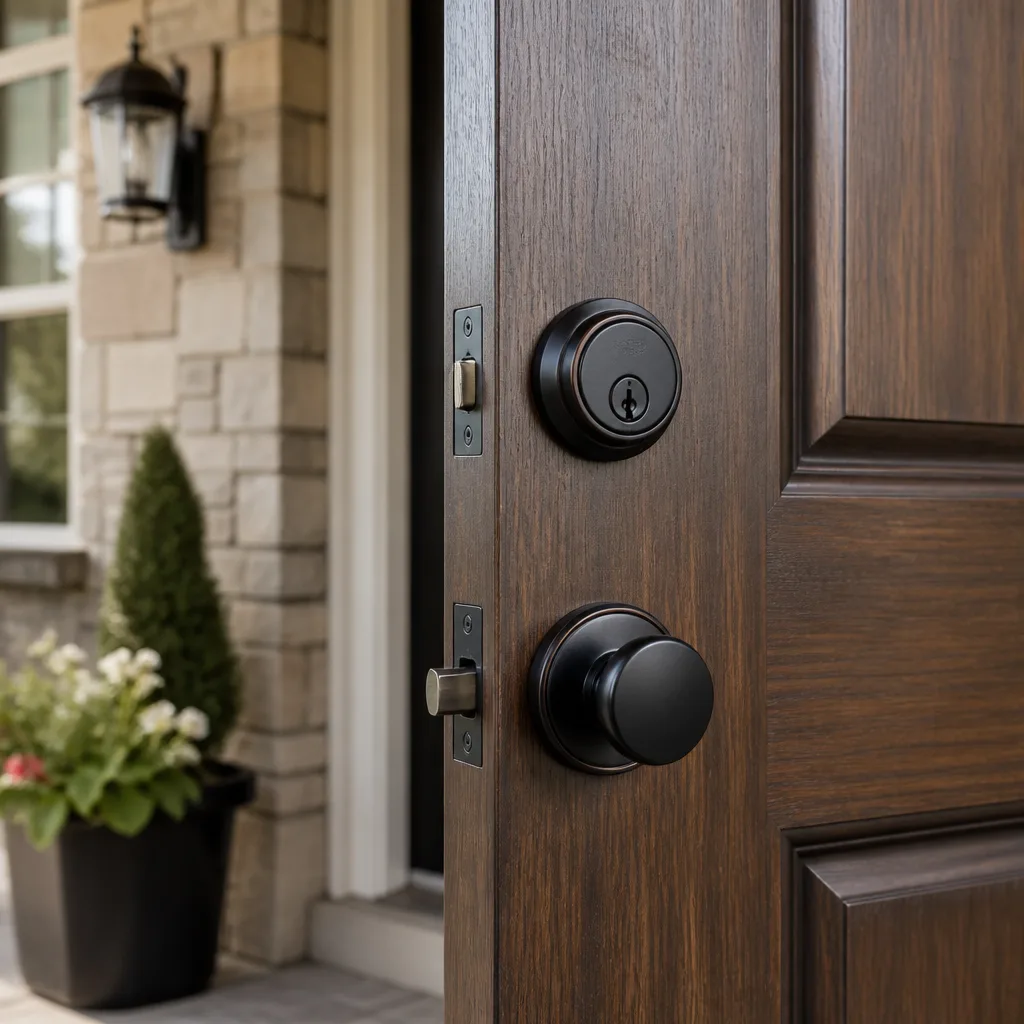
Lock Won’t Turn: What’s Happening
A lock that won’t turn almost always means one of three things: the key has worn down (or the cylinder has), the deadbolt bolt is binding against the strike plate, or the internal mechanism has seized from age, lack of lubrication, or a broken component. In most cases, the lock itself is telling you it needs attention – not that your key is wrong or that you’re doing something incorrectly.
The frustrating part is that a stuck lock rarely gives you much warning before it gives out entirely. One day it turns stiffly. A week later it stops moving. What feels like a minor annoyance is often a cylinder that’s close to failing completely – which means you could end up locked out, locked in, or holding a snapped key. Getting a technician to look at it while it still turns partway is almost always easier and less expensive than waiting until it doesn’t move at all.
Why It Happens
Worn or Damaged Key
Keys are stamped from relatively soft metal, and they wear down with use – sometimes faster than you’d expect if you carry them loose in a pocket with coins or other keys. A worn key won’t lift the lock’s pins to the right heights, so the cylinder can’t rotate. You can usually spot this yourself: compare the key in question to a spare cut from the original or look at the tip and peaks of the blade under decent light. If the edges look rounded or the tip is noticeably shorter than a fresh key, the key is likely the problem, not the lock.
Dry or Dirty Cylinder
Locks need lubrication, and most residential cylinders go years without any. Dust, grime, and old lubricant residue pack into the pin chambers over time and create friction that eventually stops the cylinder from rotating. This one usually announces itself: the key starts feeling gritty or stiff to turn before it stops working altogether. Exterior locks are especially prone to this because they’re exposed to dirt and weather year-round.
Misaligned Bolt and Strike Plate
If the deadbolt or latch bolt isn’t lining up cleanly with the strike plate hole in the door frame, it creates resistance that works backward through the lock mechanism – making the cylinder feel stuck even when the cylinder itself is fine. Doors shift with seasonal temperature changes and humidity, especially wood doors. If your lock works fine in winter but binds in summer, or if you have to lift or push the door slightly to get the key to turn, this is almost certainly what’s happening.
Broken or Seized Internal Component
Inside every lock cylinder is a set of small springs, pins, and a plug that all have to work together. Any one of them can crack, corrode, or jam – and when they do, the lock stops turning regardless of what key you use. This is more common in older hardware, locks that have taken a hard impact, or any lock where someone has forced a key that didn’t quite fit. You usually can’t see this from the outside. If the key goes in smoothly but absolutely nothing moves, a failed internal component is a strong possibility.
What to Do Right Now
- Stop forcing it. If the key is resisting, applying more force risks snapping the key in the cylinder, which turns a fixable problem into a more involved extraction job. Turn gently. If it won’t move, stop.
- Try your spare key, if you have one nearby. If the spare turns and your main key doesn’t, you’ve isolated the problem to the key and not the lock. Keep using the spare until a technician can cut you a fresh copy from the original code.
- Check whether the door is latched all the way. A door that hasn’t seated fully against the frame puts sideways pressure on the bolt, which can make the cylinder feel seized. Gently push the door flush and try the key again before assuming anything is broken.
- Don’t spray WD-40 into the keyhole. It feels like the logical move, but WD-40 is a water displacer, not a lock lubricant. It attracts grime and can make pin-and-tumbler cylinders worse over time. If you have a dry PTFE or graphite lubricant on hand, a small amount is fine. If you don’t, leave it alone until a technician arrives with the right product.
- Photograph what you’re seeing. If the lock looks physically damaged – a bent keyway, visible corrosion, a strike plate that’s clearly pulled away from the frame – take a quick photo. It helps the technician arrive prepared with the right parts and hardware options.
How We Fix It
When your local Blackthorn Locksmith & Security technician arrives, the first thing they do is look at the whole picture: the key, the cylinder, the door alignment, and the strike plate. They’re not assuming it’s the cylinder until they’ve ruled out the simpler explanations. If the problem is alignment, that’s usually a strike plate adjustment. If it’s a worn key, a fresh cut from the original code solves it. If the cylinder is dry or dirty, a proper cleaning and lubrication with the right product often restores full function.
If the cylinder has failed internally or the lock is simply past the point where servicing makes sense, the technician will walk you through replacement options – from everyday Schlage and Kwikset hardware to high-security Medeco or Abloy cylinders, depending on what the door needs. This falls under our Residential Locksmith service. Before any work begins, you get a written price – specific to this job, on this door. That’s not a range. That’s the number on your invoice. And every completed job is backed by the 365-Day Done Right Promise: if it’s not right, we make it right.
Most lock service calls of this type take under an hour once the technician is on site.
Frequently Asked Questions
It depends on which side of the door you’re on and how much function the lock has left. If you’re currently locked out, it can’t wait – call (818) 390-9007 now. If you’re inside with other working locks and you have time to schedule, you can wait a short while, but don’t put it off too long. A cylinder that’s failing tends to fail completely, and a completely failed lock on your front door is an urgent situation. Call (818) 390-9007 and your local team can help you decide how quickly to act based on what you’re describing.
A live person answers every call to (818) 390-9007, around the clock, every day including holidays – so you’re never leaving a voicemail when your lock stops working at an inconvenient hour. Your local Blackthorn team will confirm availability when you call. Call (818) 390-9007 and we’ll tell you exactly where we stand on timing for your area.
The honest answer is: it depends on what’s actually wrong, and we won’t know for certain until a technician looks at it. What we can tell you is that you’ll get a written price before any work starts – not a verbal estimate, not a range, a specific number you can say yes or no to. There is no charge added on arrival and nothing on the invoice that wasn’t agreed to up front. Call (818) 390-9007 and we can talk through what you’re seeing to help you understand what’s likely involved.
Not necessarily. A key that slides in but won’t rotate points to the cylinder pins not reaching the shear line – which could be a worn key, a seized pin spring, or packed debris inside the cylinder. In many cases, the lock itself can be serviced rather than replaced. A technician will give you an honest read on whether servicing makes sense or whether replacement is the better long-term call for that particular hardware.
Get It Fixed
Call (818) 390-9007 and a live person will pick up – any hour, any day. Your local Blackthorn Locksmith & Security team will talk through what you’re seeing, give you a written price before anything starts, and get your lock working again. Blackthorn Locksmith & Security: locks and access control, handled with care.
Written by Shane Delaney, Owner & Lead Technician at Blackthorn Locksmith & Security.
What Our Customers Say
"Rekeyed the whole house after we moved in. He was calm and careful, wore shoe covers without me asking, and cleaned up the little metal shavings from each door. Felt safe that first night."
- Harriet Boyle"Access control for a small clinic. He understood we had patients around and kept it quiet and clean. Protected the floors where he was drilling and tidied everything after."
- Ron Pak"Good rekey work and very respectful of the home. It took a day longer to schedule than I'd hoped, but once here he was careful, clean, and patient with my questions."
- Pauline Esparza