
Non-destructive entry first, always - and we re-key Schlage, Kwikset, and Baldwin locks on the spot while you watch
You get a price before we start. It does not change when we arrive. No surprises.
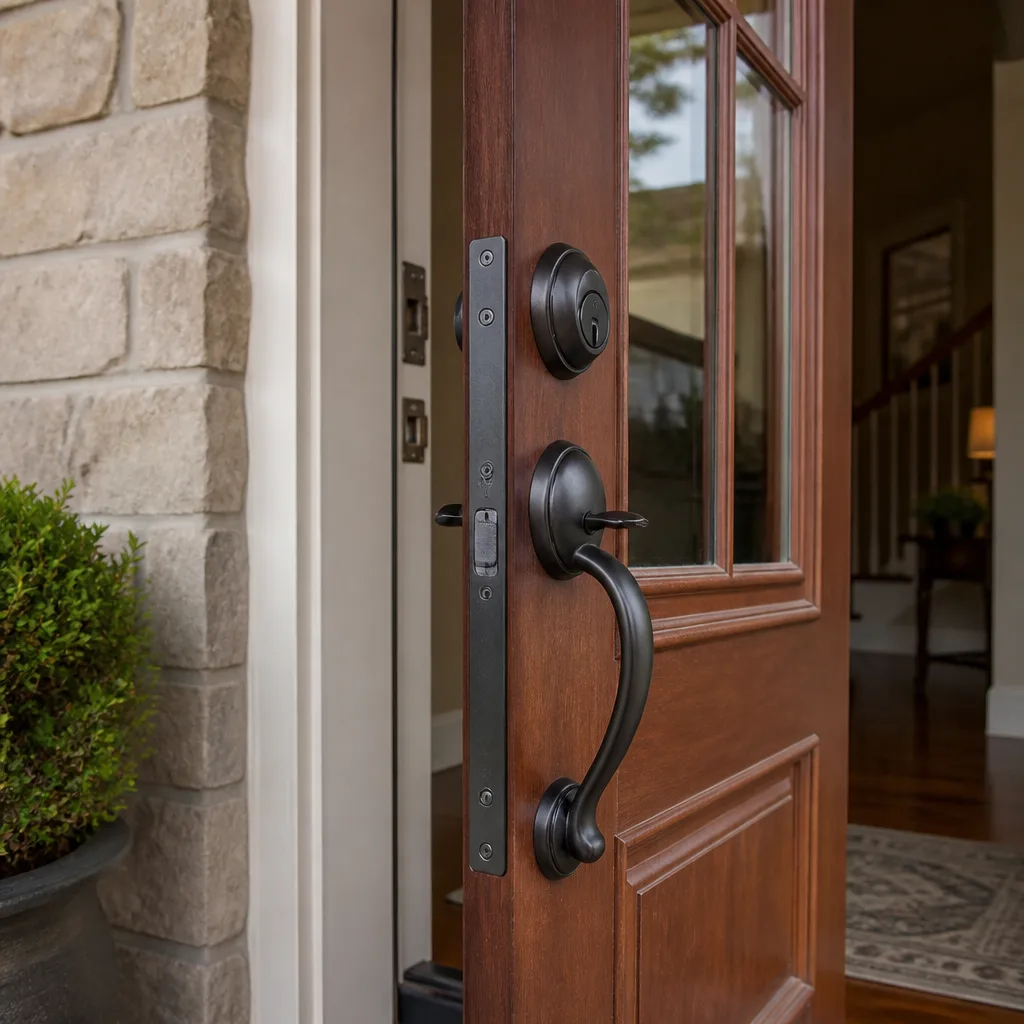
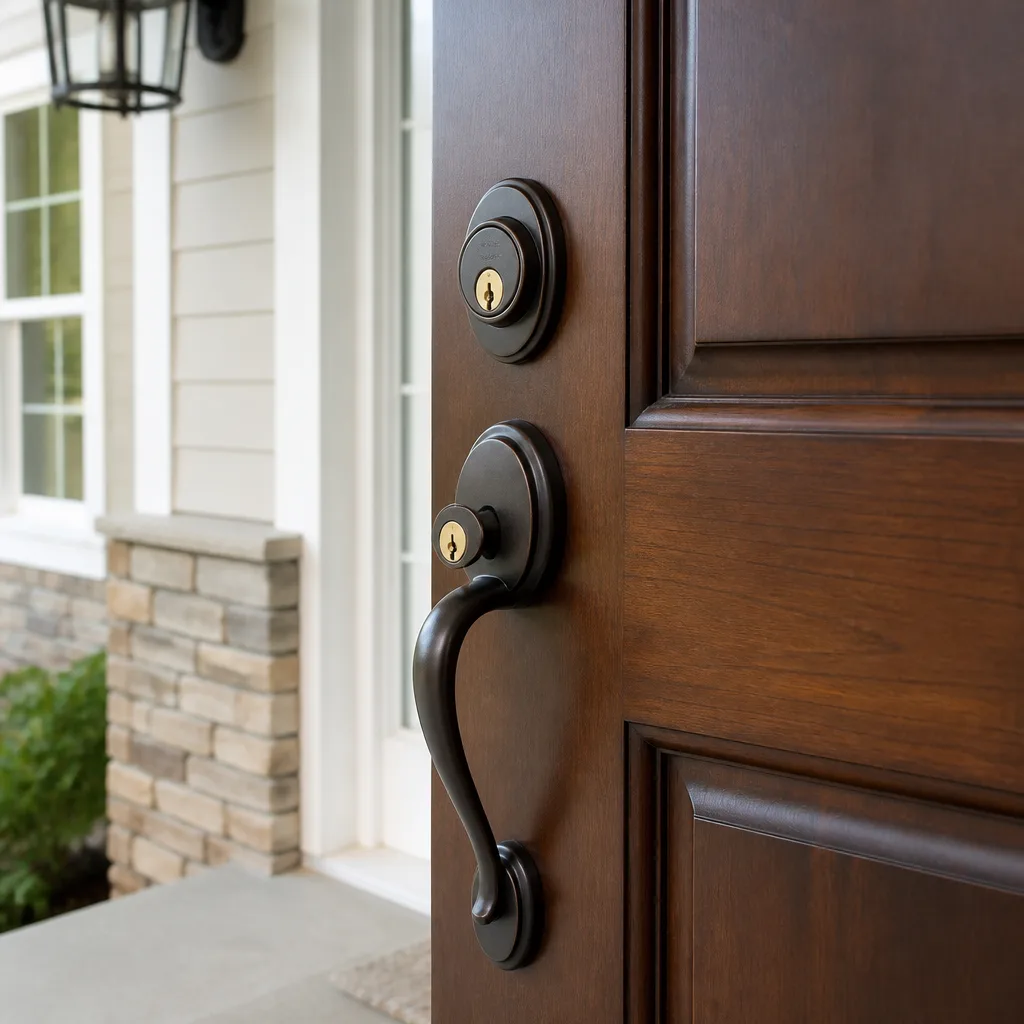
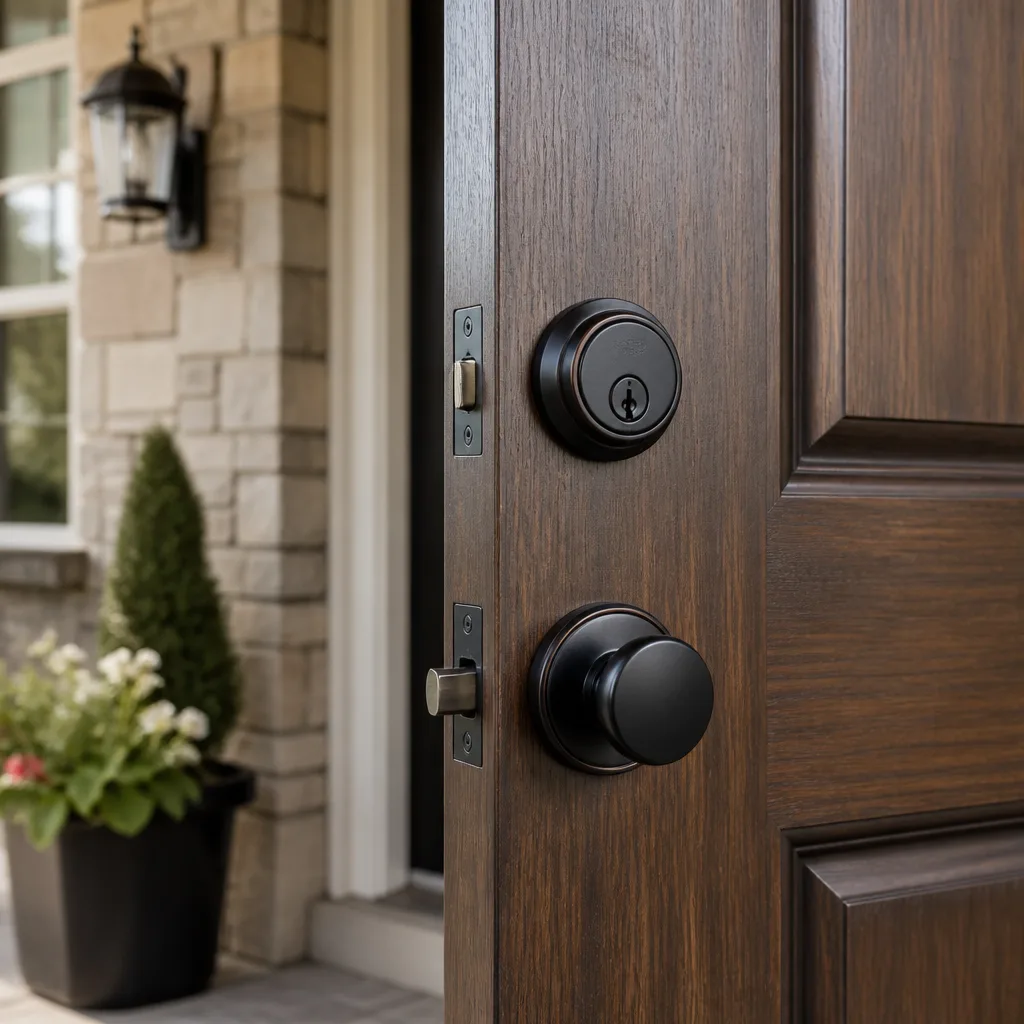
Key Turns but the Door Won’t Open
When your key turns freely but the door stays shut, the lock mechanism itself is usually not the problem. In most cases, the latch or deadbolt is failing to retract, the door has shifted out of alignment so the bolt is binding against the strike plate, or an internal component inside the lock has broken loose from the cylinder. A locksmith can diagnose the exact cause on-site, usually within the first few minutes of the visit.
The good news is that a turning key tells you the cylinder is still reading the key correctly. The problem is downstream, somewhere between the cylinder and the point where the bolt is supposed to clear the frame. That distinction matters because it narrows the repair down quickly. Here is what is most likely happening, and how you can get a clearer sense of it before anyone arrives.
Why It Happens
The Deadbolt or Latch Has Disconnected Internally
Inside a lock, a small cam or tailpiece connects the cylinder to the bolt mechanism. When that piece wears out, cracks, or simply works loose over years of use, the cylinder spins but nothing moves behind it. If you hear the key turning smoothly with almost no resistance and the bolt does not budge at all, this is the likely culprit. You may also notice the lock feels slightly different than it used to, almost too easy to turn.
The Door Has Shifted Out of Alignment
Houses settle, humidity swells wood, and hinges loosen over time. When a door drops even a small amount, the deadbolt can sit slightly off-center from the strike plate opening and bind against the metal plate rather than sliding cleanly through. If your door has been sticking or dragging at the top or bottom recently, or if you have to lift the handle to get the key to turn at all, misalignment is almost certainly part of the picture. You can sometimes see daylight unevenly around the door frame when this is happening.
The Strike Plate or Bolt Hole Is Obstructed
Occasionally, something physically blocks the bolt from extending into the frame: a buildup of paint from a recent project, a screw that has backed out into the opening, or debris in an older strike plate. If the bolt retracts fine when the door is open but catches the moment you close it, look closely at the strike plate. You may be able to see the problem with a flashlight before anyone arrives.
The Lock Mechanism Is Worn Out or Damaged
Older hardware, particularly on exterior doors that see heavy daily use, eventually reaches the end of its service life. Springs weaken, internal levers bend, and tolerances that were tight when the lock was new become sloppy. If the lock has been intermittently sticky for a while and this is the first time it has fully failed to open, wear is the most likely explanation. A lock that has been forced, picked, or otherwise tampered with can also show this symptom, and if that is a possibility, it is worth mentioning when you call.
What to Do Right Now
- Stop turning the key hard. If the cylinder is turning but the bolt is not moving, applying more force risks snapping the key in the cylinder or breaking the cam internally. Gentle, steady pressure is fine. Forcing it is not.
- Open the door if you can, and test the bolt by hand. If you are inside or if a second door is accessible, open the door and try retracting the bolt manually with your thumb or the thumbturn. Note whether it moves freely or feels stiff and gritty. This tells a technician a lot before the visit.
- Look at the strike plate with a flashlight. Check for paint in the opening, a screw backing out, or visible damage to the plate. Take a photo if you see anything unusual, it helps your Blackthorn technician prepare.
- Check the door’s fit in the frame. With the door closed, look for gaps that are larger on one side than the other, or try pressing the door gently in different directions while turning the key. If the bolt moves slightly when you shift the door, alignment is the issue.
- Do not attempt to disassemble the lock yourself. Some deadbolts, particularly high-security models from brands like Medeco or Mul-T-Lock, have internal components under tension. Removing the lock face without knowing the design can make the repair harder and the door less secure. Leave the hardware as it is and call.
How We Fix It
When your local Blackthorn Locksmith & Security technician arrives, the first thing they do is diagnose before they touch anything. They will ask you to describe what you noticed, test the lock with the door open and closed, and inspect the bolt, the strike plate, and the door alignment. That takes a few minutes, not guesswork.
Once the cause is clear, you get a written price before any work begins. Not a verbal ballpark, a written figure for exactly what needs to happen. If the internal mechanism is broken, the repair typically involves disassembling the lock, replacing the worn or failed component, and testing the door through a full cycle. If alignment is the issue, the fix may involve adjusting the strike plate, resetting a hinge, or both. Most of these repairs fall under our Residential Locksmith service, though if the door is commercial, our Commercial Locksmith team handles the same diagnostic process.
The work is covered by Blackthorn’s 365-Day Done Right Promise. If it is not done right, we make it right.
Frequently Asked Questions
A door that cannot be fully secured from the inside or outside is a security gap you should not leave open overnight. Even if you can get in and out for now, a lock that is failing partway is unpredictable, and it tends to fail completely at the least convenient moment. If your home has children or pets, the risk of a door that does not latch reliably is worth taking seriously today. Call (818) 390-9007 and your local Blackthorn team can tell you whether it needs same-day attention based on what you describe.
A live person answers every call at Blackthorn, 24 hours a day, seven days a week, including holidays. When you call (818) 390-9007, you will reach a real person who can schedule your local technician, not a voicemail or a callback queue. Availability depends on your area and the time of day, but we will give you an honest answer about timing on the call.
The written price is delivered on-site, after the technician has seen the lock and diagnosed the exact cause, not before. What we commit to on the phone is that nothing starts until you have that written figure in hand and have agreed to it. There are no verbal estimates, no surprise line items added on the invoice. The price you approve is the price you pay.
Many of these failures are repairable, and a good technician will tell you honestly when repair is the right call versus replacement. If the lock body itself is structurally intact, replacing a broken cam or adjusting the door alignment is often all that is needed. If the hardware is worn out beyond a practical repair, your technician will explain that in plain terms and walk you through your replacement options, from everyday Schlage and Kwikset hardware up to high-security Medeco or Abloy cylinders, depending on what fits your door and your situation.
Get It Fixed
Call (818) 390-9007 any time, day or night, and a live person will answer. Your local Blackthorn Locksmith & Security team will diagnose the problem, hand you a written price before any work starts, and get the door working right. Book online or call now.
Written by Shane Delaney, Owner & Lead Technician at Blackthorn Locksmith & Security, serving communities nationwide as part of the Cedarwell family of businesses.
What Our Customers Say
"New deadbolts and smart locks on our rental. He was considerate of the tenant's things, quiet, and left no mess. Walked us both through the codes kindly."
- Trevor Nakamura"Rekeyed the house and added a deadbolt the first week we moved in. He wore shoe covers, swept the shavings off the floor, and was kind and patient. Felt safe right away."
- Marisol Quint"Rekeyed the whole house after we moved in. He was calm and careful, wore shoe covers without me asking, and cleaned up the little metal shavings from each door. Felt safe that first night."
- Harriet Boyle