
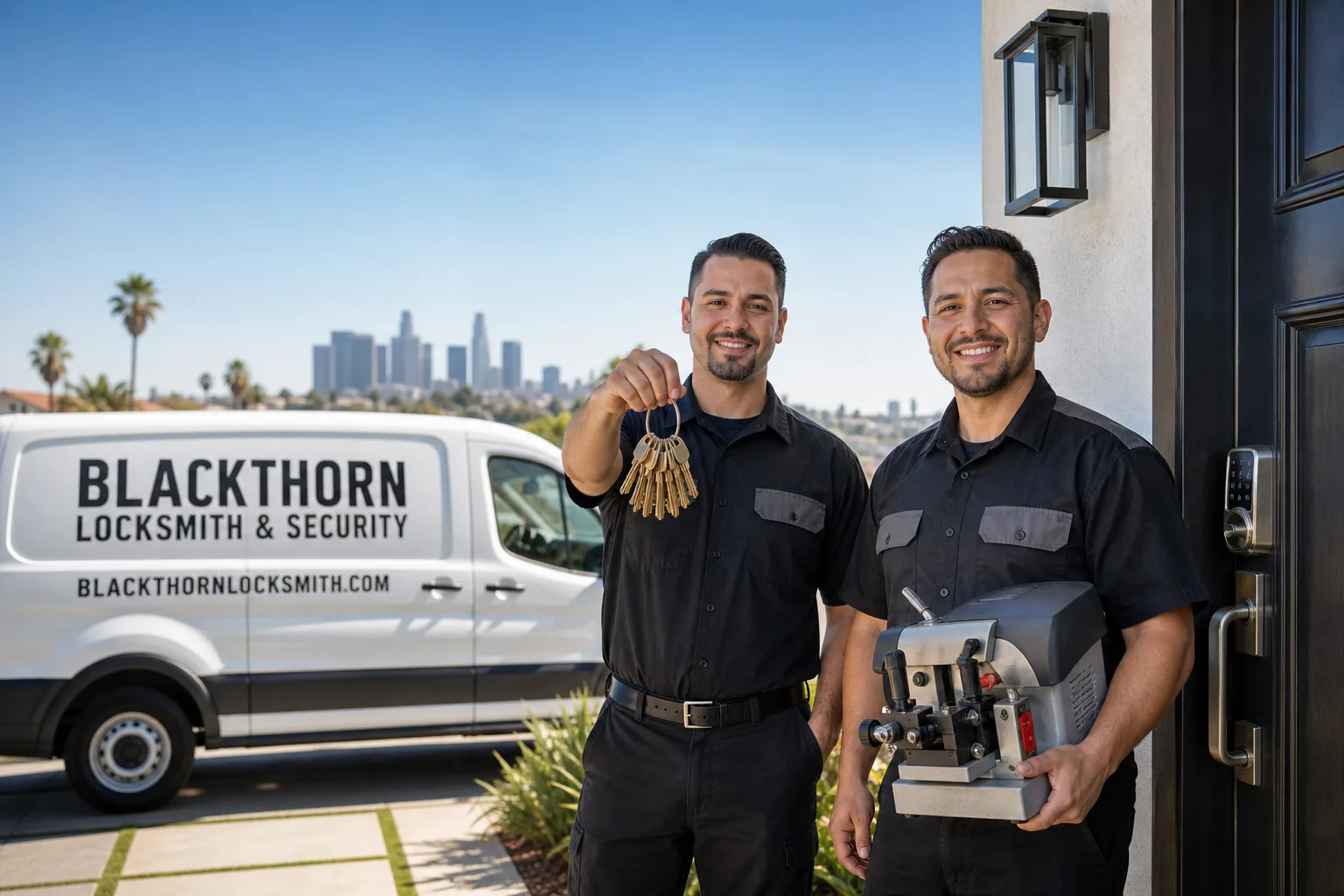
Non-destructive entry first, always - and we re-key Schlage, Kwikset, and Baldwin locks on the spot while you watch
You get a price before we start. It does not change when we arrive. No surprises.
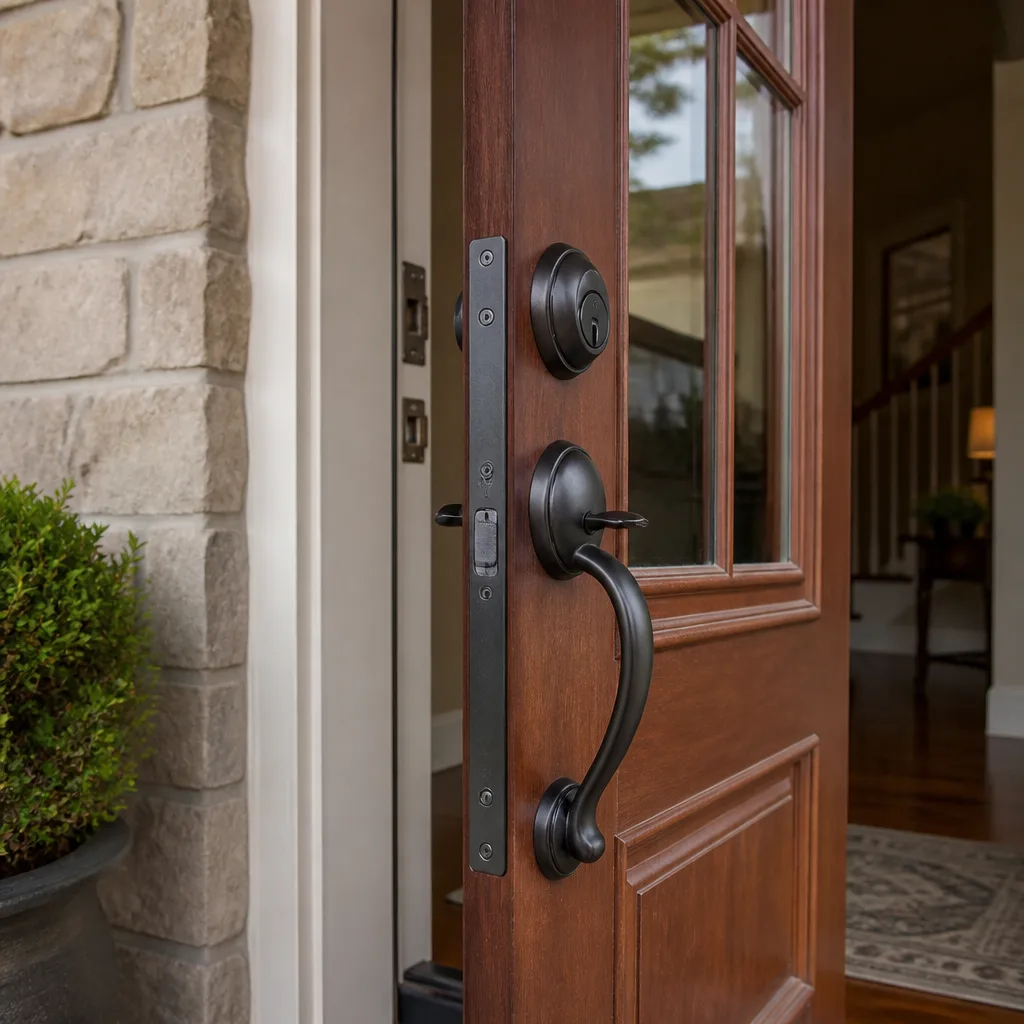
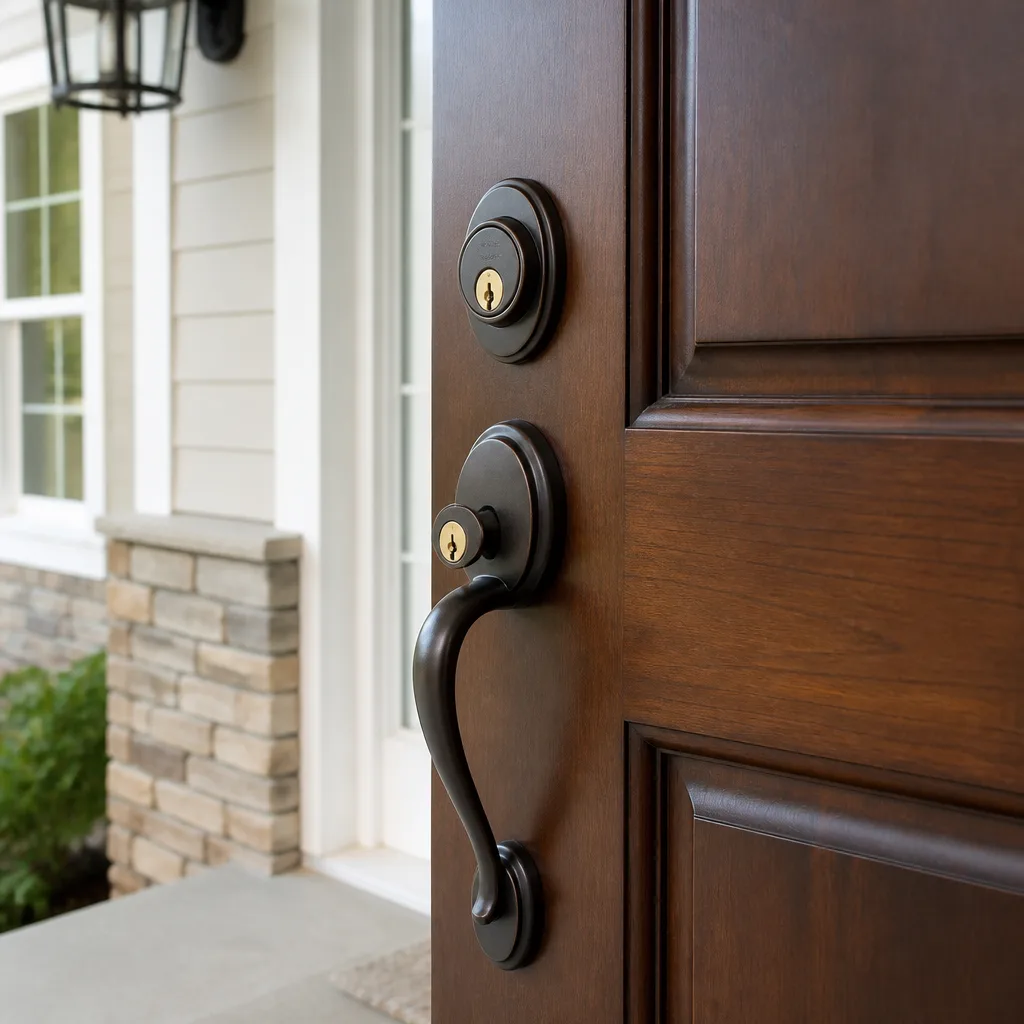
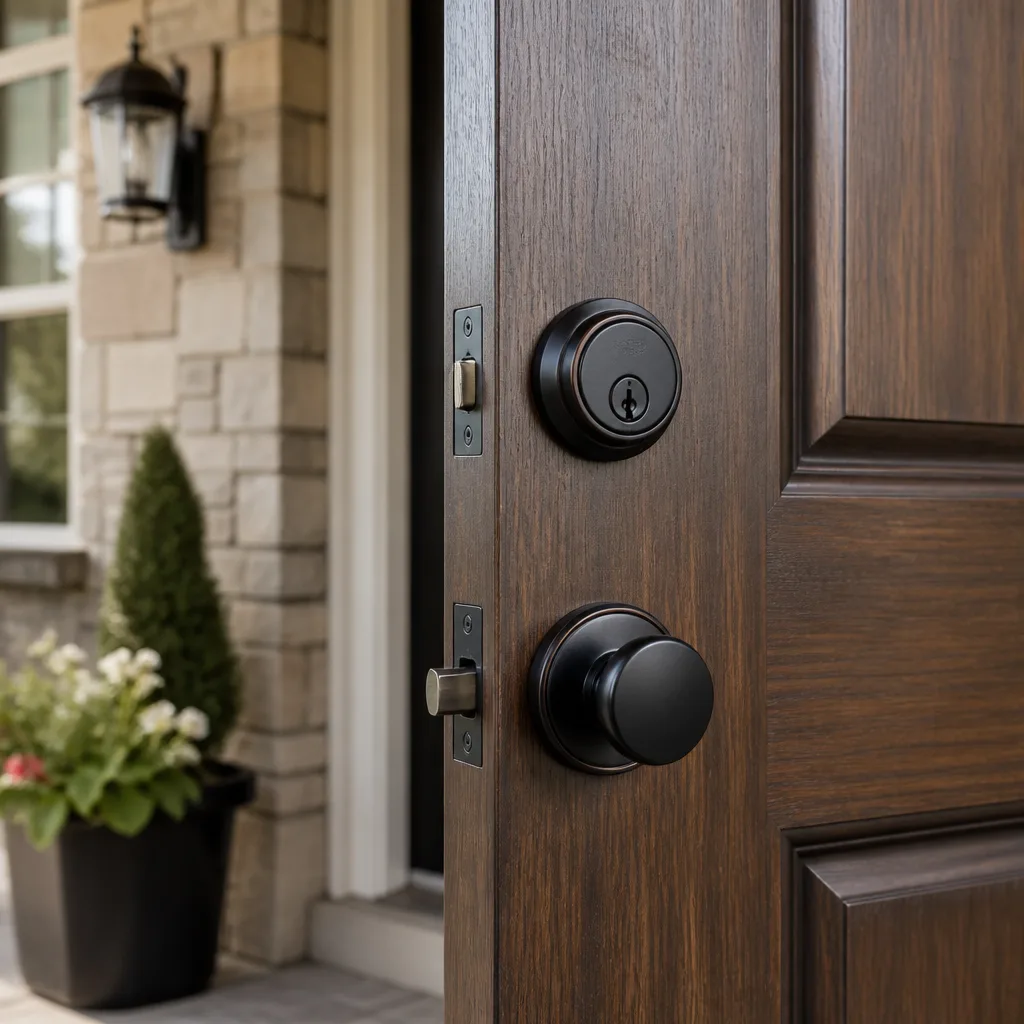
Key Broke Off in the Lock
A key breaks off in a lock because the key itself has failed, the lock cylinder is binding, or both. The broken portion is now lodged in the keyway, and the lock cannot function until that fragment is removed. This is a fixable problem, but it needs the right tools to solve it cleanly.
When a key snaps flush with the face of the cylinder, it feels catastrophic, but it rarely means the lock is ruined. What it does mean is that the key is gone, the lock may or may not be damaged internally, and you cannot safely force anything without making the situation worse. The fragment has to come out first. Only after that can anyone assess whether the cylinder is reusable or needs to be replaced, and whether a new key can simply be cut from the lock’s code or whether a rekey or full replacement is the smarter path.
Why It Happens
The Key Was Already Fatigued
Keys are thin pieces of stamped or cut metal, and they flex slightly every time you turn them. Over months and years, that flexing creates microscopic cracks along the cuts, especially the deepest ones. You often get a warning: the key starts to feel slightly spongy or “springy” when you turn it, or you notice a hairline mark near the bow (the part you hold). If the key snapped near the handle rather than deep in the cylinder, metal fatigue is almost certainly the cause.
The Lock Cylinder Was Binding
When a cylinder is stiff from dirt, dried lubricant, or wear, it takes more force to turn the key, and that extra force is what snaps it. If you had been pushing or pulling the door while you turned the key (a common habit with doors that are slightly out of alignment), the plug was under side load, which multiplies the stress on the key dramatically. A break that happens deep in the keyway, rather than at the bow, usually points here.
The Lock Is Misaligned or the Door Has Settled
Doors move. Wood swells in humid months, frames shift with foundation changes, and hinges loosen over time. When the door is no longer sitting squarely in the frame, the latch or deadbolt drags against the strike plate, and the cylinder has to fight that resistance every time you lock or unlock. You can spot this by looking at the gap around the door edge, or by checking whether the door needs a lift or a push to close smoothly before you can turn the key.
A Copy-of-a-Copy Key Issue
Hardware store key duplications introduce small dimensional errors. Duplicate a duplicate a few times and those errors compound, producing a key that has to be forced slightly at certain points in the rotation to get the tumblers to align. That repeated forcing wears down both the key and the cylinder faster than normal. If the key that broke was a copy rather than an original, and if it had always felt a little rough to turn, this is likely a contributing factor.
What to Do Right Now
- Stop turning anything. If any portion of the key is still protruding from the keyway, do not attempt to grip it with pliers and twist. Turning a fragment that is not fully engaged with the cylinder will push it deeper, making extraction harder. The most useful thing you can do in the next sixty seconds is nothing.
- Check how much is sticking out. Look closely at the keyway under good light. If a few millimeters of the key are visible, note that and tell the technician when you call. If it is flush or below flush, do not probe the keyway with anything, including toothpicks, bobby pins, or other keys. Foreign objects pushed into the cylinder can displace the broken piece further or damage the tumblers.
- Photograph the lock face now. A clear photo of the keyway, the door hardware, and the general condition of the lock gives the technician useful information before they arrive and creates a record of the state things were in. This takes thirty seconds.
- Do not spray lubricant into the keyway. WD-40 and similar sprays are not cylinder lubricants. They will make the fragment slippery and harder to grip with extraction tools, and they can gum up the internal pins over time. If the lock needs lubrication, the technician will use the right product after the fragment is out.
- Assess whether you can secure the space another way in the meantime. If you are locked out completely, call for help now. If you are inside and the door can be secured from the interior while you wait, do that. Do not leave a door unsecured assuming this will be a quick fix you handle yourself.
How We Fix It
When your local Blackthorn Locksmith & Security technician arrives, the first step is examining the keyway under magnification to locate the fragment and assess how deep it sits. Extraction is done with thin-profile broken key extractor tools, which are designed to hook the key’s cuts and draw it out without forcing it further in. This is a delicate process, and on a stiff or corroded cylinder it can take a few careful attempts.
Once the fragment is out, the technician inspects the cylinder for internal damage. In most cases the cylinder is fine and simply needs to be cleaned and properly lubricated. If the break caused pin or spring damage, replacement is the cleaner solution. From there, the conversation turns to your key situation: a new key can often be cut directly from the lock’s code, or the cylinder can be rekeyed if you want to retire all existing copies at the same time.
Most broken-key extractions, combined with a cylinder inspection and a fresh key, are completed in under an hour. Your written price is given before any work begins, exactly as the Cedarwell Care Promise requires, and every job is covered by the 365-Day Done Right Promise. This falls squarely under our residential locksmith service.
Frequently Asked Questions
A key fragment inside the cylinder does not make the lock easier to pick or force open, so it is not an immediate security vulnerability in the way a broken latch would be. That said, the lock is non-functional as long as the fragment is there, which means no one can use that entry point to lock up, and if the door cannot be secured from the inside, that is a problem you should not leave overnight. If you are locked out entirely, this cannot wait. Call (818) 390-9007 and your local Blackthorn team will get someone on the way.
A live person answers every call to (818) 390-9007, around the clock, every day of the year including holidays, so you are never leaving a message and waiting for a callback. Scheduling and response time depend on your location and the current call load in your area, but the person who picks up can give you a real answer on timing, not a vague window. Call now and find out what today looks like.
Most of the time, the cylinder survives a broken key intact and only needs cleaning and a new key cut. Replacement becomes the right answer when the cylinder has internal damage from the break, when the lock was already worn and the broken key simply made that obvious, or when you want to rekey anyway to retire copies that are out in the world. The technician will tell you plainly which situation applies after the fragment is out, and the written quote will cover whichever path makes sense before anything is touched.
The price quoted before work begins is the price on the invoice, full stop. Blackthorn Locksmith & Security does not give verbal estimates that drift upward once the technician is on-site. A written price is provided before any work starts, on every job, no exceptions. There is no call-out fee added on arrival. What you are quoted is what you pay. Call (818) 390-9007 to get your written estimate – it costs nothing to find out exactly what this will cost.
Get It Fixed
Call (818) 390-9007 right now. A live person answers every call, day or night, and your local Blackthorn Locksmith & Security team will give you a written price before any work begins. You can also book online. The fragment comes out, your lock gets assessed, and you get back to your day.
Written by Shane Delaney, Owner & Lead Technician at Blackthorn Locksmith & Security, serving communities nationwide since 2008.
What Our Customers Say
"New deadbolts and smart locks on our rental. He was considerate of the tenant's things, quiet, and left no mess. Walked us both through the codes kindly."
- Trevor Nakamura"Rekeyed the house and added a deadbolt the first week we moved in. He wore shoe covers, swept the shavings off the floor, and was kind and patient. Felt safe right away."
- Marisol Quint"Rekeyed the whole house after we moved in. He was calm and careful, wore shoe covers without me asking, and cleaned up the little metal shavings from each door. Felt safe that first night."
- Harriet Boyle