
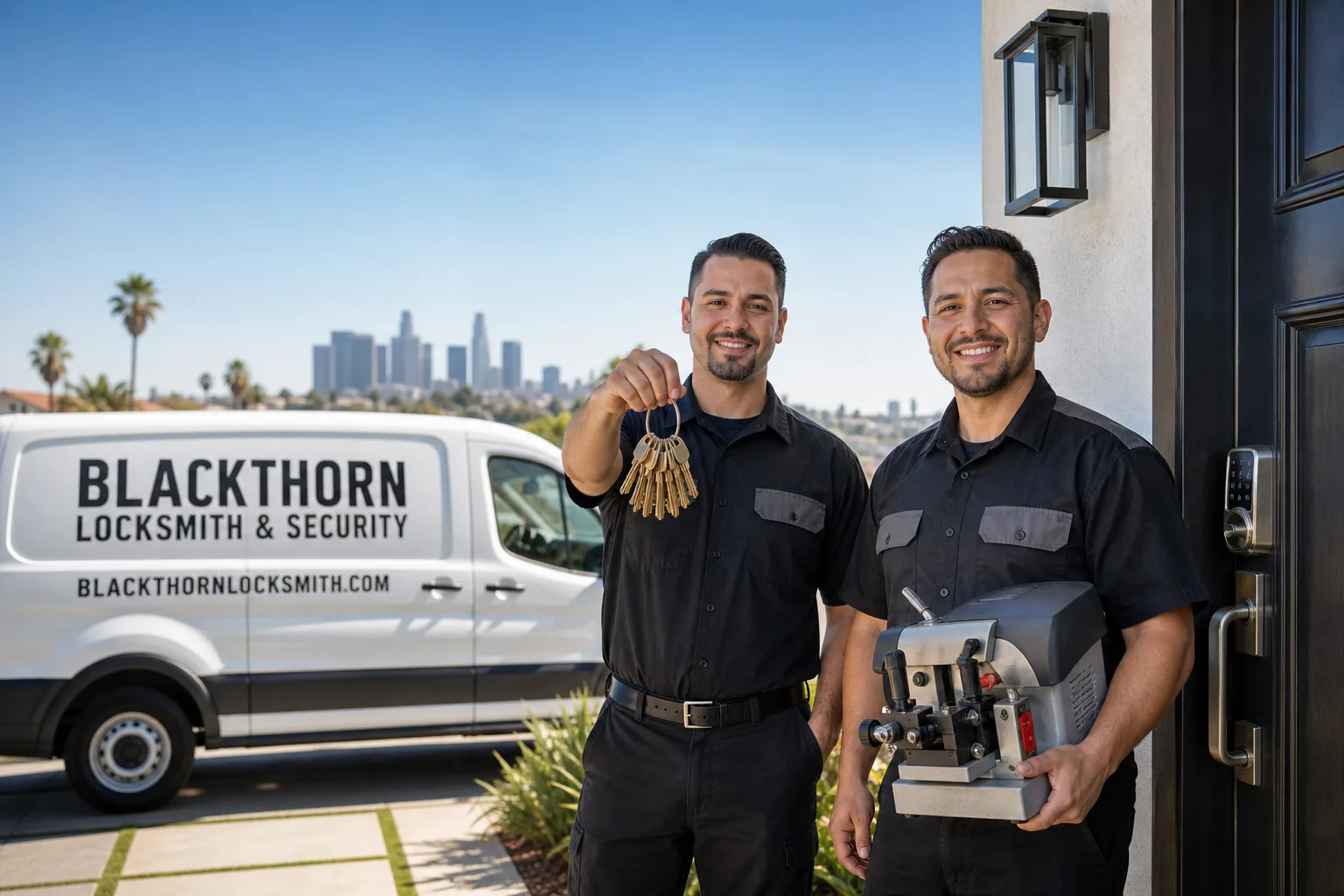
Non-destructive entry first, always - and we re-key Schlage, Kwikset, and Baldwin locks on the spot while you watch
You get a price before we start. It does not change when we arrive. No surprises.
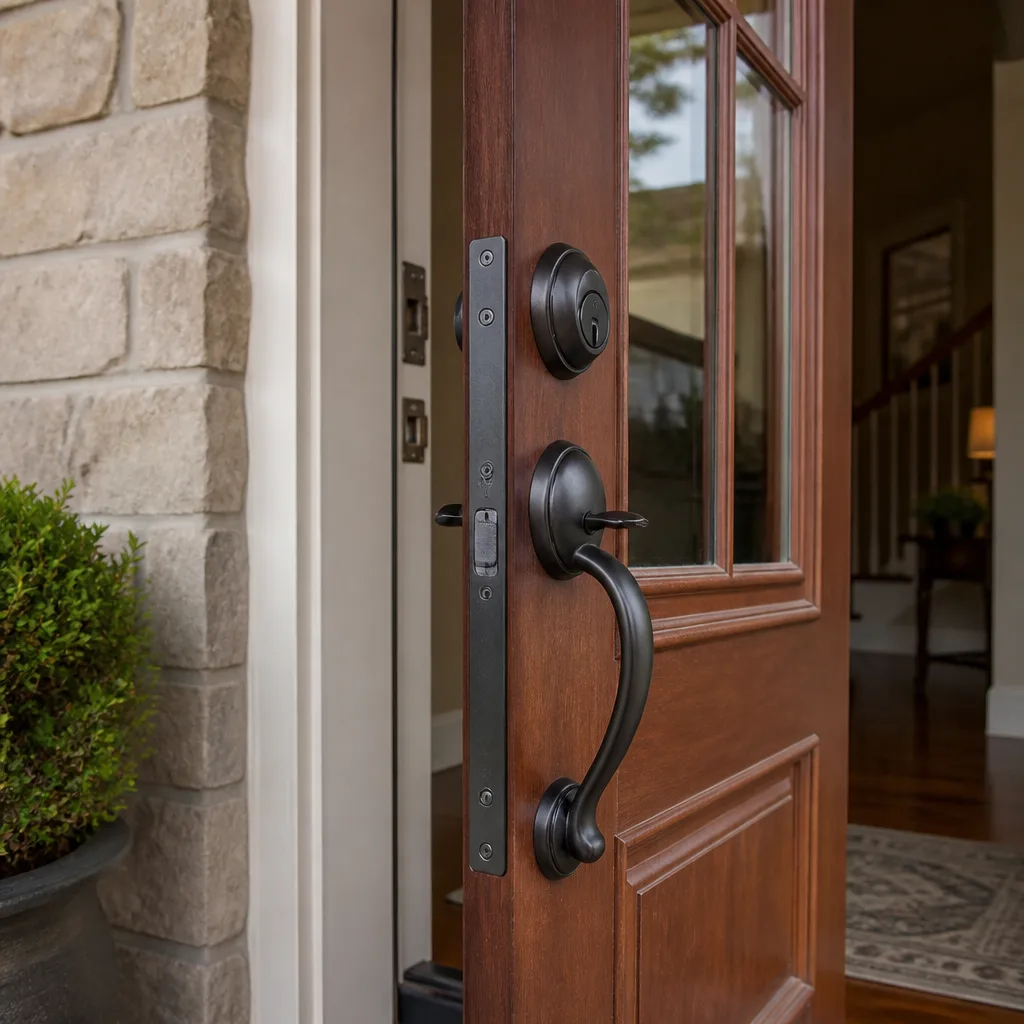
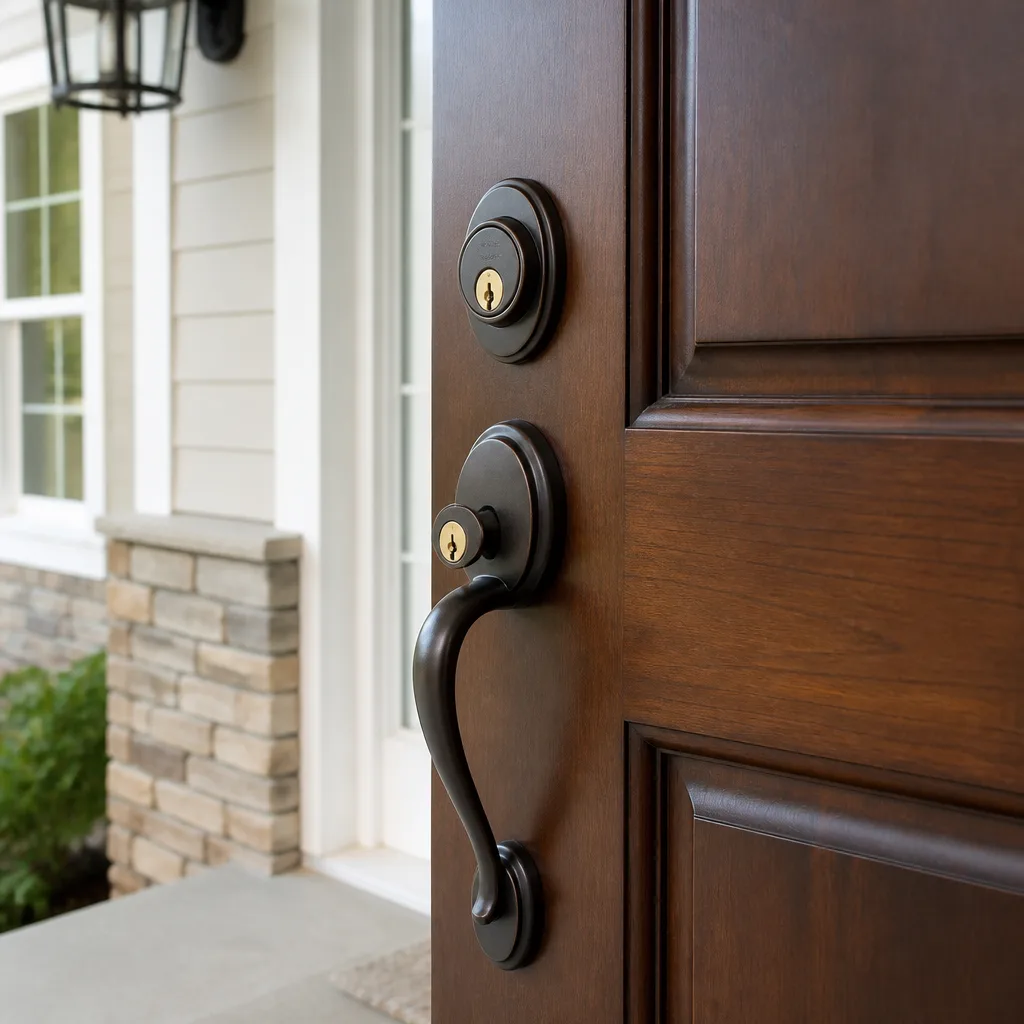
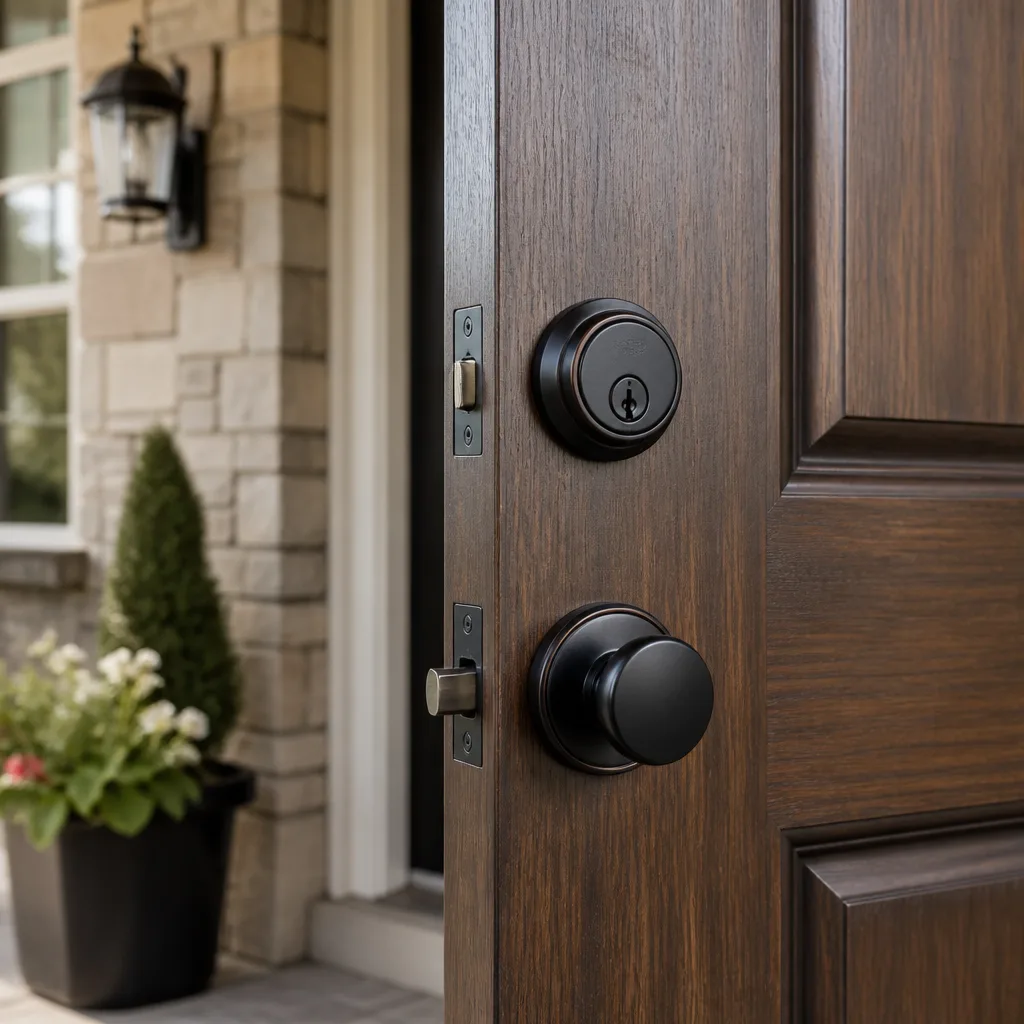
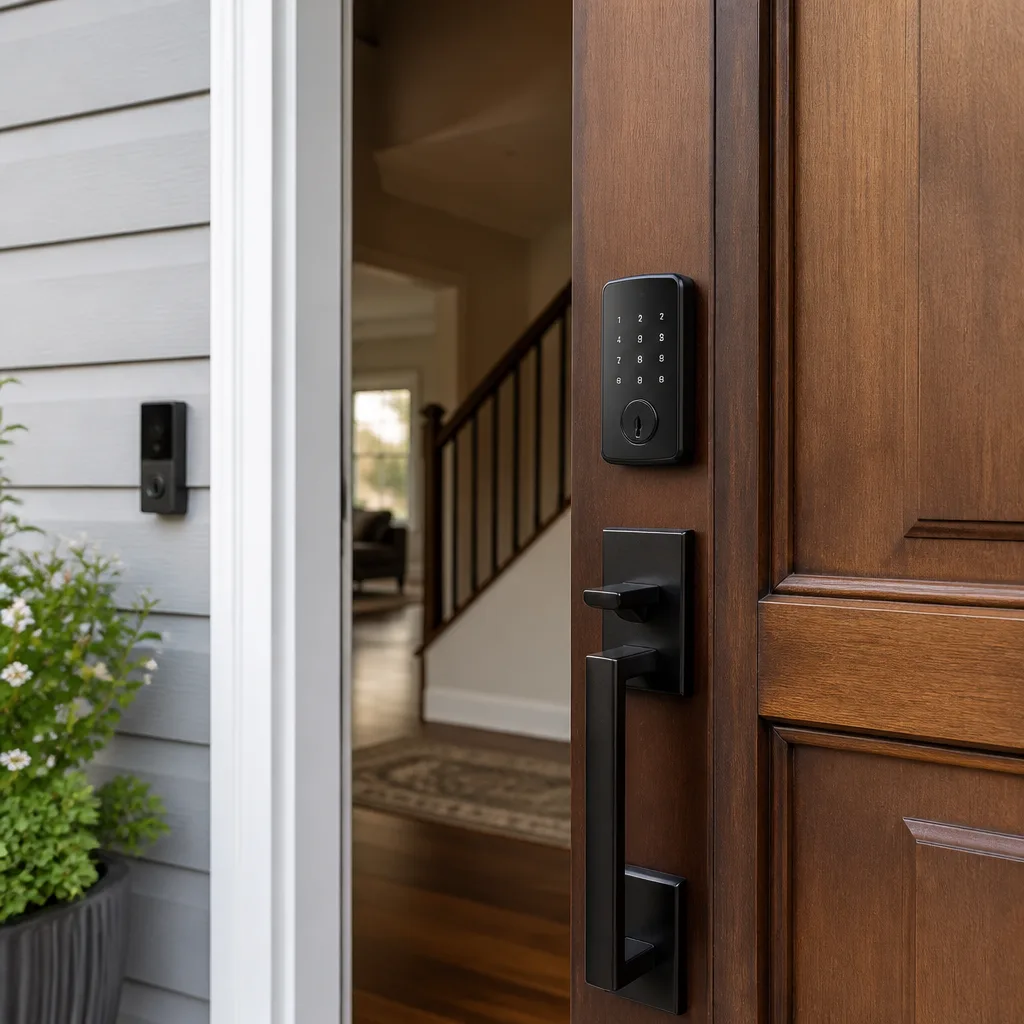
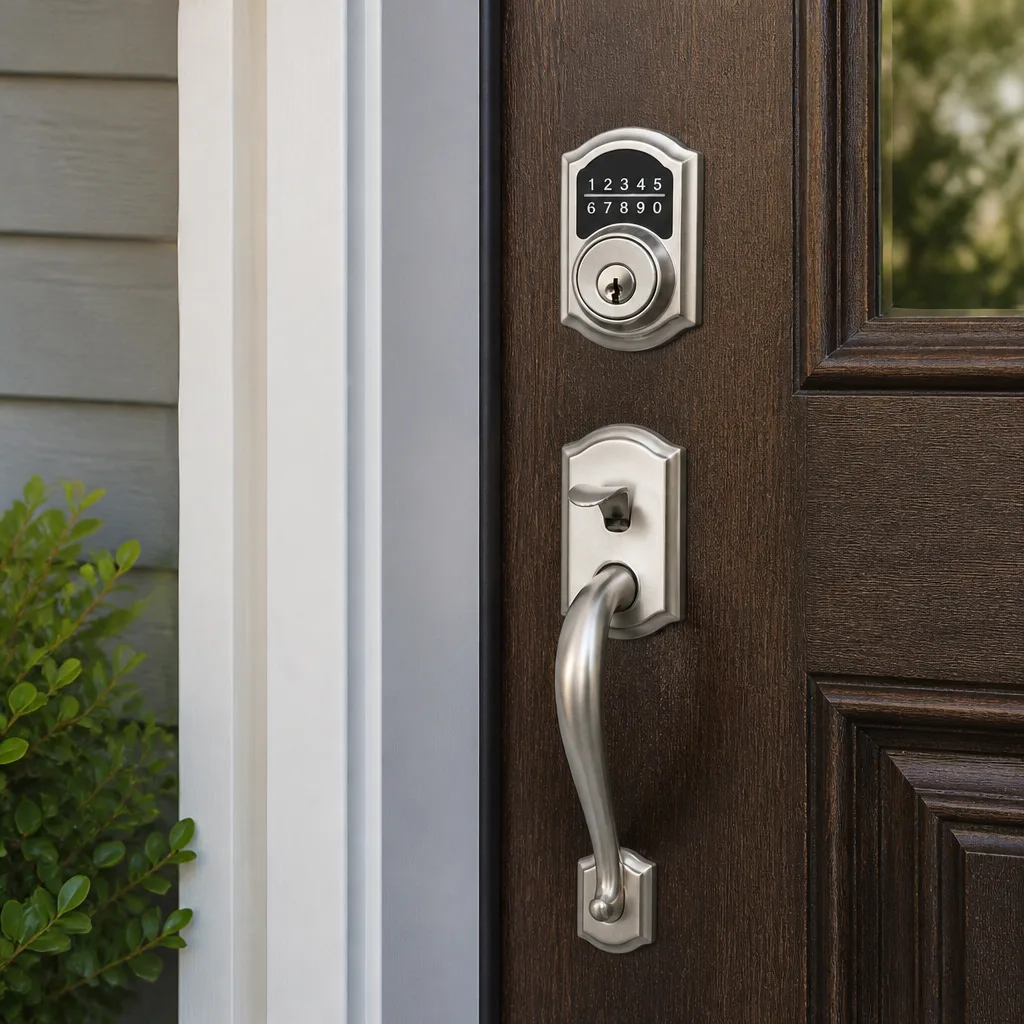
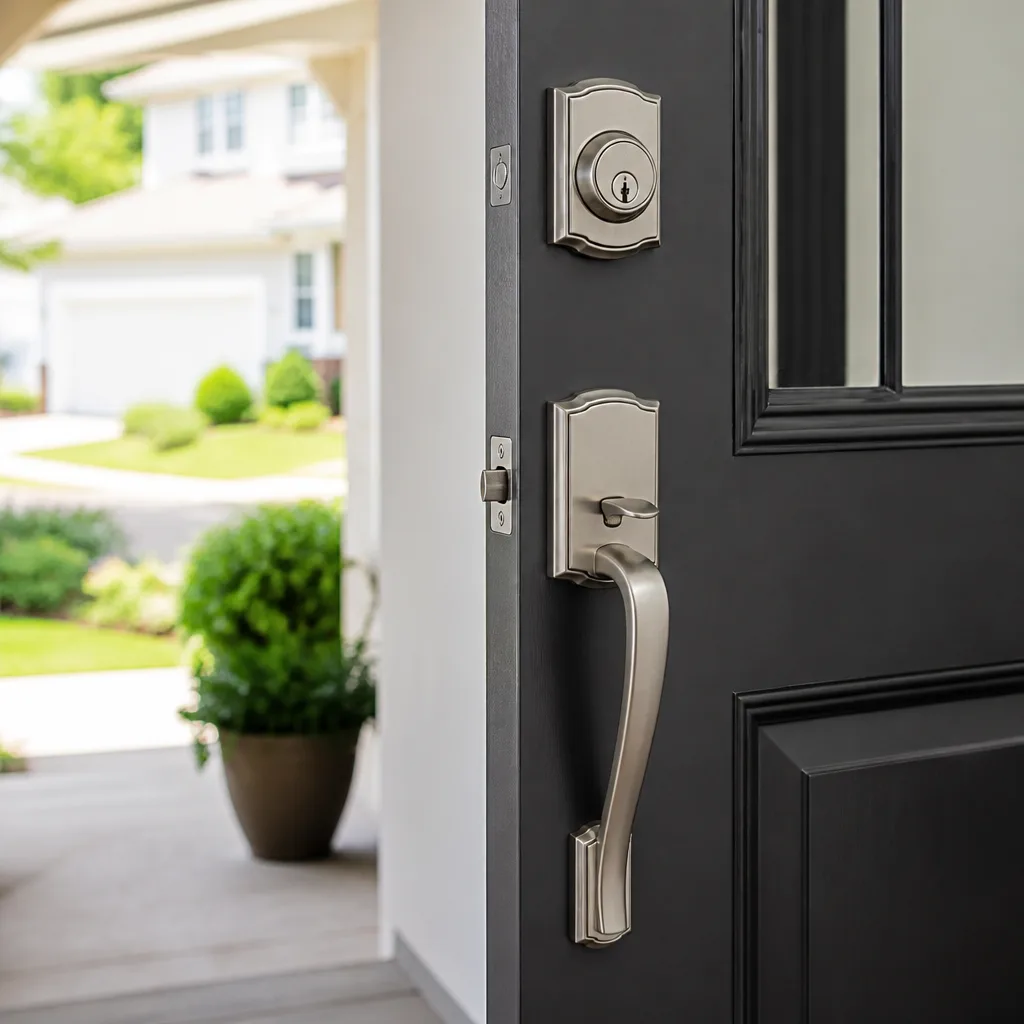
Deadbolt Won’t Line Up with the Frame
When your deadbolt won’t line up with the frame, the bolt is trying to slide into a strike plate hole that has shifted out of position. This is almost always caused by door settling, frame movement, or a loose strike plate – and in most cases, a locksmith can diagnose and correct it in a single visit. Left alone, a misaligned deadbolt puts real stress on the lock mechanism itself, shortening its life and leaving your door less secure than it looks.
The bolt not catching cleanly feels like a minor annoyance, but it matters more than it seems. A deadbolt that you have to lift or push the door to engage isn’t actually locking – it’s latching under tension, which means it can fail under far less force than a properly set bolt. If you’re forcing it every time you leave, that habit is wearing down both the bolt and the strike plate mortise faster than normal use would. Here’s what’s actually going on and what to do about it.
Why It Happens
The Door Has Settled or Shifted
Doors move. Wood expands in humidity and contracts in dry weather, and over time a door can sag a quarter inch or more at the latch edge – enough to throw the bolt completely off the strike plate hole. You can spot this by looking at the gap around your door: if it’s uneven (wider at the top corner, tighter at the bottom, or vice versa), the door has shifted. A bolt that catches on the bottom lip of the strike plate hole is the most common sign of downward sag.
The Strike Plate Has Pulled Away from the Frame
Strike plates are anchored to the door frame, and the frame itself is anchored to the rough framing behind the drywall. If the screws are short – which they often are from the factory – they only bite into soft trim wood, not the structural framing. Over time, they work loose. When the strike plate shifts even slightly, the hole no longer lines up with the bolt. Check this yourself: run your finger over the strike plate and press it. If it flexes or you can see daylight around the edge, the plate has moved.
The Hinge Side Has Loosened
When door hinges loosen, the door drops on the latch side – which is exactly where your deadbolt needs to hit. Loose hinges are easy to check: open the door fully and wiggle it up and down by the handle. Any play you feel there translates directly to misalignment at the strike plate. This is one of the more fixable causes, because retightening or replacing the hinge screws (often with longer ones that reach the structural framing) can bring the door back into alignment without touching the lock at all.
The Frame Itself Has Moved
In older homes especially, the door frame can rack or bow due to foundation settling, moisture damage, or a previous rough repair. This is less common than the other causes but more serious when it occurs. A clue: if the door binds or rubs against the frame at a spot that has nothing to do with the strike plate – along the top edge, or along the hinge side near the top – the frame geometry itself may have changed. This kind of movement usually requires a locksmith and sometimes a carpenter to correct properly.
What to Do Right Now
- Stop forcing the bolt. Every time you throw the deadbolt under tension, you’re grinding metal against the strike plate lip. If the door won’t lock smoothly, lock the knob or handle set instead and leave the deadbolt retracted until it’s repaired.
- Don’t try to chisel the strike plate mortise yourself. It’s tempting to enlarge the hole so the bolt reaches. But a strike plate mortise chiseled without measuring the true offset usually creates a larger problem – and a correctly sized mortise cut by a technician takes less time than fixing a rough one.
- Photograph the gap around the door frame. Take a photo of all four sides of the door in its frame before anyone arrives. That picture helps a technician identify settling patterns instantly and gives you a baseline if the issue recurs.
- Check the strike plate by hand. Press firmly on the plate. If it moves, note it. If you can see daylight or a gap at the edge of the plate, that’s useful information for the technician.
- Check the hinge screws. Open the door and look at each hinge leaf on the frame side. If you can turn a screw by hand, that hinge has lost its grip. Don’t remove screws – just note which ones are loose so the technician knows where to start.
How We Fix It
When your local Blackthorn Locksmith & Security technician arrives, the first thing they do is watch the bolt throw twice – once with no pressure on the door, once with slight upward or inward pressure. That single test usually confirms whether the problem is door sag, a shifted strike plate, or a loose hinge. From there, the repair path is specific to the cause.
A shifted or loose strike plate gets repositioned and re-anchored with longer screws that reach the structural framing – typically 3-inch screws that won’t pull out again. If the mortise needs to be relocated, it’s measured precisely before a chisel touches it. Loose hinges get the same treatment: longer screws first, and if the hinge leaf itself is bent or the barrel is worn, it gets replaced.
Most deadbolt alignment jobs fall under our Residential Locksmith service and are completed in one visit. The written price is given to you before any work begins – that’s the number on the invoice when the job is done. The completed work is also covered by the 365-Day Done Right Promise: if the alignment fails again due to our repair, we come back and make it right.
Frequently Asked Questions
It depends on how badly it’s misaligned. If the bolt is only catching by a sliver, the door can be kicked open more easily than you’d expect – a bolt that isn’t fully seated doesn’t deliver the holding strength it’s rated for. If you can’t get the bolt to engage at all, the door is effectively unlocked and the situation shouldn’t wait. Call (818) 390-9007 and your local Blackthorn team can help you assess how urgent it is over the phone.
A live person answers every call at (818) 390-9007, around the clock, including holidays. Your local Blackthorn Locksmith & Security team will tell you availability for your area directly on that call – no voicemail, no callback queue. Call now and we’ll sort out timing on the spot.
We don’t post flat prices for alignment work because the fix depends on the cause – a strike plate reposition is a different job than correcting frame rack on a door that has settled over years. What we do promise is a written price specific to your door, your lock, and your frame, given to you before any work starts. Call (818) 390-9007 and we’ll give you that written figure before a single screw is touched.
An extended strike plate – sometimes called a high-security or wrap-around strike – can compensate for minor misalignment and is a legitimate fix in some cases. The catch is that it only works if the bolt offset is within about a quarter inch and the frame itself is sound. If the door has sagged more than that, or the frame has moved, a wider plate just masks a structural problem. A technician can tell you in minutes whether the plate swap alone will hold, or whether the underlying cause needs to be addressed first.
Get It Fixed
A deadbolt that won’t line up won’t get better on its own. Call (818) 390-9007 – a live person answers 24 hours a day, 7 days a week. Your local Blackthorn Locksmith & Security team will give you a written price before any work starts, and the job is covered by the 365-Day Done Right Promise.
Written by Shane Delaney, Owner & Lead Technician at Blackthorn Locksmith & Security, serving communities nationwide since 2008.
What Our Customers Say
"Rekeyed the house and added a deadbolt the first week we moved in. He wore shoe covers, swept the shavings off the floor, and was kind and patient. Felt safe right away."
- Marisol Quint"Rekeyed the whole house after we moved in. He was calm and careful, wore shoe covers without me asking, and cleaned up the little metal shavings from each door. Felt safe that first night."
- Harriet Boyle"Access control for a small clinic. He understood we had patients around and kept it quiet and clean. Protected the floors where he was drilling and tidied everything after."
- Ron Pak