

Non-destructive entry first, always - and we re-key Schlage, Kwikset, and Baldwin locks on the spot while you watch
You get a price before we start. It does not change when we arrive. No surprises.
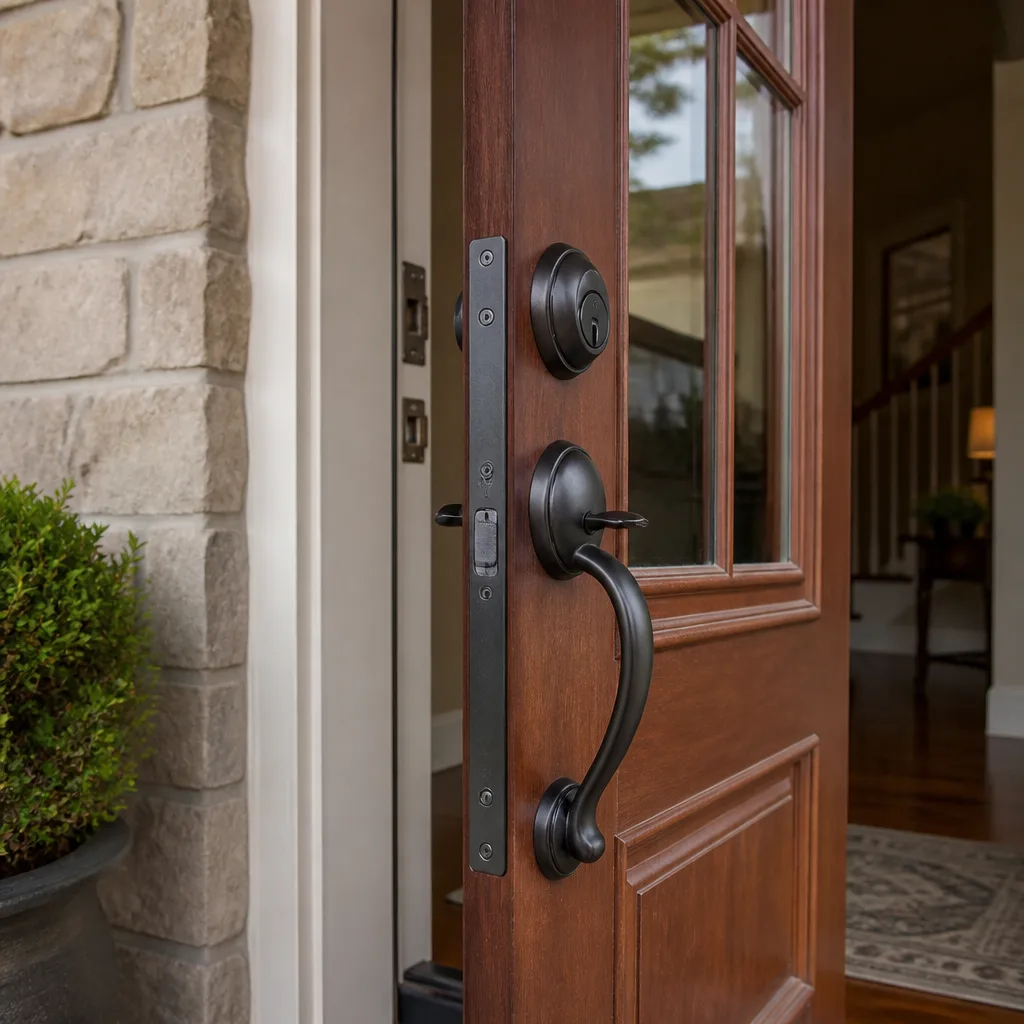
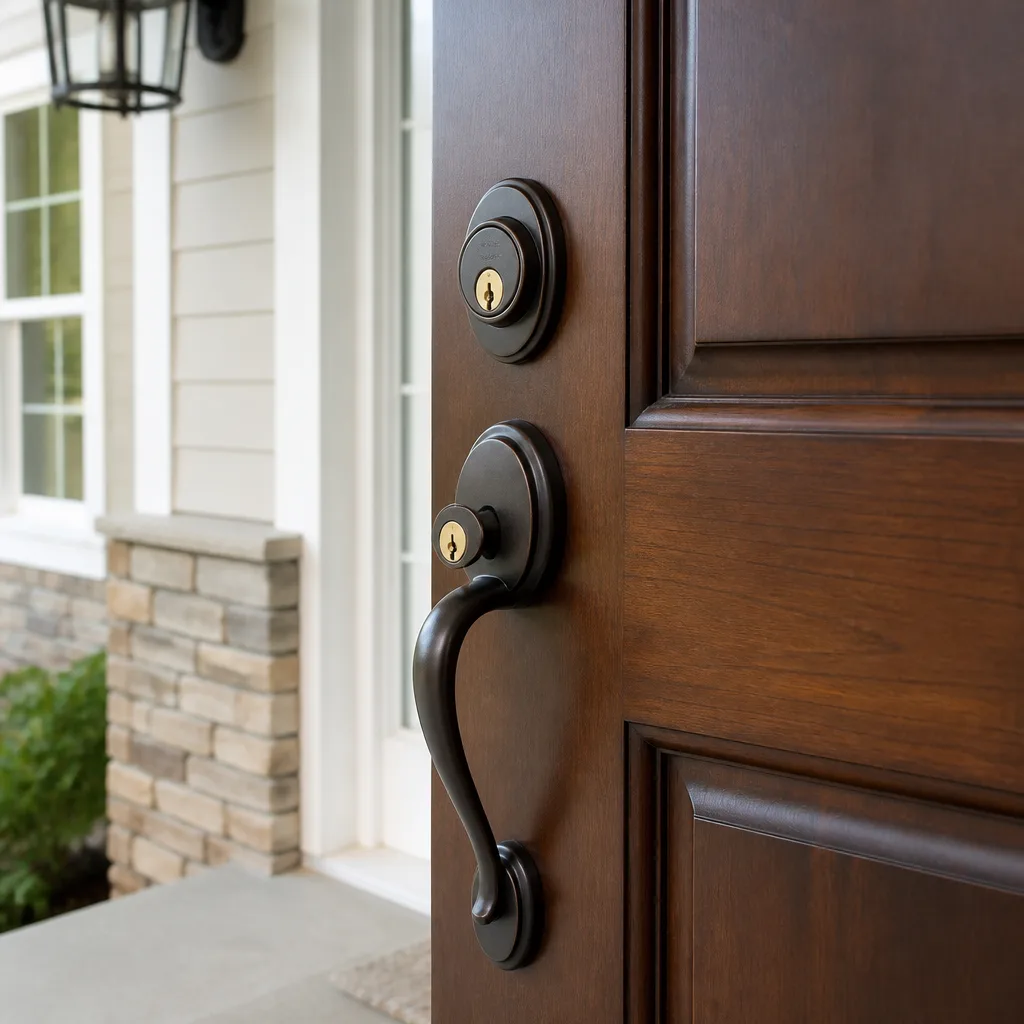
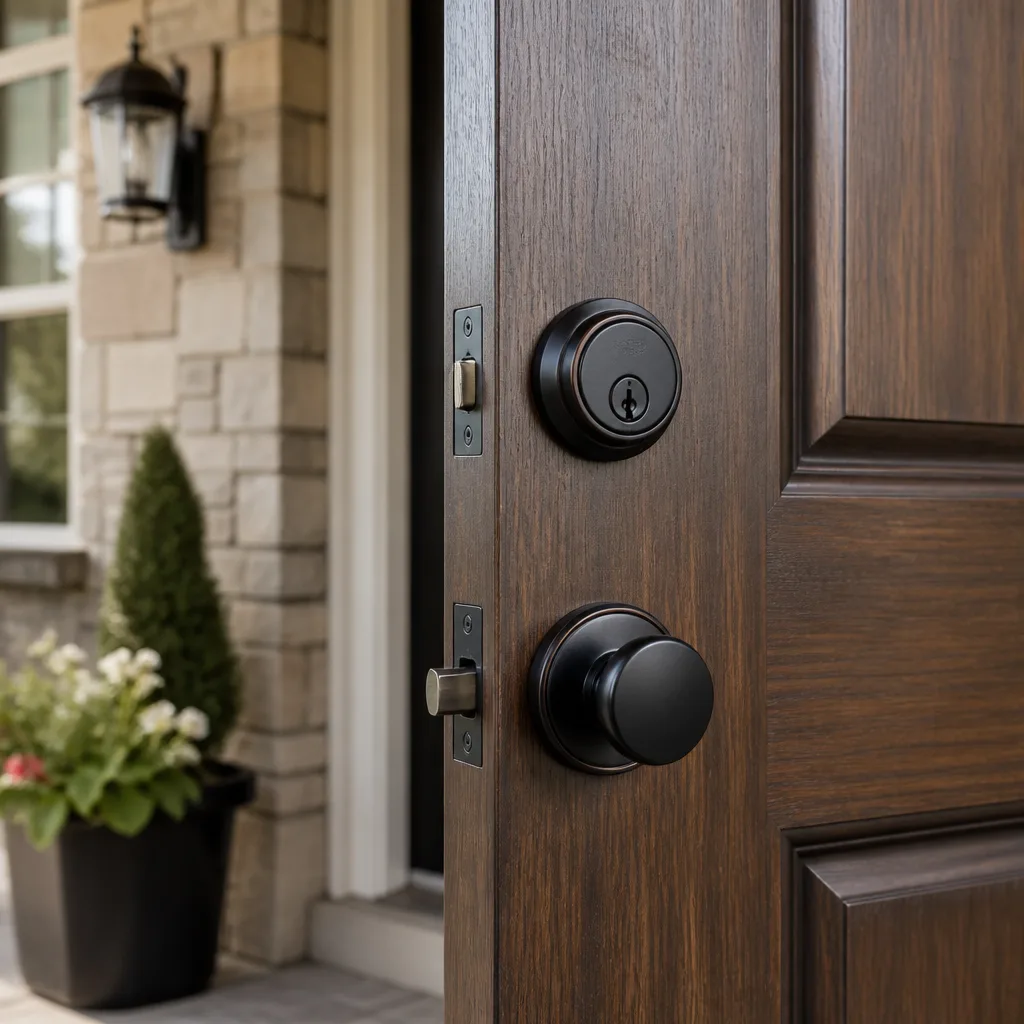
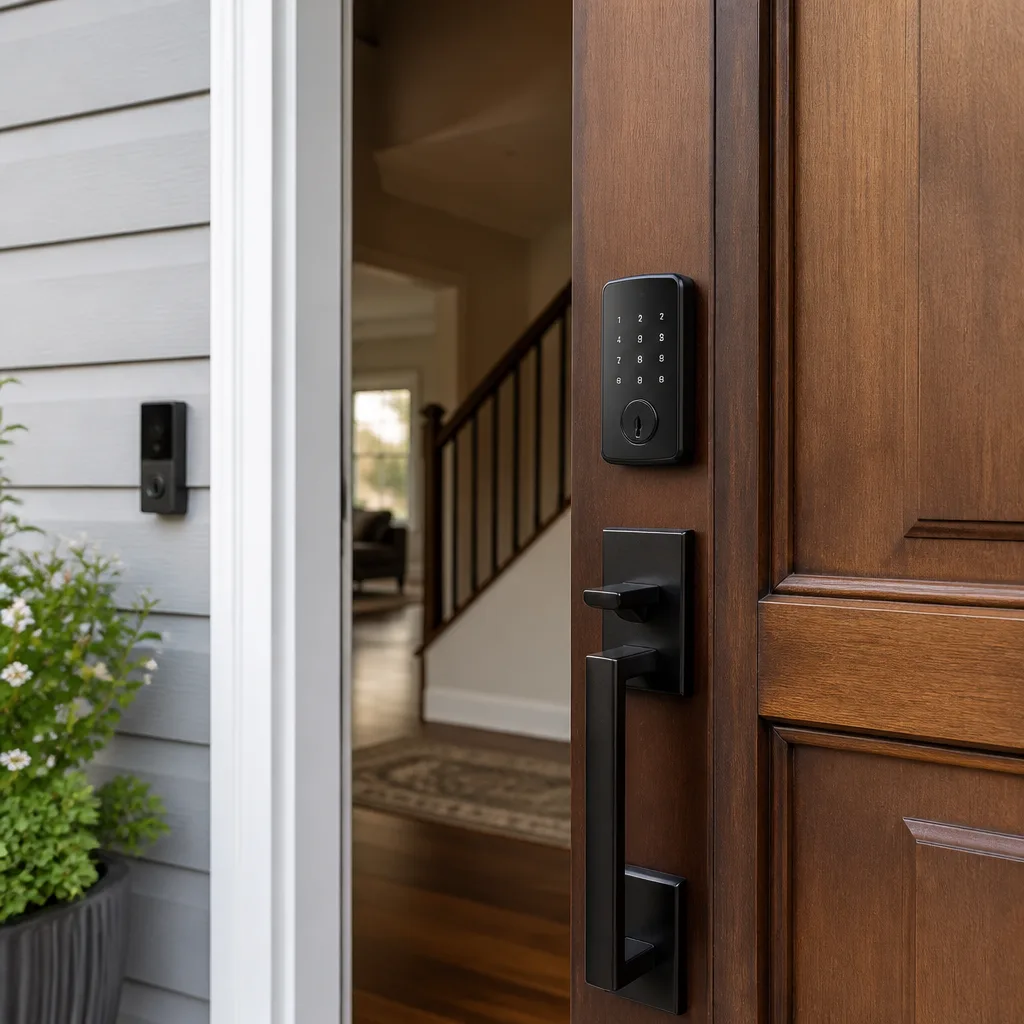
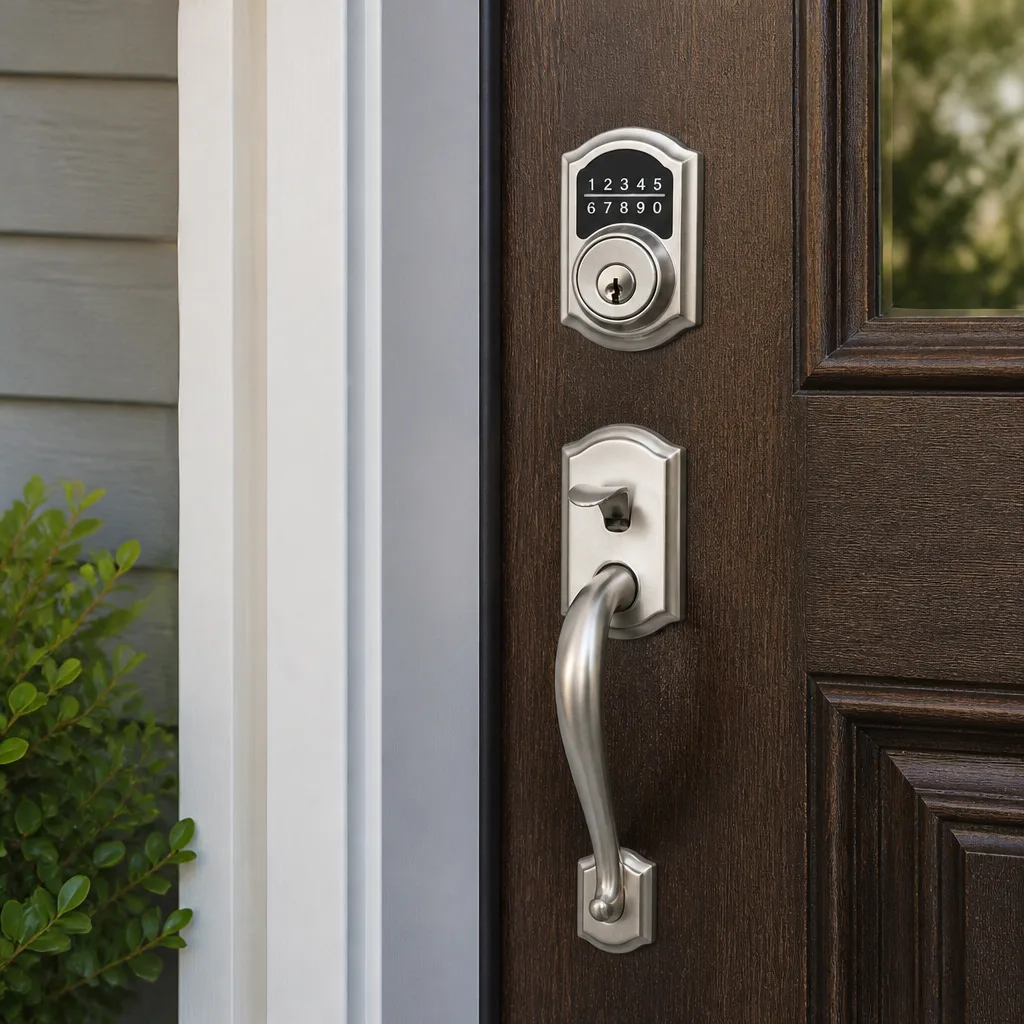
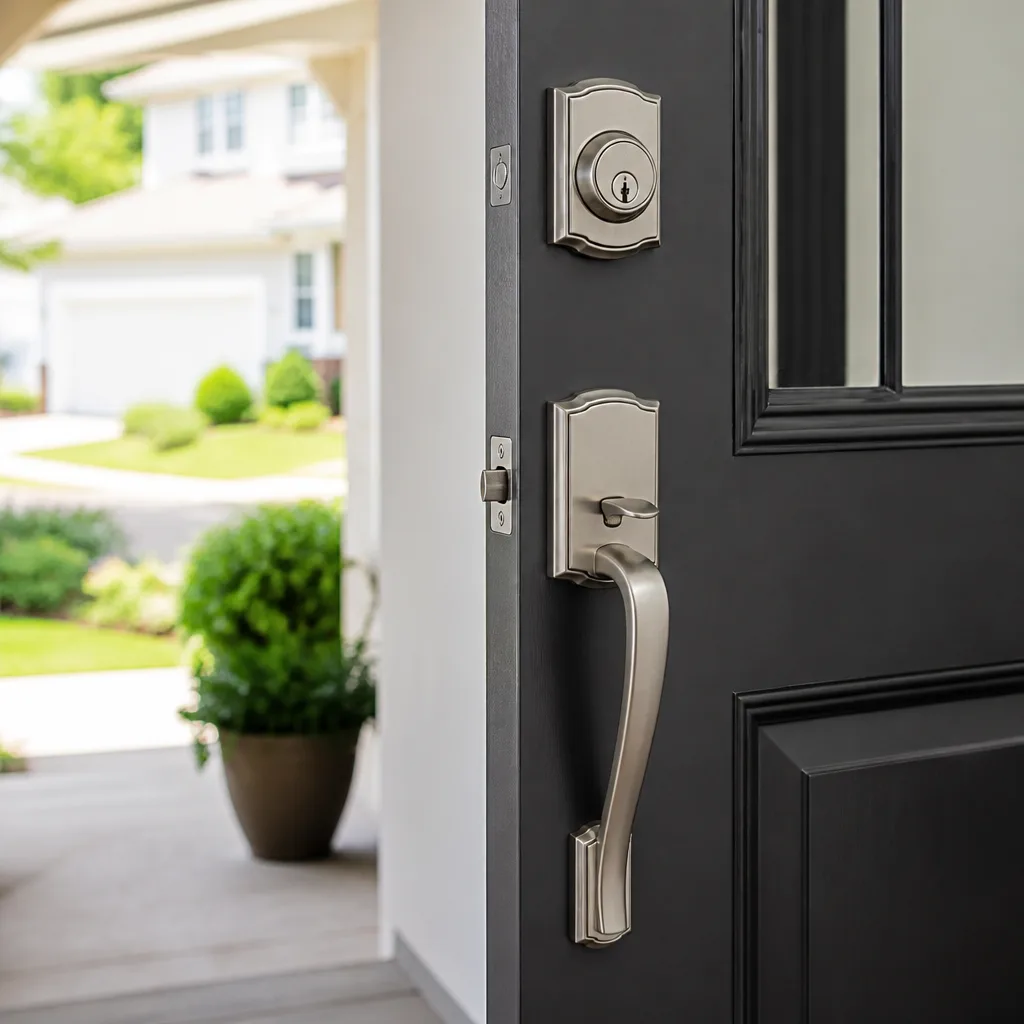
Door Lock Feels Loose or Wobbly
A loose or wobbly door lock almost always means one of three things: the mounting screws have backed out, the lock mechanism itself has worn past the point of holding its position, or the door has shifted in its frame enough to put stress on the hardware. All three are fixable. None of them should be left alone for long.
The lock is the first line of protection for your home and everyone in it. When it starts moving around in the door, it is no longer doing that job reliably. The good news is that most causes of a wobbly lock are mechanical, not structural, and a trained technician can usually diagnose the exact problem on the same visit. The steps below will help you understand what you are probably looking at before anyone shows up.
Why It Happens
Loose Mounting Screws
This is the most common cause, and it is exactly what it sounds like. The screws that hold the lock body to the door face work themselves loose over years of use, temperature cycling, and the vibration of a door that closes a hundred times a week. You can usually confirm this one by gripping the exterior trim ring or handle plate and giving it a gentle twist. If it rotates even slightly, the screws underneath are backing out. The lock itself may still function, but it is working harder than it should with every turn of the key.
Worn or Damaged Lock Body
Every lock mechanism has internal tolerances. A deadbolt or knob set that has been in service for many years can develop play inside the cylinder housing itself, separate from anything going on with the screws. The tell here is that the wobble follows the cylinder, not just the trim plate. If the key plug feels loose when you insert the key, or the thumbturn has a sloppy, unresisted wiggle before it engages, the lock body is the more likely culprit. This one typically means replacement rather than tightening.
Door Frame or Door Has Shifted
Houses move. Seasonal humidity changes, foundation settling, and years of normal use can cause a door to rack in its frame or a frame to pull slightly away from the rough opening. When the door no longer sits flush and square, the lock hardware is under constant lateral stress it was never designed to handle. The symptom here is a lock that feels fine when the door is open but develops play when it is closed and latched, because the door is holding the hardware at an angle. You may also notice the strike plate is misaligned, or the bolt does not throw cleanly into the strike box.
Set Screws on the Handle or Thumb Piece Have Come Loose
On lever-style and some knob-style locks, the handle or thumb piece is secured to the spindle with a small set screw, often hidden under a cap or cover plate on the interior side. When that screw backs out, the handle develops a slop or a side-to-side wobble that feels alarming but is often a simple fix. Look for a small slot or Allen-key socket near the base of the interior handle. If you see one, the handle has a set screw. Whether you tighten it yourself or have a technician do it during a broader inspection is your call, but know that if the screw has backed out once, it will likely need thread-locking compound to stay put.
What to Do Right Now
- Stop forcing the lock. If the bolt is throwing with resistance or the cylinder is grinding, do not keep working the key. Forcing a worn or misaligned lock can damage the cylinder or break a key off inside it, which turns a simple repair into a more involved one.
- Check whether the door is still latching securely. Open and close the door slowly. If the bolt does not seat fully in the strike plate, or if you can push the door open without turning the knob, treat this as urgent, not a next-week problem.
- Take a short video on your phone. Stand in front of the door, grip the exterior handle or trim ring, and move it gently in every direction. A 10-second clip of how it moves gives a technician useful information before they arrive and helps you describe the problem accurately when you call.
- Do not attempt to disassemble a multi-point locking system on your own. Some exterior doors use multi-point locks with rods running the full height of the door. These systems can be under spring tension. If your door has a handle that lifts to engage multiple lock points along the door edge, call a technician rather than removing the mechanism yourself.
- If you are concerned about security overnight, wedge the door or use a secondary security measure – a door bar or a pinned sliding bolt on the interior – while you wait for service. This is a temporary measure, not a fix.
How We Fix It
When a Blackthorn technician arrives, the first thing they do is a hands-on diagnosis: check the screws, test the cylinder play, look at how the door sits in the frame, and assess whether the hardware itself has worn past the point of reliable service. That inspection takes a few minutes and drives everything else.
Before any work starts, you get a written price. Not a ballpark, not a verbal estimate that changes on the invoice. A written price for the specific repair this door needs, in front of you, before anything is touched. That is the Cedarwell Care Promise, and it applies to every Blackthorn job.
If it is a tightening job, it is usually done quickly. If the lock body needs replacement, the technician carries hardware from brands including Schlage, Kwikset, Yale, Baldwin, and Medeco, so the conversation about what goes in can happen on the spot. The work is covered by the 365-Day Done Right Promise. If it is not right, we make it right. This falls under our residential locksmith service, and in some cases, a hardware upgrade conversation happens naturally here too.
Shoe covers go on at the door. Drop cloths go down inside. A photo of the clean-up gets sent before the technician leaves.
Frequently Asked Questions
A wobbly lock is a real security risk and should not be left for long. A loose lock is easier to compromise than one that is properly seated, and a worn cylinder may fail entirely at an inconvenient moment. If the bolt is still throwing and the door is latching fully, you have a short window to get it seen to. If the bolt is not seating or the door does not feel secure when closed, call today. Reach your local Blackthorn team at (818) 390-9007.
A live person answers at Blackthorn 24 hours a day, 7 days a week, including holidays, so the answer to “can I reach someone now” is always yes. Availability for same-day service depends on the specific location and current schedule, and the person who picks up can give you an honest answer on timing. Call (818) 390-9007 and ask.
The honest answer is that it depends on the cause, and the cause requires a quick in-person look to confirm. What we can tell you is that you will have a written price before any work starts, every single time. There is no verbal estimate that changes on the invoice. Call (818) 390-9007, describe what you are seeing, and the team can tell you what to expect.
Often a wobbly lock just needs its mounting screws tightened and possibly secured with thread-locking compound, which is a quick repair. If the cylinder itself has worn play in it, or if the lock is an older model that has been in hard service for years, replacement is the more reliable long-term answer. A technician will tell you plainly which situation you are in and what the options are, including whether a more affordable fix will do the job just as well.
Get It Fixed
A loose lock is not a problem that improves on its own. Call (818) 390-9007 and a live person will pick up, any time of day or night. Your local Blackthorn Locksmith & Security team will send a background-checked, uniformed technician, give you a written price before anything starts, and back the work with the 365-Day Done Right Promise.
Written by Shane Delaney, Owner & Lead Technician at Blackthorn Locksmith & Security.
What Our Customers Say
"New deadbolts and smart locks on our rental. He was considerate of the tenant's things, quiet, and left no mess. Walked us both through the codes kindly."
- Trevor Nakamura"Rekeyed the house and added a deadbolt the first week we moved in. He wore shoe covers, swept the shavings off the floor, and was kind and patient. Felt safe right away."
- Marisol Quint"Rekeyed the whole house after we moved in. He was calm and careful, wore shoe covers without me asking, and cleaned up the little metal shavings from each door. Felt safe that first night."
- Harriet Boyle